

If you own a home with a private wastewater system, you already know that regular maintenance is not optional—it is a necessity. But when the time comes to clear out the sludge and scum, the first question every homeowner asks is: "How much does septic tank pumping cost near me?"
In 2026, the national average cost to pump a septic tank ranges from $250 to $600, with most homeowners spending around $400 for a standard 1,000-gallon tank. However, your actual final bill can vary dramatically based on your location, the size of your tank, and how long it has been since your last service.
In this comprehensive guide, we will break down the exact costs associated with septic system service, uncover hidden fees you need to watch out for, and explain how using a trusted referral network like Blix ensures you get the fairest septic pumping prices near you.
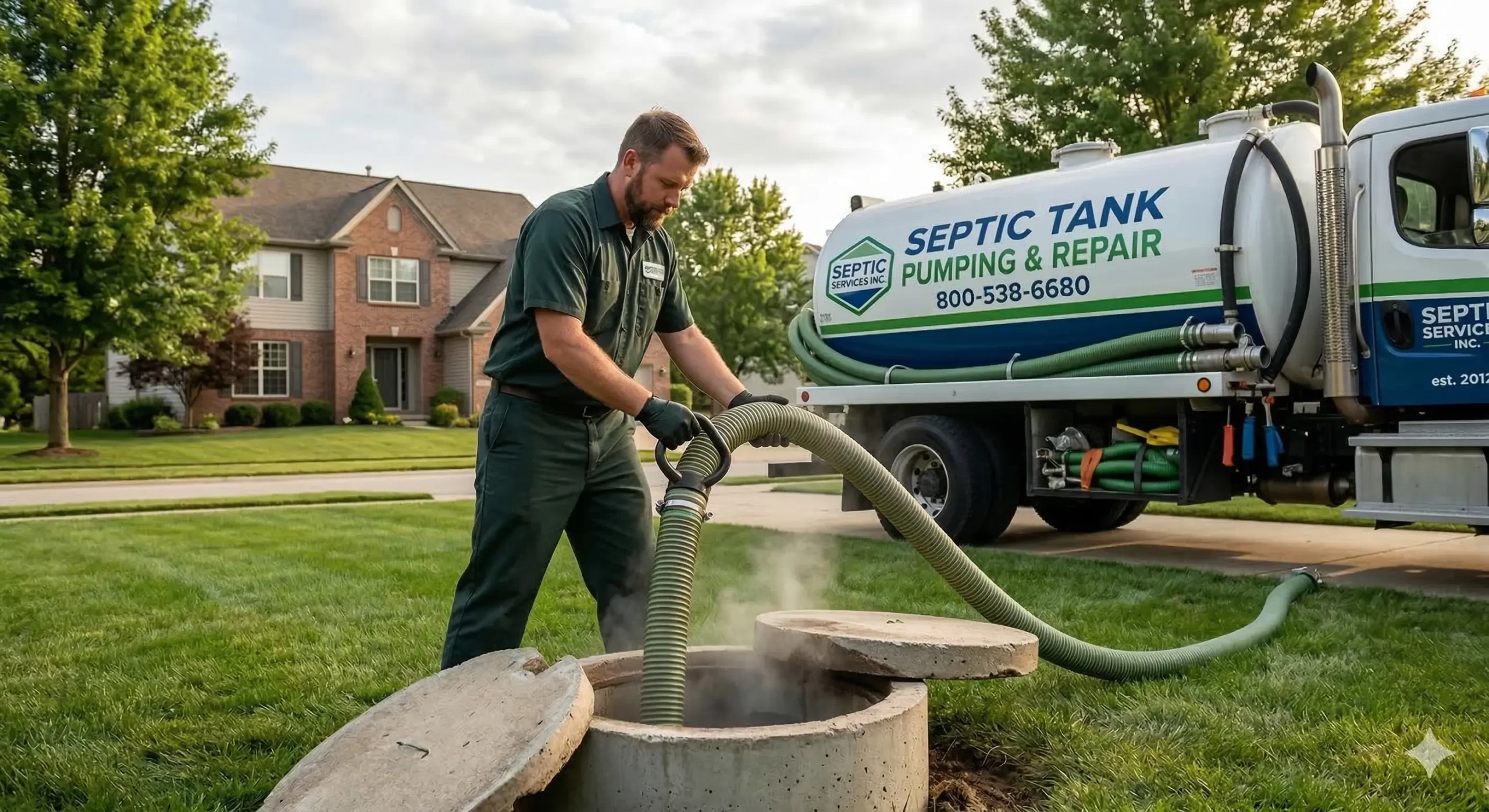
1. Average Septic Pumping Costs (Visualized)
Before we dive into the specific factors that influence pricing, let's look at the broad national averages for 2026. While searching for the "cheapest septic tank pumping near me" is natural, it is crucial to understand what a standard, professional service actually costs to avoid low-quality scam operators.
*Prices reflect base pumping fees and do not include extensive digging or repairs.
2. Top 5 Factors That Determine Your Price
Why might your neighbor pay $300 while you are quoted $550? The cost of septic pumping is rarely a one-size-fits-all flat rate. Local septic companies calculate their estimates based on several key variables.
Factor 1: Tank Size (The Biggest Variable)
Contractors charge based on the volume of waste they have to extract, transport, and dispose of at municipal treatment facilities. The larger your tank, the higher the disposal fee.
If you are searching for a "1000 gallon septic tank near me" (the most common residential size for a 3-bedroom home), you are in the average pricing tier. Here is how tank size generally impacts your wallet:
| Tank Capacity (Gallons) | Typical Home Size | Estimated Cost Range |
|---|---|---|
| 750 Gallons | 1-2 Bedrooms | $250 - $350 |
| 1,000 Gallons | 3 Bedrooms | $300 - $450 |
| 1,250 Gallons | 4 Bedrooms | $400 - $550 |
| 1,500 Gallons | 5 Bedrooms | $450 - $650 |
| 2,000+ Gallons | 6+ Bedrooms / Commercial | $600 - $900+ |
Factor 2: Locating and Digging Access Lids
If your septic system does not have ground-level access risers installed, the technicians will need to locate the buried lids and dig them up. Hand-digging is labor-intensive.
If the lid is buried more than a foot deep, contractors typically charge a digging fee ranging from $50 to $200 depending on the depth and soil conditions. Pro Tip: You can lower the cost to pump a septic tank by digging and exposing the lid yourself before the honey wagon arrives!
Factor 3: Emergency vs. Scheduled Service
Are you experiencing sluggish drains, sewage backing up into your bathtub, or foul odors in the yard? If you need an emergency septic pumping near me on a weekend, holiday, or late at night, expect to pay a premium. After-hours dispatch can add $150 to $300 to your base bill.
Don't Wait for an Emergency!
Connect with a local, independent septic professional today. Get transparent pricing for routine maintenance before a backup occurs.
Factor 4: Geographic Location
Where you live drastically changes the price. Local companies have to factor in fuel costs, local labor rates, and municipal dumping fees. For instance, septic pumping in Texas often hovers around $350–$450 due to highly competitive markets and accessible terrain. Conversely, East Coast states with stricter environmental regulations and higher costs of living—like septic services in Delaware—can easily see baseline prices exceeding $500.
Factor 5: System Condition (Sludge Thickness)
If you haven't serviced your system in 10 years, the bottom layer of sludge becomes incredibly dense and heavy. Technicians will have to spend extra time using the "crust buster" tool to break up the solids, add water to thin out the mixture, and utilize heavy-duty suction. Extra time on-site means higher labor costs.
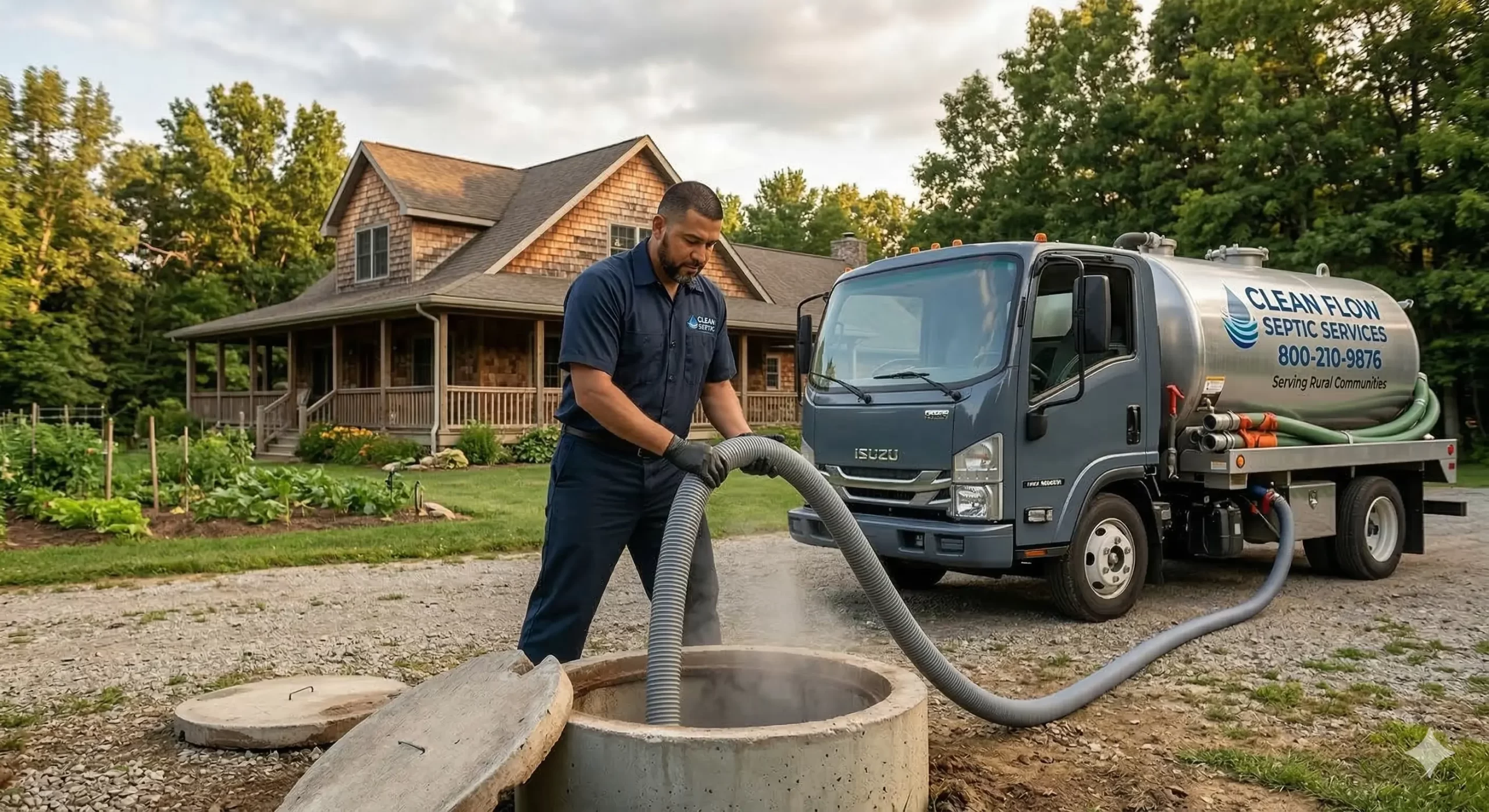
3. Additional Fees: What Else Might You Pay For?
When requesting a quote, it is vital to understand what is included. A suspiciously affordable septic tank pumping near me might only cover the suction of the liquid, leaving the dense sludge behind. A proper septic system clean out involves complete evacuation. Ask the contractor if the following are included or cost extra:
- Effluent Filter Cleaning: Many modern tanks have a filter in the outlet baffle to protect the drain field. Cleaning this filter usually costs an extra $25 to $50.
- Visual Inspection: Checking the structural integrity of the concrete, baffles, and dividing walls. Usually included, but official inspection reports for real estate transactions cost $150-$300.
- Line Snaking / Hydro-Jetting: If the pipe from your house to the tank is clogged with grease or tree roots, high-pressure water jetting will cost an additional $200-$400.
- Septic Aerator Pump Repair: If you have an aerobic system and the motor has failed, septic pump replacement near me can add $400 to $1,000+ depending on the pump model.
4. Maintenance vs. Replacement: The True Cost of Neglect
Many homeowners put off pumping because they want to save $400. This is the most expensive mistake you can make. If the sludge layer grows too high, solid human waste will escape the tank and flow into your drain field (leach field).
Once solids enter the drain field, the soil's biomat becomes permanently clogged. Septic pumping cannot fix a dead drain field. At that point, you are no longer looking for pumping services; you are looking at a total system replacement.
- Routine Pumping (Every 3-5 Years): $300 - $600
- New Drain Field Installation: $5,000 - $10,000
- Total System Replacement: $15,000 - $30,000+
Spending a few hundred dollars today literally saves you tens of thousands of dollars tomorrow.
5. How to Get the Best Septic Pumping Prices Near Me
Finding a trustworthy contractor doesn't have to be stressful. While searching for local septic companies, keep these tips in mind to get the best value:
- Stick to a Schedule: Don't wait for backups. Pumping a healthy tank is faster and cheaper than dealing with a compacted, overflowing disaster.
- Install Risers: Spend the $150-$300 to have ground-level access lids installed. You will never pay a digging fee again.
- Compare Quotes: Prices vary wildly between independent operators. This is where Blix shines.
Why Use the Blix Network?
We take the guesswork out of property maintenance. Blix is a free referral service that connects homeowners directly with established, independent, and top-rated septic tank contractors in your specific zip code.
Instead of blindly calling numbers from a directory, you can submit one request through our platform and get matched with local professionals who understand regional environmental regulations and offer fair, upfront pricing.
Septic Intelligence AI: USA
Can a leaking toilet flapper cause a septic system to fail prematurely?
Yes, a Leaking Toilet Flapper Can Absolutely Lead to Premature Septic System Failure
As a global expert in wastewater management, I can state unequivocally: yes, a leaking toilet flapper can significantly contribute to the premature failure of a septic system. This seemingly minor issue introduces a continuous, excessive volume of clean water into your septic tank, disrupting its delicate balance and overwhelming the entire system, particularly the drain field (also known as the leach field or absorption field).
Here's why this seemingly small leak poses such a substantial threat to your septic system:
- Overloading the Septic Tank: A continuously running toilet can add hundreds of gallons of water per day to your septic tank. This constant influx dramatically reduces the hydraulic retention time needed for solids to settle and for anaerobic bacteria to effectively break down waste. The result is an increased volume of partially treated effluent – containing more suspended solids and scum – being pushed into the drain field.
- Overwhelming the Drain Field: This is the most critical point of failure. The drain field is designed to absorb a specific volume of wastewater over time, allowing it to percolate through the soil for final treatment. A leaking flapper saturates the drain field continuously, preventing the soil from "resting" and aerating. When the soil remains saturated, it becomes anaerobic, leading to the rapid growth of a dense, impermeable biological mat (biomat) around the drain field trenches. This biomat clogs the soil pores, drastically reducing its absorption capacity.
- Anaerobic Conditions and Soil Clogging: The continuous saturation prevents oxygen from reaching the soil in the drain field. This lack of oxygen fosters anaerobic conditions, which are less efficient at breaking down organic matter and contribute to the formation of the biomat. Once the drain field is clogged, wastewater can no longer properly infiltrate the soil.
- Resulting System Failure: The symptoms of a failing drain field due to hydraulic overload are severe: foul odors in your yard, unusually lush or soggy areas over the drain field, slow drains, gurgling toilets, and ultimately, wastewater backing up into your home. Repairing or replacing a failed drain field is incredibly expensive, often costing tens of thousands of dollars.
Homeowner Maintenance, Emergency Prevention, and Septic Pumping
Preventing premature septic system failure due to leaks is primarily a matter of diligent homeowner maintenance and water conservation. For homeowners in the USA, where septic systems are common, these practices are paramount:
- Immediate Leak Repair: Regularly check your toilets for leaks. A simple test involves putting a few drops of food coloring into the toilet tank; if color appears in the bowl without flushing after 15-20 minutes, you have a leak. Fixing a leaking flapper is typically an inexpensive and straightforward DIY repair that can prevent catastrophic system failure.
- Water Conservation: Beyond fixing leaks, general water conservation reduces the overall load on your septic system. Use high-efficiency appliances, take shorter showers, and spread out laundry loads.
- Regular Septic Pumping: While a leaking flapper won't *directly* cause your tank to overflow in a single day, the increased hydraulic load means your tank will fill with scum and solids faster. This necessitates more frequent pumping. Adhere to your local health department's recommended pumping schedule (typically every 3-5 years for average household use, but more often with heavy water use or increased occupants).
- Professional Inspections: Schedule routine inspections by a certified septic professional every 1-3 years. They can identify potential issues early, including problems with the tank's baffles, drain field performance, and overall system health. Many local jurisdictions in the USA require these inspections.
- Know Your System: Understand the location of your septic tank and drain field, its size, and the type of system you have. Keep an "as-built" drawing for reference.
In conclusion, a leaking toilet flapper is not a trivial matter for a home on a septic system. It represents a continuous assault on your system's designed capacity and biological function. Proactive detection and immediate repair are among the most effective and cost-efficient measures you can take to prevent premature septic system failure and ensure the long-term health of your wastewater infrastructure.
Ready to Clear Your System?
Find out exactly how much it will cost for your specific property. No obligations, just honest local quotes.