
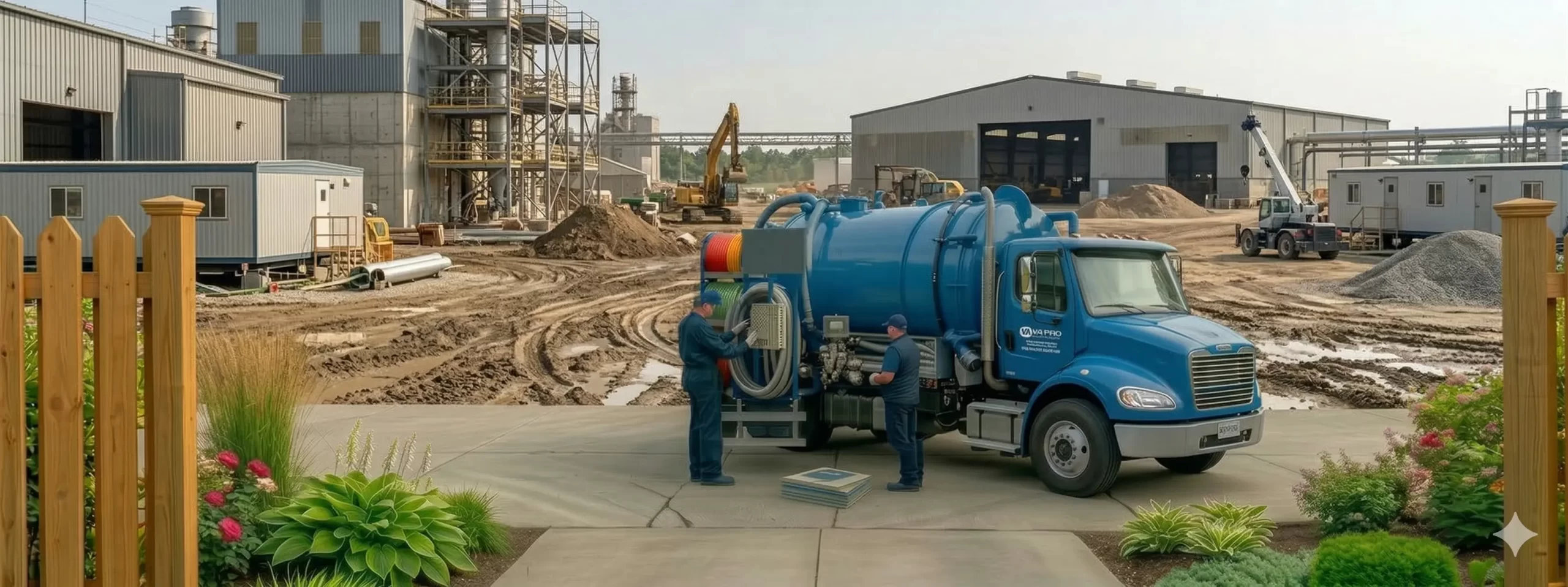
Top Septic Pumping in
Hempstead
Hempstead Pumping Costs & Data
| Hempstead Terrain / Soil Profile | Drainage Capacity | Impact on Wastewater Systems | Maintenance Need |
|---|---|---|---|
| Brazos River Floodplain / Alluvial | Variable / High Risk | High water tables cause tank buoyancy. High risk of electrical shorts during floods. Forces ATU usage. | High (Flood mitigation & buoyancy checks) |
| Inland Clay Loam | Poor | Saturates quickly, shrinks in drought. Vulnerable to agricultural soil compaction. | Standard (Interval pumping & structural checks) |
Cost Estimation by Service Profile in Hempstead:
| Service Description | Estimated Range | Primary Labor Factors |
|---|---|---|
| Highway 290 Commercial / RV Remediation | $550 – $800+ | Pumping multiple high-capacity lift stations, deploying hydro-jetters to destroy dense grease/wipe clogs. |
| Engineered ATU / Flood Recovery Pump-Out | $425 – $640 | Multi-chamber evacuation, cleaning fine-micron diffusers, checking for water damage on electrical compressors, and floatation mitigation. |
| Standard Rural Pump-Out (With Risers) | $395 – $500 | Standard evacuation and visual check. Assumes the tank has PVC surface risers eliminating digging labor. |
54°F in Hempstead
⚙️ Local Service Details
- Commercial Hydro-Jetting: Deploying high-pressure water systems to obliterate dense, concrete-like blockages caused by industrial grease and “flushable” wipes that notoriously plague Highway 290 corridor businesses.
- Post-Flood ATU Diagnostics: A thorough inspection of all wiring, control panels, and submersible pumps after heavy rain events, ensuring they are elevated above flood lines and functioning properly in river bottomland areas.
- Heavy Clay Excavation & Risers: Utilizing heavy digging equipment to break through dense, wet agricultural clay to access legacy tanks, followed by the highly recommended installation of PVC surface risers to permanently protect the homeowner from future digging fees.
🌱 Local Environmental Status
When a septic system fails in the Hempstead area, the localized consequences are distinct and destructive:
- Suburban Sprawl & ATU Reliance: Hempstead is experiencing explosive residential growth as the Houston metroplex expands westward. Developers are replacing agricultural tracts with high-density subdivisions. Because traditional drain fields frequently fail in the mixed clay soils, nearly all new builds are mandated to use mechanical Aerobic Treatment Units (ATUs). These complex systems require rigorous, uninterrupted maintenance; otherwise, fine-micron diffusers clog and expensive dosing pumps burn out rapidly.
- Highway 290 Commercial Overload: Hempstead serves as a major logistical and travel corridor. Commercial properties, RV parks, and gas stations subject standard septic systems to extreme abuse. The rapid accumulation of industrial grease and non-biodegradable “flushable” wipes quickly destroys inlet baffles and causes catastrophic main line blockages.
- Brazos River Floodplain Saturation: Properties located near the Brazos River bottomlands contend with a dangerously high water table. During periods of heavy spring rains or river swells, the groundwater can rise above the level of the septic tank. If tank seals are compromised, floodwater submerges the system, causing an immediate backup into the home and risking contamination of the watershed.
- Agricultural Soil Compaction: Hempstead’s deep farming history means many older rural residential drain fields are at risk. If heavy tractors, watermelon harvesting equipment, or cattle are driven over shallow lateral lines, the immense weight compacts the earth and instantly crushes the PVC pipes.
To protect their properties and navigate Waller County’s changing environment, homeowners must enforce uncompromising maintenance:
- Commercial Pre-Pumping: Highway-adjacent properties and RV parks must be professionally pumped and hydro-jetted annually to prevent massive grease and wipe clogs.
- Flood-Proof ATU Maintenance: Ensure all ATU control boxes, wiring, and air compressors are securely elevated well above the base flood elevation to survive Brazos River swells and heavy rain events.
📍 Coverage & ZIP Codes
🏡 Real Estate Transactions
Navigating a property transfer involving an OSSF in Waller County demands absolute precision:
- TCEQ Engineered System Mandates: Due to soil restrictions and high-density subdivision planning, nearly all new residential construction utilizes mechanical ATUs. To legally close a sale, buyers must assume an active, continuous maintenance contract, and the system must pass a strict functional inspection by a licensed professional.
- Commercial Highway Due Diligence: Investors buying land along Highway 290 face extreme scrutiny. Commercial lenders require extensive proof that the OSSF is legally permitted for high-capacity use by the county. A full pump-out and hydro-jetting of the lateral lines is considered mandatory during the option period to guarantee the drain field hasn’t been destroyed by years of grease and wipes.
- Brazos Basin Environmental Clearances: Appraisers and lenders for properties near the river demand rigorous proof that the septic system is not illicitly discharging into the watershed. A “tightness test” (ensuring the tank doesn’t leak out or let groundwater in) is often mandatory.
⚠️ Local Regulatory Warning
Local Environmental Threat
Current soil and weather impact on septic systems in Texas.
High saturation prevents drain fields from absorbing effluent.
Pumping Frequency Calculator
Select household size for Texas.
The Cost of Neglect in TX
Why routine pumping is the smartest financial decision.
Data reflects average contractor estimates in Texas.
Homeowner Feedback



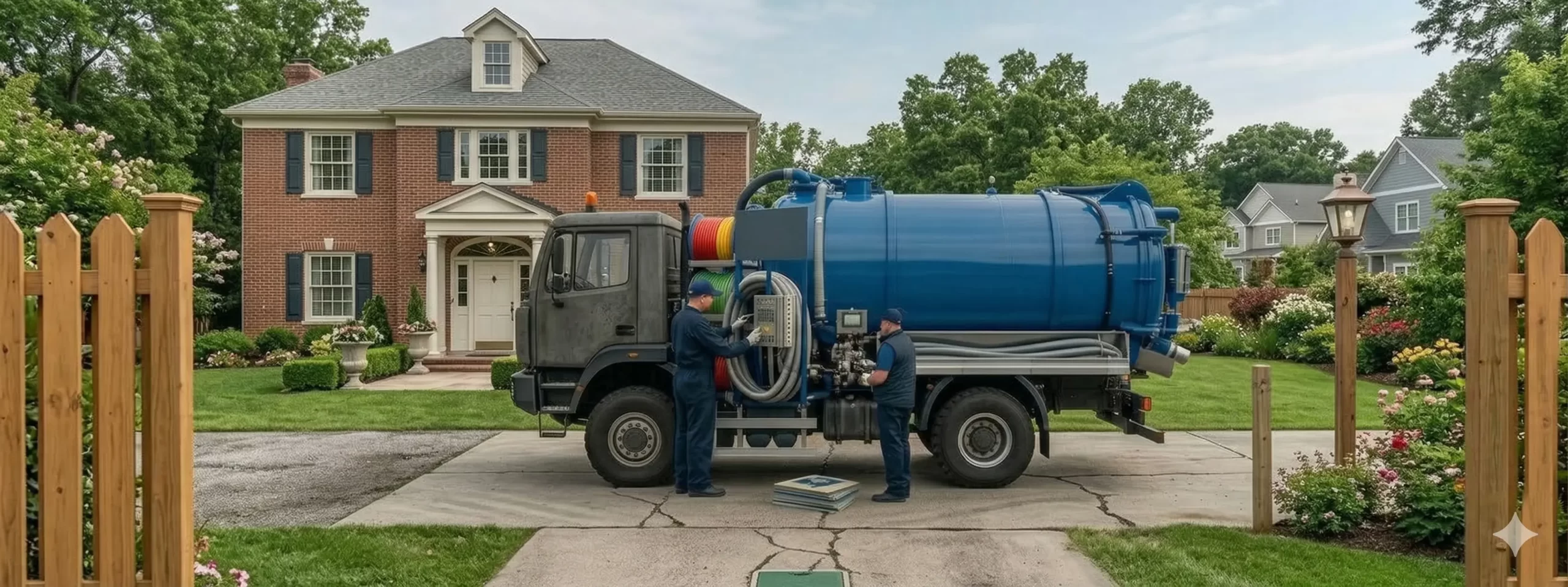
Reliable Septic Services in
Hempstead, TX
Septic Intelligence AI: Hempstead, TX
What is a mound septic system, and why would I need one?
Understanding Mound Septic Systems for Your Hempstead, TX Property
As a global expert in wastewater management, I can definitively state that a mound septic system is an engineered, elevated drain field designed to overcome challenging site conditions that prevent the installation of conventional subsurface systems. It represents an advanced form of onsite wastewater treatment, crucial for protecting public health and the environment.
At its core, a mound system receives partially treated wastewater (effluent) from a conventional septic tank. However, instead of gravity-feeding into a series of trenches directly in the native soil, the effluent is pumped into a prepared bed of sand and gravel built above the natural ground surface. This elevated structure, often resembling a gentle hill or "mound," is carefully designed to provide enhanced treatment before the water eventually percolates into the underlying native soil. The system typically consists of:
- Septic Tank: For primary treatment, separating solids from liquids.
- Pump Chamber (Dosing Tank): Collects the effluent and uses a pump to distribute it evenly and intermittently to the mound. This "dosing" is critical for optimal treatment.
- Pressure Distribution Network: A series of pipes within the mound that disperses the effluent uniformly across the sand bed.
- Sand Filter Media: A precisely engineered layer of clean, coarse sand (the heart of the mound) that provides aerobic biological treatment and filtration.
- Gravel Layer: Surrounding the distribution pipes, supporting the sand.
- Native Soil Interface: The transition zone where treated effluent leaves the mound and infiltrates the surrounding natural ground.
- Topsoil and Vegetative Cover: Protects the system and blends it into the landscape.
Why You Might Need a Mound Septic System in Hempstead, TX
The "why" behind needing a mound system is directly tied to your property's specific soil and hydrological conditions, which are determined by a comprehensive site and soil evaluation performed by a licensed professional. In areas like Hempstead, TX, and Waller County, certain geological and hydrological factors often necessitate advanced systems. You would likely need a mound system if your property exhibits one or more of the following conditions:
- High Groundwater Table: If the permanent or seasonal groundwater table is too close to the ground surface, there isn't enough unsaturated soil depth for proper effluent treatment and disposal by a conventional system. Mound systems elevate the treatment zone above this level.
- Shallow Bedrock: Similar to a high water table, if there's solid bedrock too close to the surface, it impedes infiltration and doesn't provide sufficient soil depth for treatment.
- Slowly Permeable or Impermeable Soils (Heavy Clay): Waller County is known for its heavy clay soils. These soils have very low percolation rates, meaning water infiltrates extremely slowly, leading to effluent ponding and system failure. A mound system provides an engineered environment with highly permeable sand for effective treatment and absorption.
- Rapidly Permeable Soils (Excessive Sand/Gravel): Conversely, if soils are too sandy or gravelly, effluent might pass through too quickly without adequate treatment, posing a risk to groundwater quality. The mound's design ensures proper filtration and biological treatment.
- Limited Suitable Land Area: Sometimes, even with suitable soils, the available land for a conventional drain field might be restricted by topography, property lines, or other features. Mound systems can be designed to fit specific site constraints.
- Local Regulatory Requirements: Due to environmental sensitivity or groundwater protection mandates, local authorities (like the Waller County Health Department or TCEQ regulations) may require advanced treatment systems for all new installations or repairs, regardless of soil type.
For your Hempstead property, given the prevalence of expansive clay soils in Waller County, a mound system is a common and highly effective solution for ensuring proper wastewater treatment where conventional systems would fail.
Essential Homeowner Maintenance for Mound Septic Systems
While engineered for challenging sites, a mound system requires diligent homeowner maintenance to ensure its longevity and performance. Proactive care is your best defense against costly repairs and environmental hazards.
- Regular Septic Tank Pumping: This is paramount. For a typical household, the septic tank should be inspected and pumped every 3-5 years, though factors like tank size, household size, and water usage can alter this. Always hire a licensed professional to evaluate sludge and scum levels and advise on pumping frequency. Failure to pump allows solids to escape into the pump chamber and subsequently the mound, leading to catastrophic clogging and premature system failure.
- Water Conservation: Reduce the hydraulic load on your system.
- Fix leaky faucets and toilets promptly.
- Install low-flow fixtures.
- Stagger water-intensive activities (e.g., don't do all laundry loads on one day).
- What NOT to Flush: Your septic system is not a trash can.
- Avoid flushing non-biodegradable items: wipes (even "flushable" ones), feminine hygiene products, paper towels, dental floss, cat litter, cigarette butts.
- Limit grease and fats: Pouring cooking oils and grease down the drain contributes to scum buildup and can clog pipes.
- Restrict harsh chemicals: Bleach, drain cleaners, excessive antibacterial soaps, and strong disinfectants can kill beneficial bacteria in your septic tank and mound, hindering the treatment process.
- Minimize garbage disposal use: While some food particles are acceptable, excessive use adds a significant solids load to your tank, requiring more frequent pumping.
- Protect the Mound Structure:
- No driving or parking: Never allow vehicles, heavy equipment, or even excessive foot traffic on the mound. This can compact the soil, damage distribution pipes, and compromise the system's ability to treat effluent.
- No construction: Do not build structures, sheds, or patios on or near the mound.
- Proper landscaping: Plant only shallow-rooted grasses over the mound. Never plant trees, shrubs, or deep-rooted plants, as their roots will seek out the effluent, clog pipes, and damage the system. Maintain good surface drainage around the mound to prevent erosion or standing water.
- Understand Your Alarm System: Most mound systems have a pump and often an alarm. Learn what the alarm sounds or looks like, and what it signifies (typically a high water level in the pump chamber). If the alarm activates, reduce water usage immediately and call a licensed septic professional.
Emergency Prevention and Early Detection
Preventative measures are far less costly and stressful than emergency repairs. Recognizing early warning signs is crucial:
- Routine Professional Inspections: Beyond pumping, have a licensed septic professional inspect your entire system, including the pump chamber, pump, controls, and the mound's integrity, every 1-3 years. They can spot small issues before they escalate.
- Monitor for Odors: Foul odors near the septic tank, pump chamber, or over the mound can indicate a problem, such as a clogged vent, effluent surfacing, or a failing drain field.
- Lush, Green Spots or Wet Areas: Unusually lush, green grass over the mound or wet, soggy spots, especially during dry periods, suggests effluent is surfacing, indicating a failure in the mound's ability to absorb and treat the wastewater.
- Slow Drains or Backups: If sinks, showers, or toilets are draining slowly, or if you experience plumbing backups, it's a strong indicator of a blockage or a failing septic system.
- Alarm Activation: As mentioned, this is a critical early warning. Do not ignore it.
For residents in Hempstead, TX, familiarity with your specific system and local regulations from the Waller County Health Department is invaluable. They can provide guidance on registered installers and maintenance providers.
Septic Pumping and Professional Services
The frequency of septic pumping is a critical component of maintenance. For mound systems, maintaining a healthy balance in the septic tank is even more vital as solids escaping can quickly and irreversibly damage the specialized components within the mound itself.
- Tailored Pumping Schedule: While a general guideline is every 3-5 years, your specific schedule will depend on:
- Tank Size: Larger tanks can hold more solids.
- Household Size: More occupants generate more waste.
- Water Usage: High water usage can stir up solids and push them into the drain field.
- Use of Garbage Disposal: Regular use significantly increases solids and necessitates more frequent pumping.
- Why it's Crucial: Pumping prevents the accumulation of solids to a point where they are carried out of the septic tank into the pump chamber, and then disastrously, into the mound's pressure distribution system and sand filter. Once these fine pipes and the sand media are clogged with solids, the mound's treatment capacity is severely compromised, often leading to costly repairs or complete system replacement.
- Selecting a Professional: Always choose a licensed and experienced septic service provider in Waller County. They should:
- Locate and open all access risers (not just the inspection port).
- Pump both compartments of the septic tank thoroughly.
- Inspect the baffles for damage.
- Assess the overall health of your tank and provide documentation of the service.
- Be knowledgeable about mound systems and their specific maintenance needs.
A mound septic system is a sophisticated and effective solution for challenging soil conditions prevalent in many parts of Waller County, including Hempstead, TX. With proper installation by a certified professional and diligent homeowner maintenance, your mound system can provide reliable wastewater treatment for decades. Treat it as an essential utility of your home, requiring regular attention and professional oversight.