Top Septic Pumping in
Marlin
Marlin Pumping Costs & Data
| Marlin Terrain / Soil Profile | Drainage Capacity | Impact on Wastewater Systems | Maintenance Need |
|---|---|---|---|
| Blackland Prairie Clay | Practically Zero | Violently shrinks and swells. High risk of structural pipe snapping. Extremely difficult to manually excavate without risers. | High (Interval pumping & structural checks) |
| River Bottomlands / Alluvial | Variable | High water tables cause tank buoyancy. High risk of immediate drain field saturation during floods. | High (Flood mitigation & buoyancy checks) |
Cost Estimation by Service Profile in Marlin:
| Service Description | Estimated Range | Primary Labor Factors |
|---|---|---|
| Agricultural / Blackland Clay Pump-Out | $425 – $610 | Intense manual labor using pickaxes and breaker bars to dig through baked clay to locate and unseal buried lids. |
| Engineered ATU / Retrofit Servicing | $450 – $640 | Multi-chamber evacuation, cleaning fine-micron diffusers, and verifying electrical dosing pump functionality. |
| Standard Rural Pump-Out (With Risers) | $385 – $495 | Standard evacuation and visual check. Assumes the tank has PVC surface risers eliminating digging labor. |
⚙️ Local Service Details
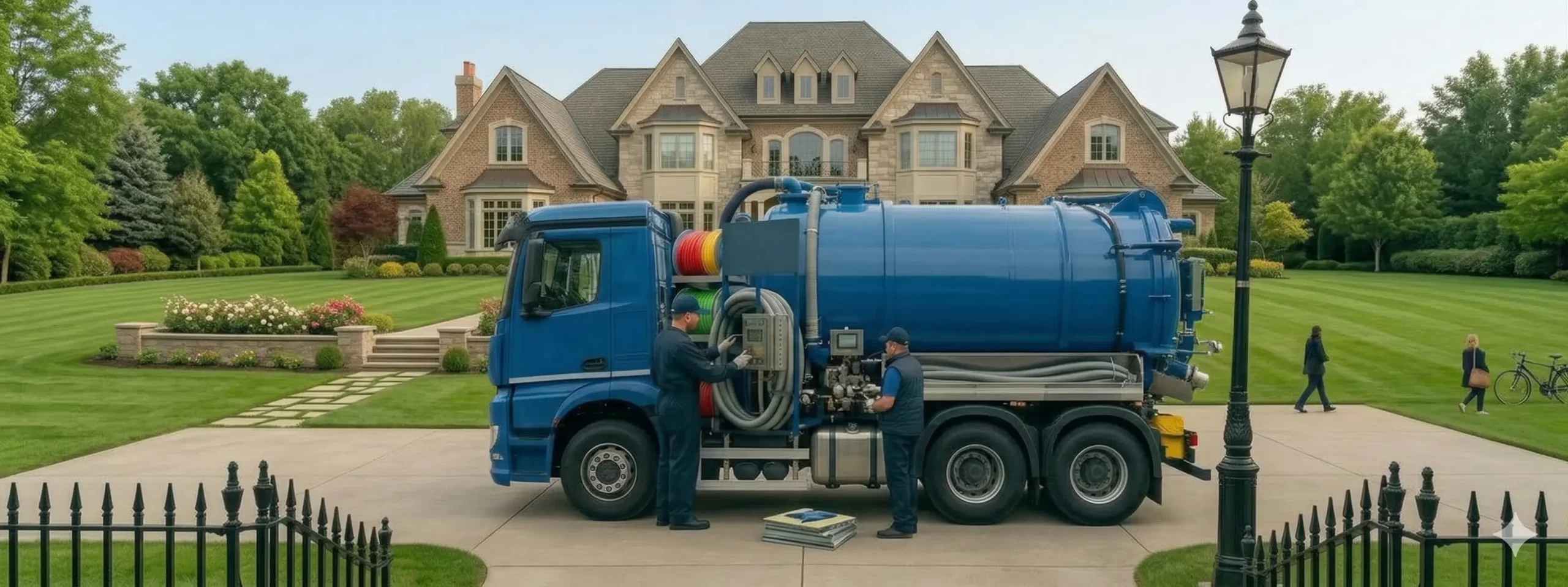
- Clay Excavation & Riser Retrofitting: Utilizing heavy digging bars to break through dense, baked Blackland clay to locate and unseal buried lids, followed by the highly recommended installation of PVC risers to permanently eliminate future digging fees.
- Structural Shrink-Swell Diagnostics: Carefully inspecting the concrete tank walls and PVC inlet baffles for stress fractures caused by the seasonal expanding and contracting of the surrounding earth.
- Historic & Agricultural Property Care: Staging heavy vac-trucks meticulously to avoid compacting vulnerable drain fields or damaging ancient trees surrounding Marlin’s historic estates.
🌱 Local Environmental Status
When a septic system fails in the Marlin area, the environmental and structural consequences are distinctly severe:
- Blackland Clay “Shrink-Swell” Destruction: The deep clay in Falls County violently shrinks during the scorching Central Texas droughts, creating massive fissures in the earth and physically pulling away from buried structures. When heavy spring rains arrive, the soil violently swells. This immense, continuous geological shifting crushes PVC lateral lines and severely cracks aging concrete septic tanks, leading to invisible underground leaks.
- Brazos River Watershed Contamination: Properties bordering the Brazos River and local creeks face intense environmental scrutiny. A saturated traditional drain field or a leaking legacy tank sends raw, nutrient-heavy effluent directly into these critical waterways, triggering toxic algae blooms and violating strict state agricultural water protections.
- Agricultural Soil Compaction: Marlin has a deep farming and ranching history. If heavy tractors, combine harvesters, or large herds of cattle are driven over a shallow residential drain field, the immense weight will compact the clay soil and instantly crush the PVC lateral lines, permanently destroying the system’s ability to disperse wastewater.
- The “Bathtub Effect” in Clay Pans: The heavy clay subsoil absorbs rain incredibly slowly. During heavy downpours, the soil saturates rapidly. If a tank is overfilled with sludge, the effluent cannot percolate downward, causing untreated sewage to pool directly on the surface of your pasture or lawn, creating a severe biohazard.
To protect their homesteads and the Falls County ecosystem, residents must enforce uncompromising maintenance:
- Drought and Flood Inspections: Schedule structural inspections immediately following severe drought seasons to ensure the shrinking Blackland clay has not fractured your tank or snapped your inlet pipes.
- Surface Riser Installation: Because excavating heavy, baked clay is grueling and expensive, permanent PVC surface risers are essential for rapid, cost-effective pumping access in rural Marlin.
📍 Coverage & ZIP Codes
🏡 Real Estate Transactions
Navigating a property transfer involving an OSSF in Falls County demands absolute precision:
- USDA & Agricultural Loan Rigor: A massive percentage of legacy farm sales utilize USDA or specialized agricultural loans. A simple visual check is never accepted; the tank must be completely evacuated and structurally inspected by a TCEQ-licensed professional to guarantee it hasn’t been fractured by tractors or shrinking clay soil over the decades.
- Brazos Basin Proximity Clearances: Appraisers and lenders for properties near the Brazos River demand rigorous proof that the septic system is not illicitly discharging into the watershed. A “tightness test” ensuring zero groundwater infiltration or effluent leak-off is often mandatory.
- Engineered ATU Contract Transfers: Because traditional gravity fields frequently fail in the dense Blackland clay, many upgraded properties utilize mechanical Aerobic Treatment Units (ATUs). To legally close a sale, buyers must assume an active, continuous maintenance contract filed with Falls County Environmental Health.
⚠️ Local Regulatory Warning
The Marlin Service Corridor
Emergency pumping requires reliable dispatch. Review the primary technician node assigned to your area.
Flooding Exposure Radar
We track the invisible underground stressors in Marlin. Protect your system before a catastrophic backup.
Septic Service Trends in Marlin
See how rapidly your neighbors are experiencing septic emergencies over the past 12 months.
The Marlin Maintenance Shift
Avoid emergency holiday fees. Servicing your tank at this exact time guarantees a better year.
Financial Breakdown of Neglect in Marlin
Calculate exactly how much money you stand to lose by skipping your routine septic tank pumping.
Base Drain Field Replacement in Marlin: $14,326
Capacity Loss Estimator
We calculate the environmental impact of Marlin on your sludge levels. Limit your water usage today.
Homeowner Feedback