
Top Septic Pumping in Virginia
In need of highly professional septic tank pumping in Virginia? We connect you with certified local specialists offering rapid emergency cleanouts, rigorous system diagnostics, and compliance-driven routine maintenance.
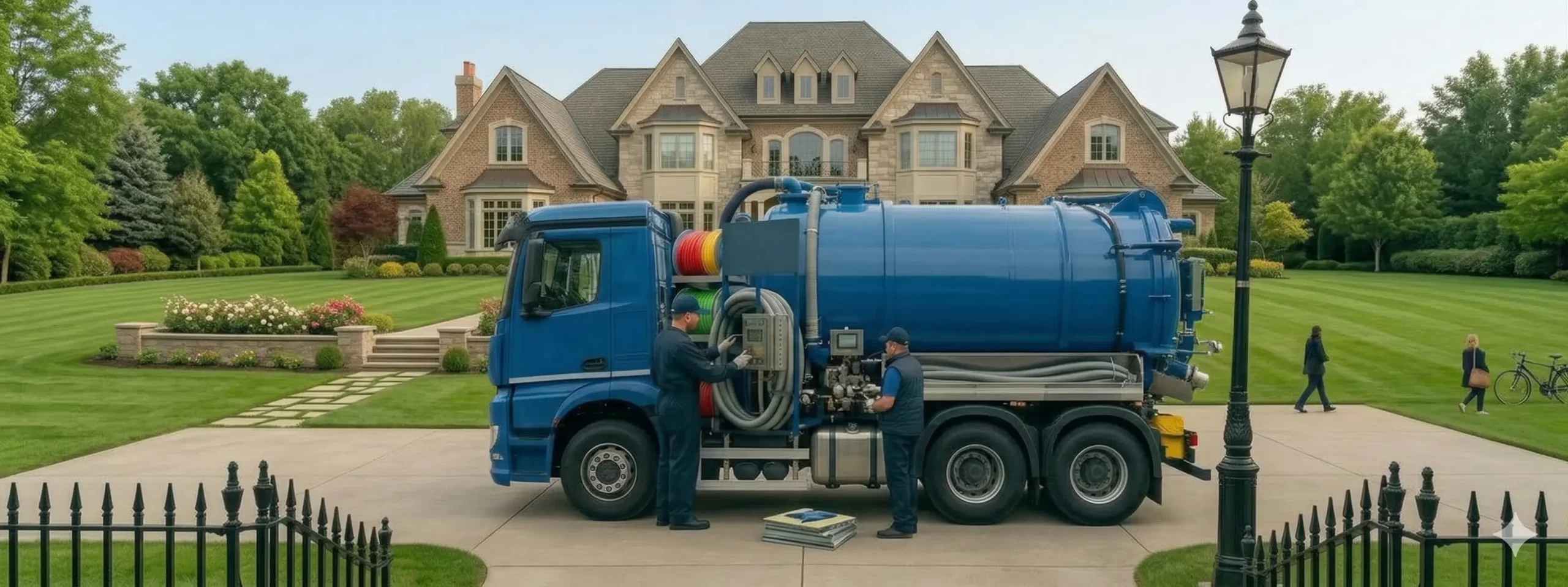
Top Septic Pumping in
Virginia
Virginia Pumping Costs
Virginia exhibits a massive reliance on decentralized wastewater treatment, balancing highly populated Northern Virginia suburbs with vast, unsewered agricultural districts.
A detailed look at the Commonwealth’s sanitary infrastructure demonstrates:
- Over 1 million individual households and small businesses across the state rely exclusively on onsite sewage systems.
- Hundreds of thousands of these systems are situated directly within the ecologically sensitive Chesapeake Bay Preservation Area.
Because such a massive volume of private systems directly impacts critical state watersheds, local and state authorities place an immense emphasis on continuous, legally mandated routine pumping.
Price Factor: When determining a transparent estimate for septic maintenance across the diverse regions of Virginia, local operators must factor in a unique set of geographical and regulatory elements. The final cost of your pump-out is largely driven by:
- Extensive travel mileage required to service isolated rural properties deep in the Blue Ridge Mountains or remote coastal peninsulas.
- The intense manual labor needed to carefully excavate around older, fragile infrastructure frequently found on historic Virginia estates.
- Elevated disposal tipping fees and strict regulatory tracking costs associated with protecting the Chesapeake Bay watershed.
Property owners must anticipate these specific logistical and environmental variables to influence their final upfront service quotes.
69°F in Virginia
The Cost of Neglect in VA
Why routine pumping is the smartest financial decision.
Data reflects average contractor estimates in Virginia.
Local Environmental Threat
Current soil and weather impact on septic systems in Virginia.
High saturation prevents drain fields from absorbing effluent.
Pumping Frequency Calculator
Select household size for Virginia.
🌱 Local Environmental Status
In Virginia, the local The subterranean landscape of Virginia presents formidable difficulties for wastewater absorption, divided by distinct and challenging geological zones.
Installers and maintenance crews consistently navigate the following soil hurdles:
- Complex karst topography in the western valleys, where highly porous limestone can lead to rapid, unfiltered groundwater contamination.
- Extremely high coastal water tables and restrictive shrink-swell clays found throughout the eastern plains and Piedmont regions.
If a homeowner skips routine pumping, the escaping solid sludge will instantly blind these restrictive clays or freely pollute the porous karst bedrock, leading to severe environmental degradation. significantly affects drain field performance. Residents often struggle with Virginia residents are frequently subjected to severe and highly destructive weather patterns that place immense, sudden hydraulic burdens on private sewage infrastructure.
The most prominent environmental threats to local systems include:
- Violent coastal storm surges and hurricane remnants that dump massive volumes of rain, instantly oversaturating the eastern plains.
- Heavy, rapid spring snowmelts in the mountainous western regions that completely swamp traditional absorption trenches.
When heavy rains or storm surges completely flood a waterlogged yard, the treated effluent has nowhere to flow. This immediate hydraulic overload forces raw sewage to violently back up directly into the home’s lower plumbing fixtures., making routine pump-outs essential.
⚙️ Common Septic Systems
The most broadly adopted engineered system variations across the Commonwealth include:
- Alternative Discharging Systems (ADS): In areas with absolutely zero soil absorption capacity, highly advanced aeration systems clean the water and, under strict permitting, safely discharge the treated effluent to the surface.
- Peat Biofilters (Puraflo) and Drip Distribution: Systems that incorporate imported peat moss to aggressively pre-treat the effluent before slowly pumping it through a shallow network of flexible drip tubing.
To properly manage these complex mechanical setups, specific structural adaptations are heavily integrated:
- Dosing Tanks with Telemetry Alarms: Essential secondary tanks housing electric pumps that alert the homeowner and operator immediately during a failure.
- Surface-Level Access Risers: Crucial regulatory requirements that allow certified technicians to quickly service internal electronics without excavating the yard.
Servicing these highly specialized, pressurized systems requires certified Alternative Onsite Sewage System (AOSS) operators who deeply understand electrical diagnostics and biological treatment.
🏛️ Authority & Compliance
The regulatory structure is driven by the following authoritative bodies:
- The Virginia Department of Health (VDH), which authors the comprehensive statewide Sewage Handling and Disposal Regulations.
- Local County Health Districts, functioning as the primary enforcers by conducting site evaluations, issuing construction permits, and tracking maintenance records.
- The Department of Professional and Occupational Regulation (DPOR), which mandates rigorous testing and licensing for all septic contractors and operators.
To ensure total safety and legal compliance, property owners must exclusively utilize fully certified and licensed Virginia pumpers.
🏡 Real Estate Transactions
To secure a property transfer, the following protocols are heavily relied upon:
- Under the Virginia Residential Property Disclosure Act, sellers must disclose if the property is subject to specific maintenance requirements or waivers issued by the VDH.
- Real estate agents and lenders overwhelmingly urge buyers to commission a formal, specialized septic inspection, requiring a full tank pump-out to verify structural soundness prior to closing.
These thorough evaluations are designed to prevent buyers from inheriting failed infrastructure and facing immediate, catastrophic environmental liabilities.
⚠️ Regulatory Warning
Homeowners who ignore maintenance and allow raw sewage to surface face rapid, uncompromising intervention from local authorities:
- Notices of Alleged Violation (NOAV): Local health inspectors possess the legal authority to issue immediate NOAVs and levy substantial civil penalties for any system discharging untreated effluent onto the ground surface or into local waterways.
- Mandatory 5-Year Pumping (Chesapeake Bay Act): For properties located within designated Chesapeake Bay Preservation Areas, state law strictly mandates that conventional septic tanks be pumped out at least once every five years. Failure to provide proof of this service to the local county results in heavy fines.
- Forced System Remediation: If a system is declared a public health nuisance, the VDH can compel the homeowner to execute immediate repairs or legally force the installation of a completely new, engineered alternative system.
To guarantee that all hazardous septage is handled safely, the state strictly regulates the servicing industry:
- Any individual or firm engaged in the pumping and hauling of septage must be officially licensed as a Sewage Handling Contractor by the DPOR and permitted by the VDH.
- Alternative Onsite Sewage Systems (AOSS) legally require the homeowner to maintain an active, ongoing service contract with a state-licensed AOSS Operator, and the operator must submit annual inspection reports to the VDH.
Furthermore, the ultimate disposal of the waste is highly monitored:
- Collected septage must be disposed of exclusively at approved municipal wastewater treatment facilities or heavily regulated, state-permitted land application sites.
For Virginia property owners, committing to a proactive pumping schedule is the absolute best defense against destroying their drain fields, facing overwhelming state penalties, and protecting the Commonwealth’s vital waterways.
Homeowner Feedback
“We live in a Chesapeake Bay Preservation Area and needed our mandatory 5-year pump out. This company was fantastic. They pumped the tank, inspected the baffles, and immediately filed the compliance paperwork with the county for us.”
✓ VERIFIED VA RESIDENT
“We needed a comprehensive septic inspection in order to close on our historic home in Northern Virginia. The technician was incredibly meticulous, pumped the entire system carefully, and provided the official documentation our lender required.”
✓ VERIFIED VA RESIDENT
“After a massive coastal storm surge flooded our yard, our alternative system’s alarms went off. The emergency dispatch was lightning fast. They emptied the overwhelmed dosing tank and got the electrical pump running again perfectly.”
✓ VERIFIED VA RESIDENT
Reliable Septic Services in
Virginia
Septic Intelligence AI: Virginia
What household chemicals or cleaners should I absolutely avoid pouring down the drain?
Understanding Your Septic System: A Global Perspective for Virginia Homeowners
As a homeowner in Virginia in 2026, your proactive approach to septic system maintenance is commendable. The longevity and efficiency of your septic system—a vital component of your property's wastewater management—hinge significantly on what enters your drains. Improper disposal of household chemicals can have severe, costly, and environmentally damaging consequences.
The Core Principle: Protecting Your Septic Biome
Your septic tank is not merely a holding tank; it's a sophisticated, living ecosystem. Anaerobic bacteria play a critical role, breaking down solid waste into sludge and effluent. This biological process is essential for the proper separation of solids and liquids, allowing the treated wastewater (effluent) to safely disperse into your drain field for further purification. When you introduce harmful chemicals, you disrupt this delicate 'septic biome,' effectively killing the very microorganisms necessary for the system to function.
The consequences of a compromised septic biome include:
- Sludge Accumulation: Without bacterial action, solids don't break down, leading to rapid sludge buildup and the need for more frequent pumping.
- Drain Field Clogging: Undigested solids can be pushed into the drain field, forming an impermeable mat that prevents proper absorption, leading to backups and system failure.
- Environmental Contamination: Harmful chemicals, if not properly treated, can leach into groundwater, affecting local ecosystems and drinking water sources.
- Premature System Failure: Damage to the bacterial community shortens the overall lifespan of your entire septic system, leading to expensive repairs or replacement.
Absolutely Avoid Pouring These Down Your Drain:
These categories of chemicals pose the greatest threat to your septic system's integrity and function:
- Strong Chemical Drain Cleaners (Caustic or Acidic):
- Why avoid: Products containing lye, sulfuric acid, or other harsh chemicals are designed to dissolve organic matter quickly. While they might clear a clog temporarily, they are devastating to the beneficial bacteria in your septic tank, halting the biological treatment process. They can also corrode pipes and pose serious safety hazards during septic pumping or inspection due to hazardous fumes or reactions.
- Safe Alternatives: For minor clogs, use a plunger, a drain snake, or pour boiling water. For persistent issues, consult a professional plumber who can identify the root cause without resorting to damaging chemicals.
- Excessive Bleach, Chlorine Bleach, and Other Harsh Disinfectants:
- Why avoid: Small, diluted amounts from laundry are generally tolerated, but regular or large quantities (e.g., from cleaning floors, sanitizing large areas, or shock-treating wells) are potent biocides. They indiscriminately kill the essential anaerobic bacteria responsible for breaking down solids in your septic tank. This leads to an accumulation of undigested sludge and can ultimately cause drain field failure.
- Safe Alternatives: Opt for septic-safe, oxygen-based, or plant-derived cleaners. Minimize bleach use and ensure it is highly diluted. Consider white vinegar or baking soda for many cleaning tasks.
- Antibacterial Soaps and Products (containing Triclosan, Triclocarban, etc.):
- Why avoid: These active agents are specifically formulated to kill bacteria, which directly counteracts the fundamental biological processes of your septic system. Their continuous introduction inhibits the necessary bacterial action, leading to sludge buildup and impaired system function, similar to the effects of bleach.
- Safe Alternatives: Choose regular soaps and cleaners that do not feature "antibacterial" claims. Standard soap and water are highly effective for everyday hygiene and cleaning.
- Petroleum-Based Products (Motor Oil, Antifreeze, Paint Thinners, Solvents, Glues, Paints, Varnishes):
- Why avoid: These substances are highly toxic to septic bacteria, non-biodegradable, and can contaminate groundwater. They can also create hazardous fumes within the septic tank and pipes. Paints, especially latex, can solidify and create impermeable layers in the tank and drain field, leading to irreversible damage.
- Safe Alternatives: Dispose of these at designated household hazardous waste (HHW) facilities, which Virginia localities provide. Check with your county or city waste management department for schedules and locations.
- Pharmaceuticals (Prescription and Over-the-Counter Medications):
- Why avoid: While not all medications directly harm septic bacteria in small doses, many contain active compounds that are not fully broken down in the septic tank. These can then leach into the environment via the drain field, affecting aquatic life and potentially contaminating groundwater or drinking water sources.
- Safe Alternatives: Participate in pharmaceutical take-back programs offered by local pharmacies or law enforcement agencies. If unavailable, follow FDA guidelines for disposal: mix unused medications (not crushed tablets or capsules) with an unappealing substance like dirt, cat litter, or used coffee grounds; place in a sealed plastic bag; and discard in household trash. Never flush medications down the toilet.
- Pesticides, Herbicides, and Other Garden Chemicals:
- Why avoid: These chemicals are engineered to kill living organisms and will indiscriminately devastate the bacterial population in your septic tank. They are also highly toxic to the environment and pose a severe risk of groundwater contamination.
- Safe Alternatives: Dispose of these at your local household hazardous waste collection sites.
- Large Volumes of Household Cleaners (Even "Septic-Safe" Ones):
- Why avoid: Even products labeled "septic-safe" are only safe in normal, moderate usage. Pouring large, concentrated quantities of any cleaning agent, regardless of its claims, can overwhelm the system's microbial balance and disrupt its function.
- Safe Alternatives: Follow dilution instructions carefully and use cleaning products sparingly.
Proactive Septic System Management for Virginia Homeowners (2026)
Your responsibility extends beyond avoiding harmful chemicals. Here are further best practices:
- Educate Yourself: Understand the specific regulations and guidelines for septic systems in your Virginia county. Your local health department is an excellent resource for information pertinent to your area.
- Choose Wisely: Opt for biodegradable, phosphate-free, and septic-safe cleaning products for all household needs. Look for certifications like "EPA Safer Choice."
- Water Conservation: Reduce overall water usage throughout your home. Excessive water flow can hydraulically overload the septic tank and drain field, reducing the necessary retention time for solid separation and bacterial treatment.
- Regular Pumping: Adhere to a pumping schedule recommended by a local septic professional, typically every 3-5 years for average households. This is crucial for removing accumulated sludge and scum, preventing it from entering and clogging your drain field.
- Professional Inspections: Schedule routine inspections by a certified septic professional. Early detection of issues can prevent minor problems from escalating into costly emergencies.
- Emergency Prevention: Your careful disposal habits are the front line of defense against septic system failure and potential sewage backups into your home, ensuring the health of your family and the local environment.
By diligently avoiding these harmful chemicals and adhering to sound maintenance practices, you will significantly extend the life of your septic system, protect your property, and contribute to a healthier environment in Virginia.
Expert Septic FAQ
Am I legally required to pump my septic tank in Virginia?
If you live in a county governed by the Chesapeake Bay Preservation Act (which includes much of eastern and central Virginia), yes. State law mandates that conventional septic tanks in these areas be pumped out and inspected at least once every five (5) years. You are required to submit documentation of this service to your local county government. For Alternative systems (AOSS), annual inspections by a licensed operator are mandatory state-wide.
Why did the health department require an Alternative system (AOSS) for my lot?
The Virginia Department of Health enforces strict regulations to protect groundwater. If your property features dense shrink-swell clay, a very high water table, or sits on porous karst bedrock, a traditional gravity trench cannot safely filter the wastewater. To issue a permit, the VDH requires an engineered Alternative Onsite Sewage System (AOSS) that utilizes mechanical aeration or peat filters to clean the effluent before it enters the environment.
What is a Puraflo system and how is it maintained?
A Puraflo system is a highly popular brand of peat biofilter used frequently in Virginia alternative systems. It utilizes modules filled with specialized peat fiber to naturally and aggressively filter wastewater. Maintenance requires a licensed AOSS operator to regularly inspect the electrical dosing pump, clean the effluent filters, and ensure the spray nozzles distributing water over the peat are not clogged. The primary septic tank must still be pumped regularly.
Can I safely flush flushable wipes down my toilet?
Absolutely not. Despite the marketing claims on the packaging, “flushable” wipes do not break down in a septic tank like standard toilet paper does. They remain completely intact, wrapping around baffles, severely clogging the delicate effluent filters mandated on modern Virginia systems, and causing massive blockages in your main sewer line. You should only ever flush human waste and septic-safe toilet paper.