
Emergency Well Pump Repair in Idaho
From the rapidly growing subdivisions of the Treasure Valley and the deep, volcanic bedrock of the Eastern Snake River Plain to the freezing, heavily forested mountains of the Panhandle, over 400,000 Idaho residents rely entirely on private groundwater systems. The Gem State presents a fiercely challenging, geologically extreme environment for water well infrastructure. During the intense summer irrigation season, massive agricultural pumping across the Snake River Plain frequently causes residential water tables to plummet, forcing domestic submersible pumps to cavitate (suck air) and burn out. Concurrently, the state’s fractured basalt geology routinely sheds highly abrasive volcanic grit that destroys pump impellers, while brutal sub-zero winters in the northern and central mountains threaten to instantly freeze unprotected drop pipes. Whether you are dealing with a frozen pitless adapter in a Coeur d’Alene whiteout, a rapidly short-cycling pressure tank in a damp Boise basement, or a deep submersible pump completely choked by volcanic sand in Idaho Falls, our elite network of IDWR-licensed well technicians is fully equipped. We deliver immediate, extreme-weather emergency well service and repair near me to ensure your home, heating systems, and livestock never suffer a catastrophic loss of water pressure.
Fast Local Service & Diagnostics
Calls are routed to a licensed local well professional.
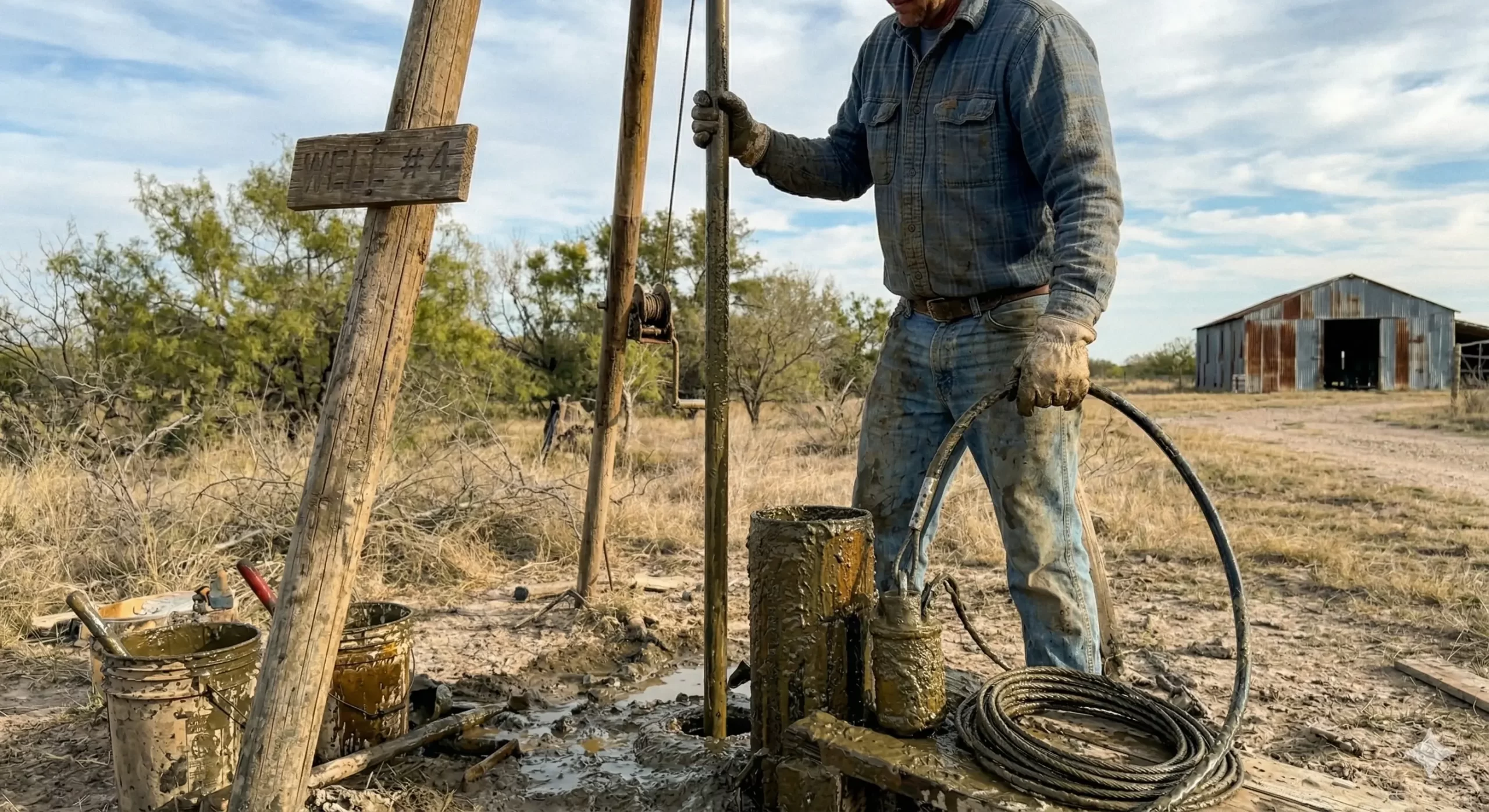
Well Pump Repair in
Idaho
Idaho Well Service Costs & Stats
Idaho supports a massive decentralized water infrastructure, with hundreds of thousands of active private water wells serving rural residents, remote mountain cabins, and sustaining the state’s multi-billion-dollar agricultural industry. Because water is a fiercely contested resource in the high desert, protecting these critical aquifers—especially the world-famous Eastern Snake River Plain Aquifer (ESPA)—from agricultural over-drafting and contamination is strictly managed by the Idaho Department of Water Resources (IDWR).
- Basalt & Granite Extraction: Replacing a deep submersible pump in the central mountains or the Snake River Plain often involves pulling water-filled pipes from 300-800+ feet of solid rock. This demanding commercial operation drives submersible pump repair service costs to $2,000 – $4,900+.
- Agricultural Drawdown Protection: Because residential wells frequently run dry during peak farming irrigation season, installing advanced electronic pump protection modules (like Cycle Sensors) is virtually mandatory in Eastern and Southern Idaho to prevent motor burnout, adding $350 – $700.
- Volcanic Grit Mitigation: Idaho’s fractured basalt aquifers commonly shed abrasive cinders and grit. Upgrading to specialized sand-handler pumps and indoor spin-down separators to protect your plumbing adds $500 – $1,200 to a system overhaul.
- Winterization & Pitless Adapters: The brutal Idaho frost line demands plumbing be buried 48 to 72 inches deep, especially in the Panhandle. Excavating frozen earth in February to fix a cracked pitless adapter or a well casing repair cost adds $800 – $2,000 to a winter ticket.
- Basement Pressure Tank Upgrades: To fix waterlogged pressure tank issues permanently and stop pump short-cycling, installing a premium fiberglass or epoxy-coated indoor tank in a utility room averages $600 – $1,350.
- Constant Pressure Systems (VFDs): Upgrading a traditional system to a Variable Frequency Drive (VFD) for “city-like” constant pressure is the modern standard for sprawling estates in the Treasure Valley and upscale mountain cabins, costing $1,500 – $3,500.
48°F in Idaho
Save $400+ on Replacements
Via the ID Aquifer Efficiency Upgrade Program
Average Well Pump Repair Costs by Idaho Region (2026)
Pricing across Idaho is heavily dictated by regional geology and severe winter logistics. Pulling a deep pump from solid granite in McCall requires vastly different machinery and labor rates than servicing a shallower glacial well in the Rathdrum Prairie.
| Region / Major Cities | Aquifer & Avg. Depth | Minor Repair (Switches, Controls) | Pump Replacement (Parts + Labor) |
|---|---|---|---|
| Treasure Valley Boise, Meridian, Nampa, Caldwell | 100 – 400 ft Alluvial Sand & Gravel / Basalt | $260 – $480 | $2,000 – $4,200 |
| Eastern Idaho (Upper Snake) Idaho Falls, Rexburg, Blackfoot | 200 – 600+ ft Fractured Basalt (Severe Ag Drawdown) | $280 – $550 | $2,600 – $4,800+ |
| Magic Valley Twin Falls, Jerome, Burley | 200 – 500 ft Snake River Basalt (High Volcanic Grit) | $260 – $500 | $2,400 – $4,500 |
| The Panhandle (North ID) Coeur d’Alene, Sandpoint, Post Falls | 100 – 450 ft Glacial Outwash (Extreme Freeze Risk) | $280 – $520 | $2,200 – $4,400 |
| Central Mountains McCall, Ketchum, Salmon | 250 – 600+ ft Solid Granite (High Logistics Cost) | $320 – $600 | $3,000 – $5,200+ |
Groundwater Threat Level
Current aquifer and mineral impact on pumps in Idaho.
Dropping water tables cause pumps to suck air and overheat.
Hard water calcifies pump impellers, reducing lifespan.
The Cost of Ignoring Symptoms
Fixing a short-cycling pump early saves thousands in ID.
Data reflects average well contractor estimates in Idaho.
Pump Lifespan Estimator
Select household size in Idaho to see strain impact.
Groundwater & Aquifers
The primary groundwater sources in Idaho include the The Eastern Snake River Plain Aquifer (fractured volcanic basalt), the Spokane Valley-Rathdrum Prairie Aquifer (glacial outwash), and mountain crystalline bedrock.. Drilling through the local Fractured volcanic basalt (Snake River Plain), deep glacial gravels (Panhandle), and impenetrable granite (Central Mountains). means that average well depths range from Highly geographically split: 50-200 feet in glacial outwash valleys, plunging to 300-800+ feet in the hard basalt of the high desert and mountain granite..
Due to these geological factors, local homeowners frequently struggle with Submersible pump cavitation (dry running) due to agricultural aquifer drawdown, and pump impellers destroyed by volcanic sand..
Drilling Depth Comparison
Deeper wells require heavy-duty crane hoists for pump extraction.
Climate & Water Quality
Pump systems in Idaho face severe environmental stressors. The most significant threat is Savage sub-zero mountain winters causing deep frost pipe bursts, extreme summer heat, and severe regional aquifer drawdown during irrigation season.
Additionally, the raw groundwater often presents issues with Abrasive volcanic grit, severe agricultural nitrates, naturally occurring arsenic/uranium, and extreme hard water..
Regional Groundwater Advisory
Known primary contaminant threat to submersible pumps and pipes in this area:
Common Well Systems
VFD Upgrade Savings
Constant Pressure vs StandardReplacing a standard single-speed pump with a Variable Frequency Drive (VFD) eliminates hard starts and drastically reduces energy draw in Idaho.
Compliance & Authority
Top Pump Brands in Idaho
Most frequently installed hardware based on local geology (2026 data).
Standard Idaho Technician Diagnostic Checklist
Because pulling a pump from 500 feet of solid rock or frozen soil is an expensive, labor-intensive process, our licensed contractors follow a rigorous diagnostic protocol to rule out above-ground electrical, dry-running, and pressure issues before resorting to an extraction:
- Static Water Level Sonic Test: Critically important in Idaho. Technicians use sonic depth finders to measure exactly how far the water table has dropped (especially during summer irrigation season) to determine if the pump is cavitating and needs to be lowered.
- Electrical & Amp Draw Audit: Using a multimeter at the control box to check the voltage and amperage draw, looking specifically for a shorted motor or a blown capacitor caused by grid surges.
- Volcanic Grit Assessment: Visually inspecting the pulled drop pipe and indoor filter screens for severe basalt grit damage, dictating whether the well needs specialized sand-handler impellers or spin-down separators.
- Winterization & Pitless Inspection: Utilizing a downhole camera to inspect the brass pitless adapter below the 48-to-72-inch frost line to ensure it isn’t leaking or compromised by severe freezing temperatures.
- Pressure Tank Bladder Calibration: Draining the system completely to test the internal tank bladder for ruptures, and adjusting the air pre-charge to exactly match the pressure switch settings to prevent rapid cycling.
- Switch & Contactor Cleaning: Inspecting the mechanical water well jet pump repair or submersible pressure switch contacts, which frequently pit from electrical surges.
- Transparent Code Review: Providing a complete, upfront breakdown of repair costs, ensuring all modifications adhere strictly to local health districts and IDWR regulations.
Top Well Pump Brands Serviced in Idaho
Idaho’s extreme winters and diverse geology—from abrasive volcanic basalt to deep mountain granite—require the absolute toughest, heavy-duty hardware available. Our IDWR-licensed technicians are fully equipped to install and repair the industry’s most resilient brands:
- Goulds Water Technology: The undeniable favorite across the West. Their heavy-duty cast iron and stainless steel submersible pumps are legendary for surviving highly abrasive volcanic grit and deep bedrock drilling.
- Franklin Electric: The absolute industry standard for deep-well submersible motors, rugged control boxes, and advanced constant pressure (VFD) drive systems designed to handle severe grid surges.
- Berkeley (Pentair): Widely relied upon for powerful, high-capacity centrifugal booster pumps and massive agricultural irrigation systems throughout the Snake River Plain.
- Grundfos: Premium innovators known for their ultra-efficient SQE submersible series, offering quiet, constant pressure delivery for large suburban estates in the Boise and Meridian metros.
- SymCom (Cycle Stop Valves): We frequently install these advanced pump protection valves and sensor modules to prevent catastrophic dry-running during peak Idaho agricultural drawdowns.
- Amtrol (Well-X-Trol): The premium choice for indoor hydro-pneumatic pressure tanks. Their thick steel casings and robust bladders are essential for surviving damp utility rooms.
- Flint & Walling: Renowned for their high-capacity submersible pumps and dependable systems capable of pushing water through hundreds of feet of solid Central Mountain granite.
Critical Warning Signs Your ID Well Pump is Failing
Between brutal winter freezes in the Panhandle, extreme aquifer drawdowns in the south, and abrasive volcanic grit, pump systems in Idaho endure incredible stress. Ignoring early symptoms almost always guarantees a complete loss of water and a severely expensive emergency. Watch closely for these 7 critical warning signs:
- Sputtering Faucets (Air in Lines): In Eastern and Southern Idaho, this is a critical emergency during the summer. It means massive agricultural irrigation has dropped the water table below your pump’s intake. Shut the breaker off immediately before the motor burns up from dry-running!
- Pumping Black Sand or Grit: A severe warning sign in the Snake River Plain. Highly abrasive volcanic cinders act like liquid sandpaper, rapidly destroying your pump’s internal impellers. You need a camera inspection and a sand-separator filter immediately.
- Complete Loss of Water in Winter: A sudden outage during a freezing January storm in Coeur d’Alene or McCall usually indicates a failed pitless adapter, or that the underground pipe wasn’t buried deep enough below the frost line.
- Rapid Clicking in the Utility Room: Hearing the pressure switch violently click on and off every few seconds means you urgently need to fix a waterlogged pressure tank before the pump motor burns out.
- Complete Loss of Power After a Storm: A sudden outage during a summer thunderstorm usually indicates a lightning strike or power grid surge has fried the control box capacitor.
- Unexplained High Electric Bills: An aging pump struggling against heavy scale, or a pump that never shuts off due to a broken underground check valve, will draw massive amounts of electricity.
- Tripping the Dedicated Circuit Breaker: If the well pump breaker in your electrical panel repeatedly trips, the motor is either shorted out, locked up with volcanic grit, or the underground wiring has degraded.
Real Estate Regulations & Inspections
- Extended Yield & Drawdown Test: Absolutely critical in Southern and Eastern Idaho. The inspector must verify the well’s recovery rate to ensure the home won’t run completely dry when neighboring mega-farms turn on their massive irrigation pivots in July.
- Winterization & Pitless Audit: Using downhole cameras to ensure the pitless adapter is completely sealed below the extreme 48-to-72-inch mountain frost line, ensuring the system survives sub-zero winters.
- Pressure System Check: Evaluating the indoor hydro-pneumatic tank for waterlogging, ensuring the well pump pressure switch isn’t failing, and verifying the setup prevents motor short-cycling.
- Electrical & Amp Draw Analysis: Testing the submersible motor’s amperage to detect hidden wear, heat damage, or failing components from fighting heavy volcanic grit or running dry.
The second, deeply critical phase in Idaho is comprehensive water potability testing. Due to massive agricultural operations and unique geothermal bedrock, Idaho water carries specific, dangerous risks:
- Nitrate & Nitrite Panels: Absolutely critical across the Snake River Plain. Intense farming and dairy operations make toxic fertilizer and manure leaching into the aquifer a widespread hazard.
- Arsenic, Fluoride & Uranium Screening: Naturally occurring heavy metals and radioactive elements are a severe health hazard in Idaho’s geothermal and volcanic bedrock, frequently requiring expensive RO filtration.
- Volcanic Grit & Silt Check: Evaluating the water for abrasive suspended solids that will rapidly destroy indoor plumbing fixtures and require heavy-duty spin-down separators.
- Coliform Bacteria: Essential to confirm that the well casing and sanitary cap have not been breached by spring snowmelt or a failing nearby septic system.
Executing this rigorous due diligence is the only way to ensure your new Idaho home provides a safe, powerful, and drought-resilient water supply.
⚠️ Idaho Regulatory Warning: Abandoned Wells
- Licensed Decommissioning Only: Well abandonment must be executed strictly by an IDWR-licensed Well Driller, using state-approved neat cement or bentonite clay grout pumped from the bottom of the well to the surface.
- State IDWR Reporting: A formal Well Driller’s Report detailing the decommissioning must be submitted to the IDWR within 30 days of completion to legally update the property’s water rights status.
- Casing Removal Protocol: State guidelines typically require the top portion of the casing to be physically severed at least 2 feet below the surface grade before the area is safely backfilled.
- Mandatory Sanitary Caps: All active wells must be fitted with an IDWR-approved, vermin-proof, overlapping sanitary well cap to prevent insects and surface snowmelt from entering the shaft.
Furthermore, when drilling a new well or executing a well and septic repair near me, Idaho local health districts enforce uncompromising sanitary setback distances to prevent biological disasters:
- Septic Tanks & Leach Fields: A potable water well must maintain an absolute minimum setback of 50 feet from a septic tank, and 100 feet from a standard drainfield.
- CAFOs & Feedlots: Strict setbacks are aggressively enforced from dairy feedlots and manure storage to prevent severe nitrate leaching in agricultural zones.
- Surface Water & Irrigation Canals: A minimum distance (usually 50+ feet) must be maintained from irrigation ditches, canals, and streams to prevent surface contamination.
- Property Boundaries: Setbacks from property lines are enforced to ensure that drilling activities do not trespass or threaten a neighbor’s water supply.
Navigating this complex web of IDWR codes requires hiring a highly experienced, regionally knowledgeable water well professional.
Spring Well Maintenance in Idaho
Heavy spring rains can cause surface runoff to breach well caps. We strongly recommend testing your water for coliform bacteria and inspecting the sanitary seal.
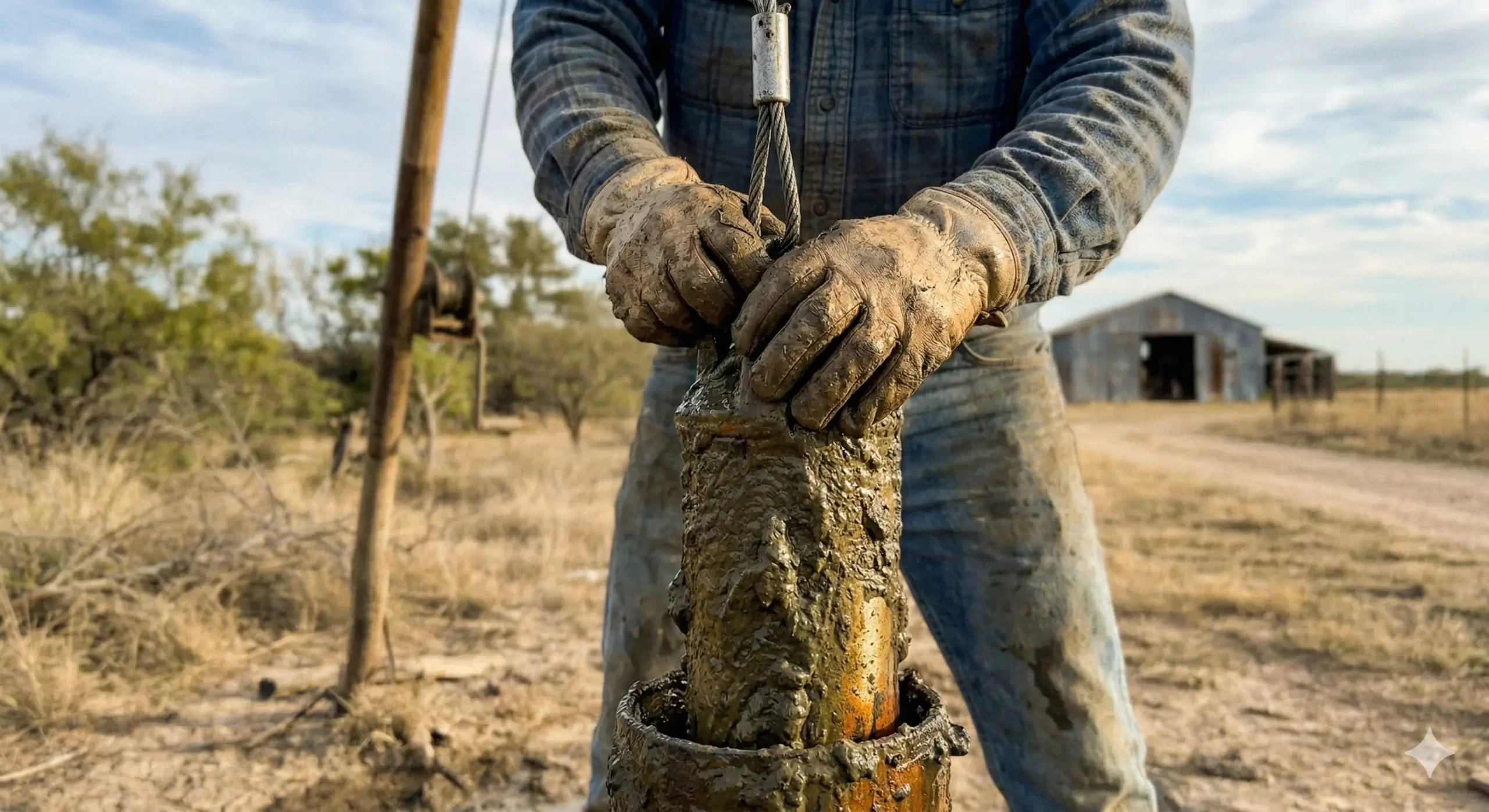
Local Idaho
Well Pros
Fast Local Service & Diagnostics
Calls are routed to a licensed local well professional.
Live Dispatch: Idaho
Updated Just Now⚠️ High demand. Call now to secure the next available technician.
Homeowner Feedback
“We live in the Treasure Valley and our well pressure kept dropping every time our massive lawn sprinklers kicked on. The tech from this network came out and upgraded our old system with a Franklin Electric Variable Frequency Drive (VFD) and a new pressure tank. Now we have incredible, constant city-like water pressure even when multiple showers and the irrigation system are running. Honest, fast, and didn’t try to overcharge us.”

Local Homeowner
✓ Verified ID
“In the dead of a brutal February sub-zero freeze in Coeur d’Alene, we completely lost water pressure. I assumed the expensive submersible pump was dead and panicked. The dispatcher was incredibly helpful, and the tech managed to get out to us despite the snowdrifts. He tested the electricals and found the pump was fine—our drop pipe had frozen solid right at the pitless adapter because of the extreme cold. They carefully thawed the line, replaced the damaged brass fitting, and heavily insulated the wellhead. Highly skilled professionals.”

Local Homeowner
✓ Verified ID
“We live near Idaho Falls, and right in the middle of summer when the potato farms turned on their pivots, our well started violently short-cycling and spitting air from the faucets. The crew arrived with a massive crane rig, pulled over 500 feet of pipe, and successfully lowered a brand new, sand-handling Goulds pump deeper into the basalt aquifer. They also installed a dry-run sensor to protect it from burning out next season. True Idaho groundwater experts.”

Local Homeowner
✓ Verified ID
Well Pump Intelligence AI: Idaho
Can iron bacteria slime clog my well pump intake screen?
Yes, Iron Bacteria Slime Can Absolutely Clog Your Well Pump Intake Screen.
As a Global Expert on water well systems, I can definitively confirm that iron bacteria are a very common and significant problem, particularly for homeowners. The slimy, reddish-brown or yellowish-brown deposits these bacteria produce are a primary culprit in reducing water flow, degrading water quality, and, critically, can severely restrict or completely clog your well pump's intake screen.
Iron bacteria are naturally occurring microorganisms found in many groundwater sources, including various geological formations prevalent in Idaho. They thrive by oxidizing dissolved iron (and sometimes manganese) in the water, converting it into a ferric precipitate that forms a sticky, gelatinous slime (biofilm). This slime adheres to the surfaces inside your well, including the well casing, pump, plumbing, and most importantly, the fine mesh of your well pump's intake screen.
The Mechanism of Clogging and Its Consequences
When iron bacteria slime accumulates on the intake screen, it acts like a filter, gradually reducing the effective open area through which water can enter your pump. This leads to several critical issues:
- Reduced Water Flow: As the screen clogs, less water can enter the pump, leading to noticeable drops in water pressure and flow throughout your home.
- Increased Pump Strain: Your well pump has to work harder and longer to draw the required amount of water, which significantly increases its energy consumption and puts undue stress on the motor and internal components.
- Premature Pump Failure: Prolonged straining due to a clogged screen can lead to overheating, worn bearings, and ultimately, premature failure of your well pump. This is a common cause of unexpected and costly pump replacements.
- No-Water Emergency: In severe cases, the intake screen can become so completely occluded that the pump can no longer draw water, resulting in a sudden and complete loss of water supply to your home.
- Water Quality Degradation: Beyond flow issues, the bacteria can impart unpleasant odors (rotten egg smell if sulfate-reducing bacteria are also present), tastes, and discoloration to your water.
Homeowner Maintenance and No-Water Emergency Prevention
Proactive maintenance is key to managing iron bacteria and preventing costly no-water emergencies:
- Regular Water Testing: Especially in Idaho, where groundwater chemistry can vary, have your water tested periodically for iron, manganese, and iron bacteria. This helps identify the problem early.
- Shock Chlorination (Well Disinfection): For existing problems, professional shock chlorination of your well can kill existing bacterial colonies. This involves introducing a strong chlorine solution into the well, allowing it to sit, and then flushing it out. This should ideally be performed by a qualified well contractor to ensure proper concentration and effective disinfection without damaging well components.
- Chemical Treatment: In some cases, specialized chemical treatments (e.g., acid treatments for severe buildup, or specific biocides) may be recommended by a professional. These are not DIY tasks.
- Physical Cleaning: For severe cases, a well contractor may need to mechanically brush the well casing and/or remove the pump for cleaning or replacement.
- Monitoring for Symptoms: Pay attention to any changes in water pressure, flow, taste, odor, or color. These are early warning signs that your well system may be experiencing issues.
- Annual Professional Inspection: Have a qualified well contractor in Idaho inspect your well system annually. They can identify potential issues before they become critical, check pump performance, and assess the condition of your well.
Well Pump Replacement and Pressure Tank Considerations
If your pump fails due to iron bacteria clogging, replacement will be necessary. It's crucial to understand that simply replacing the pump without addressing the bacterial issue will likely lead to the new pump experiencing the same fate within a relatively short period. When replacing a pump in a well with iron bacteria, your contractor should:
- Clean the Well: Thoroughly clean and disinfect the well casing and remove as much slime and sediment as possible before installing the new pump.
- Consider Pump Type: Discuss pump options with your contractor. While most submersible pumps are susceptible, some designs or materials might offer slight advantages, though the root problem remains the bacteria.
- Integrate a Long-Term Solution: Work with your contractor to establish a maintenance schedule or consider continuous treatment options (e.g., chlorine injection systems) if the problem is recurrent and severe.
Regarding your pressure tank, while iron bacteria slime doesn't directly clog the tank itself, the reduced flow from a clogged pump intake screen significantly impacts its operation. A pump struggling with reduced flow will cycle more frequently and for longer durations to maintain pressure in the tank. This increased cycling puts more wear and tear on the pump and the pressure tank's internal diaphragm, leading to a shorter lifespan for both components. Maintaining optimal flow from your well is essential for the longevity of your entire water system.
Local Relevance for Idaho Homeowners (2026)
Iron bacteria are a common challenge in many parts of Idaho due to varying geology and groundwater conditions. It's imperative to consult with local, licensed well drilling and pump service professionals who are familiar with the specific hydrogeology of your region within Idaho. They possess the expertise and specialized equipment to accurately diagnose the problem, implement effective cleaning and treatment strategies, and ensure your well system operates reliably. Ignoring the signs of iron bacteria can lead to significant inconvenience, costly repairs, and potential health concerns.
Do not wait for a complete water outage. If you suspect iron bacteria are affecting your well, contact a reputable Idaho well contractor immediately.
Expert Idaho Well System FAQ
Why is my well pump rapidly clicking on and off every few seconds?
This condition is called “short-cycling,” and it is an absolute emergency. It is almost always caused by a waterlogged pressure tank in your utility room or basement. Inside the tank is a rubber bladder filled with air. If that bladder tears, the tank fills entirely with water, eliminating the air cushion. Without that cushion, the pressure switch senses an immediate drop in pressure the second you open a tap, forcing the submersible pump to instantly turn on and off. You need to fix waterlogged pressure tank issues immediately before the pump motor burns out.
My well started pumping air and sputtering in the summer. Is the well drying up?
In Eastern and Southern Idaho, pumping air (sputtering faucets) during the summer is a critical emergency. It usually means the massive agricultural irrigation surrounding you has temporarily dropped the static water level in the aquifer below your pump’s intake. When the pump sucks air (cavitation), it loses its ability to cool itself and will literally melt its own motor within hours. You must shut the circuit breaker off immediately! A licensed contractor can perform a sonic test to determine if your pump can be safely lowered deeper into the casing.
Why did my well pump stop working during a deep Idaho freeze?
In sub-zero mountain and Panhandle winters, the most common issue is that the water inside the upper casing or the pipe leading to your house has frozen solid. This usually happens if the pitless adapter (which connects the well pipe to your house below the deep 4-to-6-foot frost line) fails, or if a well cap leaking allowed freezing air to enter the shaft. When the pipe freezes, the pump tries to push water against a solid block of ice, which will instantly blow the circuit breaker or burn out the pump motor. You need a technician to safely thaw the lines.
Can I legally pull and replace my own deep well pump in Idaho?
It is highly discouraged and heavily regulated by state law. Under the strict rules of the Idaho Department of Water Resources (IDWR), significant modifications to a well casing, abandonment, or the pulling and installation of a deep submersible pump should be executed by a licensed Well Driller or Pump Installer. DIY repairs on deep wells are incredibly dangerous—often involving hoisting hundreds of pounds of steel pipe. Furthermore, improper sealing after a DIY job can contaminate the aquifer with agricultural runoff, leading to severe state fines, massive liability, and potential loss of your water rights.
Fast Local Service & Diagnostics
Calls are routed to a licensed local well professional.
Septic System Services in Idaho
Do you have a septic tank on your property? Proper maintenance is critical to protecting your well water quality.