
Emergency Well Pump Repair in Oregon
From the rain-soaked, densely forested communities of the Pacific Coast and the fertile agricultural expanses of the Willamette Valley, to the arid, volcanic high deserts of Central and Eastern Oregon, over 350,000 households rely completely on private groundwater systems. The Beaver State presents an incredibly diverse and hostile environment for water well infrastructure. The Cascade Range physically divides the state’s groundwater challenges: western properties constantly battle flooded wellheads from atmospheric rivers and winter storms, while eastern homes must extract water from impenetrable, deep basalt rock amidst severe, multi-year droughts and catastrophic summer wildfires. Whether you are dealing with a melted control box after a rolling blackout in Bend, a flooded shallow well in Newport, or a heavy submersible pump completely choked by volcanic grit in Pendleton, our elite network of OWRD-licensed well technicians is on standby. We deliver rapid, highly specialized emergency well pump repair near you to secure your home’s most essential utility against the unpredictable extremes of the Pacific Northwest.
Fast Local Service & Diagnostics
Calls are routed to a licensed local well professional.
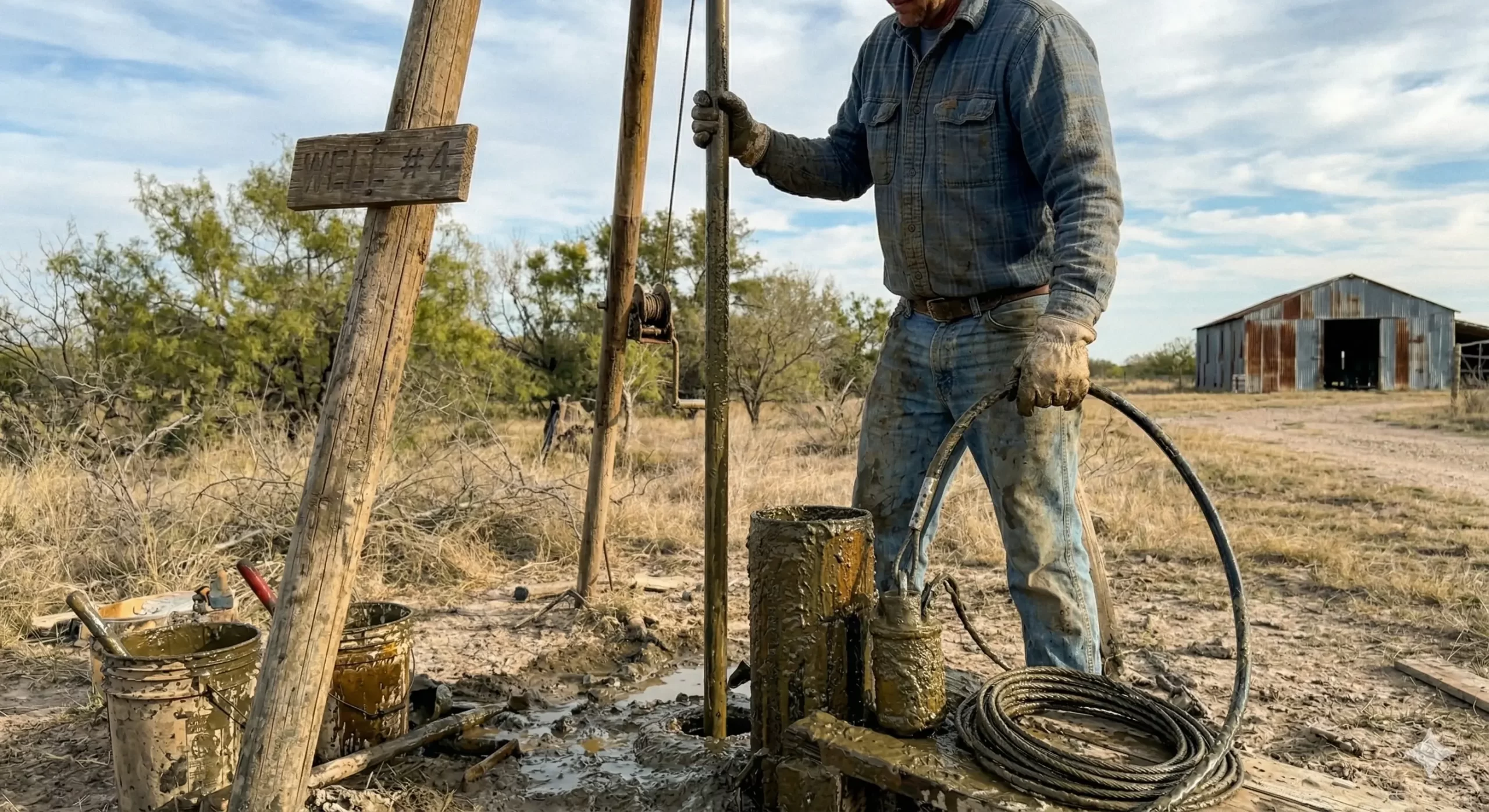
Well Pump Repair in
Oregon
Oregon Well Service Costs & Stats
Despite its abundance of rivers and lakes, Oregon is supported by over 350,000 active private water wells serving nearly a million residents. Because municipal water grids cannot feasibly expand into the state’s vast agricultural tracts or the rugged high desert, decentralized groundwater is the absolute lifeblood of rural communities. The mechanical integrity and biological safety of these systems are fiercely monitored by state environmental and health agencies to protect the state’s fragile aquifers from over-drafting and contamination.
- Volcanic Basalt Extraction: Replacing a deep submersible well pump in Eastern or Central Oregon often means pulling water-filled pipes from 400-800+ feet of solid Columbia River Basalt. This labor-intensive commercial operation drives replacement costs to $2,400 – $4,900+.
- Coastal Jet Pump Repairs: In the sandy soils of the Oregon Coast, shallow well jet pump repair is highly common. Repairing or replacing these above-ground units is generally more affordable, ranging from $300 to $850.
- Arsenic & Filtration Upgrades: Oregon’s volcanic geology is notorious for naturally occurring arsenic. A submersible pump repair service often involves upgrading complex reverse-osmosis or specialized filtration modules, adding $500 – $1,500 to a project.
- Pressure Tank Upgrades: A damp Pacific Northwest basement or garage rapidly degrades standard steel tanks. To fix waterlogged pressure tank issues permanently and stop pump short-cycling, installing a premium fiberglass tank averages $600 – $1,400.
- Wildfire & Surge Protection: Wildfires and severe winter storms frequently cause power grid surges. Replacing a fried control box capacitor or performing a water pump replacement house pressure switch fix is an incredibly common diagnostic repair, averaging $260 – $500.
- Constant Pressure Systems (VFDs): Upgrading a traditional system to a Variable Frequency Drive (VFD) for “city-like” constant pressure is the modern standard for large suburban estates in the Willamette Valley, costing $1,500 – $3,400.
56°F in Oregon
Save $700+ on Replacements
Via the OR Sustainable Water Pump Rebate
Average Well Pump Repair Costs by Oregon Region (2026)
Pricing across Oregon is heavily dictated by regional geography. Pulling a submersible pump from an 800-foot basalt well in Pendleton requires vastly heavier machinery and labor than servicing a shallow surface jet pump on the sandy coast of Coos Bay.
| Region / Major Cities | Aquifer & Avg. Depth | Minor Repair (Switches, Tanks) | Pump Replacement (Parts + Labor) |
|---|---|---|---|
| Willamette Valley Portland Metro, Salem, Eugene | 100 – 350 ft Alluvial Fill / Shallow Bedrock | $260 – $480 | $1,800 – $3,800 |
| Central Oregon & High Desert Bend, Redmond, Prineville | 300 – 800+ ft Fractured Basalt (Wildfire Zone) | $300 – $550 | $2,800 – $4,900+ |
| Eastern Oregon Pendleton, Hermiston, La Grande | 400 – 1,000+ ft Deep Columbia River Basalt | $320 – $600 | $3,200 – $5,500+ |
| Southern Oregon Medford, Grants Pass, Ashland | 150 – 450 ft Mixed Sedimentary & Volcanic Rock | $250 – $450 | $2,200 – $4,000 |
| Oregon Coast Astoria, Newport, Coos Bay | 40 – 150 ft Coastal Sand (Jet Pump Territory) | $220 – $400 | $800 – $2,600 |
Groundwater Threat Level
Current aquifer and mineral impact on pumps in Oregon.
Dropping water tables cause pumps to suck air and overheat.
Hard water calcifies pump impellers, reducing lifespan.
Pump Lifespan Estimator
Select household size in Oregon to see strain impact.
The Cost of Ignoring Symptoms
Fixing a short-cycling pump early saves thousands in OR.
Data reflects average well contractor estimates in Oregon.
Groundwater & Aquifers
The primary groundwater sources in Oregon include the The Columbia River Basalt Group (Eastern/Central), the Willamette Lowland basin-fill aquifers, and the Coastal sand/gravel aquifers.. Drilling through the local Impenetrable volcanic basalt, deep alluvial clay/loam in the valleys, and porous coastal sands. means that average well depths range from Drastically split: 50-150 feet in the coastal and valley alluvial soils, plunging to 300-1,000+ feet in the eastern volcanic bedrock..
Due to these geological factors, local homeowners frequently struggle with Pump impellers physically ground down by abrasive volcanic grit, and control boxes fried by lightning and rolling power outages..
Drilling Depth Comparison
Deeper wells require heavy-duty crane hoists for pump extraction.
Climate & Water Quality
Pump systems in Oregon face severe environmental stressors. The most significant threat is Catastrophic summer wildfires melting surface equipment, atmospheric rivers flooding wellheads, and severe, multi-year droughts dropping static water tables.
Additionally, the raw groundwater often presents issues with Naturally occurring arsenic (a severe statewide hazard), high iron/manganese, agricultural nitrates, and coastal saltwater intrusion..
Regional Groundwater Advisory
Known primary contaminant threat to submersible pumps and pipes in this area:
Common Well Systems
VFD Upgrade Savings
Constant Pressure vs StandardReplacing a standard single-speed pump with a Variable Frequency Drive (VFD) eliminates hard starts and drastically reduces energy draw in Oregon.
Compliance & Authority
Top Pump Brands in Oregon
Most frequently installed hardware based on local geology (2026 data).
Standard OR Technician Diagnostic Checklist
Because pulling a pump from 800 feet of solid basalt is a massive, expensive commercial operation, our certified contractors follow a stringent diagnostic protocol to rule out above-ground electrical, wildfire damage, and pressure tank issues before resorting to an extraction:
- Electrical & Amp Draw Audit: Using a multimeter at the control box to check the voltage and amperage draw, looking specifically for a shorted motor or a blown capacitor caused by grid surges.
- Pressure Tank Bladder Calibration: Draining the system completely to test the internal tank bladder for ruptures, and adjusting the air pre-charge to exactly match the pressure switch settings to prevent rapid cycling.
- Static Water Level Sonic Test: Using specialized sonic equipment to measure exactly how far the water table has dropped to see if the pump is cavitating (sucking air) or needs to be lowered.
- Sanitary Seal & Flood Check: Visually inspecting the wellhead casing to ensure it meets OWRD height requirements and is tightly sealed against torrential storm flooding and insect intrusion.
- Switch & Contactor Cleaning: Inspecting the mechanical water well pressure switch replacement contacts, which frequently pit from electrical surges or become coated with dampness and dust.
- Grit & Sediment Assessment: Evaluating the water flow for abrasive volcanic grit, which dictates if the well needs to be flushed or if an advanced sediment filtration system is required.
- Transparent Code Review: Providing a complete, upfront breakdown of a well casing repair cost or pump replacement, ensuring all modifications adhere strictly to local County Health Department and OWRD regulations.
Top Well Pump Brands Serviced in Oregon
Oregon’s diverse geology—from coastal sand to deep volcanic basalt—requires the absolute toughest, high-torque hardware available. Our licensed technicians are fully equipped to install and repair the industry’s most resilient brands:
- Grundfos: The undeniable gold standard for the Pacific Northwest. Their ultra-efficient SQE series and constant pressure VFDs are perfectly engineered for both deep basalt extraction and affluent Willamette Valley estates.
- Franklin Electric: The absolute industry leader for deep-well submersible motors, heavy-duty control boxes, and advanced drive systems engineered to survive power grid surges and severe depths.
- Goulds Water Technology: Famous for manufacturing incredibly tough stainless steel and cast iron submersible pumps capable of surviving abrasive silt and extreme deep-well pressures in Central Oregon.
- Amtrol (Well-X-Trol): The premium choice for indoor hydro-pneumatic pressure tanks. Their thick steel casings and robust bladders are essential for surviving damp, humid Oregon coast climates.
- Sta-Rite (Pentair): The dominant brand across the Oregon Coast, famous for their incredibly durable, cast-iron shallow well jet pumps and centrifugal setups.
- Flint & Walling: Renowned for their high-capacity submersible pumps and dependable pressure-boosting systems, heavily utilized in multi-story hillside properties.
- Berkeley (Pentair): Widely relied upon for powerful, high-capacity centrifugal pumps and agricultural irrigation systems in the arid plains of Eastern Oregon.
Critical Warning Signs Your OR Well Pump is Failing
Between brutal winter freezes in the Cascades, catastrophic wildfires, and the extreme depths of Eastern Oregon aquifers, pump systems in Oregon endure incredible stress. Ignoring early symptoms almost always guarantees a complete loss of water and a severely expensive emergency. Watch closely for these 7 critical warning signs:
- Pumping Silt or Black Grit: A terrifying sign in Central and Eastern OR. It means the water table has dropped and the pump is sucking volcanic basalt grit from the bottom of the casing, which will destroy the impellers in a matter of days.
- Rapid Clicking in the Garage: Hearing the pressure switch violently click on and off every few seconds means you urgently need to fix a waterlogged pressure tank before the pump motor burns out entirely.
- Complete Loss of Water in Winter: A sudden outage during a freezing winter storm in the High Desert usually indicates a failed pitless adapter, or that the underground pipe wasn’t buried deep enough below the frost line.
- Sputtering Faucets (Air in Lines): On the Coast with shallow wells, this indicates the jet pump is losing its prime due to a failing foot valve or a cracked underground suction line.
- Muddy Water After an Atmospheric River: If your water turns brown after severe Pacific Northwest rains, your wellhead was likely submerged, and surface water is pouring directly into your drinking supply. Stop drinking immediately!
- Unexplained High Electric Bills: An aging pump struggling against a dropping water table, or a pump that never shuts off due to an underground leak, will draw massive amounts of electricity.
- Tripping the Dedicated Circuit Breaker: If the well pump breaker in your electrical panel repeatedly trips, the motor is either shorted out, locked up with sediment, or the underground wiring has degraded.
Real Estate Regulations & Inspections
- Rigorous Yield & Drawdown Test: Measuring the exact Gallons Per Minute (GPM) to verify the well can support a modern family without the pump running dry—a critical check in the deep, low-yield basalt wells of Central and Eastern OR.
- Winterization & Pitless Audit: Using downhole cameras in the high desert regions to ensure the pitless adapter is fully sealed below the frost line to prevent catastrophic winter freezing.
- Basement Pressure System Check: Evaluating the indoor hydro-pneumatic tank for deep rust and waterlogging, and ensuring the pressure switch is perfectly calibrated to prevent motor short-cycling.
- Electrical & Amp Draw Analysis: Testing the submersible motor’s amperage to detect hidden wear or heat damage caused by pulling water up massive vertical inclines or fighting volcanic grit.
The second phase is strict legal compliance with the OHA (ORS 448.271) water testing mandates. The legally required panel includes:
- Arsenic Testing (Mandatory): Naturally occurring arsenic is a severe, widespread health hazard in Oregon’s volcanic bedrock and is strictly required to be tested during a real estate sale.
- Coliform Bacteria (Mandatory): Absolutely essential, especially in the rainy Willamette Valley, to confirm that the well casing hasn’t been breached by flooding or a failing nearby septic system.
- Nitrate Panels (Mandatory): Required statewide, but particularly critical in the heavily agricultural Willamette and Columbia basins to detect dangerous fertilizer leaching.
- Iron, Hardness & Chloride Testing (Recommended): Assessing the need for water softeners or verifying that coastal properties are not suffering from saltwater intrusion.
Executing this rigorous due diligence is the only way to ensure your new Oregon property is legally transferable and provides a safe, powerful water supply.
⚠️ Oregon Regulatory Warning: Abandoned Wells
- Licensed Sealing Only: Abandonment must be executed strictly by an OWRD-licensed Water Well Constructor, using state-approved neat cement or bentonite grout from the bottom up.
- State OWRD Reporting: A formal Water Well Abandonment Report must be filed with the OWRD within 30 days of the decommissioning process to officially clear the property’s record.
- Casing Removal Protocol: State guidelines typically require the top portion of the steel or PVC casing to be physically cut off below the surface grade before the area is safely backfilled.
- Mandatory Sanitary Caps: All active wells must be fitted with an OWRD-approved, vermin-proof, overlapping sanitary well cap to prevent insects and surface storm water from entering the shaft.
Furthermore, when drilling a new well or executing a well and septic repair near me, the state and local county health departments enforce uncompromising sanitary setback distances:
- Septic Tanks & Drain Fields: A potable water well must maintain an absolute minimum setback of 100 feet from any septic drain field, and 50 feet from a septic tank.
- Sewer Lines & Drains: A strict distance of 50 feet is mandated from non-watertight sanitary sewer lines.
- Property Boundaries: Setbacks from property boundaries are strictly enforced to protect neighboring water rights and utility access.
- Surface Water Bodies: Wells must be heavily distanced from rivers, lakes, and the Pacific coastline to prevent direct surface water and saltwater contamination.
Navigating this incredibly complex web of OWRD regulations requires hiring a highly experienced, regionally knowledgeable water well professional.
Spring Well Maintenance in Oregon
Heavy spring rains can cause surface runoff to breach well caps. We strongly recommend testing your water for coliform bacteria and inspecting the sanitary seal.
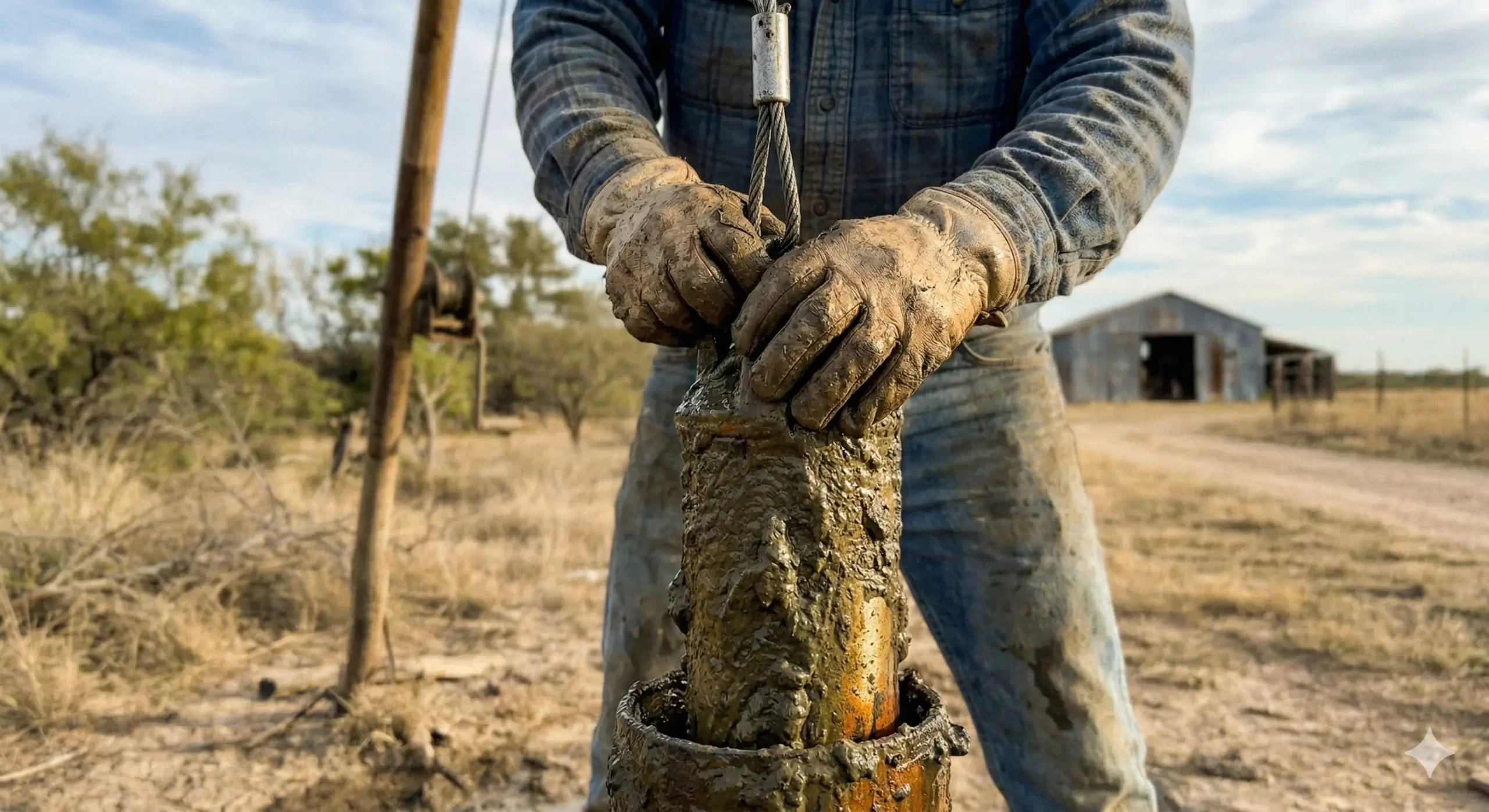
Local Oregon
Well Pros
Fast Local Service & Diagnostics
Calls are routed to a licensed local well professional.
Live Dispatch: Oregon
Updated Just Now⚠️ High demand. Call now to secure the next available technician.
Homeowner Feedback
“During a brutal winter storm in Bend, we completely lost water pressure. I assumed the expensive submersible pump was dead and panicked. The dispatcher was incredibly helpful, and the tech managed to get out to us despite the snow. He tested the electricals and found the pump was fine—our drop pipe had frozen solid right at the pitless adapter because of the extreme cold. They carefully thawed the line, replaced the damaged brass fitting, and heavily insulated the wellhead. Honest, fast, and highly skilled.”

Local Homeowner
✓ Verified OR
“Our garage pressure switch kept clicking like a machine gun every time we flushed a toilet in our Eugene home, and the water pressure dropped to a trickle. The tech from this network came out and immediately diagnosed a completely waterlogged pressure tank. The internal bladder had torn. They swapped it out for a massive, high-quality Well-X-Trol tank in under two hours. The water pump replacement house pressure is better than when we moved in!”

Local Homeowner
✓ Verified OR
“We run an agricultural property near Pendleton, and our well started violently short-cycling and spitting black silt. We knew the water table had dropped due to the drought. The crew arrived with an enormous commercial crane rig, pulled over 700 feet of pipe out of the basalt, and successfully lowered a brand new, high-efficiency Grundfos pump deeper into the aquifer. They literally saved our entire property. Absolute Eastern Oregon groundwater experts.”

Local Homeowner
✓ Verified OR
Well Pump Intelligence AI: Oregon
What is the bladder inside a well pressure tank made of?
Understanding the Heart of Your Well Pressure Tank: The Bladder Material
As a global expert deeply familiar with groundwater systems and well infrastructure, I can definitively tell you that the bladder inside a modern residential well pressure tank is predominantly made from high-quality, synthetic rubber compounds. The two most common and reliable materials you'll find are:
- Butyl Rubber: This is the most prevalent material. Butyl rubber is highly flexible, durable, impermeable to air, and maintains its properties over a wide range of temperatures and pressures. Critically, it is also resistant to chemicals often found in well water, such as chlorine, and is typically NSF/ANSI 61 certified for potable water applications, ensuring it's safe for drinking water.
- EPDM (Ethylene Propylene Diene Monomer) Rubber: EPDM is another excellent choice, offering similar benefits to butyl rubber, including good flexibility, resilience, and resistance to water and temperature fluctuations. Like butyl, EPDM used in pressure tanks is food-grade and certified safe for drinking water.
The selection of these materials is crucial for the efficient and safe operation of your well system. They are chosen for their ability to withstand constant flexing, maintain an airtight seal, and remain inert when in contact with potable water over many years of service.
Why the Bladder Material Matters for Your Oregon Homeowner
For homeowners in Oregon, understanding the bladder's role and its construction is key to effective well system maintenance and preventing costly emergencies:
- Functionality & Longevity: The primary function of the bladder is to separate the air cushion from the water supply within the tank. This prevents the air from being absorbed into the water, which would lead to a "waterlogged" tank and constant cycling of your well pump. High-quality bladder material ensures this separation is maintained effectively for the tank's lifespan, typically 5-10 years or more with proper maintenance.
- Preventing No-Water Emergencies: A failing bladder (often due to material degradation, cracking, or punctures over time) is a leading cause of well pump short-cycling. When the bladder fails, the pump runs too frequently, causing excessive wear and tear on the motor and controls. This can lead to premature pump failure, leaving you without water. Regular checks of your pressure tank's air charge are vital – if you release air from the valve and water comes out, your bladder has failed, and the tank needs replacement to prevent a no-water emergency.
- Well Pump Replacement & Efficiency: A healthy bladder and properly pressurized tank significantly extend the life of your well pump. By allowing the pump to run for longer cycles and rest for longer periods, it reduces stress on the motor and starting components. If your pump is short-cycling, and you suspect a tank issue, addressing it promptly can save you from an expensive well pump replacement.
- Homeowner Maintenance: While you won't be replacing the bladder itself (most residential tanks are sealed units where the bladder isn't individually replaceable – the entire tank is swapped out), proper maintenance involves regularly checking and adjusting the tank's air pre-charge. This pre-charge should be set slightly below the pump's cut-in pressure (e.g., 2 psi below). This simple task ensures the bladder operates within its optimal range, maximizing its lifespan.
- Local Relevance for Oregon: Given Oregon's diverse geology and reliance on private wells in many rural and suburban areas, a reliable well system is paramount. Ensure that any replacement pressure tank purchased meets NSF/ANSI 61 standards for potable water and is sized correctly for your home's water demand. Consult with local, reputable well drillers or pump service technicians in Oregon for precise sizing, installation, and troubleshooting, as they understand regional specifics.
In summary, the bladder's robust synthetic rubber construction is a critical component ensuring your well system provides consistent, reliable water pressure while protecting the longevity of your valuable well pump. Regular maintenance and prompt attention to signs of bladder failure will save you significant headaches and costs down the line.
Expert Oregon Well System FAQ
Why is my well pump rapidly clicking on and off every few seconds?
This condition is called “short-cycling,” and it is an absolute emergency. It is almost always caused by a waterlogged pressure tank in your damp Oregon basement or utility room. Inside the tank is a rubber bladder filled with air. If that bladder tears, the tank fills entirely with water, eliminating the air cushion. Without that cushion, the pressure switch senses an immediate drop in pressure the second you open a tap, forcing the submersible pump to instantly turn on and off. You need a well pressure tank replacement immediately before the pump motor burns out.
My well started pumping mud and air. Is the well drying up?
In Oregon (especially the High Desert), pumping air (sputtering faucets) or heavy volcanic grit is a critical emergency. It usually means the static water level in the aquifer has dropped below the pump’s intake due to drought conditions or over-pumping in your area. When the pump sucks air (cavitation), it loses its ability to cool itself and will literally destroy its own motor within hours. You must shut the circuit breaker off immediately! A licensed contractor can perform a sonic test to determine if your pump can be safely lowered deeper into the casing.
Why did my water turn muddy after heavy Pacific Northwest rains?
If your water turns brown or muddy after a torrential atmospheric river or heavy rainfall in Western Oregon, it is a massive red flag. It indicates that surface water is bypassing the natural filtration of the earth and pouring directly into your well. This is usually caused by a cracked steel casing, a failed sanitary well cap, or a broken pitless adapter underground. You must stop drinking the water immediately and call a contractor to perform a downhole camera inspection to locate the breach.
Can I legally pull and replace my own deep well pump in Oregon?
It is highly discouraged and strictly regulated. Under the Oregon Water Resources Department (OWRD) regulations, significant modifications to a well casing, well abandonment, or the pulling and installation of a deep submersible pump should be executed by a licensed Water Well Constructor. DIY repairs on deep wells are incredibly dangerous—often involving hoisting thousands of pounds of steel pipe. Furthermore, improper sealing after a DIY job can contaminate the aquifer with surface water, leading to potential OWRD fines, massive liability, and issues passing the mandatory OHA real estate water tests.
Fast Local Service & Diagnostics
Calls are routed to a licensed local well professional.
Septic System Services in Oregon
Do you have a septic tank on your property? Proper maintenance is critical to protecting your well water quality.