

If you live in the South, you know exactly what happens to your yard after a heavy spring rain. The ground doesn't just get wet; it transforms into a sticky, dense, impermeable layer of muck that takes days to dry. Locals call it "gumbo clay." But while this incredibly dense soil is fantastic for growing sugarcane or holding the foundation of a house, it is the absolute worst enemy of a private septic system.
A septic drain field relies on one fundamental physical property: porosity. The soil must have microscopic pockets of air to allow treated wastewater (effluent) to trickle downward into the earth. When your property is built on expansive clay, those pockets of air simply do not exist.
Instead of absorbing water, clay creates a subterranean bathtub. And when that bathtub fills up, your entire plumbing system comes to a grinding, disastrous halt. In this comprehensive engineering guide, we are going to break down the exact science of why clay destroys traditional drain fields, how regional soil laws in states like Louisiana dictate the type of system you must use, and the specific mechanical interventions—and pumping schedules—required to keep your home's plumbing from becoming a bio-hazard.
- 1. The Science of Percolation: Sand vs. Clay
- 2. Why Louisiana’s "Gumbo Clay" is the Ultimate Test
- 3. The Threat of Hydraulic Lock & Biomat Choking
- 4. Regional Contrast: Texas Clay vs. Florida Sand
- 5. The Mechanical Fix: Why You Need an ATU
- 6. The Ultimate Defense: Proactive Pumping
- 7. Comparing Maintenance Costs by System Type
1. The Science of Percolation: Sand vs. Clay
To understand the problem, we have to look at soil at a microscopic level. The efficiency of a drain field is measured by its Percolation Rate (Perc Rate). This is determined by a test that measures how many minutes it takes for one inch of water to drop in a test hole (Minutes Per Inch, or MPI).
- Sandy Soils (1 - 15 MPI): Sand particles are large and irregular. When stacked together, they leave massive void spaces (macropores) between them. Water rushes through sand incredibly quickly. It is ideal for rapid septic drainage.
- Loamy Soils (15 - 45 MPI): A perfect mix of sand, silt, and a little clay. It drains water effectively while holding onto it long enough for the natural soil bacteria to purify the effluent.
- Heavy Clay Soils (60 - 120+ MPI): Clay particles are microscopically small and flat, like tiny sheets of paper. When they stack together, there is virtually no space between them. Worse, clay is hydrophilic (it attracts and holds water). When it gets wet, it swells, squeezing shut any remaining microscopic pores.
If you bury a standard perforated PVC pipe in heavy clay and try to pump 300 gallons of wastewater into it every day, the water will simply sit in the trench. Eventually, it will push upward, creating a smelly swamp in your yard, or push backward, causing your toilets to overflow.
2. Why Louisiana’s "Gumbo Clay" is the Ultimate Test
There are few places in the United States where the soil is more hostile to traditional septic systems than the Gulf Coast, specifically Acadiana. To understand the broader context of wastewater management in this state, check out our comprehensive guide to septic services and regulations in Louisiana.
In Louisiana, the soil is heavily influenced by centuries of alluvial deposits from the Mississippi River and local bayous. This coastal clay—affectionately (or frustratingly) called "gumbo clay" by the locals—is incredibly sticky and completely impermeable when saturated.
Real-World Examples:
If you live in smaller communities outside the main municipal sewer grids, this soil dictates your daily life. For instance, homeowners requiring routine septic pumping in Scott, LA, often find that their systems reach maximum capacity far faster than homes in other states. Because the soil cannot absorb the effluent quickly, the tank stays artificially full. Similarly, residents looking for septic services in Rayne, LA, are frequently forced to pump their tanks every 1.5 to 2 years, rather than the standard 3-5 years, simply to relieve the hydraulic pressure caused by the unyielding clay.
During heavy spring rains, the water cannot soak deep into the clay. Instead, it sits directly on top of the clay pan, just inches below the grass. This is called a "perched water table." If your drain field is buried here, it is completely submerged in groundwater and cannot accept a single drop of wastewater from your house.
3. The Threat of Hydraulic Lock & Biomat Choking
When a standard gravity drain field is installed in clay, it faces two guaranteed causes of death.
The first is Hydraulic Lock. This happens during periods of heavy rain. The clay expands and the trenches fill with groundwater. Because water cannot be compressed, when you flush your toilet, the water in the pipe hits a solid wall of groundwater. The system is "locked," and the sewage violently backs up into the lowest drain in your house.
The second is Biomat Choking. In a healthy drain field, a thin, slimy layer of bacteria (the biomat) forms where the gravel meets the soil. These bacteria eat the pathogens in the wastewater. However, these bacteria are aerobic (they need oxygen to survive). Because dense clay holds water constantly and blocks air flow, the aerobic bacteria suffocate and die. They are replaced by anaerobic bacteria, which produce a thick, black, tar-like slime that permanently waterproofs the trench walls. The drain field is now dead.
Water Absorption Speed by Soil Type (Percolation Rate)
This chart illustrates the drainage capacity of different soil profiles. The slower the drainage, the higher the risk of total system failure.
4. Regional Contrast: Texas Clay vs. Florida Sand
It helps to contrast Louisiana’s soil with other regions to understand why different engineering solutions are mandated by law.
Texas (Expansive Montmorillonite Clay):
Similar to Louisiana, if you need septic services in Texas, you are dealing with clay. However, Texas clay is highly expansive. In the dry, brutal summers, the clay shrinks and cracks, creating massive fissures in the earth. This shifting ground can physically snap PVC pipes and crack concrete tanks in half. Then, when the rains return, the clay swells shut, instantly creating hydraulic lock.
Florida (Sand & High Aquifers):
On the completely opposite end of the spectrum, homeowners looking for septic pumping in Florida deal with loose, fast-draining sand. The problem here isn't that the water won't drain; it's that it drains too fast. The effluent rushes through the sand before the soil bacteria have time to clean it, leading to the contamination of Florida's fragile, high-water-table aquifers.
Why Gumbo Clay Is Destroying Your Septic Drain Field And How To Fix It Septic Expert AI
5. The Mechanical Fix: Why You Need an ATU
If you live in clay soil, a traditional gravity drain field is a ticking time bomb. The modern, legally mandated solution in these regions is the Aerobic Treatment Unit (ATU).
An ATU is essentially a miniaturized municipal sewage plant buried in your yard. Instead of relying on the clay soil to treat the wastewater, the ATU treats the water inside the tank. Here is how it bypasses the clay problem:
- The Trash Tank: Wastewater enters a primary chamber where heavy solids settle.
- The Aeration Chamber: An electric compressor pumps massive amounts of oxygen into the water. This allows oxygen-breathing bacteria to aggressively digest the waste, breaking it down far more thoroughly than a traditional tank.
- The Clarifier: The water settles, and any remaining microscopic solids drop out.
- Disinfection & Spray: The heavily treated, highly clarified effluent passes through a chlorinator or UV light. Because the water is now technically clean and safe, it is pumped into a surface spray field (sprinkler heads on your lawn) rather than being forced underground into the stubborn clay.
ATUs solve the clay problem, but they introduce a new challenge: Maintenance. ATUs have moving parts, electric motors, and require continuous chemical treatment.
6. The Ultimate Defense: Proactive Pumping
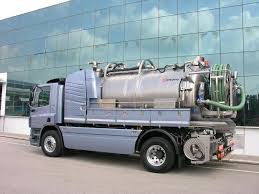
Whether you have a legacy gravity system fighting against the clay, or a complex ATU system spraying your lawn, the absolute baseline of survival is routine vacuum pumping.
If you allow the sludge layer in your tank to grow too high, the thick, solid waste will escape into your distribution pipes or your ATU pump chamber. Solids will instantly clog a clay trench, and they will immediately destroy the delicate, expensive electric pumps inside an ATU.
To understand the financial baseline for maintaining these systems, you must review the standard 1000 gallon septic tank pumping cost. Furthermore, because mechanical ATUs often cost more to service than simple gravity tanks, be sure to study our comprehensive guide to 2026 septic pumping costs to prepare your household budget.
7. Comparing Maintenance Costs by System Type
👉 Swipe right to view full table 👉| System Type | Soil Suitability | Routine Pumping Cost | Annual Maintenance Needs | Replacement Cost |
|---|---|---|---|---|
| Standard Gravity | Sand / Loam (Fails in Clay) | $300 - $550 (Every 3-5 Years) | Very Low (Visual checks only) | $5,000 - $10,000 |
| Aerobic (ATU) | Perfect for Heavy Clay | $400 - $650 (Every 2-3 Years) | High (Motor checks, Chlorine refills) | $12,000 - $20,000+ |
| Mound System | High Water Table / Shallow Rock | $350 - $600 (Every 3 Years) | Moderate (Pump station checks) | $15,000 - $25,000+ |
Conclusion: Don't Fight the Soil
You cannot change the geology of your property. If your home is built on heavy, alluvial gumbo clay, you must adapt your wastewater management strategy to match the environment.
Understanding that your soil absorbs water slowly means you must be militant about water conservation during heavy rainstorms, strictly avoid putting grease or harsh chemicals down the drain, and never skip a scheduled pump-out. By staying proactive, you can keep your system functioning flawlessly, regardless of what lies beneath the grass.
Is Your Yard Saturated?
If you have slow drains, gurgling pipes, or a squishy lawn, your system is suffering from hydraulic lock. Relieve the pressure immediately. Connect with top-rated, independent local septic professionals to pump your tank dry today.