
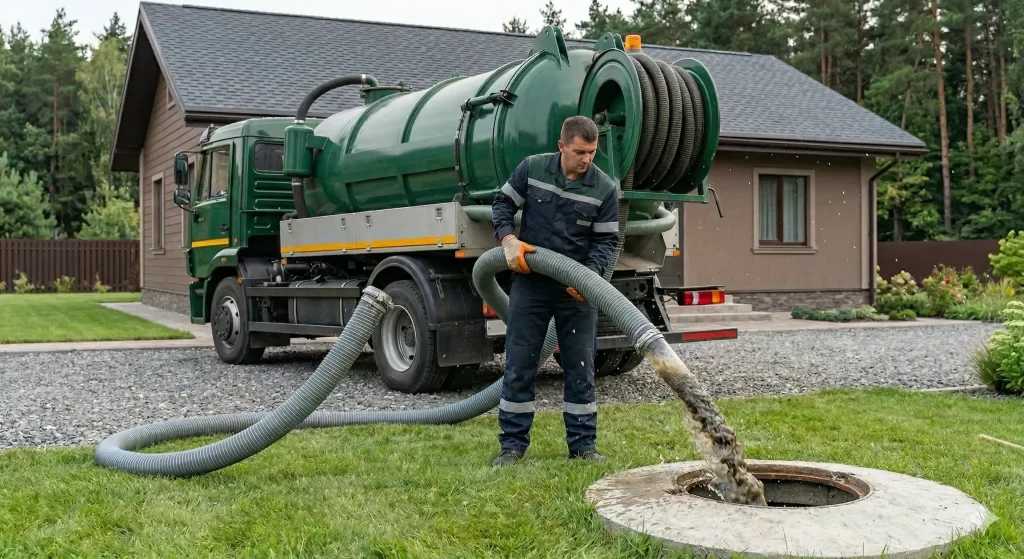
Every time you flush your toilet, you are making a decision that directly impacts the lifespan of one of the most expensive systems in your home. For the millions of Americans relying on decentralized wastewater treatment, a septic tank is not a magical portal where waste simply disappears. It is a highly sensitive, living biological ecosystem.
While homeowners often obsess over avoiding bleach, harsh chemical drain cleaners, or grease, they frequently overlook the single most abundant solid item entering their tank every single day: toilet paper. The type, brand, and ply-count of the toilet paper you use dictates how rapidly your sludge layer accumulates, how hard your anaerobic bacteria have to work, and ultimately, how often you will be forced to pay for a professional pump-out.
Using the wrong toilet paper—especially ultra-plush, quilted varieties or the dreaded "flushable" wipes—can accelerate systemic failure. This is a critical reality whether you are navigating the shallow limestone water tables requiring frequent Florida septic pumping, or dealing with the expansive, easily compacted clay soils managed by Texas septic experts.
In this massive, expertly reviewed guide, we will dissect the anatomy of toilet paper, reveal the gold-standard brands for septic health in 2026, explain how to test your current brand at home, and break down the exorbitant financial cost of flushing the wrong materials.
Guide Contents
The Science: What Makes TP "Septic Safe"?
To understand why certain brands are better than others, you must understand what happens inside the dark, oxygen-free environment of your septic tank. When waste enters the tank, it separates. Heavy solids sink to form the sludge layer, while fats, oils, and greases (FOG) float to the top to form the scum layer. The relatively clear water in the middle (effluent) flows out to your drain field.
Toilet paper is composed primarily of cellulose fibers derived from wood pulp or recycled paper. When these fibers enter the tank, naturally occurring anaerobic bacteria begin to consume and break them down. However, the speed at which this happens depends entirely on the paper's design.
A truly "septic safe" toilet paper is engineered for rapid dissolution. It should break apart into a cloudy mush within seconds or minutes of agitation in water. If the paper resists breaking down (due to thick plies, strong binders, or lotion infusions), it sinks to the bottom completely intact. This rapidly builds the sludge layer, artificially shrinking the tank's liquid capacity and drastically increasing the frequency of required pumping.
The Mason Jar Dissolve Test (DIY)
You do not have to rely blindly on marketing labels. Many manufacturers slap "Septic Safe" on their packaging simply because the paper will physically make it through the toilet trap. You can test the biological viability of your current toilet paper right now in your kitchen.
The 4-Step Dissolve Test:
- Take a large, clear glass jar (like a Mason jar) and fill it three-quarters full with room-temperature tap water.
- Take 3 to 4 squares of your current toilet paper and drop them into the water. Do not push them down.
- Seal the lid tightly and shake the jar vigorously for exactly 10 seconds to simulate the hydraulic agitation of a toilet flush and pipe transit.
- Set the jar down and observe the paper immediately.
The Results: If the paper has disintegrated into a fine, cloudy mush with only tiny, separate fibers floating around, it is excellent for your system. If the squares are still mostly intact, or have simply torn into a few large chunks, that paper will sink to the bottom of your tank and sit there for months, acting as a catalyst for a costly pump-out.
💡 The Recycled Paper Advantage
Toilet paper made from 100% recycled materials often performs best in the dissolve test. Because the cellulose fibers have already been processed and broken down previously, they lack the strong structural integrity of virgin wood pulp, allowing them to shatter instantly upon contact with water.
Top 5 Septic-Safe Toilet Paper Brands of 2026
Based on rigorous dissolution testing, feedback from wastewater engineers, and general consumer comfort, these are the heavy hitters that will protect your system's ecosystem without feeling like sandpaper.
1. Scott 1000 (The Uncontested Gold Standard)
Ask any septic pumping technician in the country what toilet paper they use in their own homes, and 90% will say Scott 1000. It is a single-ply paper that is famously thin. While it may not offer a luxury "plush" experience, it shatters into microscopic fibers almost the instant it touches water. It is the absolute safest, most reliable choice for minimizing sludge buildup and extending the time between expensive pump-outs.
2. Seventh Generation Unbleached (The Eco/Recycled Choice)
For homeowners who want to protect their septic tank and the environment, Seventh Generation is phenomenal. Made from 100% recycled paper (with a minimum of 50% post-consumer content) and completely unbleached, it introduces zero harsh chemicals into your tank's fragile bacterial ecosystem. Because the fibers are recycled, it dissolves exceptionally fast while maintaining a 2-ply thickness for better comfort than Scott 1000.
3. Cottonelle Ultra ComfortCare (The Compromise)
If your household absolutely refuses to use 1-ply or recycled paper, Cottonelle Ultra ComfortCare is the best compromise. It is a thick, 2-ply paper with a ribbed texture, but it is specifically engineered with "CleaningRipples" that are designed to break apart much faster than competitors in the "luxury" space (like Charmin). It will add to your sludge layer faster than Scott, but it won't form impenetrable mats.
4. Caboo Tree-Free Bamboo Toilet Paper
Bamboo is revolutionizing the paper industry. Bamboo fibers are naturally softer than wood pulp, meaning manufacturers don't have to use chemical lotions or intense binding agents to make it comfortable. Furthermore, bamboo grass breaks down incredibly fast in a wet, anaerobic environment. It is a highly sustainable, septic-safe option that bridges the gap between luxury feel and system safety.
5. AquaSoft (For RVs, Boats, and Fragile Systems)
If you are operating a legacy system, an older cesspool, or an actively failing drain field that is on its last legs, you need specialty paper. AquaSoft is designed specifically for the holding tanks of RVs and marine vessels. It is hyper-dissolvable. While slightly more expensive, it guarantees zero clogging in the main sewer line and absolute minimal sludge accumulation.
The Worst Offenders: What to Avoid
Just as important as knowing what to buy is knowing what to ban from your bathrooms entirely. The marketing terms "Ultra Plush," "Quilted," "Lotion-Infused," and "Extra Strong" are major red flags for septic owners.
- Charmin Ultra Strong / Ultra Soft: While incredibly popular for comfort, these brands are notoriously difficult for septic systems to process. The strong binding agents that prevent the paper from tearing in your hand also prevent it from tearing in the tank. It frequently causes mainline clogs and thickens the floating scum layer.
- 3-Ply or 4-Ply Papers: Any paper with three or more layers is simply too dense. The water cannot penetrate the inner layers fast enough, causing the paper to sink intact to the sludge layer.
- "Flushable" Wipes: The absolute worst enemy of the septic system. We will address these in detail below.
TP Brand Comparison Matrix
| Brand & Type | Ply Count | Dissolve Speed | Comfort Rating | Impact on Pumping Frequency |
|---|---|---|---|---|
| Scott 1000 | 1-Ply | Instant (< 10 sec) | Basic / Firm | Extends timeline (Minimal sludge) |
| Seventh Generation | 2-Ply | Very Fast (15 sec) | Moderate | Neutral |
| Caboo Bamboo | 2-Ply | Fast (20 sec) | Soft | Neutral |
| Cottonelle ComfortCare | 2-Ply | Moderate (45 sec) | Very Soft | Slightly increases sludge rate |
| Charmin Ultra Strong | 2-Ply (Thick) | Very Slow (Minutes+) | Ultra Plush | Accelerates need for pumping |
The Financial Cost of Bad Toilet Paper
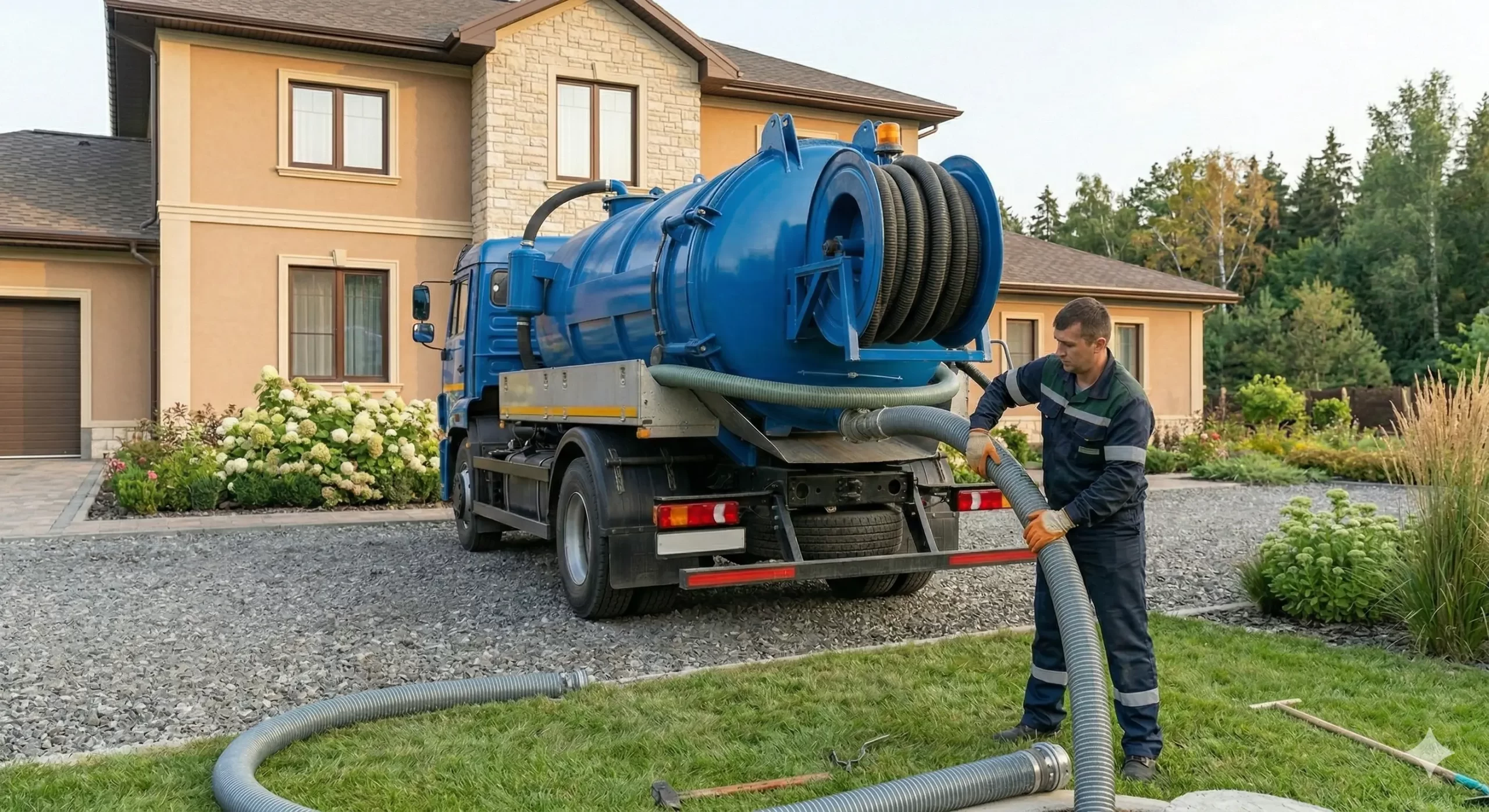
The toilet paper you choose has a direct, measurable impact on your household budget. A heavy, non-dissolving toilet paper accelerates the rate at which your tank fills up. This means you will have to hire a vacuum truck much more frequently.
According to comprehensive national data for 2026, the average cost of overall septic maintenance is climbing. More specifically, the cost to pump a standard 1,000-gallon septic tank is approximately $350 to $500. If switching to a rapid-dissolve toilet paper like Scott 1000 allows you to pump your tank every 4 years instead of every 2 years, you are saving hundreds of dollars per cycle.
Furthermore, dense toilet paper that fails to dissolve can form a dam in your main sewer line. If a mass of quilted paper catches on a tree root or a pipe joint, it will block all wastewater from leaving your house. Having a professional plumber come out with a hydro-jetter or heavy-duty mechanical auger to clear a mainline clog will cost you an unexpected $250 to $600.
Beyond TP: The "Never Flush" List
While choosing the right toilet paper is paramount, your diligence will be completely negated if you use your toilet as a trash can. The anaerobic bacteria in your septic tank are living organisms; they can only process organic, biodegradable human waste and cellulose paper.
Flushing the following items will guarantee a catastrophic system failure, leading to a ruined drain field (a $10,000+ replacement) or an emergency sewage backup into your home:
- "Flushable" Wipes: This is the biggest lie in modern plumbing. They do not dissolve. They wrap together to form impenetrable "fatbergs" in the tank and mainline.
- Feminine Hygiene Products: Tampons and pads are designed explicitly to absorb liquid and expand without breaking apart. They will block your inlet or outlet baffles almost immediately.
- Paper Towels & Tissues: Even though they look like toilet paper, paper towels are engineered with strong, wet-strength binders to hold up to scrubbing. They will not dissolve in a septic tank.
- Dental Floss & Hair: These act as netting, catching waste and forming massive, stringy clogs.
- Bleach & Harsh Chemicals: Pouring bleach, antibacterial soaps, or chemical drain cleaners down the toilet will massacre the bacteria in your tank, halting the biological digestion of the sludge layer entirely.
Best Septic Safe Toilet Paper Brands Septic Expert AI
Frequently Asked Questions
Does using a bidet help my septic system?
Can I flush tissues if I run out of toilet paper?
If my tank backs up, can I clear it myself?
Does colored or scented toilet paper harm the tank?
How do I know if my current TP is causing a problem?
“We recently moved from the city to a rural property and had no idea we couldn't use our thick, plush toilet paper. Within a year, our system backed up. The expert I connected with through Blix pumped the tank and showed me the massive, undissolved clumps of paper blocking the baffle. We switched to a septic-safe brand immediately. The service was fast, educational, and totally saved our yard!”

Is Your System Running Slow?
If you've been using the wrong toilet paper or flushing wipes, your tank may be at critical capacity. Don't wait for a sewage backup to ruin your home. Blix connects you with top-rated, elite local professionals who can extract the waste rapidly, provide transparent diagnostics, and save your property.
Available 24/7 for emergency dispatch in most zip codes.