
Walk down the personal care aisle of any major supermarket in 2026, and you will see a sea of products proudly displaying the word "FLUSHABLE" in bold, comforting letters. Wet wipes have become a staple in modern American bathrooms, promising superior hygiene and convenience.
But for the nearly 1 in 5 American households that rely on a private, decentralized wastewater system, that single word is the source of millions of dollars in plumbing nightmares every year. The question echoes through plumbing dispatch centers daily: "The package said they were safe to flush, so why is my septic tank backing up into my bathtub?"
The distinction between marketing claims and municipal plumbing reality is vast. Whether you are dealing with the highly regulated, water-sensitive environments managed by septic experts in Florida, or the deep, traditional concrete tanks maintained by Texas professionals, the verdict from the wastewater industry is unanimous.
In this comprehensive, data-driven guide, we will uncover the mechanical truth about "flushable" wipes, explain the biological disaster they create inside your septic tank, and break down the exorbitant costs of extracting them.
Guide Contents
The "Flushable" Loophole: Marketing vs. Reality
To understand the problem, you must understand the language on the packaging. When a manufacturer labels a wet wipe as "flushable," they are generally stating a simple, physical fact: the wipe is small enough to clear the S-curve of a standard toilet bowl when flushed with 1.6 gallons of water.
That is where the definition of "flushable" ends.
The label does not mean the wipe will disintegrate in your pipes. It does not mean it will be broken down by anaerobic bacteria in your septic tank. It simply means it will leave your immediate line of sight.
Standard toilet paper is specifically engineered to begin dissolving the second it hits water. If you drop a square of standard, septic-safe toilet paper into a jar of water and shake it, it turns into a cloudy mush within seconds. Conversely, "flushable" wipes are woven with synthetic fibers, plastics (like polyester), and strong binders to ensure they don't fall apart in your hand while you use them. Those exact same strengthening agents guarantee they will not fall apart in your septic tank.
What Actually Happens Inside the Pipe
The journey of a wet wipe from your toilet to your septic tank is fraught with peril for your plumbing.
As the wipe travels down the main sewer line connecting your house to the tank, it encounters various obstacles. Older homes may have cast iron or terracotta pipes with rough interiors, slight offsets from ground settling, or tiny, hair-like tree roots penetrating the joints. Because the wipe remains completely intact and cloth-like, it easily snags on these imperfections.
Once one wipe snags, it creates a net. The next wipe catches on the first. Soon, toilet paper, hair, and grease get caught in the web. Within weeks, you have a solid, impenetrable dam blocking the 4-inch pipe.
The "Washing Machine" Backup
A wipe-clogged mainline often reveals itself when you run the washing machine. The sudden surge of 30+ gallons of water hits the dam of wipes, has nowhere to go, and forces raw sewage backward into the lowest drains in your home (usually a basement floor drain or a ground-level bathtub).
The Biological Nightmare in the Tank
Suppose the wipes successfully navigate the main sewer line and drop into the primary septic tank. You might assume they are now safe. Unfortunately, this is where the long-term, systemic damage begins.
A septic tank functions by separating waste into three layers: a floating scum layer (fats and oils), a liquid effluent layer (which goes to the drain field), and a bottom sludge layer (solid human waste). Naturally occurring anaerobic bacteria live in the tank and "eat" the organic sludge, breaking it down and drastically slowing the rate at which the tank fills up.
- Wipes are Indigestible: The bacteria in your tank cannot eat synthetic fibers or plastics. The wipes sit in the tank indefinitely.
- Rapid Capacity Loss: Because the wipes do not dissolve, they rapidly add to the solid volume of the tank. A tank that might normally need pumping every 4 years will reach critical capacity in just 18 months.
- Baffle Blockages: Intact wipes frequently float into the outlet baffle (the pipe leading to the drain field). If a wipe clogs the effluent filter or the baffle itself, the entire system will immediately back up into the house.
The Rise of the Septic "Fatberg"
In municipal sewer systems, city workers frequently battle massive, congealed masses of grease and wet wipes dubbed "fatbergs." The exact same phenomenon occurs on a smaller scale inside your private septic tank.
When cooking grease, oils, or fats (from soaps and shampoos) enter the tank, they naturally float to the top. The intact wet wipes bind with this grease, acting as structural reinforcement (like rebar in concrete). Over time, this creates a thick, hardened, floating crust that can become several feet thick.
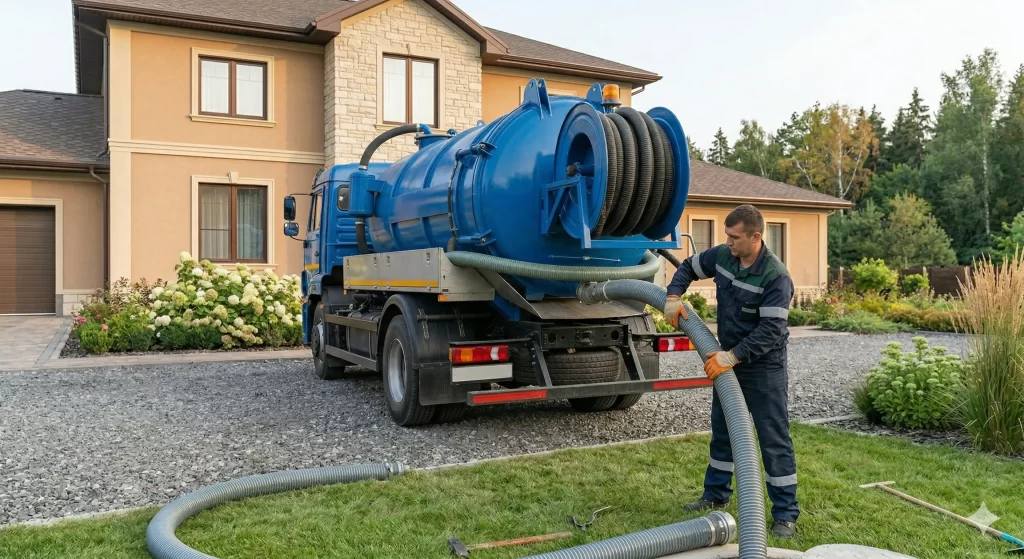
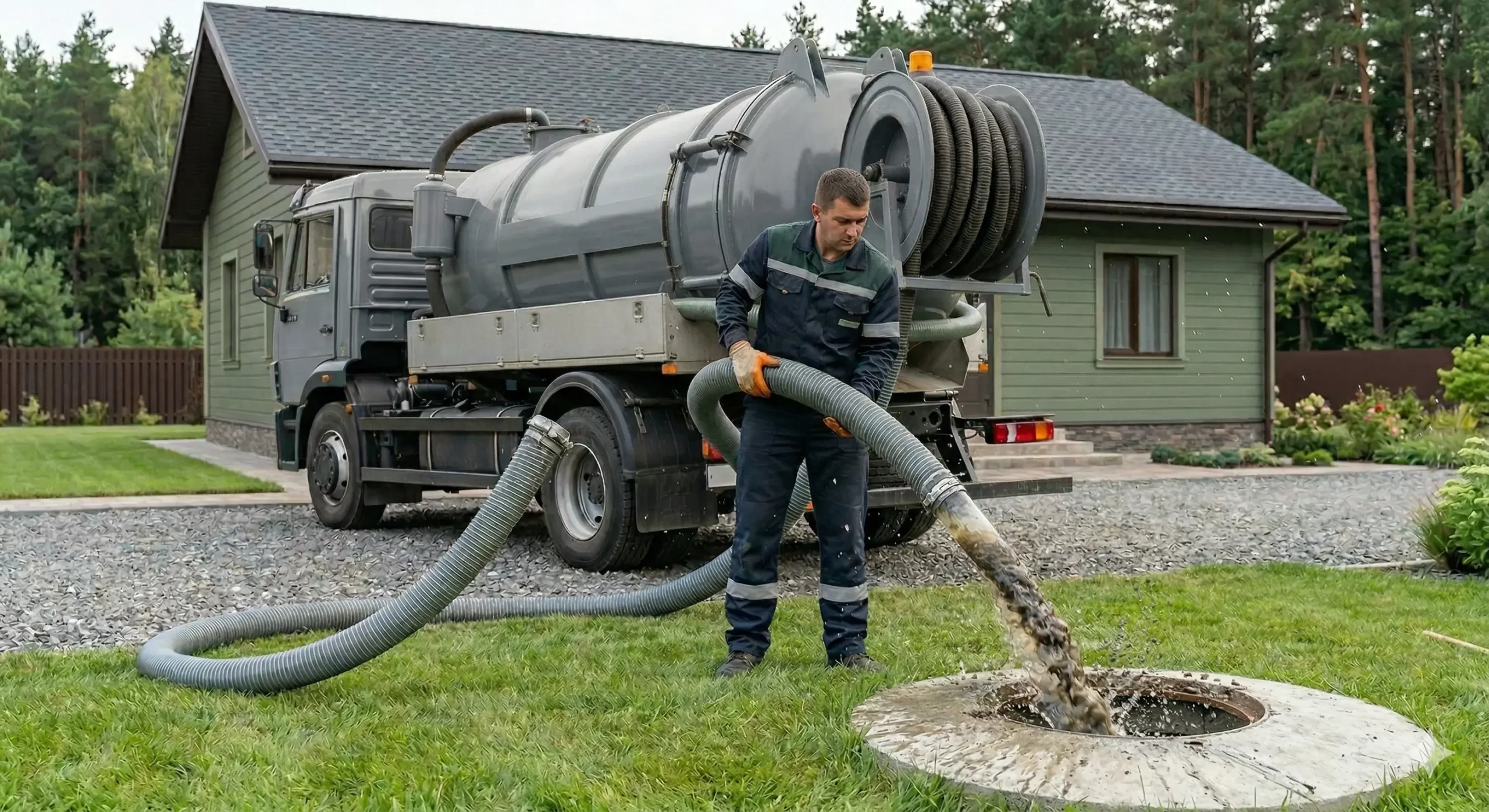
This "residential fatberg" is incredibly difficult—and expensive—for a septic technician to remove. It often requires them to manually break up the hardened crust with long bars (a "crust buster") before the vacuum truck can even begin to suck out the liquid underneath.
*Anaerobic bacteria cannot digest the synthetic bonding agents used in modern wet wipes.
The True Financial Cost of Flushing Wipes
The convenience of a wet wipe is simply not worth the financial devastation it wreaks on a septic system. If your household routinely flushes wipes, you are accelerating your path toward an emergency service call.
If the tank functions normally but fills up with wipes rapidly, you will have to pay for a vacuum pump-out much more frequently. According to our 2026 comprehensive guide on pumping costs, the average cost to pump a standard 1,000-gallon septic tank is approximately $400. Flushing wipes could easily double your lifetime maintenance costs by forcing you to pump every 2 years instead of every 4.
However, the real danger lies in blockages.
| Wipe-Induced Issue | Required Solution | Estimated 2026 Cost | Severity |
|---|---|---|---|
| Mainline Blockage | Professional mechanical snaking or high-pressure hydro-jetting to clear the dam of wipes. | $250 - $600 | Moderate (Raw sewage backing up into home). |
| Hardened Scum Crust | Extended labor time during a pump-out to manually break apart the wipe/grease fatberg. | +$150 - $300 Surcharge | Moderate (Added to base pumping fee). |
| Clogged Effluent Filter | Technician must open the tank, manually remove, and clean the choked filter. | $150 - $250 | High (Causes immediate system backup). |
| Pump Chamber Failure | Wipes wrap around the impeller of the electric pump in an aerobic system, burning out the motor. | $600 - $1,500 | Severe (Requires total pump replacement). |
Are Wipes Clogging Your System?
If your drains are gurgling or backing up, the damage is already done. Connect with an elite, vetted local professional for an emergency mainline clear or tank pump-out.
Septic-Safe Alternatives (That Actually Work)
You do not have to sacrifice hygiene to protect your septic system. If you prefer the feeling of a wet wipe, there are several completely safe alternatives that will save you thousands of dollars in plumbing repairs:
- The Trash Can Method: The simplest solution is behavioral. Continue using your preferred brand of wet wipes, but place a small, covered trash can with a liner next to the toilet. Dispose of the wipes in the garbage, never the bowl.
- Bidet Attachments: A bidet is the ultimate septic-safe solution. Modern bidet attachments (which install directly under your existing toilet seat for under $50) use a targeted stream of fresh water for cleaning. You then pat dry with a few squares of standard, septic-safe toilet paper. This completely eliminates the need for wipes and drastically reduces paper usage.
- Toilet Paper Sprays/Foams: Several companies now manufacture soothing, cleansing foams or sprays. You apply a pump of the foam directly onto standard, septic-safe toilet paper. It provides the moisture and cleansing power of a wet wipe but dissolves instantly in the tank because the base material is just regular toilet paper.
Frequently Asked Questions
What if the package says "Septic Safe" or "Biodegradable"?
I've been flushing wipes for years and never had a backup. Am I okay?
Can chemicals dissolve the wipes already in my tank?
Flushable Wipes Septic System Safety Septic Expert AI
“We had a house full of guests for a week, and suddenly the downstairs toilet backed up into the shower. It was a nightmare. The local tech I found through Blix came out immediately. They snaked the main line and pulled out a massive, twisted ball of flushable wipes that our guests had been using. The tech was great, explained why they are so bad for the system, and got us flowing again in an hour.”

Clear the Blockage Fast
If flushable wipes have backed up your mainline or filled your tank to the brim, DIY methods won't work. Blix connects you with top-rated, elite local professionals who have the heavy-duty equipment to clear the dam and pump out the waste.
Available 24/7 for emergency dispatch in most zip codes.