

Analyze the Inevitable Progression of System Collapse

An On-Site Wastewater Treatment System (OWTS), commonly known as a septic system, does not fail catastrophically overnight. Its demise is a quantifiable process of biological and hydraulic degradation over time. Understanding this timeline is critical for any property owner, especially one considering a sale in North Carolina where disclosure is legally mandated. ️ Don’t wait for a backup to flood your yard. Check out our local services in Waskom, TX.
Progression of Septic System Failure Timeline
- Stage 1: Optimal Function (Years 1-5)
The system operates within design parameters. Anaerobic digestion within the tank effectively reduces Total Suspended Solids (TSS) and Biochemical Oxygen Demand (BOD). Effluent discharged to the drainfield is relatively clear, and the native soil’s percolation capacity is uninhibited. Sludge and scum layers occupy less than 20% of the tank’s liquid depth. - Stage 2: Early Stage Stress (Years 5-10)
A gelatinous biological mat, or ‘biomat’, begins to form at the gravel/soil interface in the drainfield trenches. This is a natural byproduct of anaerobic bacteria processing the effluent. Sludge accumulation in the tank approaches 25-30% of liquid depth, reducing the effective settling volume and retention time. Hydraulic loading from peak usage events (e.g., laundry marathons) may result in occasional slow drains. - Stage 3: Significant Degradation (Years 10-15)
The biomat thickens, becoming less permeable. This process, known as ‘bioclogging’, reduces the soil’s percolation rate by over 50%. The sludge level in the tank now exceeds the critical 33% threshold, allowing solid waste to pass into the drainfield, which accelerates bioclogging. Effluent begins to pond in the trenches and may surface during periods of heavy rainfall, particularly in North Carolina’s dense red clay soils. - Stage 4: Critical System Failure (Years 15+)
The system has reached hydraulic failure. The soil can no longer absorb the volume of effluent being discharged. This results in constant plumbing backups, foul odors, and persistent, nutrient-rich wastewater pooling on the ground surface. At this stage, the system is non-compliant with North Carolina General Statutes § 130A-335 and poses a significant public health risk. A complete drainfield replacement, and often a full system replacement, is the only viable remediation.
Execute a Systematic Diagnostic Protocol Immediately
Do not rely on anecdotal evidence or guesswork. A rigorous, data-driven diagnostic approach is required to quantify the extent of system failure. This protocol is essential for legal disclosure and for formulating a remediation strategy when selling your property. ️
Symptom Cluster 1: Hydraulic Malfunction (Backups & Slow Drains)
IF: Drains throughout the residence are slow, or fixtures on the lowest level (e.g., basement bathroom) are backing up with blackwater.
THEN: A systematic process of elimination is required. If you reside in the area, you can learn more about our septic services in Sherman, TX.
- Initial Confirmation: First, rule out an internal plumbing clog. If only a single fixture is slow, the problem is localized. If multiple fixtures are affected, proceed.
- Tank Effluent Level Analysis: Uncover the outlet manhole of the septic tank. Observe the liquid level. IF the level is above the bottom of the outlet pipe, the problem is downstream (in the drainfield). IF the level is normal, but a backup exists in the house, the clog is between the house and the tank.
- Root Cause Triangulation: For a high tank level, the cause is drainfield failure. For a normal level with backups, deploy a sewer inspection camera to diagnose a crushed pipe, root intrusion, or grease blockage in the main building sewer line.
Symptom Cluster 2: Effluent Surfacing & Odors
IF: A distinct sewage odor (primarily hydrogen sulfide, H₂S) is present outdoors, and/or there are persistently wet, spongy areas of soil over the drainfield.
THEN: This indicates that untreated or partially treated effluent is bypassing the soil absorption process.
- Visual & Olfactory Inspection: Document the precise location and square footage of the surfacing effluent. Note the unusually verdant grass, a result of the high nitrogen and phosphorus content.
- Soil Probe & Dye Test: A soil probe will confirm saturation below the surface. A septic dye test, where a fluorescent dye is flushed into the system, can confirm the source of the wet spot. If the dye appears on the surface within 24-48 hours, the system is in a state of failure. This provides indisputable evidence for a potential buyer’s inspector.
Symptom Cluster 3: Solids Accumulation Data
IF: The system’s maintenance history is unknown or has been neglected.
THEN: Direct measurement of the solids within the tank is non-negotiable.
- Employ a Sludge Judge: This specialized tool is a clear plastic tube with a foot valve. It is lowered through the scum layer to the bottom of the tank to extract a core sample of the tank’s contents.
- Quantify the Solids: Measure the distinct layers of sludge (bottom) and scum (top) in the sample. The combined height of these layers must not exceed one-third (33.3%) of the total liquid depth of the tank. Exceeding this threshold significantly reduces hydraulic retention time, allowing solids to flow into and destroy the drainfield. This measurement provides a clear, quantitative indicator of neglect.
Calculate the Financial Impact of Negligence
Understanding the costs associated with rectifying a septic system failure is paramount for negotiating the sale of your home. These are not estimates; they are based on prevailing labor and material costs in North Carolina. All major work requires permitting from the local county health department, which adds time and expense.
| Service / Component | Estimated Cost Range (NC) | Primary Influencing Factors |
|---|---|---|
| Level 3 Real Estate Septic Inspection | $450 – $800 | System accessibility, tank depth, scope of inspection. |
| Septic Tank Pumping (1000-1500 gal) | $300 – $600 | Tank size, distance from road, disposal fees. |
| Hydro-Jetting Main Line Blockage | $500 – $1,200 | Severity of blockage (grease vs. roots), length of line. |
| Distribution Box (D-Box) Replacement | $800 – $2,500 | Depth, number of outlets, condition of connected pipes. |
| Complete Drainfield Replacement | $5,000 – $15,000+ | Soil type (clay is more expensive), system type (conventional vs. LPP), size based on bedrooms, site access. |
| Full System Replacement (Tank & Field) | $8,000 – $25,000+ | All of the above factors, plus tank material (concrete vs. plastic), and potential need for an advanced system (e.g., drip irrigation). |
Implement a Strict Preventative Maintenance Regimen
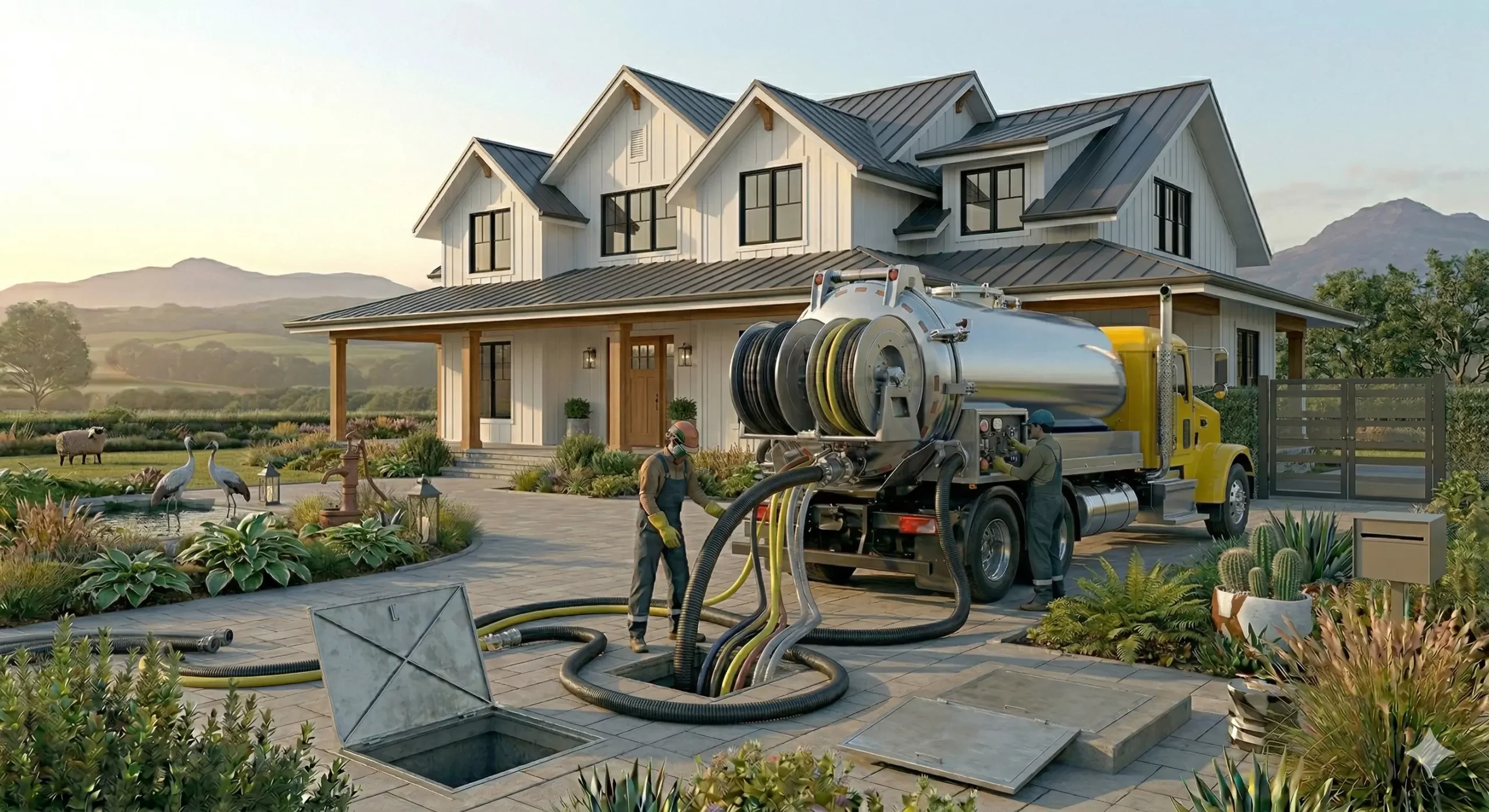
The only method to extend the operational lifespan of an OWTS and prevent premature failure is to adhere to a strict operational and maintenance protocol. This is not a suggestion; it is a requirement for system longevity. We understand the specific environmental rules for your region. Learn more from our experts in Ferriday, LA.
- Control Hydraulic Loading: Do not discharge more water than the system is designed to handle in a 24-hour period. This means repairing all leaking fixtures, installing low-flow appliances, and distributing high-volume tasks like laundry throughout the week.
- Eliminate Non-Biodegradable Solids: The septic tank is a biological digester, not a trash can. The introduction of materials like ‘flushable’ wipes, paper towels, feminine hygiene products, and cat litter will accumulate as inert solids, requiring more frequent pumping and increasing the risk of clogs.
- Prohibit Chemical Contaminants: Cease the use of harsh chemical drain cleaners, excessive bleach, and antibacterial soaps. These substances disrupt the delicate balance of anaerobic bacteria responsible for breaking down organic solids. So-called ‘septic additives’ are not required and are often counterproductive.
- Adhere to a Pumping Schedule: Based on tank size and household occupancy, a licensed professional must pump the accumulated solids from the tank. For a typical 4-person household with a 1,200-gallon tank in North Carolina, the recommended interval is every 3 years. This is the single most critical maintenance task.
- Protect the Drainfield Area: Never drive vehicles or heavy equipment over any part of the septic system. Do not plant trees or large shrubs near the drainfield, as roots will infiltrate and destroy the pipes. Direct all surface water runoff (from roofs, driveways) away from the drainfield to prevent hydraulic oversaturation.
Review Verifiable Field Assessments
Client Testimonials
⭐⭐⭐⭐⭐
“We were selling our 1980s home in Raleigh and the buyer’s inspection revealed a completely saturated drainfield in our heavy clay soil. The system was in hydraulic failure. This team came in, performed a soil analysis and perc test, and determined a full replacement with a Low-Pressure Pipe (LPP) system was the only solution. They handled the Wake County permits and executed the install flawlessly. Their technical documentation saved our home sale.” Upgrading your system? Let our Quinlan, TX installation experts walk you through the options.
– Marcus & Sarah T., Raleigh, NC
⭐⭐⭐⭐⭐
“Our mountain home near Asheville had constant backups. A previous company just kept pumping the tank. This expert used a sewer camera and found a crushed outlet pipe and a cracked distribution box. Instead of quoting a full $15k drainfield, they performed a targeted, engineered repair for a fraction of the cost. The precision of their diagnostic process was impressive. Highly recommend for any complex septic issue.” Protect your property value by working with certified septic inspectors in Boynton Beach, FL.
– David Chen, Buncombe County, NC
Consult the Technical FAQ Database
Can I legally sell a house with a failing septic system in North Carolina? ⚖️
Yes, it is legally permissible, but it is contingent on full and explicit disclosure. The North Carolina Residential Property and Owners’ Association Disclosure Statement (Form 2A12-T) contains specific questions regarding the OWTS. You must disclose any known defects or malfunctions. Failure to do so constitutes misrepresentation and can result in significant legal and financial liability post-sale. Furthermore, most mortgage lenders will not approve financing for a property with a known, non-compliant septic system, effectively limiting your buyer pool to cash purchasers or those willing to utilize renovation loans.
What is a ‘repair permit’ versus a ‘new installation permit’ in NC?
A ‘repair permit’ is issued by the local NC county health department for fixing a specific, existing component of a septic system. Examples include replacing a crushed pipe, installing a new distribution box, or replacing a tank lid. It assumes the fundamental design and location of the system remains unchanged. A ‘new installation permit’ is far more comprehensive. It is required for a complete system or drainfield replacement. This process mandates a new site evaluation, soil analysis (percolation test), and a complete system design that must conform to all current state and local environmental health codes, which may be stricter than when the original system was installed.
How does North Carolina’s clay soil impact septic system failure and cost?
The prevalent clay-rich soils in many parts of North Carolina (e.g., the Piedmont region) have low hydraulic conductivity, meaning water percolates through them very slowly. This has two major consequences. First, drainfields in clay soil must be significantly larger to provide adequate surface area for effluent absorption, which increases initial installation cost. Second, these systems are much less forgiving of neglect. Even a minor increase in biomat formation can cause hydraulic failure. Consequently, repairs and replacements in clay soil are often more complex and expensive, frequently requiring advanced system types like Low-Pressure Pipe (LPP) or drip irrigation systems to meet code.
Is it better to repair the septic system before listing or offer a credit to the buyer?
From an engineering and risk-management perspective, repairing the system prior to listing is unequivocally the superior strategy. A fully functional, permitted, and warrantied septic system removes a massive barrier for potential buyers, especially those requiring financing. It allows you, the seller, to control the scope, quality, and cost of the work with a contractor of your choosing. Offering a credit introduces uncertainty. Buyers will likely demand a credit far exceeding the actual repair cost to compensate for their perceived risk and the hassle of managing the project. Resolving the issue upfront leads to a cleaner, faster, and often more profitable real estate transaction.
Technically Reviewed By:
BlixBase Master Plumber Team
20+ Years Septic Industry Experience | Certified System Inspectors