
Got Septic Questions? Let’s Dig In!
So, what’s the final verdict? Is Epsom salt a ‘no-go’ for septic systems?
The short answer is: No, regular or large amounts of Epsom salt are NOT safe for your septic system. While a very occasional, small amount (like a cup once every few months) is unlikely to cause immediate failure, consistent use from frequent baths will absolutely disrupt the delicate ecosystem in your tank and can lead to catastrophic failure of your drain field. It’s a gamble, and the stakes are a $15,000+ repair bill.
I heard Epsom salt can help my tree roots or even clear clogs. Is that a myth?
This is a dangerous old wives’ tale. Epsom salt (Magnesium Sulfate) does not kill tree roots effectively; for that, you need a designated foaming root killer containing Dichlobenil. Pouring salt down a drain to clear a clog is also a bad idea. It doesn’t dissolve grease and can actually worsen the problem by adding more solid material to the sludge layer in your tank and pipes. Use a bacterial drain cleaner or call a professional for clogs.
How is Epsom salt different from water softener salt?
Great question! They are chemically very different. Water softeners use Sodium Chloride (NaCl) or Potassium Chloride (KCl). Epsom salt is Magnesium Sulfate (MgSO₄). While high concentrations of *any* salt aren’t ideal, the sulfate component in Epsom salt is the real villain. It can be converted by anaerobic bacteria into hydrogen sulfide gas (that rotten egg smell), which is corrosive to concrete tanks and pipes. The magnesium also reacts differently with soil, which we’ll cover in detail.

A Cautionary Tale: The Johnson Family’s Soggy Nightmare

Let me tell you about a real-world job I did for a family, we’ll call them the Johnsons, over in a neighborhood with heavy clay soil. Mrs. Johnson was a big fan of nightly Epsom salt baths to soothe her muscles – we’re talking a couple of cups a night, every night. For the first few years in their new home, everything was fine. Don’t wait for a backup to flood your yard. Check out our local services in Saginaw, TX.
Around year four, they started noticing their downstairs toilet wouldn’t flush right after a load of laundry. Then, a faint, swampy smell started wafting around their beautiful backyard on hot days. The final straw was a nasty sewage backup in their shower after a big family get-together. That’s when they called me.
The diagnosis wasn’t pretty. When we opened the septic tank, it was clear the bacterial colony was struggling. The sludge and scum layers were out of whack. But the real problem was in the drain field. We sent a camera down the lines and found thick, slimy biomat buildup, far worse than you’d expect for a 5-year-old system. The high concentration of magnesium sulfate had altered the soil chemistry around the drain field trenches. Clay soil is made of tiny, flat particles. The magnesium ions caused a process called ‘clay dispersion,’ breaking down the soil structure and essentially turning the surrounding dirt into a waterproof barrier. The wastewater had nowhere to go.
The initial fix was an expensive high-pressure hydro-jetting of the drain field lines, which cost them around $1,800. This bought them some time, but the soil itself was damaged. Two years later, I was back out there installing a brand new, redesigned drain field, a job that set them back over $16,000 because of the difficult soil and local permit requirements. All from a seemingly harmless bath additive. Looking for a reliable local contractor? Explore our septic solutions for Melissa, TX.
The Real Cost of a ‘Cheap’ Home Remedy
People love the idea of a cheap fix, but when it comes to septic systems, cheap fixes often lead to the most expensive disasters. Here’s a realistic breakdown of what you might be facing if you ignore the signs of a struggling system, potentially caused by things like excessive salt use: Need immediate assistance? Find trusted septic tank pumping in Alabaster, AL right away.
- Routine Septic Tank Pumping: $300 – $600 (Should be done every 3-5 years, this is preventative medicine!)
- Emergency Call-Out Fee: $150 – $400 (Just to get a truck to your house on a weekend.)
- Clearing a Main Line Clog: $250 – $800
- Hydro-Jetting Drain Field Lines: $800 – $2,500 (This is a temporary fix for a clogged field, not a guaranteed solution.)
- Distribution Box (D-Box) Replacement: $1,500 – $3,500
- Complete Drain Field Replacement: $8,000 – $25,000+ (The price varies wildly based on your state, soil type, property size, and system complexity. This is the ‘heart transplant’ of septic repairs.)
Your Septic System’s Progression to Failure Timeline
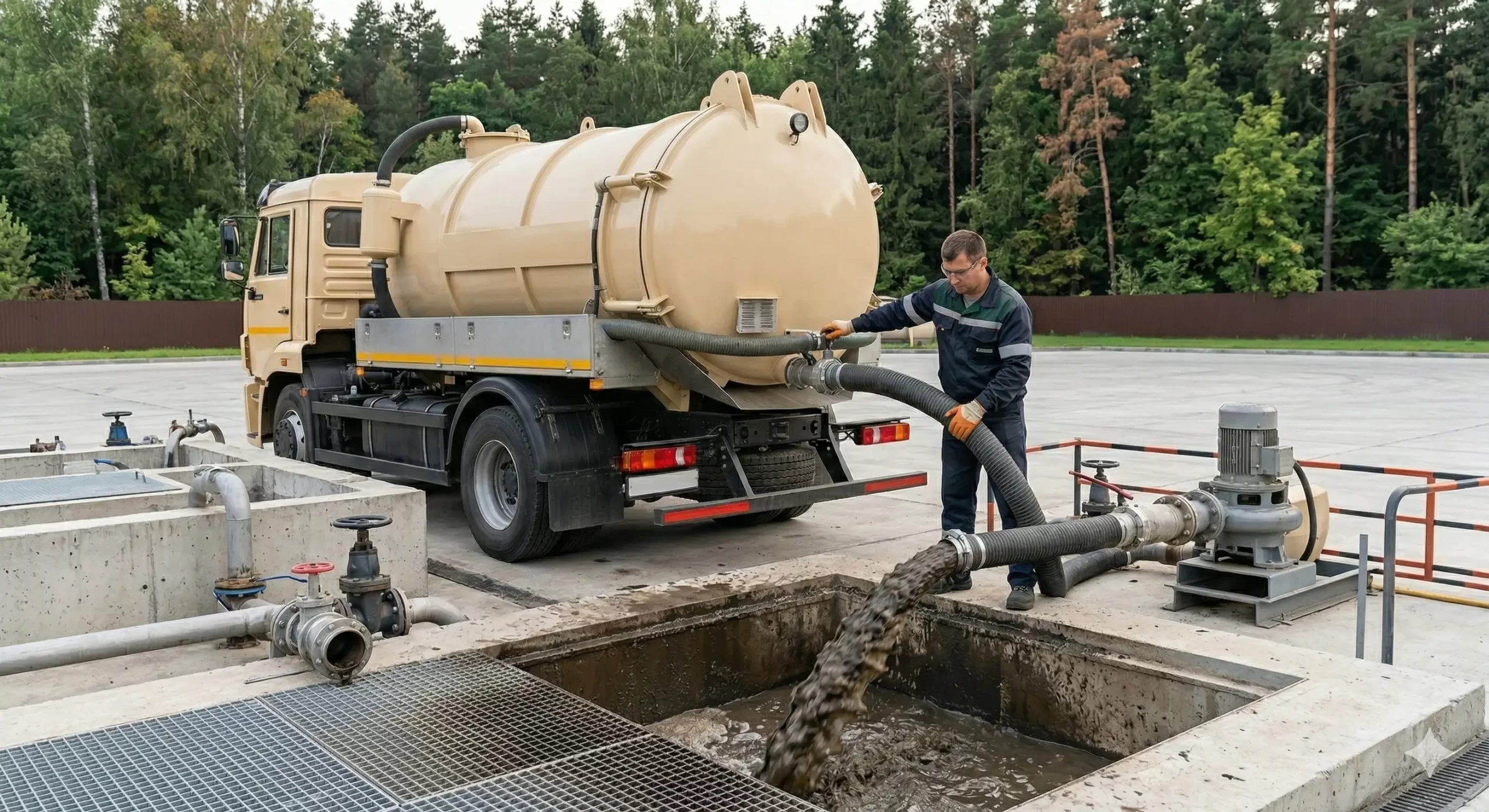
Septic failure from chemical damage isn’t a sudden event; it’s a slow, silent killer. Here’s how it typically plays out over time with consistent, heavy Epsom salt use:
- Year 1-2: The Honeymoon Phase. The system is new and resilient. The native bacteria and soil can handle the occasional shock. You won’t notice a thing.
- Year 3-4: The Subtle Warnings. You might notice drains running a bit slower. A ‘gurgle’ in the pipes becomes more frequent. This is the bacteria in the tank starting to struggle and the biomat in the drain field beginning to thicken.
- Year 5-6: The Annoying Problems. You’re now getting occasional backups in the lowest drain of the house (usually a shower or tub). You might see small, unusually lush or spongy patches of grass over the drain field. That ‘swampy’ smell is now undeniable after a heavy rain. The soil’s percolation ability is severely compromised.
- Year 7+: Catastrophic Failure. The system is in full-blown failure. Wastewater is surfacing in your yard, creating a hazardous bio-zone. Toilets won’t flush, and sewage regularly backs up into your home. At this point, a full drain field replacement is almost always the only option.
The Science: Why Salt is a Four-Letter Word for Your System
Okay, let’s put on our lab coats for a second. Your septic tank is a finely tuned anaerobic (oxygen-free) environment. Billions of bacteria work tirelessly to break down organic waste. When you introduce foreign substances, you throw a wrench in the works. Here’s a comparison of different ‘salts’ and their specific impact:
| Salt Type | Chemical Formula | Primary Impact |
|---|---|---|
| Epsom Salt | MgSO₄ (Magnesium Sulfate) | Damages soil structure (clay dispersion) and sulfates can create corrosive hydrogen sulfide gas. Kills beneficial bacteria. |
| Water Softener Salt | NaCl (Sodium Chloride) | High concentrations can also damage soil structure and harm bacteria, but it lacks the problematic sulfate component. Modern, efficient softeners are generally okay. |
| Table Salt | NaCl (Sodium Chloride) | Identical issues to softener salt, but usually introduced in much smaller quantities from cooking. Not a major concern. |
The key takeaway is the sulfate (SO₄) in Epsom salt. In the anaerobic tank, specific sulfate-reducing bacteria convert it to hydrogen sulfide (H₂S). This gas not only smells terrible but it can also form sulfuric acid, which corrodes concrete tanks, baffles, and pipes from the inside out.
Troubleshooting: Is Your System Crying for Help?
Think your system might already be in trouble? Walk your property and use your senses. Here are the red flags:
- Smell: Do you smell sewage or a ‘rotten egg’ odor, especially near the tank or drain field?
- Sight: Are there patches of unusually green, vibrant grass over your drain field? Do you see wet, spongy spots or standing water? Are your drains running slow or backing up?
- Sound: Do you hear a constant gurgling sound from your pipes long after you’ve used any water?
If you answered yes to any of these, don’t wait. The problem will only get worse and more expensive. It’s time to call in a certified septic professional for a proper diagnosis.
Hear From Our Happy Customers!
⭐⭐⭐⭐⭐
“I was convinced my whole system had failed after another company quoted me $20,000 for a new drain field. These guys came out, did a thorough camera inspection, and found a collapsed pipe in the D-box. They fixed it for a fraction of the cost and educated me on proper septic care. Honest, professional, and saved me a fortune!” If you smell sewage or hear gurgling, contact our Destrehan, LA septic repair specialists immediately.
– Sarah P., [Local Town Name]
⭐⭐⭐⭐⭐
“Our pump alarm went off on a Sunday morning. They were here within 90 minutes, diagnosed the issue with the float switch, and had the part on their truck. The technician was friendly, explained everything he was doing, and the final bill was exactly what they quoted. You can’t ask for better service than that.”
– Mark T., [Local Town Name]
Proactive Maintenance: The Secret to a Long Septic Life ️
You wouldn’t drive your car for 100,000 miles without changing the oil, right? Your septic system needs the same love. Here’s your cheat sheet for a happy, healthy system: You can find more detailed pricing and local regulations on our dedicated Troy, TX location page.
- Get Pumped Regularly: Every 3-5 years is standard. This removes the solids (sludge) that can’t be broken down, preventing them from flowing into and clogging your drain field.
- Watch Your Water Usage: A high-efficiency toilet can save thousands of gallons a year, reducing the load on your drain field. Fix leaky faucets immediately!
- Think at the Sink: Scrape plates into the trash, not the sink. Avoid pouring fats, oils, or grease down the drain. They solidify and cause major clogs.
- Only Flush the 3 P’s: Pee, Poo, and (toilet) Paper. Nothing else. No ‘flushable’ wipes, feminine hygiene products, or paper towels.
- Protect Your Field: Don’t drive or build anything over your drain field. Plant only grass and avoid trees or shrubs with aggressive root systems.
Ultimately, when it comes to what goes down your drain, the golden rule is simple: when in doubt, leave it out. Your septic system—and your wallet—will thank you for it.
Technically Reviewed By:
BlixBase Master Plumber Team
20+ Years Septic Industry Experience | Certified System Inspectors