
Listen To Me. Put The Bottle Down.
I can hear the panic in your head. The water isn’t going down. The sink is full. The toilet is gurgling. Your first instinct is to grab that bottle of Drano, Glug, or Liquid-Plumr. It promises a fast, easy fix. I am here to tell you, as a septic professional who has seen the devastating aftermath, that is the single worst decision you can make for your home and your wallet. For a free consultation, simply reach out to our office serving Garland, TX.
The answer to ‘Is Drano safe for a septic system?’ is an absolute, unequivocal NO. Stop right now. Do not pour it. Let’s diagnose this problem together, the right way. This is an emergency response guide. Follow it step-by-step. Your septic system is a living ecosystem, and you are about to poison it. Dealing with a sudden sewage issue? Rely on our emergency septic team in Decatur, TX.

Emergency Diagnostic Tree: What To Do Instead of Using Drano
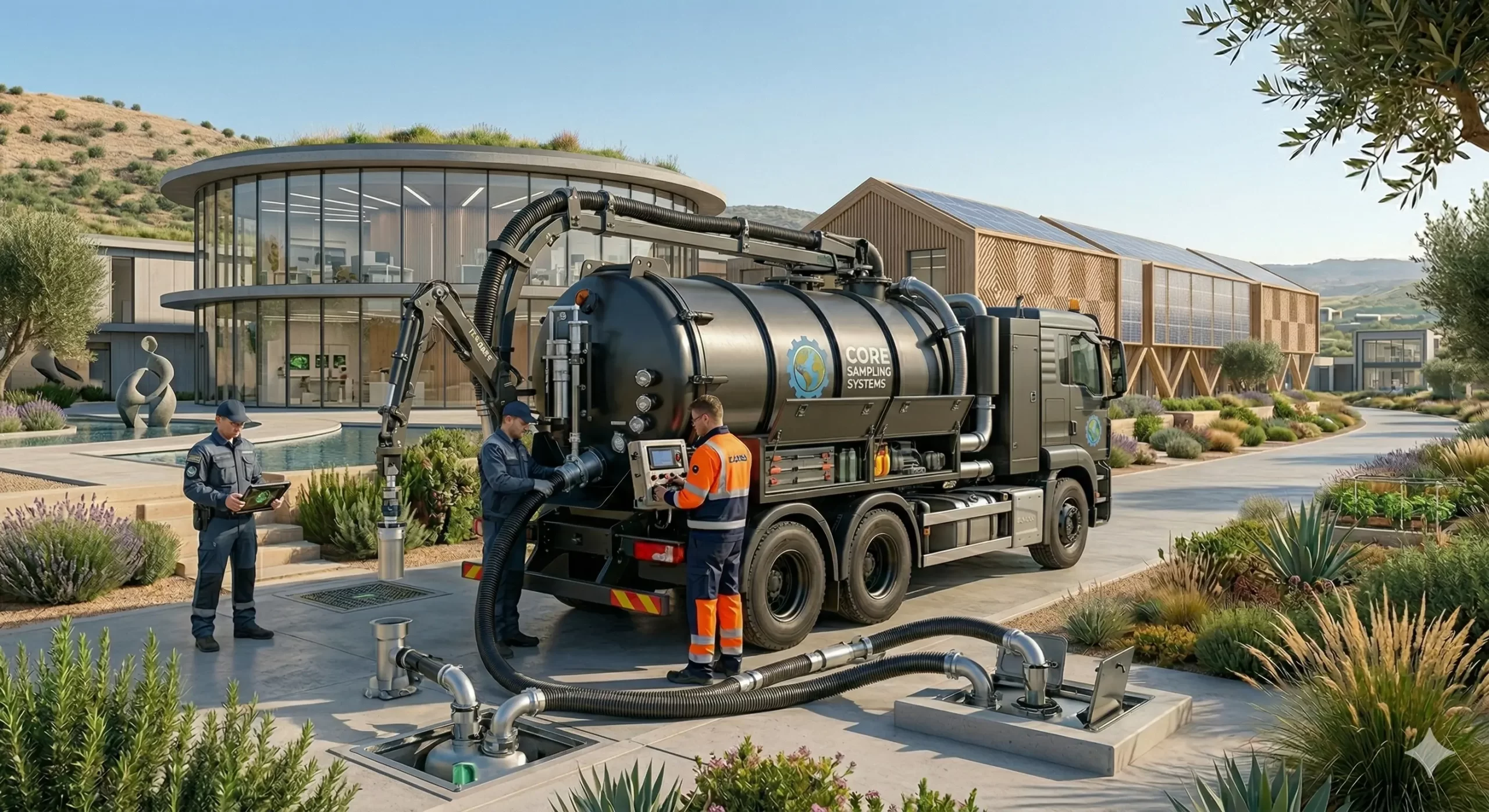
Your clog is a symptom, not the disease. We need to find the root cause. Grab a flashlight and let’s get to work. Answer these questions honestly.
Symptom Check 1: Is it a single slow drain?
If YES, only one sink, shower, or tub is slow:
- Then This Is Good News. The problem is likely localized to that specific fixture’s drain line. It’s almost certainly not a septic system failure.
- Your First Action: Check the P-trap. The P-trap is the U-shaped pipe under the sink. Place a bucket underneath it. Unscrew the two connectors (they are often hand-tightened). The trap will be full of water and whatever is causing the clog (hair, grease, a lost ring). Clean it out thoroughly and reassemble. Test with hot water.
- If The P-Trap Is Clear: The clog is further down the branch line. Your best tool is a simple, inexpensive plastic drain weasel or a small hand-crank auger (snake). These physically remove the clog without using destructive chemicals. This is the professional’s first step.
Symptom Check 2: Are multiple drains slow? Especially on the lowest level of the house?
If YES, the downstairs toilet, shower, and sink are all backing up:
- Then This Is A Red Alert. This points to a problem in your main sewer line leading to the septic tank, or a problem with the septic tank itself. Pouring Drano now is like throwing a grenade into your system’s delicate biological heart.
- Your First Action: Stop using water. Every flush, every shower, is adding more volume to a system that cannot handle it. You risk a full-scale sewage backup into your home.
- Next Step: Locate your septic tank lid and main line cleanout. The cleanout is usually a 3-4 inch white PVC pipe with a screw-off cap located near your home’s foundation. Carefully open it. If you see standing water, the blockage is between the cleanout and the septic tank. If it’s dry, the blockage is between the cleanout and the house. This is critical information for a professional.
- The Cause: This could be a solid clog (flushable wipes, feminine products, grease) in the main line, a collapsed pipe, or a full septic tank that has no more capacity.
Symptom Check 3: Do you hear gurgling sounds from toilets or drains?
If YES, especially when another fixture is draining or an appliance is running (like a washing machine):
- Then This Is A Sign of Negative Air Pressure. Your system is gasping for air. Drains need air to flow freely. A gurgle means water is pulling air through a trap because it can’t get it from the vent stack.
- The Cause: This could be a partial clog creating a vacuum, or your home’s plumbing vent stack (the pipe going through your roof) could be blocked by a bird’s nest, leaves, or ice. It can also be an early warning sign that your septic tank is full and there’s nowhere for the water and air to go.
Symptom Check 4: Do you smell sewer gas inside or outside the house?
If YES, and it’s a distinct rotten egg or sewage smell:
- Then This Is A Health Hazard. Sewer gas contains methane and hydrogen sulfide. It is not something to ignore.
- Inside Smell: Check for a dry P-trap in a rarely used guest bathroom or floor drain. Pour a quart of water in to refill it. Check the wax ring seal at the base of your toilet. If the toilet is loose or rocking, the seal is likely broken.
- Outside Smell: A sewage odor around your septic tank or drainfield is a classic sign of system failure. It means the tank is full and overflowing, or the drainfield is saturated and effluent is surfacing. This requires an immediate professional inspection.
Symptom Check 5: Do you see wet, spongy spots or unusually green grass in your yard over the septic system?
If YES, and it hasn’t rained heavily:
- Then This is a Drainfield Failure. Your leach field, or drainfield, is the final filtration stage. Wastewater (effluent) flows into it to be processed by soil microbes. When you see this symptom, it means the soil is saturated and can no longer absorb water.
- Localized Context: In areas with heavy clay soil, like parts of Georgia or Texas, drainfields are highly susceptible to ‘biomat’ formation. Biomat is a black, slimy layer of bacteria that can clog the soil pores. Chemical drain cleaners can kill the good bacteria, accelerating the growth of this destructive biomat, leading to premature and catastrophic failure.
- The Damage is Done: At this stage, pouring chemicals is futile. The system is hydraulically overloaded. You are likely facing a major repair or a full drainfield replacement.
Progression of Failure: The Drano Disaster Timeline
Using chemical drain cleaners isn’t a single event. It’s a cumulative disaster. Here is how a healthy system degrades with repeated chemical use. Regular maintenance is crucial. Connect with our Benbrook, TX septic experts to schedule a check-up.
| Stage & Timeframe | System Status | Symptoms |
|---|---|---|
| Year 1: First Use | Minor bacterial die-off. System is resilient and recovers. | None. The homeowner believes the product worked perfectly. |
| Year 2-3: Occasional Use (2-3 times/year) | Significant bacterial colony stress. Solids break down slower. Sludge layer builds faster than normal. | Drains seem to clog more frequently. Homeowner uses more Drano, creating a vicious cycle. |
| Year 4: Chronic Use | Bacterial population is decimated. Anaerobic digestion has nearly ceased. Undigested solids flow into drainfield, clogging soil pores. | Gurgling drains. Faint sewer odors after laundry. System requires pumping more often than the standard 3-5 years. |
| Year 5: System Failure | Drainfield is saturated with solids and biomat. It can no longer accept effluent. Tank has no place to discharge water. | Constant backups into the home. Sewage pooling on the lawn. System is condemned by the health department. |
Cost Breakdown: The Choice You’re Making Right Now

The financial reality is stark. You are standing at a crossroads, and one path is exponentially more expensive than the other.
| Solution | Description | Estimated Cost | Long-Term Impact |
|---|---|---|---|
| Mechanical Clearing (Snake/Auger) | A professional uses a mechanical tool to physically remove the clog from the pipe. | $150 – $400 | Zero damage to septic bacteria or pipes. The correct, safe solution. |
| Jetting the Main Line | High-pressure water scours the inside of the main line, removing grease and sludge. | $400 – $800 | Extremely effective for main line blockages. No septic damage. |
| Septic Tank Pumping | Removing all liquids and solids from the tank if it’s full and causing the backup. | $300 – $600 | Necessary routine maintenance. Solves backup if the tank is full. |
| Septic System Replacement (From Chemical Damage) | Complete excavation and replacement of a failed tank and drainfield. | $8,000 – $30,000+ | Catastrophic financial and property disruption caused by ignoring symptoms and using chemicals. |
Hear From Homeowners We’ve Helped
⭐⭐⭐⭐⭐
“My basement toilet started backing up and I almost reached for a chemical cleaner out of sheer panic. I found this guide online, stopped, and called them instead. Their technician arrived in an hour, used a camera to find a huge root ball in my main line, and cleared it. He told me I had dodged a five-figure bullet by not poisoning my septic tank. I will never think about using Drano again.”
– Sarah K., Maplewood
⭐⭐⭐⭐⭐
“Fast, professional, and honest. I had two slow drains and was convinced my whole septic system was failing. They came out, diagnosed it as a simple clog in the shower line from years of hair, and snaked it clear in 20 minutes. They took the time to explain how my septic system works and what not to put down there. No up-selling, just a real solution. Worth every penny.”
– Michael T., Bridgewater
Proactive Septic System Maintenance: The Only Real Solution
You can avoid 99% of these panic moments with simple, routine care. Your septic system is not a ‘set it and forget it’ appliance. We also provide specialized local support—see our Seabrook, TX service page for details.
- Regular Pumping: Your tank needs to be pumped every 3-5 years, depending on household size and tank capacity. This is non-negotiable.
- Use Bacteria-Friendly Cleaners: Use septic-safe, biodegradable household cleaners. Avoid anything with bleach, ammonia, or anti-bacterial agents in large quantities.
- Enzyme Treatments: While not a miracle cure, monthly use of a high-quality septic enzyme treatment can help break down solids and keep your bacterial colony healthy. Think of it as a probiotic for your septic system.
- Watch Your Water Usage: Leaky toilets and long showers flood your drainfield. Install water-saving fixtures and repair leaks immediately.
- Only Flush Human Waste and Toilet Paper: Your toilet is not a garbage can. Never flush wipes (even ‘flushable’ ones), paper towels, tampons, condoms, or dental floss.
Frequently Asked Questions From Panicked Homeowners
But the Drano bottle says ‘Safe for Septic Systems’?
This is marketing, not science. While a single, small dose in a perfectly healthy, oversized tank might not cause immediate failure, it absolutely harms the bacterial ecosystem. The manufacturer is not going to pay for your new $15,000 drainfield. They are selling a product. We are the ones who get the call when that product contributes to a system collapse. We trust our field experience, not the bottle’s label.
I already poured Drano down the drain! What do I do now?
Don’t panic, but act now. Do not add any other chemicals. Do not try to plunge it, as you can cause a chemical splash-back which is extremely dangerous. Call a professional immediately and inform them exactly what chemical you used and how much. The best course of action may be an emergency pump-out of the septic tank to remove the harmful chemicals before they have time to settle into your drainfield and do permanent damage.
What’s the difference between a clog and a full septic tank?
A clog is typically a physical blockage in a pipe (hair, grease, foreign object) and often affects a single fixture or a localized area. A full septic tank is a system-wide problem. The tank has reached its capacity for solids and/or liquid and can no longer accept any more wastewater from the house. Telltale signs of a full tank include backups in the lowest drains in the house, gurgling sounds from multiple fixtures, slow drains everywhere, and odors or wet spots outside near the tank or drainfield.
Are enzyme-based or ‘natural’ drain cleaners safe for septic systems?
They are significantly safer than caustic chemical cleaners like Drano, but they are not a substitute for proper diagnosis. Enzyme cleaners work slowly to digest organic matter like grease and soap scum. They are best used as a preventative maintenance tool for slow-running drains, not for clearing a total blockage. If you have a complete clog, the enzymes won’t have time to work. The best and safest method for a total clog is always mechanical removal with a snake or auger.
Your Next Move Is Critical
You have the information. You understand the risk. The temporary relief from a chemical cleaner is not worth the catastrophic failure of your home’s most expensive utility. The choice is simple: a small, manageable service call today, or a massive, financially crippling replacement tomorrow. Don’t be Frank. Make the right call. Don’t ignore the warning signs. Reach out to our septic maintenance crew in Belle Glade, FL today.
Technically Reviewed By:
BlixBase Master Plumber Team
20+ Years Septic Industry Experience | Certified System Inspectors