

Unclogging the Mystery: Your 2026 Septic Pumping Cost Breakdown for Mississippi
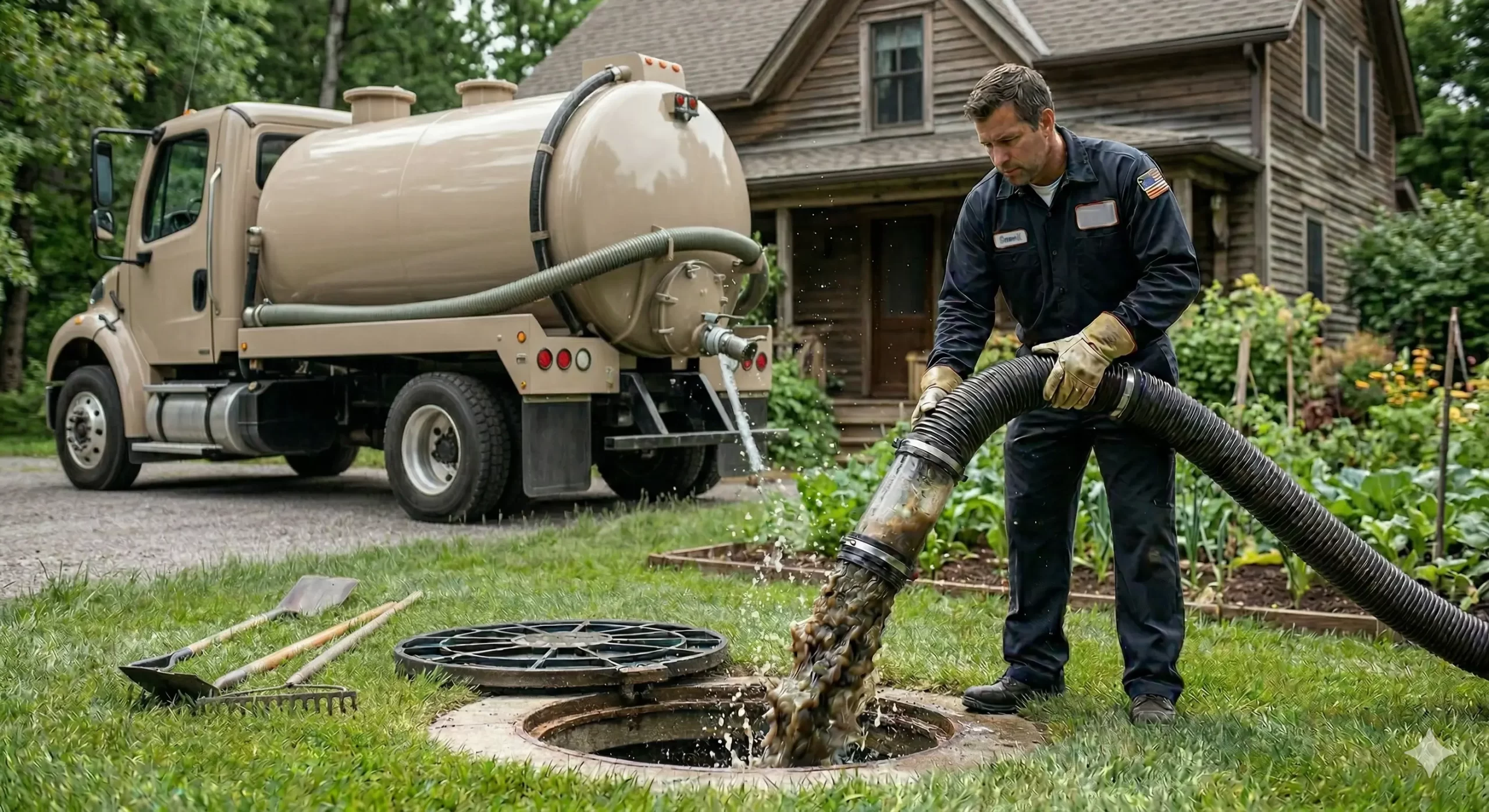
Howdy, neighbor! It’s your friendly neighborhood septic expert, here to talk about everyone’s favorite topic: what’s sittin’ under your lawn and how much it’s gonna cost to deal with it in 2026. Let’s get right to it. You’re here because you want numbers, not a song and dance. So, what’s the damage for pumping a septic tank here in the beautiful, but sometimes very soggy, state of Mississippi? To get a customized pumping schedule, feel free to speak with our local representatives in Eagle Lake, FL.
On average, you can expect the cost for a standard septic tank pumping in Mississippi for 2026 to be somewhere between $350 and $700. That’s a pretty wide range, I know. It’s like saying a truck costs between $30,000 and $80,000. The final price tag depends on a whole mess of factors, just like whether you’re getting a basic work truck or a fully-loaded dually. Let’s break it down so you know exactly what you’re paying for.
| Tank Size (Gallons) | Standard Pumping Range | Potential Added Costs & Notes |
|---|---|---|
| 1,000 Gallons (Common for 3-BR homes) | $350 – $550 | This is your baseline. Price is higher near Jackson or the Gulf Coast vs. rural areas like the Delta. |
| 1,250 Gallons (Common for 4-BR homes) | $425 – $650 | More volume means more time and truck capacity. Simple as that. |
| 1,500+ Gallons (Large homes, 5+ BR) | $500 – $700+ | For these big boys, sometimes two trips are needed, or the job just takes longer. |
| Note: These are estimates. Always get a direct quote! Extra fees for digging, extra hose, or emergency service are not included. | ||
What Else Moves the Price Needle?
- Location, Location, Location: Are you out in the sticks past Yazoo City or in a suburb of Southaven? Our trucks drink diesel, and the farther we have to drive, the more it costs. Expect a mileage surcharge if you’re more than 20-30 miles from a service’s home base.
- Lid Accessibility: Is your septic lid showing its smiling face, or is it buried under six inches of that famous Mississippi clay and a prize-winning azalea bush? If we have to bring out the shovels and probe rods to find and excavate your lid, that’s labor time, and it’ll add $50 to $150 to the bill.
- The “Oh Heck No” Factor: Has it been 10 years since your last pump-out? If so, the sludge layer at the bottom of your tank could be as hard as a brick. This requires special tools (crust busters) and a lot more time to break up and suck out. This neglect fee can add another $100 or more.
- Emergency Service: Did your toilet back up during the Egg Bowl on Thanksgiving? Calling us out on a weekend, holiday, or after hours comes with a premium. Expect to pay an emergency fee of $150 to $300 on top of the regular pumping cost.
Happy Tank, Happy Life: Pro Maintenance Tips from Your Plumber Pal ️
Look, a septic pump-out is a maintenance cost, not a repair cost. You want to keep it that way. A repair, like replacing a failed drain field, can cost you $5,000 to $20,000 or more. Let that sink in. So, how do you keep that underground beast happy and humming along? Whether it’s a minor repair or a major overhaul, our Cleveland, TX plumbing and septic crew has you covered.
But when you stop and think about it, isn’t your septic system the unsung hero of your home? It works silently, 24/7, handling everything you throw at it without a single word of complaint. It asks for so little in return—just a bit of respect for what goes down the drain and a scheduled clean-out every few years. Neglecting it is like never changing the oil in your car; it’s not a matter of *if* it will break down, but *when*, and it’s guaranteed to be at the worst possible moment. Upgrading your system? Let our Irondale, AL installation experts walk you through the options.
Here’s the simple playbook:
- Only Flush the 3 P’s: Pee, Poo, and (toilet) Paper. That’s it. Wipes that say “flushable” are LIARS. They don’t break down and cause massive clogs. Also on the no-fly list: feminine hygiene products, paper towels, dental floss, cat litter, coffee grounds, and your kid’s goldfish.
- Be Kind to Your Drains: Your kitchen sink is not a garbage can. Scrape your plates! Large amounts of grease and oil will cool and solidify in your tank, creating a thick, nasty scum layer that’s hard to break down. Chemical drain cleaners are also a big no-no; they kill the beneficial bacteria that your system needs to function.
- Water is the Enemy (in large quantities): A septic system is designed to handle a certain amount of water per day. Long showers, doing 10 loads of laundry in one day, or letting a toilet run can overwhelm your system, flooding the drain field. This is especially true in Mississippi, where our soil gets saturated from heavy rains. Give your system time to breathe.
- The Additive Argument: You see them in the store—powders and pods that promise to “boost” your septic tank. Honestly? Most are unnecessary if your system is working properly. Your daily household waste provides plenty of food for the bacteria. If you use a lot of harsh cleaners, a high-quality bacteria supplement *might* help, but it’s not a substitute for regular pumping.
Diagnosing Trouble: Common Septic Scares in the Magnolia State ️♂️
Your septic system will usually give you warning signs before it stages a full-on protest in your living room. The key is to listen. Here are the tell-tale signs that your tank is crying for help:
- Gurgling Drains: When you flush a toilet or run water, do you hear a deep, gurgling sound from the pipes? That’s your plumbing’s way of saying it’s having trouble breathing. ️
- Slow Drains: If all the drains in your house are slow, not just one, it’s probably not a simple clog. It’s a system-wide issue pointing straight to the tank or drain field.
- That Unmistakable Odor: Smelling sewage in your yard or, even worse, inside your house? That’s a five-alarm fire, folks. It means gases are escaping or, heaven forbid, wastewater is.
- The Magical Green Lawn: Is there one patch of grass over your drain field that’s suspiciously lush and green, even in the dead of a Mississippi summer? You’re not a gardening genius; you’ve got a leak. The “effluent” (liquid waste) is surfacing and acting as fertilizer.
- Puddles in the Yard: If you see standing water or soggy spots over your tank or drain field when it hasn’t been raining, you have a serious problem. This is a health hazard and needs immediate attention.
Progression of Failure: The Septic Danger Timeline Timeline ➡️
Neglect isn’t a single event; it’s a slow burn. Here’s what it looks like over time:
- Year 1-3 (The Honeymoon Phase): Everything works perfectly. Solids settle, liquids flow to the drain field. You forget you even have a septic tank. This is the ideal time for your first pump-out.
- Year 3-5 (The Subtle Warnings): The sludge layer at the bottom and the scum layer at the top are getting thick. Efficiency drops. You might notice a slightly slower drain here and there, but you ignore it. Pumping now is still considered routine maintenance.
- Year 5-7 (The Yellow Zone): The tank is now over 40% full of solids. There’s less room for wastewater to settle, so solid particles start flowing into your drain field pipes, clogging the perforations. You’re now getting frequent gurgles and bad odors after a heavy rain. Pumping now is urgent.
- Year 7+ (Catastrophic Failure): Your drain field is clogged with solid waste. Effluent can no longer be absorbed into the soil. Wastewater backs up into your house through toilets and showers, or pools on your lawn. You are no longer looking at a pumping bill; you are looking at a system replacement.
A Real-Life Mississippi Story: The Thompson’s Crawfish Boil Calamity
Let me tell you about the Thompsons down in Pearl River County. They were hosting their annual family crawfish boil. Cousins came in from all over. The house was full, the toilets were flushing, the sinks were running, and the beer was flowing. Right around dusk, Mrs. Thompson noticed the downstairs toilet wasn’t just flushing slow—it was… bubbling. Keeping your system healthy is easier when you partner with top-rated Navarre, FL septic technicians.
An hour later, as Uncle Bobby was washing mud off his hands, the kitchen sink backed up with nasty, gray water. The party was over. They called us in a panic. It was an 8 PM Saturday call. We arrived and diagnosed the problem quickly. Their 1,250-gallon tank hadn’t been pumped in eight years. The sheer volume of water use from the party was the straw that broke the camel’s back. The tank was completely full, and the outlet baffle filter was hopelessly clogged with solids. Protect your property value by working with certified septic inspectors in Wildwood, FL.
The job involved:
- An emergency call-out fee: $200
- Pumping the overdue 1,250-gallon tank (which took extra time): $575
- Locating and digging up the buried lid: $75
- Removing, cleaning, and reinstalling the effluent filter: $50
Total Bill: $900. A routine pumping three years earlier would have cost them about $450. Their lesson learned is my free advice to you: routine maintenance is always, ALWAYS cheaper than an emergency.
Hear It From Your Neighbors! ⭐⭐⭐⭐⭐
“I was dreading the whole septic pumping process, but these guys made it so easy. The technician was on time, super friendly, and explained everything he was doing. He found the lid in minutes and didn’t leave a single speck of mud in my yard. The price was exactly what they quoted me over the phone. A+ service from a Tupelo homeowner!”
– Brenda G., Tupelo, MS
“We had a serious backup on a Sunday morning. Water everywhere. I called in a full-blown panic. They had a truck out to my place in Biloxi in under 90 minutes. The driver, Mike, was calm and professional. He not only pumped the tank but also found the root cause (a clogged filter) and fixed it. Worth every single penny. They saved the day!”
– Mark T., Biloxi, MS
The Big FAQ: Your Burning Questions Answered!
How often should I *really* pump my tank in Mississippi?
The golden rule is every 3 to 5 years for most households. However, this can change. If you have a large family (more than 4 people) on a smaller 1,000-gallon tank, you should lean towards every 3 years. If it’s just two of you in the house, you might stretch it to 5 years. Using a garbage disposal heavily will also require more frequent pumping. Don’t guess—get on a schedule!
What’s the difference between pumping and cleaning a septic tank?
Great question! Some companies use these terms interchangeably, but a professional knows the difference. “Pumping” just sucks the liquids and some solids out. “Cleaning” means we pump out *everything* and then use a water hose or backflush from the truck to stir up and remove the thick sludge layer at the bottom. You should always ask for a full tank *cleaning* to make sure you’re getting your money’s worth and truly resetting the clock on your system.
Can Mississippi’s clay soil affect my septic system?
Absolutely! Much of Mississippi has heavy clay soil, like the Yazoo Clay. Clay has very low permeability, meaning it doesn’t absorb water well. During our heavy rain seasons, this soil becomes saturated. If your drain field is in clay, it can’t absorb the effluent from your tank effectively, putting extra stress on the whole system. This can lead to premature failure and backups, making regular pumping even more critical to reduce the load on the field.
What happens if I just… never pump my tank?
It’s not a pretty picture. First, the solids will build up until they fill the tank. Then, solid waste will flow into your drain field, permanently clogging the pipes and soil. Your drains will stop working, raw sewage will back up into your home, and you’ll create a serious biohazard in your yard. The end result is a failed system that can’t be fixed by pumping. You will have to pay for a complete drain field replacement, which, as we mentioned, can cost tens of thousands of dollars. It’s the most expensive mistake a homeowner can make.
Technically Reviewed By:
BlixBase Master Plumber Team
20+ Years Septic Industry Experience | Certified System Inspectors