
This Isn’t Just a Clog. It’s a Biohazard Event.
Listen up. Your toilets are gurgling. There’s a foul odor near your drainfield. This is not a ‘wait and see’ situation. You have an active septic system failure, and the point of failure is likely your distribution box, choked by invasive tree roots. This is a direct threat to your family’s health and the local environment. Every flush sends untreated effluent into the soil, creating a subterranean plume of pathogens and nitrates heading directly for your groundwater, your well, and any nearby streams or wetlands. We need to act now.
The distribution box, or D-box, is the heart of your drainfield. It’s the critical junction that evenly distributes liquid waste from your septic tank into the leach lines. When roots invade and clog this box, they don’t just stop the flow. They turn your backyard into a ticking environmental time bomb. The pressure builds, untreated sewage finds the path of least resistance, and that path is often upwards to the surface or sideways into fragile ecosystems. This is a Class 1 contamination event waiting to happen.

Case Study: The Miller’s Nightmare in Snohomish County, WA
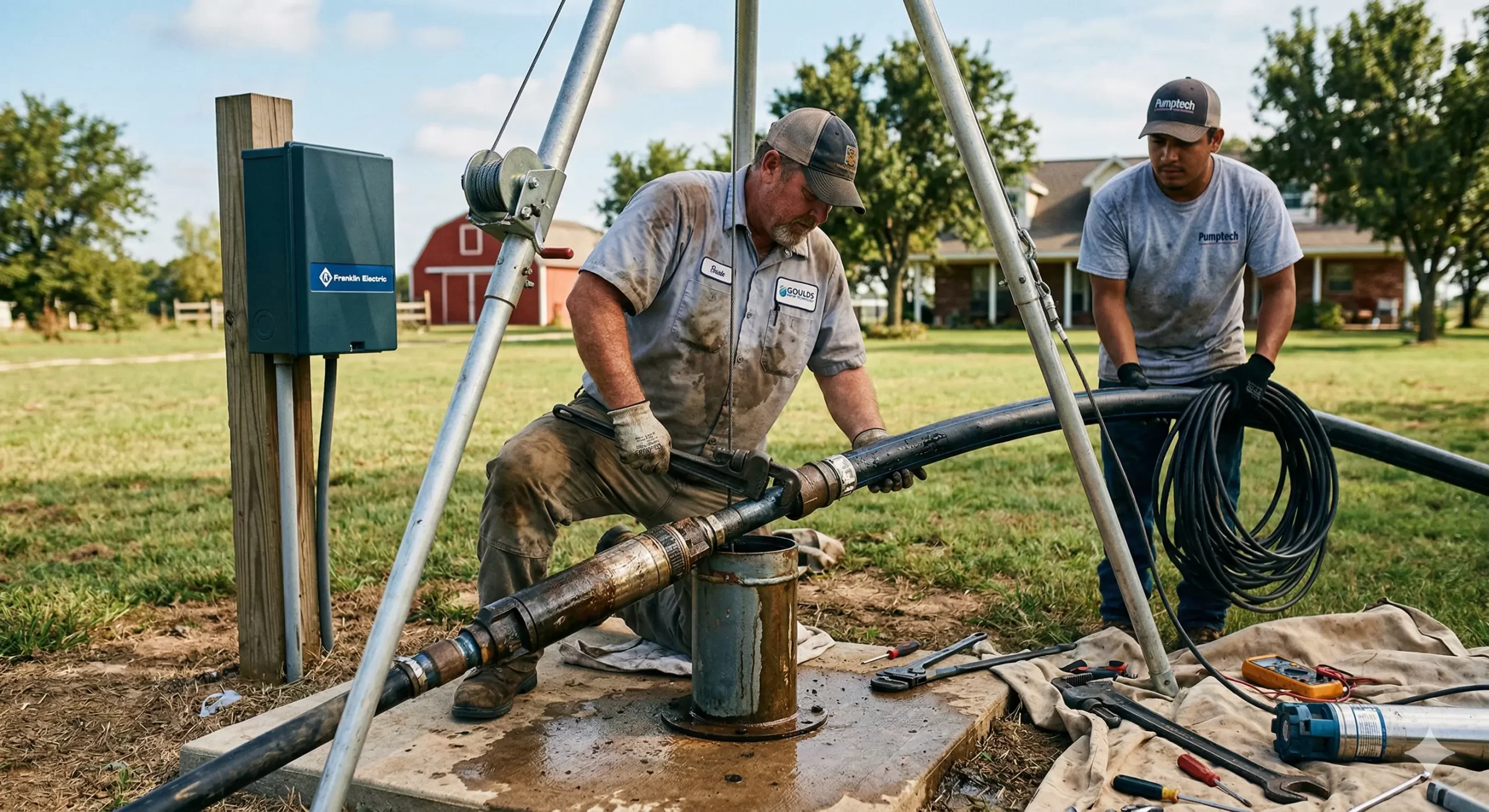
The Miller family lived on a beautiful two-acre lot, proud of their towering Douglas Firs. For months, they ignored the signs. A slow-draining shower. The washing machine causing the downstairs toilet to bubble. They blamed old pipes. They bought chemical drain cleaners. They made the problem worse.
The call came on a Saturday morning. Their septic alarm was screaming, and raw sewage was surfacing near a patch of unnaturally green grass. They have a private well, less than 100 feet from their septic system. A nearby creek on their property feeds into a salmon-bearing tributary. The stakes were incredibly high.
Upon excavation, we found their concrete D-box completely shattered. A thick, fibrous mass of fir roots had not only infiltrated the seams but had physically crushed the box. Effluent wasn’t being distributed; it was being injected directly into the subsoil, creating a concentrated bio-sludge. Lab tests of their well water, taken under emergency protocol, showed elevated levels of coliform bacteria. They were on the verge of drinking their own waste. Their septic failure was actively contaminating their own drinking water source and threatening a protected salmon habitat. We initiated an emergency pump-out, D-box replacement with a modern poly-propylene unit, and hydro-jetted every single leach line to clear the infestation. The contaminated soil had to be excavated and disposed of as hazardous material. It was a costly lesson in proactive maintenance.
Emergency Triage Protocol: What to Do RIGHT NOW
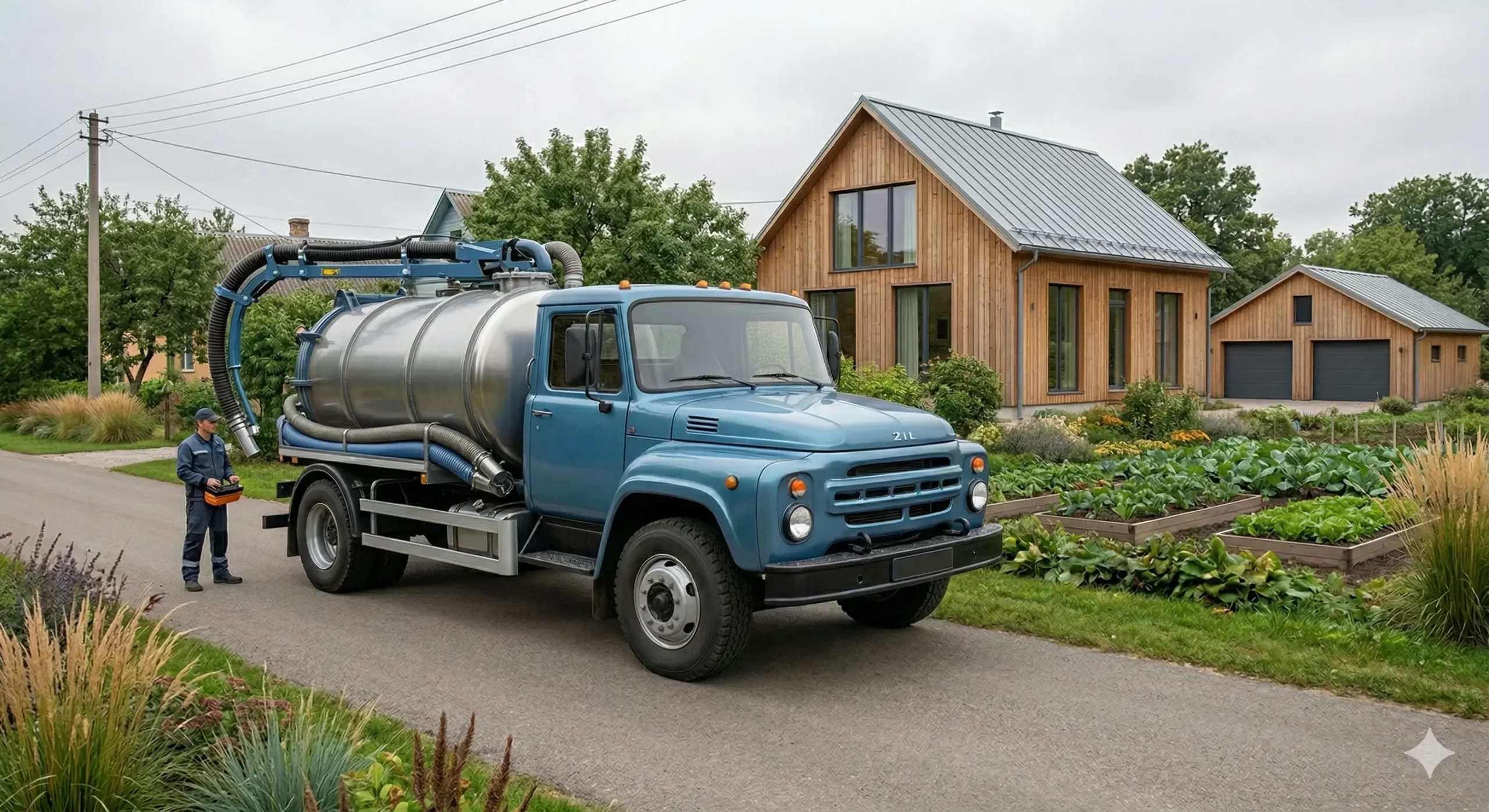
You need to assess the situation quickly and safely. Follow these steps. Do not deviate.
Step 1: Identify Red Flags
- Auditory Warnings: Gurgling sounds from any drain in the house.
- Visual Warnings (Indoors): Slow drains in sinks, showers, and tubs. Toilets that don’t flush properly or back up.
- Visual Warnings (Outdoors): Spongy, wet ground over the septic tank or drainfield. Unusually lush, green grass concentrated in one area. Standing water or sewage on the surface of your lawn.
- Olfactory Warnings: A distinct ‘rotten egg’ or sewage smell outdoors, especially after rain or heavy water use.
Step 2: Locate the D-Box (Intel Gathering)
Your ‘as-built’ diagram from your local health department is your map. If you don’t have it, you’ll need to probe. The D-box is typically located 10-20 feet downstream from the septic tank’s outlet. Use a thin metal rod (a soil probe or rebar) and carefully push it into the ground every 6-12 inches. You’re looking for a hard, flat surface about 6-24 inches down. Work in a grid pattern. Once you find it, carefully dig around the perimeter to expose the lid.
Step 3: Initial Visual Inspection
Carefully pry open the D-box lid. Be prepared for a strong odor. Here’s what you’re looking for:
- Flooding: Is the box full of water, above the outlet pipes? This is a definitive sign of a clog downstream.
- Uneven Flow: Is water flowing into some outlet pipes but not others? This indicates specific lateral line clogs.
- Visible Roots: Can you see hair-like or thick, woody roots entering the box through seams or pipe connections? This is your culprit.
- Sludge Accumulation: Is there thick, black sludge at the bottom? This suggests your septic tank needs pumping and solids are escaping into the drainfield, another critical failure mode.
Progression of Failure: A Timeline of Ecological Disaster
This problem doesn’t happen overnight. It’s a slow-moving catastrophe.
| Stage & Timeframe | Symptoms & Environmental Impact |
|---|---|
| Level 1: Stealth Intrusion (Years 1-2) | Tiny feeder roots breach D-box seals, attracted by moisture and nutrients (hydrotropism). No visible symptoms. System functions normally. The threat is hidden. |
| Level 2: Developing Obstruction (Years 3-4) | Root mass grows, forming a fibrous net inside the box. Effluent flow to some leach lines is slowed. You might notice occasional slow drains after heavy use. Minor, localized soil saturation begins. |
| Level 3: Critical Blockage (Years 5-6) | D-box is now significantly clogged. Effluent backs up into the septic tank and potentially your home. Foul odors are noticeable. The ground above the D-box is consistently soggy. A significant risk of localized groundwater contamination is now present. |
| Level 4: Catastrophic System Failure (Year 7+) | Total blockage. Hydraulic pressure forces untreated sewage to the surface, creating a dangerous biohazard zone. The entire drainfield is compromised. This is an active contamination event, poisoning your property, threatening aquifers and wells, and requiring emergency intervention from health authorities. |
Proactive Defense: Protecting Your Aquifer
An ounce of prevention is worth a ton of cure—and a ton of contaminated soil. Implement this defensive strategy.
Strategic Landscaping
Know your enemy. Trees like willows, maples, elms, and birches have aggressive, water-seeking root systems. They should never be planted near a septic system. Keep a minimum safe distance of 50-100 feet for major trees. Opt for shallow-rooted grasses and perennials over the drainfield.
Root Barriers
If you have existing trees, you can install physical root barriers. These are large sheets of plastic or metal buried vertically in the ground between the tree and the D-box/drainfield to deflect root growth. It’s a significant landscaping project but can be effective.
Scheduled Inspections
Open your D-box lid every 1-2 years. It’s a five-minute check that can save you from an environmental disaster. Look for any signs of root intrusion and check that flow is even to all outlet pipes. Catching a small root early is a simple fix. Ignoring it leads to catastrophe.
The Fix: Remediation and Restoration
Did you think you could just shovel the dirt back and call it a day? The remediation process is multi-phased and must be executed precisely to ensure the safety of your property and the environment. You can find more detailed pricing and local regulations on our dedicated Belton, TX location page.
Phase 1: Containment and Root Annihilation
First, stop all water use in the house. The system must be at rest. After exposing the D-box, the root mass must be removed. Small roots can be pulled by hand. For severe infestations, two methods are used: Our Palm Springs, FL service technicians are fully licensed to handle these exact types of installations.
- Mechanical Augering (The ‘Roto-Rooter’): A spinning corkscrew-like head is fed into the lines. It’s effective at breaking up heavy clogs but can damage older clay or plastic pipes.
- Hydro-Jetting (The Superior Method): This is the gold standard. A high-pressure water jet (up to 4000 PSI) with a specialized nozzle blasts through the root mass, cutting it to pieces and flushing it out of the system without harming the pipes. It scours the pipe walls clean, removing the sludge that attracts new root growth.
Phase 2: D-Box Repair or Replacement
Once the lines are clear, inspect the D-box itself. If it’s an older concrete box with minor root intrusion through the seams, it can sometimes be sealed with hydraulic cement. However, if it is cracked, crushed, or compromised, it MUST be replaced. Modern, one-piece polyethylene or polypropylene D-boxes with watertight grommets for pipe connections are far superior and resistant to root intrusion.
Phase 3: System Verification
After repair or replacement, the system must be tested. We introduce a controlled amount of water into the D-box and verify that it flows evenly out of all outlet ports into the lateral lines. This confirms the entire drainfield is now receiving effluent as designed, preventing future localized overloading and failure. If you reside in the area, you can learn more about our septic services in Bossier City, LA.
Cost Analysis: Investing in Environmental Safety
The cost is not just about the repair; it’s about avoiding fines from the health department and the immense cost of remediating contaminated soil and water. Below is a breakdown. Note how the environmental risk skyrockets with improper DIY attempts.
| Service / Repair | Typical Professional Cost | Environmental Risk if Done Wrong |
|---|---|---|
| Emergency Diagnostic & Excavation | $300 – $600 | Low (if proper safety protocols are used) |
| Mechanical Augering / Root Cutting | $400 – $800 | Moderate (Pipe damage can lead to concentrated leaks) |
| Hydro-Jetting Service | $600 – $1,200 | Low (Highly effective and safe for pipes) |
| D-Box Replacement (Plastic/Poly) | $900 – $2,500 (includes labor) | High (Improper sealing creates a new entry point for roots and leaks) |
| Full Drainfield Remediation | $5,000 – $20,000+ | Extreme (The result of ignoring the problem) |
Hear From Homeowners We’ve Helped
⭐⭐⭐⭐⭐ – Sarah K., Olympia, WA
“We had a total septic backup. The smell was unbearable, and we were terrified for our well. Their team was here within two hours. They diagnosed the root-clogged D-box immediately, explained the environmental risks without scaring us, and used a hydro-jet to clear it. They were professional, fast, and treated the situation like the emergency it was. Total lifesavers.” We understand the specific environmental rules for your region. Learn more from our experts in Boynton Beach, FL.
⭐⭐⭐⭐⭐ – Mark T., Portland, OR
“My lawn was turning into a swamp. I thought I needed a whole new drainfield. They came out, located the D-box, and showed me the massive root ball choking it. Instead of upselling me, they replaced the crushed box, jetted the lines, and gave me a clear plan for landscaping to prevent it from happening again. Honest, expert service that protected my property and my wallet.” To get a customized pumping schedule, feel free to speak with our local representatives in Plano, TX.
Critical Intel: FAQ for Homeowners
Is a clogged D-box a genuine biohazard?
Yes, absolutely. A clogged distribution box that causes untreated effluent to surface on your lawn creates a direct exposure risk to pathogens like E. coli, Salmonella, and viruses. This contaminated water can pollute groundwater, private wells, and nearby bodies of water, posing a severe risk to public health and the environment. It must be treated as a hazardous situation.
Can I just pour commercial root killer down my toilet?
This is strongly discouraged as a primary solution for an active clog. While some products can help manage minor root growth, they are ineffective against a major blockage. Furthermore, harsh chemicals can disrupt the essential bacterial ecosystem in your septic tank, hindering its ability to break down solid waste. For a severe clog, mechanical removal via augering or hydro-jetting is the only effective and safe solution.
How far away should I plant trees from my septic system?
The general rule depends on the species, but a conservative safe distance is crucial. For large, water-loving trees like maples, willows, or poplars, a minimum distance of 50 to 100 feet from any component of the septic system (tank, D-box, drainfield) is recommended. For smaller trees and large shrubs, maintain at least 20-30 feet. Always research the root behavior of any plant before putting it in the ground near your septic system.
What’s the difference between my septic tank and the distribution box?
The septic tank is the first stage. It’s a large container that receives all household waste, where solids settle to the bottom (sludge) and lighter materials float (scum). Bacteria breaks down solids, and the relatively clear liquid effluent then flows out to the distribution box. The D-box is a much smaller traffic cop that takes that one stream of effluent from the tank and splits it evenly among the multiple pipes of your drainfield for safe absorption into the soil.
Your property’s ecological balance is fragile. A failed septic system is a direct assault on it. Do not wait for the problem to get worse. The health of your family and the safety of your water supply are on the line. Contact a certified professional immediately.
Technically Reviewed By:
BlixBase Master Plumber Team
20+ Years Septic Industry Experience | Certified System Inspectors