

Real-Life Case Study: The Miller’s Clay Soil Nightmare ️

Let me tell you about the Millers. Good folks, but their property was built on the kind of dense, red clay we get here in the Southeast that might as well be concrete. Fifteen years in, their system started showing the classic signs: slow drains, gurgling toilets, and that one patch of lawn that was always suspiciously green and spongy. They were staring down the barrel of a $15,000+ full drain field replacement, which would have turned their beautiful, landscaped backyard into a mud pit for a month.
They called me, desperate. After a thorough inspection—camera scope down the lines, soil percolation test, the works—I determined their tank was fine, but the soil around their drain lines was severely compacted. The biomat formation was present, but it wasn’t a total system-wide slime-out yet. It was a classic case of soil compaction suffocating the system. They were a prime candidate for Terralift.
We brought the machine in. It looks like something out of a sci-fi movie—a big probe on wheels. We systematically worked our way down each drain line, inserting the probe about three to six feet deep into the soil. Then came the magic… or science, whatever. With a loud WHOOSH, we blasted compressed air into the ground, creating a network of tiny fissures and cracks throughout the compacted clay. You could literally feel the ground shudder. Immediately after the air blast, we injected the polystyrene beads. These little white beads hold the new fissures open, creating permanent pathways for the effluent to escape the trench and percolate into the soil like it’s supposed to.
The result? Almost immediate. The standing water on the surface was gone within a day. Their drains ran faster than they had in years. We saved them over ten grand and completely avoided excavating their yard. Now, I was clear with them: this isn’t a magic wand. They still need to be diligent about maintenance—pumping the tank every 3 years, using septic-safe products, the whole nine yards. For their specific problem—soil compaction—Terralift was the absolute right tool for the job. It’s not always the answer, but when it is, it works like a charm.
Cost Breakdown: Terralift vs. The Nuclear Option
Alright, let’s talk brass tacks. Money. When your lawn starts smelling like a swamp, your wallet starts sweating. You’ve basically got two paths: remediation (like Terralift) or total replacement. Don’t get sticker shock, just face the music. I’ve put together a little table to lay out the cold, hard facts. Back in the day, we only had one option: bring in the backhoe. Now, you’ve got choices, but they ain’t all equal.
| Factor | Terralift Service | Full Drain Field Replacement |
|---|---|---|
| Average Cost | $2,500 – $6,000 | $8,000 – $20,000+ |
| Yard Disruption | Minimal. Small probe holes that disappear. | Total destruction. Your yard becomes a WWI trench scene. |
| Project Time | 1 Day | 3 Days to 2+ Weeks (depending on permits/weather) |
| Longevity | Variable: 5 years to permanent, if soil compaction was the only issue. | 20-30+ Years (a new system lifespan) |
| Environmental Note | Injects polystyrene beads, but stops immediate surface effluent leakage. | Major carbon footprint (heavy machinery), but creates a new, safe processing system. |
Looking at that, you can see why Terralift is so tempting. It’s faster, cheaper, and won’t wreck your prize-winning petunias. But don’t let the low price tag fool you into a bad decision. If your system is truly at the end of its life, spending $5,000 on a Terralift job that only lasts a year is just throwing money into a stinky hole before you have to pay for the replacement anyway.
Progression of a Septic Apocalypse: A Danger Level Timeline Timeline
A septic system doesn’t just fail overnight. It dies a slow, gurgling death. Ignoring the signs is like ignoring a cough that turns into pneumonia. You’re not just risking a plumbing bill; you’re creating a concentrated biohazard that threatens your family’s health and the local ecosystem. Here’s how the disaster unfolds:
- Stage 1 (Years 1-5): The Honeymoon Phase. Everything works. Waste goes down, it disappears. Out of sight, out of mind. The soil is percolating properly, and the anaerobic/aerobic bacterial processes are in balance. No environmental threat.
- Stage 2 (Years 6-10): The Subtle Warnings. You might hear a gurgle in the pipes after a big load of laundry. Maybe the drains seem a *little* slower. This is the sound of the ‘biomat’—a layer of black, slimy bacteria—getting thicker in your drain field, reducing the soil’s absorption capacity. The system is under stress.
- Stage 3 (Years 11-15): The Obvious Problems. Now you’ve got issues. A recurring septic odor in the yard after it rains. Backups into the lowest shower or toilet every few months. The grass over the drain field is unnaturally green and lush. This is the critical stage where untreated effluent is beginning to surface or pool below ground, creating a localized pocket of contamination. Your system is actively failing.
- Stage 4 (Year 15+): CATASTROPHIC FAILURE & BIOHAZARD. It’s over. Black, foul-smelling water is pooling on your lawn. Toilets won’t flush. The stench is unbearable. You now have a serious public health crisis in your yard. This pathogenic soup, teeming with E. coli, fecal coliforms, and viruses, is now seeping into the topsoil. With the next heavy rain, it will be carried into storm drains, creeks, and potentially the groundwater table. This isn’t just a plumbing problem; it is an active environmental contamination event.
Troubleshooting 101: Don’t Blame the Drain Field… Yet!
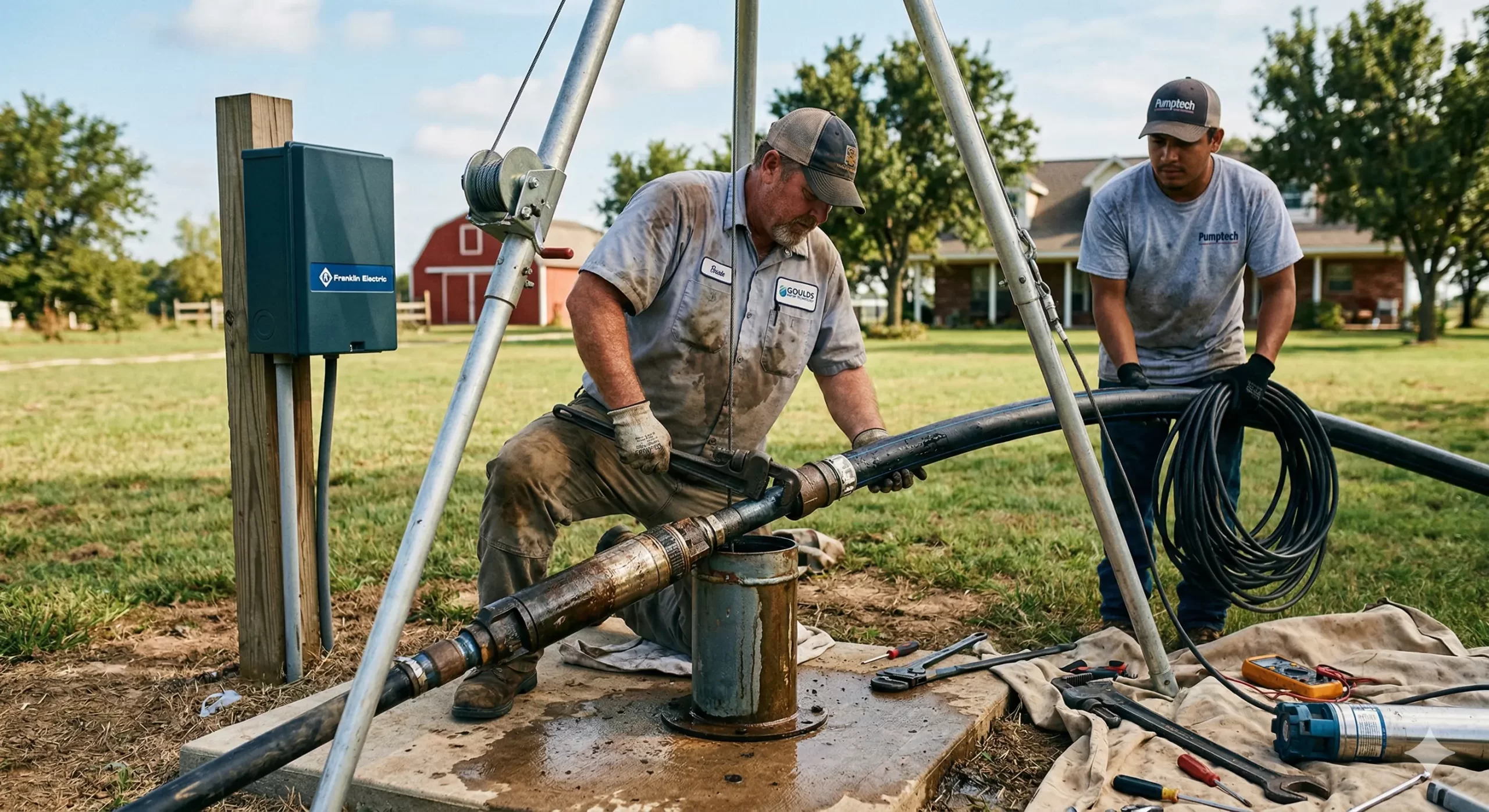
Look, I get it. You see a wet spot on the lawn and you panic. You start Googling and see horrifying numbers with lots of zeroes. But hold your horses. Not every septic backup is a sign of a dead drain field. Before you convince yourself you need to sell a kidney to pay for an excavation, let’s run through the basics. Half the calls I get for a ‘failed field’ are actually one of these simpler, cheaper problems:
- When Was Your Last Pump-Out? Seriously. I can’t say this enough. If you can’t remember the last time you saw a big vacuum truck in your driveway, that’s your problem. A full tank can’t separate solids, so they get pushed into the drain field lines and clog the pipes. A simple pump-out might solve your issue. Cost: $300-$600.
- Check Your Effluent Filter. Modern systems have a filter in the outlet baffle of the tank. It’s designed to catch lint, hair, and other small particles before they get to the field. Guess what? They get clogged! Pulling it out and hosing it off (wear gloves, for Pete’s sake!) can restore flow instantly. Cost: $0 if you do it yourself.
- Is There a Clog Between the House and the Tank? Sometimes the problem is just a good old-fashioned clog. Roots, grease, a flushed toy… you name it, I’ve seen it. If the backup is only in one part of the house, or if the ground around the tank itself is dry, you might just need a plumber to snake the main line. Cost: $200-$500.
- The D-Box is Drowning. The Distribution Box (D-Box) is a small concrete or plastic box that splits the effluent flow evenly among the different drain field lines. If it gets tilted, damaged, or one outlet pipe gets clogged, it can send all the water down one line, overwhelming it and causing a localized wet spot. Re-leveling or cleaning out a D-box is way cheaper than a new field.
Only after you’ve ruled out all of these should you start worrying about the drain field itself. A proper diagnosis from someone who knows what they’re looking at will save you thousands.
What Folks Are Saying…
⭐⭐⭐⭐⭐ – Saved Our Backyard & Our Bank Account!
“We were quoted $17,000 for a new drain field and told it was our only option. Our yard was a swamp. I called these guys for a second opinion. They came out, diagnosed a severe compaction issue, and recommended Terralift. One day and a fraction of the cost later, our system is working perfectly. No digging, no mud pit, just results. Can’t thank them enough for their honesty and expertise.” Don’t ignore the warning signs. Reach out to our septic maintenance crew in Mesquite, TX today.
– Sarah & Tom Jenkins, Alpharetta, GA
⭐⭐⭐⭐⭐ – Honest, Professional, and Didn’t Try to Upsell Me
“My toilets were gurgling and I had a smelly spot in the yard. I was sure I was doomed. The technician came out, spent an hour inspecting everything from the tank to the field, and found my effluent filter was completely impacted. He cleaned it out, educated me on proper maintenance, and charged me for a service call. He could have easily sold me on a bigger, more expensive job, but he was honest. This is how a business should be run.” Looking for a reliable local contractor? Explore our septic solutions for Springfield, FL.
– David Chen, Raleigh, NC
The Cold, Wet, Smelly Truth About Septic Failure & The Environment
Let’s get one thing straight. A failing septic system isn’t just an inconvenience. It’s a localized ecological disaster. Your septic drain field is supposed to be a miniature, passive wastewater treatment plant. When it works, it’s brilliant. When it fails, it becomes a primary source of dangerous non-point source pollution.
The effluent leaving your tank is a toxic cocktail. It’s loaded with nitrogen, phosphorus, viruses, and pathogenic bacteria like E. coli. The drain field’s job is to slowly release this effluent into a large area of unsaturated soil. The soil acts as a giant, natural filter. Aerobic bacteria in the soil break down the organic solids and kill the pathogens. It’s a delicate balance. If you smell sewage or hear gurgling, contact our Lady Lake, FL septic repair specialists immediately.
When the soil gets compacted or the biomat gets too thick, the soil can no longer absorb the liquid. This creates an anaerobic condition—an environment without oxygen. Anaerobic decomposition is slow, smelly, and inefficient at treating waste. The effluent then finds the path of least resistance: up to the surface of your lawn, or straight down into the groundwater. Need immediate assistance? Find trusted septic tank pumping in Center, TX right away.
When this pathogenic plume hits the groundwater, it can create a ‘nitrate plume’ that can travel for miles, contaminating the aquifer that you and your neighbors rely on for drinking water. High nitrate levels in well water are linked to Methemoglobinemia, or ‘Blue Baby Syndrome,’ a life-threatening condition in infants. The phosphates and nitrogen that escape into surface waters cause eutrophication—that’s a fancy word for massive algal blooms that suck all the oxygen out of the water, killing fish and creating dead zones in local ponds and streams. Your failing system creates a ripple effect of ecological damage. That’s why the health department takes this stuff so seriously. It’s not just your problem; it’s a community health problem.
Frequently Asked (and Feared) Questions about Terralift
You got questions, I got grumpy but honest answers. Here’s what everyone wants to know before they pull the trigger. Whether it’s a minor repair or a major overhaul, our Montgomery, AL plumbing and septic crew has you covered.
How long does a Terralift fix actually last?
This is the million-dollar question. Anyone who gives you a hard number is lying. If your problem was 100% soil compaction from construction or vehicle traffic, the fix could be considered permanent. The polystyrene beads don’t degrade. But, if you have an underlying issue—like a growing biomat, hydraulic overload (too much water use), or you don’t maintain your system—you’ll just clog up the new pathways eventually. Realistically, think of it as buying you anywhere from 5 to 15 more years of life from your existing field, IF it’s the right solution for your specific problem.
Is injecting polystyrene beads into the ground environmentally safe?
It’s a valid concern. You’re putting plastic in the ground. However, the beads are a very small part of the overall soil volume. They are also chemically inert, meaning they don’t break down or leach chemicals into the soil or groundwater. Compare this to the alternative: a massive leaking biohazard of untreated sewage pouring into the aquifer. From an environmental standpoint, stopping an active septic failure is the far greater good. The beads are a necessary evil to keep the fractured soil open and allow for the safe, natural treatment of effluent.
When is it definitely TOO LATE for Terralift?
It’s too late when the problem is no longer just compacted soil. If the drain lines themselves are broken, crushed, or completely filled with solid waste and roots, Terralift can’t fix that. If the entire drain field is saturated with an incredibly thick, mature biomat that has turned the soil into a waterproof layer of slime, the air won’t be able to create effective, lasting fissures. Finally, if your home is in a high groundwater area and the water table itself is flooding the drain field, no amount of soil fracturing will help. You need a new, likely mounded, system design. Proper diagnosis is key!
Are septic additives a better first step than Terralift?
Absolutely not. In my 30 years, I have never seen a single septic additive magically fix a failing drain field. Most are junk science. Some can even make the problem worse by breaking up the sludge layer in your tank and sending solids into the field, clogging it faster. Your septic tank already has all the bacteria it needs. Don’t waste your money on ‘miracle’ chemicals. The only things that should go in your tank are human waste, water, and septic-safe toilet paper. Save that money for a proper tank pump-out.
Some Final, Grumpy Maintenance Tips So I Don’t Have to See You Again
Listen, I like your business, but I’d rather you not have to call me for a catastrophic failure. An ounce of prevention is worth a pound of… well, you know. Here’s how you keep your system happy and your groundwater clean.
- Pump Your Tank: Every 3-5 years, no excuses. It’s the single most important thing you can do.
- Mind Your Water: Don’t do 10 loads of laundry in one day. Spread it out. Leaky toilets are septic killers. Fix them immediately. Water conservation is drain field conservation.
- Garbage In, Garbage Out: Your toilet is not a trash can. No wipes (even ‘flushable’ ones are lies), no feminine products, no paper towels, no grease, no harsh chemicals. These things kill the good bacteria and clog the pipes.
- Protect the Field: Don’t park cars on it. Don’t build a deck over it. Don’t plant trees on it (roots are evil). Let it breathe and do its job.
Terralift is a fantastic tool in our arsenal for combating certain types of septic failure, especially in compacted soils. It can save you a fortune and prevent a massive environmental headache. But it’s not a cure-all. The real solution is, and always has been, boring, routine maintenance. Now get off my lawn… unless it’s soggy, then give me a call.
Technically Reviewed By:
BlixBase Master Plumber Team
20+ Years Septic Industry Experience | Certified System Inspectors