
A septic system operates with the same unforgiving precision as a vehicle’s engine. The septic tank itself is analogous to the oil pan and filter; it is designed to hold a specific volume, separate contaminants (solids from liquids), and process them under controlled conditions. Introducing an excessive volume of water—known as hydraulic overload—is equivalent to flooding an engine’s crankcase with gasoline. It dilutes the essential processing medium (the anaerobic bacteria), prevents proper separation, and forcibly ejects unfiltered, damaging material (solids and scum) into a component not designed for it (the drain field), causing rapid, catastrophic, and financially ruinous failure.
This document provides a quantitative analysis of the operational limits of a standard 1000-gallon septic tank, focusing on the economic consequences of hydraulic overload. The objective is to delineate the precise thresholds between sustainable operation and system failure, thereby empowering homeowners with the data required for responsible system management and financial planning.
Comprehensive Cost-Benefit Analysis: Proactive Maintenance vs. Reactive Failure
The financial calculus of septic system ownership is stark. The cost of proactive, scheduled maintenance is an order of magnitude lower than the cost of emergency repairs and system replacement. A homeowner’s decision to defer or ignore maintenance directly correlates to a high probability of incurring significant, non-discretionary expenses. Below is a detailed breakdown of these costs. Whether it’s a minor repair or a major overhaul, our Mount Pleasant, TX plumbing and septic crew has you covered.
| Expense Category | Proactive Maintenance Cost (5-Year Cycle) | Reactive Failure Cost (Single Event) | Financial Delta |
|---|---|---|---|
| System Pumping | $300 – $600 (Scheduled) | $500 – $900 (Emergency) | +$200 to +$300 |
| Drain Field Jetting/Cleaning | $0 (Not typically needed) | $800 – $2,500 (Attempted Remediation) | +$800 to +$2,500 |
| Drain Field Replacement | $0 | $8,000 – $25,000+ | +$8,000 to +$25,000+ |
| Landscaping & Restoration | $0 | $1,500 – $5,000 | +$1,500 to +$5,000 |
| Permitting & Soil Testing | $0 | $750 – $2,000 | +$750 to +$2,000 |
| Total 5-Year Cost | $300 – $600 | $11,550 – $35,400+ | ROI on Maintenance: ~1,825% – 5,800% |

Real-Life Case Study: Hydraulic Overload in Gwinnett County, Georgia
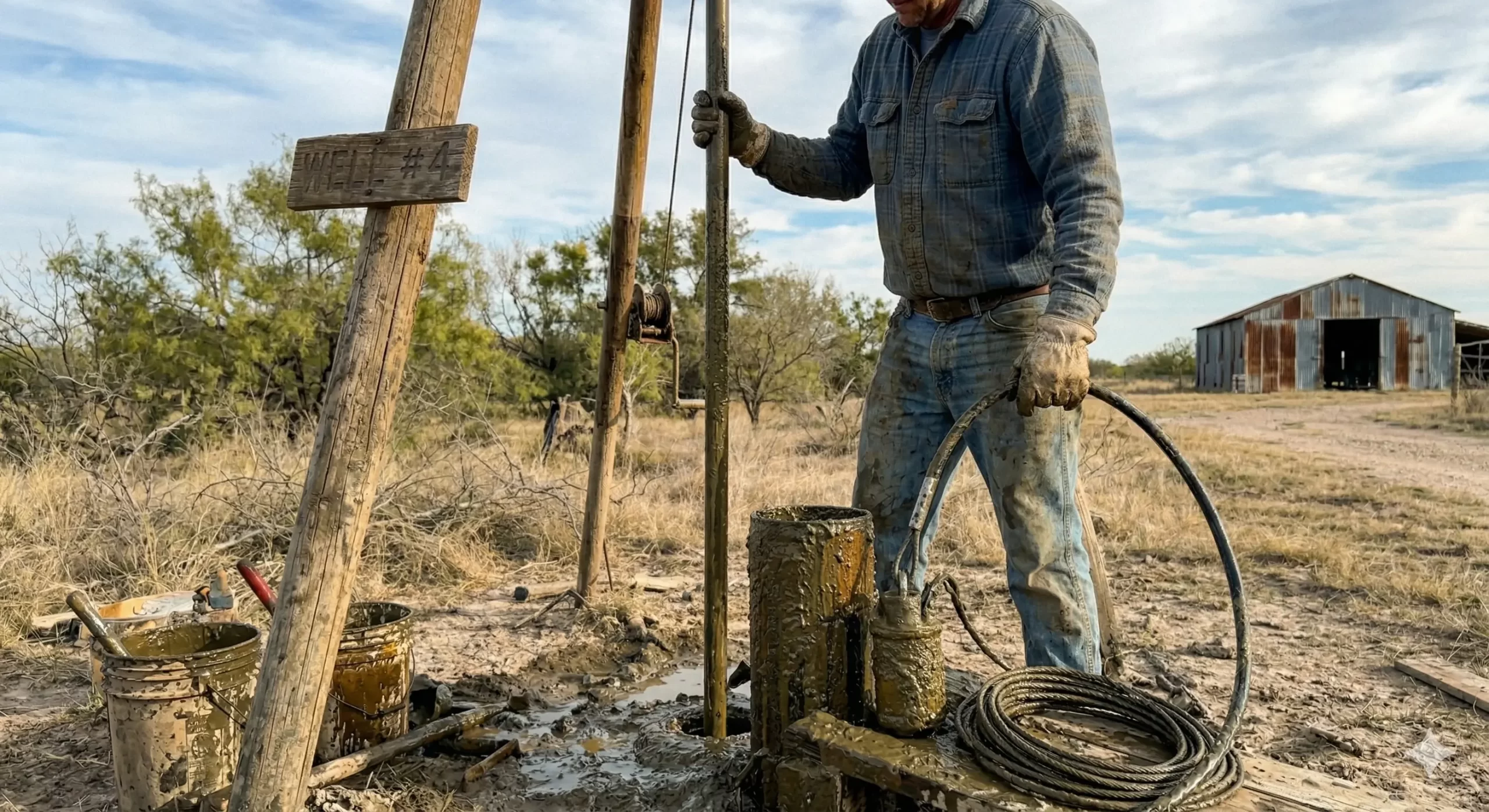
Subject: A 4-bedroom, 3-bathroom single-family residence constructed in 1998, equipped with a 1000-gallon concrete septic tank and a conventional drain field. The property is situated on soil characterized by a high percentage of red clay, typical for the Georgia Piedmont region. Clay soils exhibit low percolation rates, making them particularly vulnerable to hydraulic overload.
Background: The household consisted of two adults and three teenagers. Water usage was consistently high, estimated at 550-600 gallons per day (GPD) due to long showers, frequent laundry cycles (non-HE appliances), and a minor, persistent toilet leak (estimated at 0.5 gallons per minute, or 720 GPD). The system had not been pumped in over 8 years. Don’t wait for a backup to flood your yard. Check out our local services in Homestead, FL.
The Incident: Following a week of heavy spring rains, which saturated the already poorly percolating clay soil, the family hosted weekend guests. The total water usage surged to an estimated 800 GPD for two consecutive days. This acute hydraulic overload completely overwhelmed the system’s capacity. The insufficient hydraulic retention time (HRT) resulted in the flushing of the scum and sludge layers directly into the drain field distribution box and lateral lines. Property owners in the region trust our Opp, AL septic system services for long-term reliability.
The Consequences:
- Immediate Backup: Raw sewage backed up into the downstairs shower and toilets, causing an immediate sanitary crisis.
- Drain Field Failure: The suspended solids clogged the drain field pipes and created a dense biomat at the soil interface, rendering the field impermeable. Effluent began surfacing in the backyard, creating a biohazard and strong odors.
- Financial Impact:
- Emergency Pumping & Assessment: $850
- Interior Biohazard Cleanup and Restoration: $4,200
- County Health Department Permit for Major Repair: $600
- Soil Scientist Consultation & Perc Test for New Field: $1,250
- Full Drain Field Replacement (including excavation, materials, and labor for 450 linear feet of new laterals): $17,500
- Yard Regrading and Landscaping: $2,800
Total Financial Damage: $27,200. This catastrophic failure could have been entirely prevented with a $450 septic pumping every 3-5 years and a $200 plumbing repair to fix the leaking toilet. This case study starkly illustrates that septic system neglect is not a cost-saving measure but a high-risk financial liability.
Proactive Maintenance & ROI on Water Conservation
Managing a septic system is fundamentally an exercise in managing water input. The primary objective is to maintain a daily hydraulic load significantly below the system’s design capacity to ensure an adequate HRT of 24-48 hours. For a 1000-gallon tank serving a 3-bedroom home, the theoretical maximum design flow is approximately 450 GPD. However, for optimal longevity, daily usage should average below 300-350 GPD. We also provide specialized local support—see our Hillsboro, TX service page for details.
High-ROI Water Reduction Strategies:
- Appliance Upgrades: Replacing an older toilet (3.5 gallons per flush) with a WaterSense-certified model (1.28 GPF) can save over 20 gallons per person per day. For a family of four, this is 80 GPD. Over a year, this is 29,200 gallons. The ROI on a $400 toilet, factoring in both water bill savings (if applicable) and reduced load on the septic system, is realized within 2-3 years.
- Leak Detection and Repair: A single running toilet can waste over 200 gallons per day. A faucet dripping at one drip per second wastes over 3,000 gallons per year. The cost of a plumber ($150-$300) to fix these leaks is negligible compared to the hydraulic load they impose.
- Laundry Practices: A non-HE top-loading washing machine uses 40-45 gallons per load. An HE front-loader uses 13-17 gallons. Spreading laundry throughout the week instead of doing multiple loads in one day prevents surge loading that can disrupt the tank’s settling process.
Progression of System Failure: A Timeline of Neglect
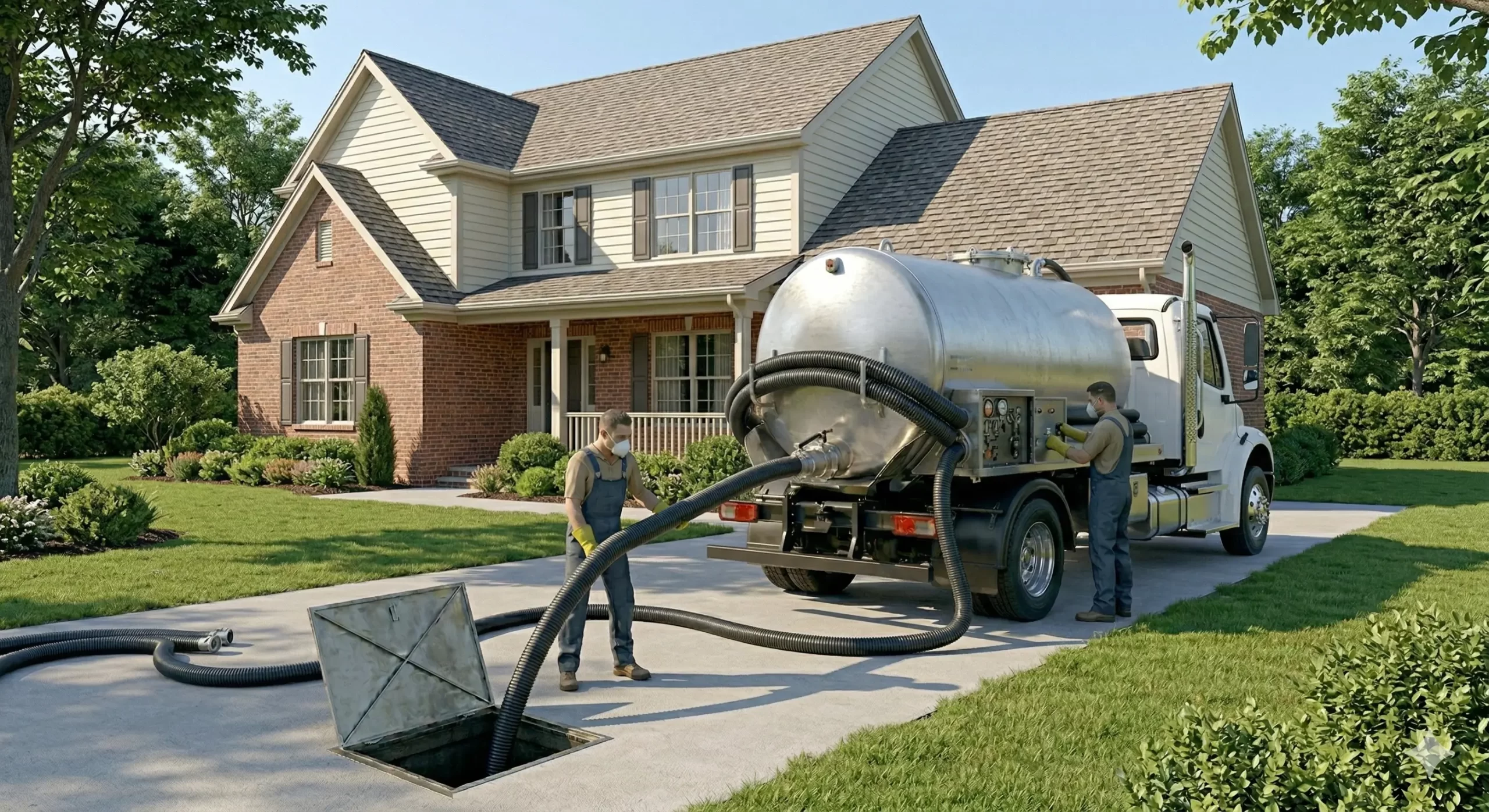
Hydraulic overload is not typically a single-event failure but a cumulative process. This timeline illustrates the degradation of a 1000-gallon system under a sustained moderate overload (e.g., 500 GPD).
- Year 1-2 (Normal Operation / Initial Stress): The system functions as designed. HRT is reduced, but the drain field can still manage the increased liquid volume. A higher-than-normal level of suspended solids begins to exit the tank, but the biomat in the drain field remains permeable. No external symptoms are present.
- Year 3-4 (Accelerated Biomat Growth): The constant flow of nutrient-rich effluent accelerates anaerobic bacterial growth at the soil interface, thickening the biomat. Soil percolation rates begin to decrease measurably. During periods of heavy rain, the homeowner may notice drains running slightly slower than usual.
- Year 5-6 (Incipient Failure): The biomat is now dense enough to significantly impede effluent absorption. Gurgling sounds from drains become common. Patches of unusually green or spongy grass may appear over the drain field. Faint septic odors may be noticeable after heavy rain or during periods of high water use. The system is in a state of pre-failure.
- Year 7+ (Catastrophic Failure): The soil can no longer absorb the volume of liquid. Effluent surfaces on the ground, creating a public health hazard. Sewage backs up into the home’s lowest plumbing fixtures. The drain field is biologically clogged and has failed. Replacement is the only viable option. The cost escalates from a $450 maintenance task to a $20,000+ capital project.
Troubleshooting: Diagnosing Hydraulic Overload
Early detection is critical to mitigating financial damage. Homeowners should be vigilant for the following technical indicators of hydraulic overload: Don’t wait for a backup to flood your yard. Check out our local services in Cape Coral, FL.
- Auditory Signals: Gurgling sounds emanating from drains and toilets, particularly after a large water discharge (e.g., draining a bathtub), are an early indicator that the system is struggling to vent displaced air, often due to a saturated drain field.
- Drainage Velocity: A noticeable decrease in the speed at which sinks, showers, and toilets drain. Perform a baseline test when the system is healthy and re-test quarterly.
- Plumbing Backups: Any instance of sewage backup, especially in the lowest drains of the house (e.g., basement floor drains, first-floor showers), is a definitive sign of advanced system failure.
- Yard Indicators: Concentrated areas of unusually lush, green grass over the drain field indicate effluent is rising too close to the surface. Spongy soil or standing water, particularly during dry weather, signifies a complete failure of the soil to percolate effluent.
- Odor Detection: The presence of sewer gas odors outdoors near the tank or drain field, or indoors, suggests that system components are failing and gases are not being properly vented or contained.
Client Testimonials & System Audits
“After experiencing slow drains for months, we finally called for an inspection. The technician provided a detailed hydraulic load analysis and identified that our water softener’s backwash cycle was flooding our 1000-gallon system twice a week. They re-routed the discharge and performed a system rejuvenation. Their technical expertise saved us from a full drain field replacement, a potential $15,000 expense.”
– Marcus Thorne, Atlanta, GA ⭐⭐⭐⭐⭐
“The team conducted a pre-purchase septic inspection for a property we were considering. Their report was not a simple pass/fail; it was a multi-page engineering document with soil percolation data, tank integrity analysis, and a calculated maximum daily water usage for the existing system. This data allowed us to negotiate a $12,000 credit from the seller for a necessary system upgrade. Absolutely indispensable service.”
– Dr. Eleanor Vance, Alpharetta, GA ⭐⭐⭐⭐⭐
Frequently Asked Questions (FAQ) – Technical Specifications
What is the absolute maximum daily water usage for a 1000-gallon tank?
A 1000-gallon septic tank is typically installed for a 3-bedroom home. According to most U.S. health department codes, the system design is based on a flow rate of 120-150 gallons per day (GPD) per bedroom. Therefore, the maximum daily design flow is 3 bedrooms x 150 GPD/bedroom = 450 GPD. Exceeding this on a consistent basis will reduce Hydraulic Retention Time (HRT) to below the critical 24-hour minimum, preventing solid separation and leading to drain field failure. A single-day surge to 600-700 gallons (e.g., from a party) can be tolerated intermittently, but sustained flows above 450 GPD constitute hydraulic overload.
How does a water softener affect my septic tank’s capacity?
A water softener’s regeneration cycle can have a significant negative impact. A typical cycle discharges 50 to 100 gallons of highly concentrated salt brine over a short period. This constitutes a hydraulic surge that can disrupt the settling process in the tank. Furthermore, the high chloride concentration in the brine can be detrimental to the anaerobic bacteria responsible for breaking down solids. It is a best practice to route water softener discharge away from the septic system and into a separate dry well or other approved disposal point, where local codes permit.
Can I have a garbage disposal with a 1000-gallon septic tank?
From a purely engineering standpoint, it is strongly discouraged. A garbage disposal significantly increases the organic and suspended solids load on the tank, often by as much as 50%. This increased solid matter requires more frequent pumping (every 1-2 years instead of 3-5) and accelerates the accumulation of the sludge layer. The small, suspended food particles do not settle easily and are more likely to be flushed into the drain field, leading to premature clogging. If a disposal is used, the tank size should be increased by at least 50% (i.e., to 1500 gallons) to accommodate the additional load.
Does heavy rain count towards the tank’s water limit?
Directly, no. The septic tank is a closed system. However, heavy rainfall has a critical indirect effect. It saturates the drain field soil, significantly reducing its ability to absorb effluent from the tank. This is known as reducing the soil’s hydraulic acceptance rate. When the drain field is saturated, effluent has nowhere to go, causing the liquid level in the septic tank to rise and leading to backups in the home, even with normal water usage. It is imperative that all roof drains, sump pumps, and surface water drainage be diverted far away from the septic tank and drain field area to prevent this.
Technically Reviewed By:
BlixBase Master Plumber Team
20+ Years Septic Industry Experience | Certified System Inspectors