
So, You’re Wondering About Your Septic Tank’s Expiration Date?
Alright, let’s talk turkey. You’ve got a 1000-gallon tank buried in your yard, and you’re asking how long it’s going to last. That’s like asking how long a car engine will last. The answer? It depends entirely on how you treat it. Are you the type to get regular oil changes and listen for weird noises, or do you drive it until the ‘check engine’ light becomes a permanent feature of your dashboard? Your septic system is the digestive system of your home; what you feed it and how often you give it a check-up determines its lifespan far more than the date it was installed.
Most folks see estimates of 20, 30, even 40+ years and breathe a sigh of relief. But as a guy who spends his days dealing with the… uh… ‘aftermath’ of neglected systems, I’m here to tell you those numbers are meaningless without one key ingredient: regulatory compliance. Forgetting about your tank isn’t just lazy; in most places, it’s illegal. The local health department, the municipal code enforcement officer, and even the state’s environmental protection agency have a vested interest in your little underground box. Let’s dig in—figuratively, of course—to what really dictates the life of your septic tank, from the concrete it’s made of to the codes it must follow.

Proactive Care: More Than Maintenance, It’s the Law
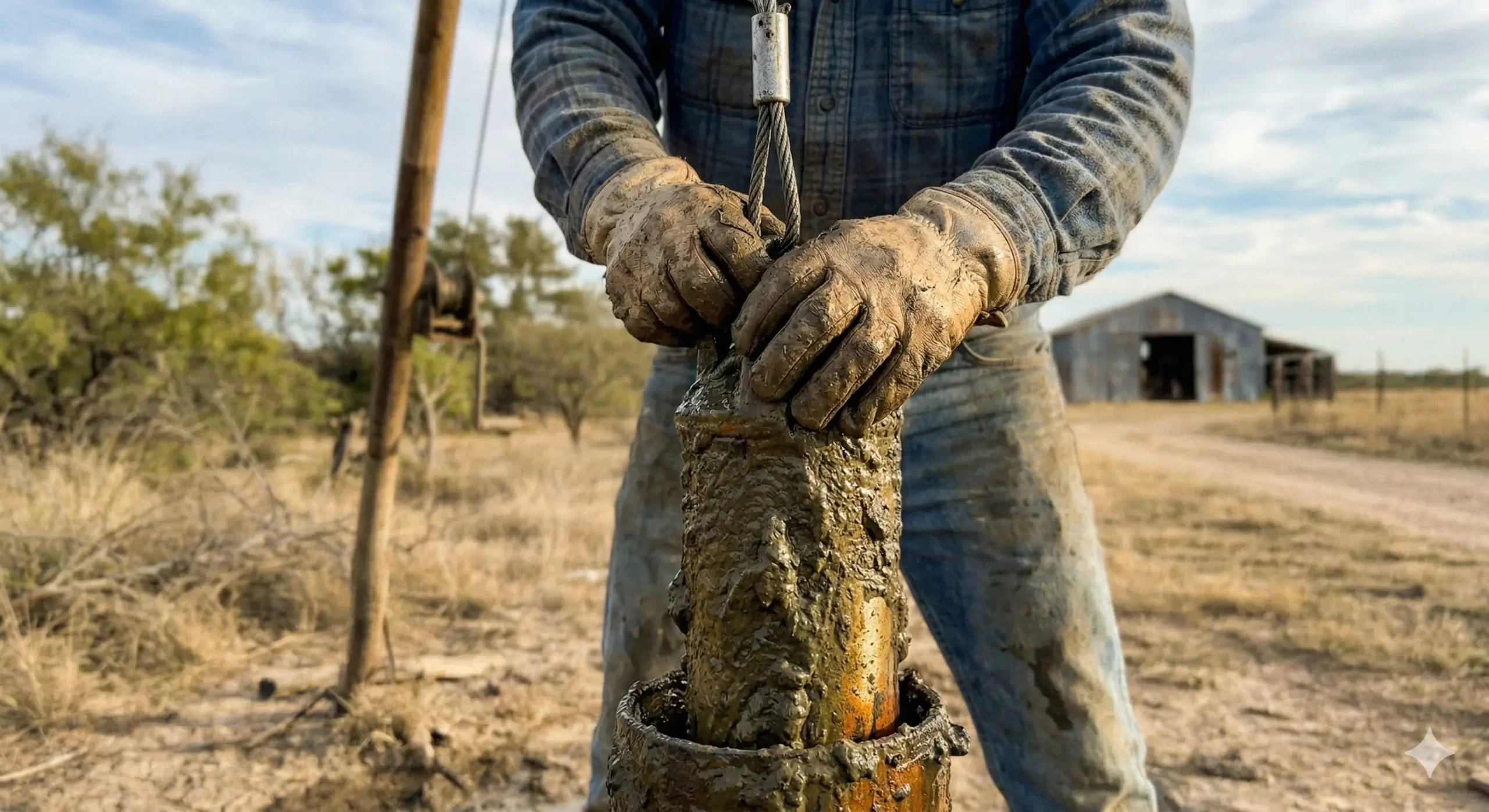
Look, I get it. Nobody enjoys thinking about their septic system. It’s out of sight, out of mind. But this is where that ‘check engine’ light analogy comes back. Ignoring the simple, required maintenance is the fastest way to turn a 40-year tank into a 15-year disaster. And that disaster comes with legal notices and hefty fines.
- The Pumping Schedule Isn’t a Suggestion: Many states and municipalities have specific ordinances dictating how often you must have your tank pumped. For example, in many parts of Pennsylvania, the Sewage Facilities Act (Act 537) requires pumping every 3 to 5 years. This isn’t a friendly reminder from your plumber; it’s a legal mandate. The township keeps records. When you sell your home, a septic inspection and proof of maintenance are often required. Failing to provide this can kill a sale or force you into a costly last-minute replacement.
- Your Toilet Is Not a Trash Can: The Environmental Protection Agency (EPA) has clear guidelines on what should and shouldn’t go down your drain. Flushing wipes (even ‘flushable’ ones), feminine hygiene products, grease, or harsh chemicals isn’t just bad for your tank’s bacteria; it can lead to premature drainfield failure. A failed drainfield is considered an illegal discharge of untreated sewage, which can result in significant fines from your county health department for contaminating groundwater.
- Water Conservation is System Preservation: A 1000-gallon tank is typically sized for a 3-bedroom home. If you have a large family, do laundry every single day, and take long showers, you’re putting immense hydraulic pressure on the system. Overloading it with water doesn’t give the solid waste enough time to settle in the tank, pushing it into the drainfield and clogging it permanently. This isn’t just a mechanical problem; it’s a design-and-use problem that code inspectors look for.
The Progression of Failure: A Septic System’s Danger Level Timeline

A septic system rarely fails overnight. It’s a slow, creeping decay that often starts years before you notice a single symptom. Here is a typical timeline, viewed from both a mechanical and a regulatory perspective. We understand the specific environmental rules for your region. Learn more from our experts in Bryan, TX.
- Years 1-5 (The Honeymoon Phase): Your system is brand new and working flawlessly. Solids settle, effluent flows to the drainfield, and everything is balanced. At this stage, compliance is easy: just follow the manufacturer’s and local health department’s advice for the first pump-out.
- Years 5-15 (The Complacency Zone): The system still ‘works,’ so you might skip a pumping or two. Inside the tank, the sludge layer is getting thicker. Out in the drainfield, the biomat—a layer of anaerobic bacteria—is starting to thicken, slowing down water absorption. You’re not in violation yet, but you’re setting the stage for future failure. An inspector might note the system is ‘aging’ during a property transfer inspection.
- Years 15-25 (The Red Flags): You start noticing slow drains, gurgling noises, or a faint odor in the yard after heavy rain. This is your system’s ‘check engine’ light. The sludge level may be high enough to block the outlet baffle, or the drainfield is becoming so clogged that it can’t accept water efficiently. A dye test performed by a health official at this stage would likely show signs of hydraulic failure, leading to a conditional pass that requires immediate, costly repairs.
- Years 25+ (Total System Failure): There’s no ignoring it now. Sewage is backing up into your basement, or there’s a persistent wet, smelly patch in your yard. Your system is now in active failure. This is a public health hazard and a direct violation of municipal and state environmental codes. You will receive a formal ‘Notice of Violation’ from your health department, giving you a specific timeframe (often 30-90 days) to perform a complete system replacement. Fines for non-compliance can range from $100 to over $1,000 per day.
Real-Life Case Study: The Perils of Procrastination in Chester County, PA
Let me tell you about the Henderson family. They bought a lovely home with a 1000-gallon concrete tank installed in the late 1980s. For the first decade, they were model septic owners. But as life got busy, the pump-outs got forgotten. ‘The toilets are still flushing,’ they thought, ‘so everything must be fine.’ They were wrong.
Around year 22, they started noticing the classic signs: the downstairs toilet gurgled when the washing machine drained, and the grass over the drainfield was suspiciously green and swampy, even in dry weather. They ignored it. A year later, their neighbor, whose property was downhill, filed a complaint with the township about a persistent foul odor near the property line.
The township health officer arrived within a week. He performed a dye test, flushing a bright green, non-toxic dye down the Henderson’s toilet. Within two hours, that same green dye was visibly seeping out of the ground at the edge of their yard. The verdict was swift: total drainfield failure. The system was condemned on the spot. You can find more detailed pricing and local regulations on our dedicated Jasper, TX location page.
The Hendersons were issued a formal notice of violation. They had 60 days to hire an engineer, get a new system designed (modern codes required a more complex and expensive system than their old one), pull permits, and have a completely new tank and drainfield installed. The total cost, including the new design and excavation in Pennsylvania’s rocky clay soil, topped $35,000. Had they spent a few hundred dollars on pumping every 3-4 years, their original system could have easily lasted another decade or more. Their procrastination turned a manageable expense into a financial crisis, all under the watchful eye of the local government. Don’t wait for a backup to flood your yard. Check out our local services in Saginaw, TX.
Cost Breakdown: The Price of Compliance vs. The Cost of Condemnation
Thinking in terms of proactive investment versus reactive emergency spending is critical. Here’s a look at the costs, framed by the regulatory consequences. These are ballpark figures, but they illustrate a crucial point. Regular maintenance is crucial. Connect with our Biscayne Park, FL septic experts to schedule a check-up.
| Service | Proactive Maintenance Cost | Emergency Failure Cost | Regulatory Context |
|---|---|---|---|
| Routine Pumping | $300 – $600 (every 3-5 years) | N/A | Often legally required by local ordinance. Prevents sludge overload. |
| Baffle Repair | $400 – $900 (if caught early) | $2,000+ (if it causes drainfield damage) | A broken baffle allows solids into the drainfield, a primary cause of failure. |
| Drainfield Jetting | $1,000 – $2,500 (for sluggish fields) | Often not an option for a fully failed field. | A ‘last chance’ effort to restore flow and avoid a full replacement order. |
| Full System Replacement | N/A | $15,000 – $40,000+ | Mandated by health officials upon total system failure. Non-negotiable. |
Troubleshooting From a Code Inspector’s Point of View
When you call me about a problem, I’m not just thinking about the fix; I’m thinking about what a health inspector would see. Here’s how to translate your symptoms into ‘inspector-speak’.
- Symptom: Slow drains throughout the house.
Inspector’s Thought: This could be a simple clog, but it’s also the first sign of a saturated drainfield. The system is likely past its design capacity and nearing failure. - Symptom: Gurgling sounds from your pipes and toilets.
Inspector’s Thought: This indicates a vacuum issue, likely caused by a full tank or a blocked vent. The system isn’t breathing properly, which can accelerate failure and force sewer gases back into the home—a potential health code violation. - Symptom: A foul odor in the yard.
Inspector’s Thought: This is a major red flag. It suggests that untreated effluent is either pooling near the surface or the tank lids are not properly sealed. This is an immediate public nuisance and health risk. - Symptom: A wet or mushy area over your tank or drainfield.
Inspector’s Thought: This is the smoking gun. It’s prima facie evidence of a surface discharge. The system is in active failure and is illegally contaminating the surrounding environment. This is the issue that triggers immediate regulatory action.
What Our Customers Say
⭐⭐⭐⭐⭐ – Sarah Jenkins
“We were selling our house and the buyer’s inspection flagged our aging septic system. I was in a panic. They came out the next day, performed a full diagnostic, and clearly explained the county’s regulations and what we needed to do to be compliant for the sale. They handled the pumping, replaced a cracked baffle, and provided all the paperwork the township required. They didn’t just fix a problem; they solved a legal nightmare for us. Total lifesavers!” Regular maintenance is crucial. Connect with our Jackson, LA septic experts to schedule a check-up.
⭐⭐⭐⭐⭐ – Mark O’Connell
“Our system failed and we got ‘the letter’ from the health department. It was incredibly stressful. These guys were amazing. They knew the local codes inside and out, worked directly with the engineer and the inspector, and got our new system installed ahead of the deadline. Their knowledge of the permitting process was as valuable as their excavation work. Honest, professional, and worth every penny.”
Frequently Asked (and Legally Important) Questions
What exactly does the EPA regulate for residential septic systems?
This is a great question. The EPA sets national guidelines and standards, particularly concerning water quality under the Clean Water Act. However, they generally delegate the direct regulation and permitting of individual residential septic systems (often called ‘decentralized wastewater systems’) to state, tribal, and local governments. So, while the EPA provides the ‘why’ (protecting groundwater), it’s your local health department or municipal authority that enforces the ‘how’ through specific codes, inspection requirements, and pumping mandates.
Can I actually be fined if my septic system fails?
Absolutely. A failing septic system that is discharging untreated wastewater onto the ground or into waterways is a public health hazard and an environmental violation. Municipalities can and will issue fines that can range from a couple of hundred dollars to thousands per day until the problem is rectified. In severe cases of neglect, especially if a neighbor’s well is contaminated, civil lawsuits are also a real possibility. The legal and financial consequences are far more severe than the cost of maintenance.
What’s the difference in lifespan for concrete, plastic, or fiberglass tanks?
Each material has its pros and cons. Concrete tanks are heavy and durable, lasting 40+ years, but they can crack over time or suffer corrosion from hydrogen sulfide gas. Plastic (Polyethylene) tanks are lightweight and won’t corrode, but they can be damaged by improper installation or shift in high water tables. Fiberglass tanks are also corrosion-proof and stronger than plastic, but can also be susceptible to structural damage if not installed perfectly. Ultimately, the lifespan of any tank material is most dependent on proper installation according to code and consistent maintenance.
Does my homeowner’s insurance cover a failed septic system?
This is a critical point that trips up many homeowners. In almost all cases, a standard homeowner’s insurance policy does NOT cover the cost of repairing or replacing a septic system that has failed due to age, neglect, or lack of maintenance. Insurance is for sudden and accidental events. You might have coverage if a tree falls and crushes the tank, but you will not be covered for a drainfield that has slowly clogged over 25 years. The financial responsibility for maintaining and eventually replacing the system rests solely on you, the homeowner.
The Final Word: Your Tank’s Lifespan is in Your Hands
So, how long will your 1000-gallon septic tank last? The honest answer is that the calendar date is the least important factor. A well-maintained tank in favorable soil, used by a conscientious family, can easily last 40 or 50 years. A neglected, abused tank can fail in 15. The lifespan is not written in stone; it’s written in your maintenance logs, your water usage habits, and your adherence to the local health codes. Treat your system right, stay on the right side of the law, and it will serve your home reliably for decades to come.
Technically Reviewed By:
BlixBase Master Plumber Team
20+ Years Septic Industry Experience | Certified System Inspectors