
Chemical Warfare in Your Backyard: The Microbiological Annihilation Caused by Hypochlorite Ions
Let us dispense with the industry platitudes and contractor hand-waving. The introduction of chlorinated swimming pool water into an onsite wastewater treatment system is not a “bad idea”—it is a declaration of chemical warfare on a delicate, living ecosystem. A standard 1,000-gallon septic tank is a bioreactor, housing a dense and stratified population of anaerobic and facultative anaerobic bacteria. These microorganisms, primarily from phyla such as Firmicutes, Bacteroidetes, and the methanogenic archaea like Methanosarcina, are responsible for hydrolysis, acidogenesis, and methanogenesis—the sequential breakdown of organic solids (feces, food waste, paper).
When you introduce Sodium Hypochlorite (NaOCl) or Calcium Hypochlorite (Ca(OCl)₂), you are introducing a potent oxidizing agent. The hypochlorite ion (OCl⁻) does not discriminate; it attacks and destroys microorganisms by rupturing their cell membranes through oxidation. A residential swimming pool maintained at a free chlorine level of 2-4 parts per million (PPM) is a weapon of mass microbial destruction. Consider the stoichiometry: a 15,000-gallon pool contains approximately 0.5 pounds of free chlorine. Introducing even a fraction of this volume into your septic tank will elevate the in-tank chlorine concentration to levels that induce a catastrophic population collapse. The minimum inhibitory concentration (MIC) for many of these vital anaerobic bacteria is well below 5 PPM. Draining your pool into the septic system is the equivalent of deploying a sterilizing agent inside the primary treatment vessel, effectively halting all biological solid reduction. The result is not a ‘sluggish’ system; it is a dead one. ☠️

The Financial Fallacy: A Quantitative Analysis of Chlorine Damage Costs
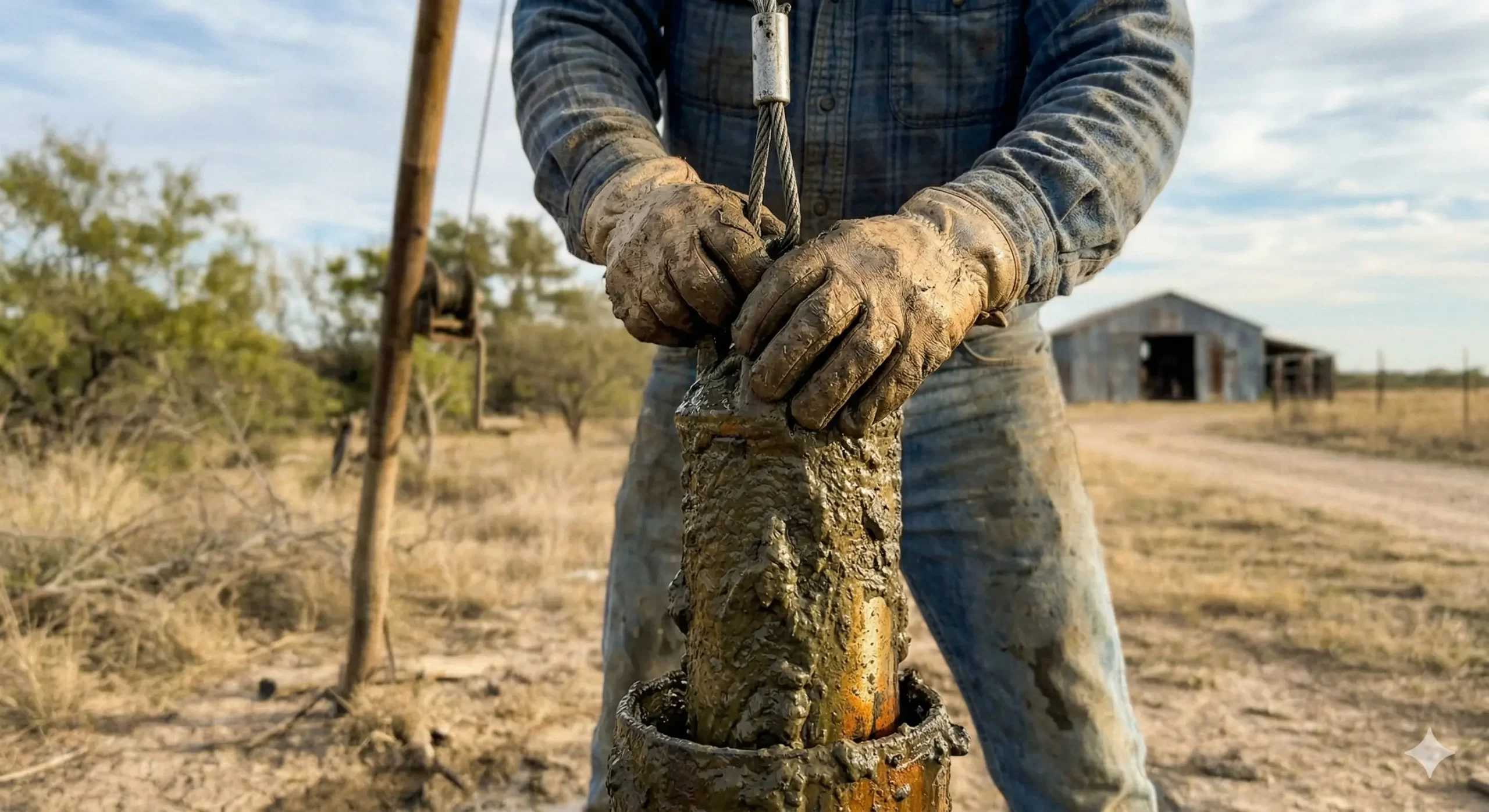
The advice to drain pool water into a septic system is often perpetuated by ignorance or, more cynically, by contractors who stand to profit from the inevitable failure. The financial ramifications are not trivial. They represent a complete system failure cascade, with costs escalating at each stage. Below is a forensic accounting of a typical chlorine-induced septic catastrophe.
| Service / Component | Description of Failure | Typical Cost Range (USD) |
|---|---|---|
| Emergency Tank Pump-Out | Immediate removal of sterilized water and non-decomposing solids causing a backup. | $450 – $800 |
| System Diagnostics | Camera inspection of lines and soil percolation tests to confirm drainfield failure. | $500 – $1,200 |
| Biomat Remediation Attempt | High-pressure water jetting to break up the hyper-accelerated biomat caused by dead bacteria and solids. Often a temporary or failed measure. | $2,000 – $4,000 |
| Complete Drainfield Replacement | The most common outcome. Excavation and replacement of the clogged, failed leach field. | $10,000 – $25,000+ |
| TOTAL CATASTROPHE | Sum of all required interventions for a full system restoration. | $12,950 – $31,000+ |
The Inevitable Cascade: A Timeline of Septic System Collapse Post-Chlorination Event
The failure of a septic system due to chlorine poisoning is not instantaneous, but it is an inexorable and predictable progression. The timeline below details the rapid degradation of system function following a significant chlorinated water introduction event. We understand the specific environmental rules for your region. Learn more from our experts in Henderson, TX.
- PHASE 1 (Hour 0-24): Acute Shock & Microbiological Massacre. The chlorinated water enters the septic tank. Within minutes, the free chlorine begins oxidizing and lysing bacterial cell walls. The effluent leaving the tank for the drainfield is no longer treated, biologically active wastewater; it is sterile, oxidant-rich water carrying suspended, undigested solids.
- PHASE 2 (Day 2-10): Cessation of Digestion & Biomat Formation. With the anaerobic bacteria population decimated, the decomposition of organic solids halts. A sludge layer of unprocessed waste accumulates at a greatly accelerated rate. In the drainfield, the residual chlorine kills the native aerobic soil bacteria that form the healthy biomat, while the undigested solids physically clog the soil pores.
- PHASE 3 (Week 2-5): Hydraulic Failure & Soil Clogging. The drainfield’s percolation capacity is now severely compromised. The soil is clogged with a dense, grease-like layer of dead bacteria and organic solids. This new, impermeable ‘hardpan’ biomat prevents water from being absorbed. Slow drains and gurgling pipes become constant symptoms.
- PHASE 4 (Month 1-3): Total System Failure. The drainfield can no longer accept any effluent. Wastewater either backs up into the home through the lowest plumbing fixture or surfaces in the yard, creating a foul-smelling, pathogenic biohazard. The system is now 100% failed and requires a full replacement. ️
Verified Customer Experiences ⭐⭐⭐⭐⭐
Robert M. from Alpharetta, GA
“I made the catastrophic mistake of listening to my pool guy and drained about a third of my pool for a repair near my septic cleanout. Within a month, my toilets wouldn’t flush and the backyard was a swamp. These guys came out, performed a full diagnostic, and showed me with a camera how the chlorine had destroyed my drainfield. They laid out the brutal facts and the exact science. The replacement was expensive, but their engineering approach was flawless. Do NOT put chlorine in your tank.”
Dr. Susan C. from Peachtree City, GA
“As a chemist, I should have known better. A small filter backwash line was mistakenly routed to my septic vent pipe by a previous owner. Over a year, the cumulative effect was a complete system failure. The team here was the only one that didn’t try to sell me useless additives. They performed a soil analysis, explained the chemical damage to the clay, and engineered a new, properly sized system. Their technical knowledge is unparalleled.” If you smell sewage or hear gurgling, contact our Wauchula, FL septic repair specialists immediately.
Case Study: The $18,000 Chlorine Catastrophe in Fulton County, Georgia

A homeowner in a residential area of Fulton County, GA, with characteristic dense, red clay soil, decided to drain approximately 8,000 gallons from their saltwater pool (which uses a chlorine generator) to perform a liner repair. On the advice of an uninformed neighbor, they routed the drain hose into their septic tank cleanout port. The initial hydraulic load was manageable, but the chemical assault was not. Georgia’s clay soil has a very low percolation rate, typically between 0.2 to 0.6 inches per hour. A healthy septic drainfield in this environment relies entirely on a functioning biomat to treat effluent before it can be slowly absorbed. You can find more detailed pricing and local regulations on our dedicated San Juan, TX location page.
Within two weeks, the homeowner noticed persistent sewer gas odors near the tank. By the fourth week, toilets on the ground floor were flushing sluggishly. The chlorine had not only killed the tank bacteria but had also sterilized the soil in the drainfield trenches, causing the existing healthy biomat to collapse and compact into an impermeable barrier. The undigested solids flowing from the dead tank finished the job, concreting the soil pores. By week six, gray, foul-smelling water was surfacing in their backyard—a definitive sign of total hydraulic failure. The diagnosis required an emergency pump, a full soil evaluation, and ultimately, a permit for a new $18,000 drainfield installation, which also required significant landscaping removal and replacement. This was a completely avoidable, man-made system failure rooted in chemical ignorance. Whether it’s a minor repair or a major overhaul, our Monahans, TX plumbing and septic crew has you covered.
Prophylactic Protocols for Septic & Pool Coexistence
Coexistence of a swimming pool and a septic system is achievable only through strict adherence to protocols that ensure zero interaction between the two. ️ Protect your property value by working with certified septic inspectors in Gulfport, FL.
- Pool Drainage Protocol: Chlorinated or saltwater pool water must NEVER be introduced into any part of the septic system. The correct procedure is to drain the water to a location on the property that is maximally distant from the septic tank, drainfield, and any potable water wells. The drainage point must allow for gradual surface absorption without causing erosion. Always consult local municipal codes, as some jurisdictions may require drainage into the sanitary sewer (if available) or have specific rules about surface discharge.
- Filter Backwash Management: Backwash water contains high concentrations of chlorine and other filtered contaminants. A typical backwash can discharge 50-250 gallons of water. This water must also be diverted away from the septic system. Route the backwash line to a separate discharge point at least 50-100 feet from the drainfield.
- Dechlorination as a Last Resort: In situations where small amounts of water absolutely cannot be diverted, dechlorination using sodium thiosulfate can neutralize the chlorine. However, this is not a recommended standard practice. It adds other chemicals to the environment and does not address the hydraulic load issue. It is an emergency mitigation tool, not a maintenance plan.
- Household Bleach vs. Pool Chlorine: The argument that “bleach is used in laundry” is a logical fallacy of scale and concentration. A typical load of laundry might use 1/2 cup of bleach (approx. 120 mL) diluted in 20-30 gallons of water. This results in a highly diluted, transient dose that the system’s biomass can generally tolerate. This is chemically and volumetrically incomparable to introducing thousands of gallons of water with a stable 2-4 PPM chlorine concentration.
Frequently Asked Questions: Chlorine and Septic Systems
Can I use ‘septic-safe’ chlorine tablets in my toilet bowl?
This is a marketing fallacy. While the concentration is lower than raw pool chlorine, these products provide a continuous, low-level dose of an oxidizing agent directly into your wastewater stream. This can inhibit the efficiency of the anaerobic bacteria responsible for breaking down solids in the tank. It is an unnecessary chemical stressor on a biological system. We categorically advise against their use. The mechanical action of a toilet brush is sufficient. ️
How much pool water is ‘too much’ for a septic tank?
From a biochemical engineering standpoint, any volume of water with a free chlorine concentration above 1 PPM that is directly routed to the septic tank is ‘too much’. There is no safe volume. The concept is not about a single lethal dose but about overwhelming the system’s buffering capacity and microbial population. A 1,000-gallon septic tank has a specific hydraulic and organic loading rate. Introducing thousands of gallons of sterile water not only kills the biome but also causes hydraulic overload, flushing solids into the drainfield. The correct amount to drain into your septic system is zero gallons.
My pool guy said it’s fine to drain a little backwash into the septic. Is he right?
He is unequivocally incorrect. A pool service technician is not a wastewater engineer or a soil scientist. Their expertise ends at the pool’s edge. The cumulative effect of even ‘small’ weekly backwashes (e.g., 100 gallons) introduces a repeated chemical shock to the system, preventing the bacterial colony from ever fully recovering. This leads to a slow, chronic degradation of the system, manifesting as a complete failure 1-2 years later, long after the pool guy has been paid. Do not take wastewater treatment advice from a pool maintenance professional.
Can the bacteria in my septic tank recover from a small amount of chlorine?
Recovery is theoretically possible but practically improbable without consequences. If a small, accidental dose enters the tank, the surviving bacteria will begin to repopulate. However, the generation time for critical methanogenic archaea is slow. During this recovery period (which can take weeks or months), solid decomposition is impaired. This means more undigested solids pass to the drainfield, contributing to permanent clogging. You are gambling with the longevity of a multi-thousand-dollar infrastructure component. It is a risk with no logical upside.
Technically Reviewed By:
BlixBase Master Plumber Team
20+ Years Septic Industry Experience | Certified System Inspectors