
Corrugated vs. PVC: The Unseen Battle Beneath Your Lawn ⚔️
Alright, settle down. Let’s talk about the most important part of your property you never want to think about: the drain field. It’s the final resting place for everything you flush, and the choice of pipe you or your builder makes is the difference between a lush green lawn for 30 years and a stinking, soggy money pit in five. For years, I’ve been digging up failed systems, and ninety percent of the time, the culprit is the same cheap, black, ribbed junk: corrugated plastic pipe.
You see it coiled up at the big-box stores, looking all convenient and modern. It’s cheap, it’s light, and you can toss it in a trench without much fuss. And that’s the problem. It’s a shortcut. In this business, shortcuts lead to sewage backing up in your bathtub. We’re going to talk about the hard science of why rigid, boring old PVC (Polyvinyl Chloride) is the only responsible choice, and why that ‘flexible’ pipe is a ticking time bomb. We also provide specialized local support—see our Starke, FL service page for details.
The Deep Science: Biomat, BOD, and Bacterial Warfare
Your septic drain field isn’t just a drainage ditch; it’s a sophisticated, passive biological treatment facility. The effluent leaving your tank, even if the tank is working perfectly, is still a nasty anaerobic soup, chock-full of organic matter, pathogens, and nutrients. It has a high Biological Oxygen Demand (BOD). Think of BOD as a measure of how much food is in the water for bacteria. The higher the BOD, the more oxygen aerobic bacteria will need to consume to break it all down. If you smell sewage or hear gurgling, contact our Ennis, TX septic repair specialists immediately.
The magic happens when this anaerobic effluent flows into the perforated pipe and seeps into the oxygen-rich gravel and soil of your drain field. This is where the aerobic (oxygen-breathing) bacteria live. They go to work, consuming the organic waste and cleaning the water. As they do this, they form a delicate, slimy layer around the trench called the biomat. A thin, healthy biomat is essential; it’s the final filter. But when things go wrong, that biomat gets too thick, becomes anaerobic itself, and clogs the soil pores like cholesterol in an artery. This is called ‘biomat plugging,’ and it’s the death of a drain field.
So how does pipe choice affect this microscopic war?
- Corrugated Pipe Problems: The ridges, or corrugations, are the fatal flaw. They create turbulence in the effluent flow, causing solids to settle out and collect inside the pipe. These little piles of sludge become anaerobic dead zones, breeding the wrong kind of bacteria and sending concentrated slugs of high-BOD effluent into the field. Furthermore, the flimsy structure is easily crushed during backfill or by settling soil over time. A crushed pipe creates a dam, waterlogging the beginning of the trench and starving the end. This uneven distribution overloads one section of the biomat, causing it to grow thick and black, sealing the soil.
- PVC Superiority: Schedule 40 PVC is rigid and has a perfectly smooth interior. Effluent flows via gravity with minimal disturbance—what we call laminar flow. This allows for an even, gentle distribution of effluent out of every single perforation along the entire length of the pipe. This even distribution is the single most critical factor in promoting a healthy, uniform, and long-lasting biomat. The rigid structure also means it won’t crush under the weight of the soil, ensuring the trench works as designed for decades.

A Real-Life Case Study: The Soggy Lawn in Suwanee, Georgia
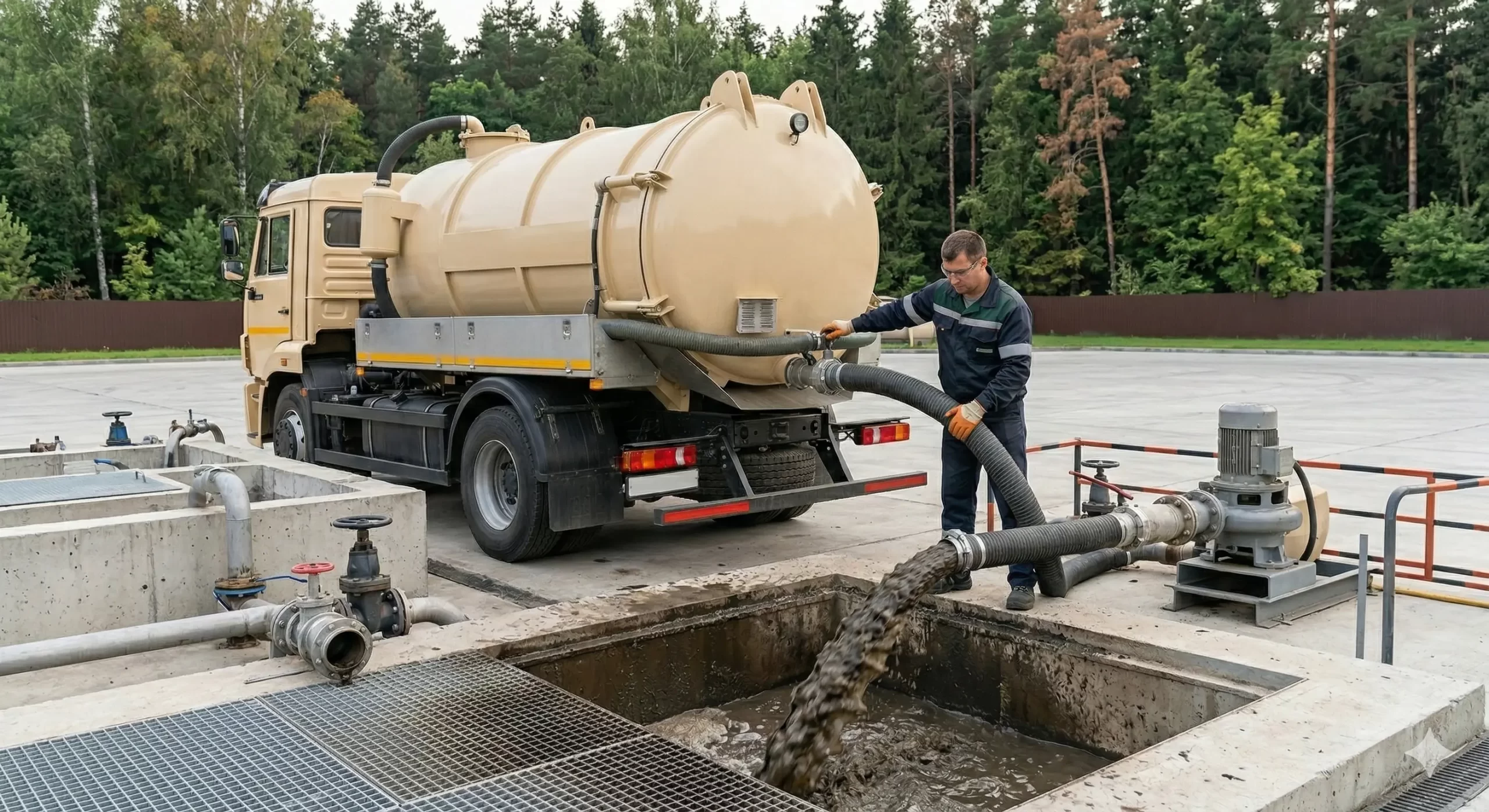
I won’t use the customer’s name, but let’s call him Bill. Bill had a beautiful 7-year-old house in Suwanee, a place known for its tough, unforgiving red clay soil. Clay has terrible percolation characteristics, meaning water moves through it very slowly. A drain field here needs to be perfectly designed and installed. Bill called me because his kids couldn’t play in the backyard anymore. It was a swamp, and it had that smell. That specific, sweet-but-rotten septic smell.
The builder, to save maybe a thousand bucks on a $600,000 house, had used corrugated pipe. I got my excavator out there and carefully uncovered the first trench. Just as I suspected. The pipe was visibly oval-shaped, partially crushed by the immense weight of the compacted clay. I put a camera down the line, and it was half-full of black sludge and standing water. The first 20 feet of the trench were completely waterlogged, with a thick, black, impenetrable biomat sealing it off. The rest of the 80-foot line was bone dry. The system wasn’t failing; it had never even worked correctly. All the effluent was overloading one small spot, and the system drowned itself. Property owners in the region trust our Port Allen, LA septic system services for long-term reliability.
The fix? A complete replacement. We had to dig up all the old pipe and contaminated gravel, let the ground recover, and then install a new system using rigid Schedule 40 PVC, laid perfectly level with a laser transit. It cost Bill nearly $15,000 to fix a problem that would have cost $1,000 to prevent during construction. Don’t be Bill.
Troubleshooting Your Drain Field: Early Warning Signs
Think your drain field might be in trouble? Here are the signs, from subtle to ‘call me yesterday’. We also provide specialized local support—see our Northport, AL service page for details.
- Lush Green Stripes: Unusually green, fast-growing grass over your drain lines is an early sign. It means effluent is surfacing and acting as fertilizer.
- Slow Drains & Gurgling Toilets: If drains in your house are slow across the board, and you hear gurgling when the washing machine drains, it’s a classic sign of a saturated field.
- Persistent Wet Spots: Puddles or soggy ground in the drain field area that don’t dry up, even in good weather.
- Septic Odors: If you can smell sewage outdoors near the tank or field, you have a serious problem.
- Sewage Backup: This is the end-stage failure. Effluent has nowhere to go and backs up into the lowest point in your house, usually a shower or floor drain. It’s a biohazard and an emergency.
Progression of Failure: A Corrugated Pipe Timeline

Here’s how a brand-new system with cheap corrugated pipe goes from hero to zero.
- Year 1: The Honeymoon Phase. The system is new, soil is uncompacted. Everything seems to work fine. The crushing and sludge buildup has begun, but it’s not noticeable yet.
- Year 3-5: The First Signs. You might notice some of those extra-green stripes of grass over the trenches. Inside, the first 1/3 of the pipe is starting to get clogged with sludge, and the biomat in that area is thickening. The system is now operating at 60% capacity.
- Year 6-8: The Obvious Problems. The ground over the first part of the drain field is now consistently damp. You get septic odors after a heavy rain. Drains in the house are noticeably slower. The biomat is now black and anaerobic in the overloaded section, and the soil is effectively sealed.
- Year 8+: Catastrophic Failure. The system is completely overloaded. Effluent is surfacing on your lawn, creating a biohazard. Toilets won’t flush properly, and sewage backs up into your home. The only solution is a full, expensive replacement.
Cost Breakdown: Pay Now or Pay a LOT More Later
Don’t be penny-wise and pound-foolish. The material cost difference is a pittance compared to the cost of replacement.
| Item | Corrugated System (Initial Cost) | PVC System (Initial Cost) | Long-Term Cost |
|---|---|---|---|
| Pipe Material (300 ft) | ~$250 | ~$450 | Corrugated system replacement: $10,000 – $20,000+ PVC system lifespan: 30-50+ years |
| Labor | Slightly faster installation | Requires more care to level | |
| Total Upfront Difference | PVC might cost an extra $500 – $1,000 on a full install. | ||
Maintenance Tips from a Grump ️
You want your system to last? Fine. Stop being lazy and do these things.
- Pump Your Tank: Every 3-5 years, no excuses. This is the #1 thing you can do. It keeps excess solids from ever reaching the drain field.
- Watch Your Water Usage: Long showers, laundry marathons… they all flood the field. Spread it out. Install efficient fixtures.
- Don’t Treat Your Toilet Like a Trash Can: The only things that go in are human waste and toilet paper. No ‘flushable’ wipes, no grease, no chemicals, no coffee grounds.
- Keep Heavy Stuff Off the Field: Don’t drive on it, don’t build a shed on it, don’t even think about putting a swimming pool near it.
- Manage Landscaping: Keep trees with aggressive roots far away. Don’t overwater the lawn. Direct runoff from gutters and driveways away from the field.
My Truck Has Weirder Tools Than Your Garage
You think this is a simple job? Here are five things I might use on a complex drain field diagnosis and repair that you won’t find at the hardware store.
- Soil Penetrometer: A specialized device I use to test the compaction and density of the soil layers in and around the drain field. It tells me if the original installer compacted the backfill too much, which can choke off air supply to the aerobic bacteria.
- Effluent Filter Brush: A long, flexible brush designed specifically for cleaning the bristles of the effluent filter in the outlet baffle of the septic tank without having to remove the whole assembly.
- Manganese Greensand Test Kit: In areas with high iron and manganese in the well water, these minerals can precipitate out in the drain field and cause a specific type of clogging called ‘ochre clogging’. This kit tests for it.
- Thermal Imaging Camera: On a cool morning, a failing, waterlogged drain field trench will often be a slightly different temperature than the surrounding ground. A thermal camera can sometimes help me map the exact location of the saturated areas without digging.
- Hydraulic Sludge Pump: Not your average trash pump. This is a high-torque, low-speed pump that can move thick, heavy biomat sludge out of a failed trench without getting clogged, which is necessary when doing a partial field restoration.
What Folks Are Saying
⭐⭐⭐⭐⭐
“He’s not going to win any personality contests, but this guy knows his stuff. He spent 20 minutes explaining the science of our failing drain field and showed me the crushed pipe from the original builder. He was honest, the price was fair for the massive job he had to do, and he did it right. The PVC system he installed is working perfectly. Don’t hire him for chit-chat, hire him to fix it for good.”
– David R., Cumming, GA
⭐⭐⭐⭐⭐
“I had two other companies tell me I needed a whole new system for $20,000. He came out, ran a camera, and found the clog was actually in the solid pipe between the tank and the D-box. He hydro-jetted it for a fraction of the cost and saved my drain field. He said, ‘No sense in replacing what ain’t broken.’ Grumpy? Yes. Honest? Absolutely.” Don’t ignore the warning signs. Reach out to our septic maintenance crew in Miami Shores, FL today.
– Sarah P., Alpharetta, GA
Frequently Asked Questions (The Stuff You’re Afraid to Ask)
Is it ever okay to use corrugated pipe for a septic system?
Look, I’m going to say no for 99% of conventional gravity-fed systems. The only place I’ve seen it used with any remote success is in some very specific, engineered mound or drip irrigation systems where the effluent is pre-treated to a higher degree and pressure-dosed. For a standard trench system that relies on gravity? It’s asking for trouble. The risk of crushing and clogging just isn’t worth the tiny upfront savings.
Can I just dig up and replace my crushed corrugated pipe with PVC myself?
You could, but you probably shouldn’t. First, it’s a major health hazard dealing with raw effluent. Second, the soil and gravel around the failed pipe are likely contaminated and clogged with biomat. Simply replacing the pipe without addressing the soil condition won’t fix the problem. The system needs to be evaluated to see if the soil can even be rejuvenated. In most counties, this kind of work requires a permit and inspection by the health department. It’s not a weekend warrior project.
What’s the difference between Schedule 40 and SDR 35 PVC pipe?
Great question. It comes down to wall thickness and pressure rating. Schedule 40 PVC has a thicker wall and is more rigid than SDR 35. While SDR 35 is often used for sewer mains, I insist on Schedule 40 for the drain field itself. It provides maximum crush strength, which is what you need when you’re burying it in a trench that will have tons of soil on top of it. It’s about long-term durability. Don’t let a contractor talk you into using the thinner stuff in the field to save a few cents per foot.
Technically Reviewed By:
BlixBase Master Plumber Team
20+ Years Septic Industry Experience | Certified System Inspectors