
Is a Separate Septic System Legally Required for a Pole Barn?
Let’s be direct. Yes. Absolutely. If your pole barn has a bathroom with a toilet, sink, or shower, you are generating wastewater. This isn’t gray water from a utility sink. This is blackwater. It must be treated. Tying into your home’s existing septic system is sometimes an option, but often it’s a code violation and a catastrophic failure waiting to happen. Your home’s system was sized for your house, not an additional structure. Overloading it guarantees failure. A new, properly sized septic system is not a suggestion; it is a legal and environmental mandate from your local health department. There are no shortcuts. Discover why so many neighbors recommend our septic tank services in Hollywood, FL.

What Does a Pole Barn Septic System Actually Cost?
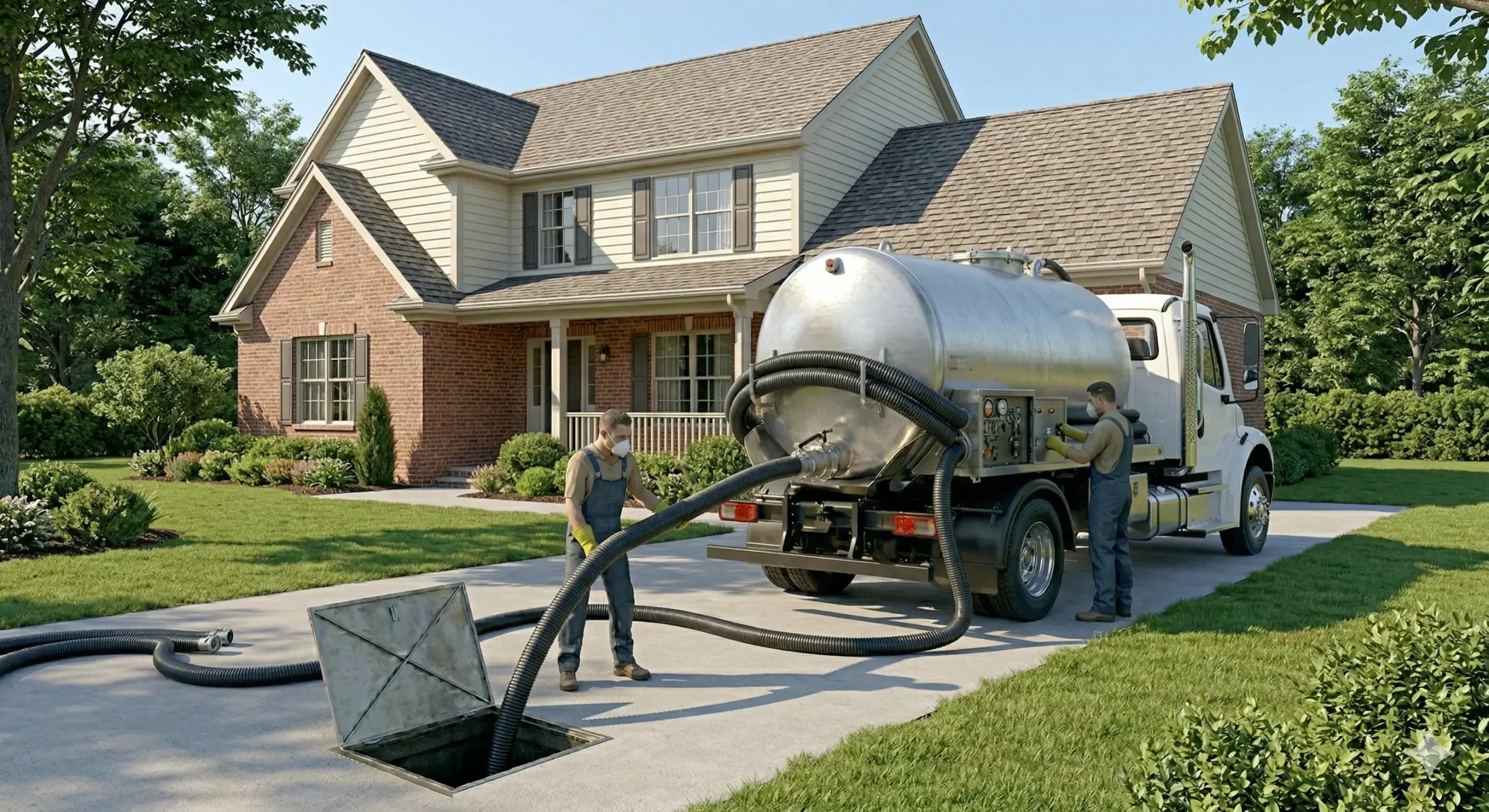
This is the number one question. The answer depends heavily on your location, soil type, and system complexity. Here is a realistic breakdown for a standard pole barn with a single bathroom in a region like rural Ohio or Michigan, where clay soil is common. We also provide specialized local support—see our Georgetown, TX service page for details.
| Component / Service | Typical Cost Range (USD) | Key Details |
|---|---|---|
| Health Department Permits & Site Evaluation | $500 – $1,500 | Non-negotiable. Includes percolation (perc) test to determine soil absorption rate. |
| System Design & Engineering | $800 – $2,000 | Required for complex sites, especially with poor soil or high water tables. |
| Septic Tank (1000-Gallon Concrete) | $1,500 – $3,000 | Standard for most residential applications. Price includes delivery. Concrete is durable but heavy. |
| Excavation & Installation Labor | $2,000 – $5,000 | Highly variable based on site accessibility, soil conditions, and trenching distance. |
| Drain Field / Leaching Field | $3,000 – $15,000+ | This is the biggest variable. Conventional trench systems are cheaper. Mound or aerobic systems for poor soil are significantly more expensive. |
| Effluent Pump & Alarm (if needed) | $1,200 – $2,500 | Required if the drain field is uphill from the tank. |
| Estimated Total Project Cost | $9,000 – $29,000+ | |
What Happens If I Don’t Install a Proper System?
Ignoring septic requirements is not a risk; it’s a guarantee of failure. This timeline shows the rapid progression from a bad decision to a biohazard crisis.
Progression of Failure: The Pole Barn ‘Dry Well’ Disaster
- [GREEN] Months 1-6: The Honeymoon Phase. You’ve dug a simple pit with gravel (an illegal dry well). Everything seems fine. Drains are fast. There are no odors. You believe you’ve saved thousands.
- [YELLOW] Months 7-12: The First Signs. After a heavy rain, you notice the toilet flushes slower. A faint, sour smell lingers outside the barn after you use the sink. The ground near your illegal pit is unusually damp and spongy.
- [ORANGE] Year 2: System Overload. The soil is now saturated with untreated effluent. Drains gurgle constantly. The smell is persistent and foul. You see black, slimy liquid pooling on the ground surface. This is raw sewage. Your property is now actively contaminated.
- [RED] Year 3: Catastrophic Failure & Discovery. Your well water tests positive for coliform bacteria. A neighbor reports you to the health department. You are issued a cease-and-desist order, daily fines, and a mandate to install a fully engineered system, which now costs more due to the required soil remediation. The initial savings have vanished, replaced by a financial and environmental nightmare.
Real-World Reports from the Field
⭐⭐⭐⭐⭐ – Mark T., Licking County, OH
“Built a new workshop and thought I could get by. Wrong. The health department was clear: no certificate of occupancy without a permitted septic. These guys came out, did a soil test in my clay-heavy property, and designed a small mound system. It wasn’t cheap, but it was done right, it passed inspection the first time, and I have peace of mind. Don’t mess around with this stuff.” You can find more detailed pricing and local regulations on our dedicated North Lauderdale, FL location page.
⭐⭐⭐⭐⭐ – Susan P., Washtenaw County, MI
“My husband wanted a bathroom in his pole barn for his classic car hobby. We were quoted a price to tie into our main septic and it sounded too good to be true. It was. Our home system is 25 years old and couldn’t handle the load. A different company came out, explained the hydraulic load calculations, and showed us why a dedicated 750-gallon tank and small drain field was the only legal and functional option. They saved us from a total system collapse.” Proactive care saves money. See what our local experts in Cedar Park, TX can do for your system.
How Do I Keep My Pole Barn Septic System Working?

Maintenance is not optional. A small system for a barn requires just as much care, if not more, than a large residential system due to potentially infrequent use which can disrupt the bacterial balance. We understand the specific environmental rules for your region. Learn more from our experts in Gatesville, TX.
- Pumping Schedule: Even with low usage, the tank should be professionally pumped and inspected every 3-5 years. Sludge still accumulates.
- No Harsh Chemicals: Do not pour solvents, paint thinners, or large amounts of bleach down the drain. This will kill the beneficial bacteria needed to break down waste.
- Watch for Leaks: A constantly running toilet is a silent killer of a septic system, flooding the drain field with hundreds of gallons of unnecessary water per day.
- Protect the Drain Field: Never drive or park vehicles over the drain field. Don’t plant trees or large shrubs on it. The area must remain clear.
- Use It Periodically: If the barn bathroom is rarely used, flush the toilet and run the sink once a month to keep traps full and introduce water to the system.
What Are The Warning Signs of a Failing System?
Your system will give you warnings. You need to listen. Ignoring these leads to a much more expensive emergency call.
- Slow Drains: If the toilet, sink, or shower in the barn drains slower than it used to, this is a primary indicator of a problem. It could be a clog, a full tank, or a saturated drain field.
- Sewer Odors: Any smell of sewage inside or outside the barn is a major red flag. This can mean a blocked vent stack, a full tank, or surface failure of the drain field.
- Gurgling Sounds: Plumbing that gurgles when you flush the toilet or drain a sink is a sign of negative pressure in the lines, often caused by a blockage or full tank.
- Spongy, Green Grass: An unusually lush, green, or wet patch of ground over your tank or drain field is a classic sign that untreated effluent is surfacing. This is a biohazard. If you see this, stop using the bathroom immediately and call a professional.
- Sewage Backup: This is the most critical failure. If sewage backs up into the shower or floor drain, the system is completely overloaded or has failed. This is an emergency situation.
Frequently Asked Questions About Pole Barn Septics
Can I connect my pole barn bathroom to my existing house septic system?
This is highly discouraged and often illegal. Your home’s septic system was designed and permitted based on the number of bedrooms and bathrooms in the house. Adding another bathroom’s load, even if used infrequently, can hydraulically overload the system, leading to premature drain field failure. You must consult your local health department; in 99% of cases, they will require a new, separate system or a full redesign and replacement of your existing system to accommodate the increased load.
What’s the smallest legal septic tank for a pole barn?
This is dictated entirely by local and state health codes, not by usage. While the calculated daily flow might be very low (e.g., 25-50 gallons), most jurisdictions have a minimum requirement to ensure adequate retention time for solids to settle. This is often 750 gallons, but 1,000 gallons is a more common minimum, even for a single toilet and sink. Never purchase a tank without having an approved permit that specifies the required size.
What is a percolation test and why is it mandatory?
A percolation (perc) test measures the rate at which water is absorbed by the soil. A hole is dug to the proposed depth of the drain field trench, filled with water, and timed to see how quickly the level drops. This rate, measured in minutes per inch (MPI), determines the size of the drain field required. Fast-draining sandy soil requires a smaller field, while slow-draining clay soil requires a much larger, and often more complex and expensive, system like a mound or aerobic treatment unit. It is mandatory because it is the only way to scientifically design a system that will not fail and contaminate groundwater.
Are there alternatives to a conventional septic system for a barn?
Yes, but they are often more complex and expensive. For sites with poor soil, high water tables, or small lots, options include: 1) Mound Systems, where the drain field is built in an elevated sand mound. 2) Aerobic Treatment Units (ATUs), which use oxygen to treat waste more thoroughly before it goes to the drain field, allowing for a smaller field. 3) Drip Irrigation Systems, which disperse treated effluent slowly over a large area. Composting toilets are an option for locations without running water, but they do not handle sink or shower (graywater) and have their own strict disposal regulations. All these alternatives require permits and professional installation.
Technically Reviewed By:
BlixBase Master Plumber Team
20+ Years Septic Industry Experience | Certified System Inspectors