

This Isn’t About Plumbing. It’s About Survival.

Listen to me. You are sharing a septic system with a neighbor. You do not have a written, legally binding agreement. Stop what you are doing. This is an emergency. You are living on top of an environmental catastrophe waiting to happen. This isn’t a simple property dispute. This is about pathogenic bacteria, nitrate poisoning, and the irreversible contamination of your drinking water. Looking for a reliable local contractor? Explore our septic solutions for Talladega, AL.
A verbal agreement is not enough. A handshake is worthless when raw sewage is bubbling up into your yard. You are one failed pump, one clogged drainfield, one negligent neighbor away from a biohazard situation that can render your property worthless and your family sick. The stakes are absolute.
Shared System Maintenance: This Is Non-Negotiable Collective Responsibility
A septic system is a living ecosystem. You must treat it with respect. When it’s shared, that responsibility is magnified. Negligence by one party guarantees disaster for all. A formal agreement must codify a strict maintenance schedule. Failure to do so is not a risk; it is a guarantee of eventual, catastrophic system failure.
Your agreement must explicitly detail:
- Pumping Schedule: Based on tank size and total household occupancy. Typically every 2-4 years. Specify the agreed-upon licensed pumper. Who calls? Who pays the invoice and gets reimbursed?
- Effluent Filter Cleaning: This is a critical component. The filter prevents solids from migrating to the drainfield and causing irreversible biomat clogging. It must be cleaned every 6-12 months. Designate one person as the ‘Maintenance Lead’ for this task.
- Water Usage Audits: Both households must commit to responsible water use. No leaking faucets. High-efficiency appliances are a must. A sudden spike in water usage from one home can hydraulically overload the entire system.
- Chemical Use Restrictions: Absolutely no antibacterial soaps, harsh chemical drain openers, or non-biodegradable products flushed down the drain. This destroys the delicate microbial balance required for waste decomposition. The agreement must list prohibited substances.
- Annual Professional Inspection: Beyond pumping, a certified inspector should assess the tank’s integrity, check baffles, measure sludge and scum layers, and inspect the drainfield for signs of saturation or surface failure. The cost must be split, and the report shared.
Hear From Homeowners Who Acted In Time
⭐⭐⭐⭐⭐
“Our properties shared an old system and we had no agreement. The tension was getting unbearable every time the toilet gurgled. We called in an expert who facilitated the inspection and helped our lawyers draft the agreement. The peace of mind is priceless. We discovered our drainfield was already partially compromised and caught it before a total failure.” Need immediate assistance? Find trusted septic tank pumping in Bellmead, TX right away.
– Sarah P., Buncombe County, NC
⭐⭐⭐⭐⭐
“When we bought our house, the shared septic was a huge red flag. Our realtor connected us with a septic consultant who laid out the horrifying environmental risks of not having a legal agreement. We made it a condition of the sale. The neighbors were reluctant at first, but seeing the data on potential well contamination changed their minds fast. It protects everyone.” Don’t ignore the warning signs. Reach out to our septic maintenance crew in Sachse, TX today.
– Mark T., Chatham County, NC
Troubleshooting a Failing Shared System: The Anatomy of a Disaster
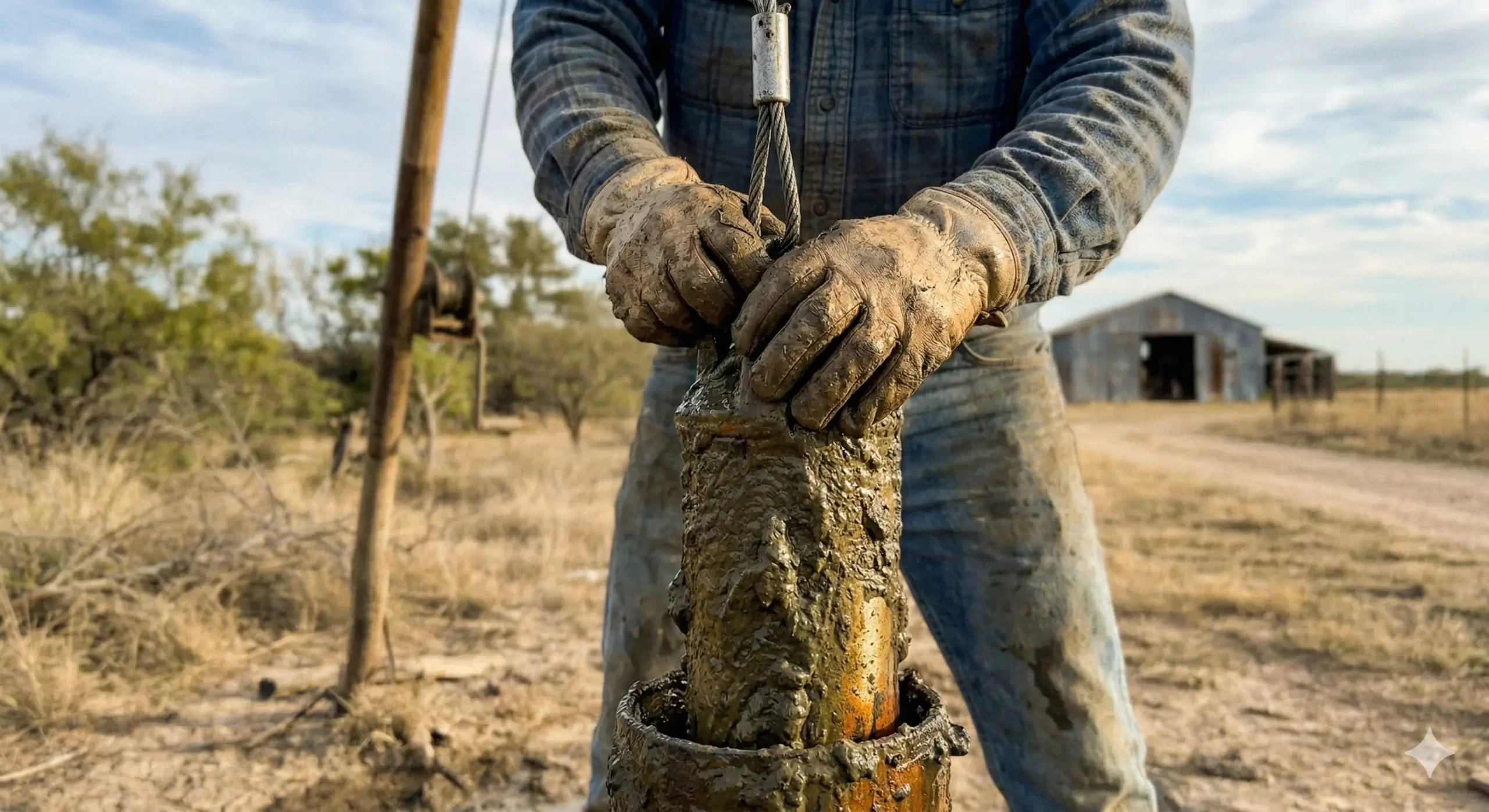
When the system fails without an agreement, chaos erupts. Finger-pointing begins. Meanwhile, pathogens are leaching into your soil and groundwater. Here is the typical progression. It is fast, and it is devastating.
Progression of Failure Timeline
| Phase | Indicator | Underlying Cause & Environmental Threat |
| Year 1-2: The Silent Phase | No visible signs. System appears normal. | Neglected maintenance begins. Sludge layer builds. Biomat starts thickening in the drainfield trenches, reducing soil percolation capacity. No immediate threat, but the clock is ticking. |
| Year 3-4: The Early Warning | Slow drains. Gurgling sounds in pipes. Occasional faint septic odors after heavy rain. | System is struggling. The tank is likely overdue for pumping. Effluent is not being processed efficiently. The drainfield is becoming partially saturated. Minor, localized soil contamination may begin. |
| Year 5: Imminent Failure | Persistent sewage odors. Wet, spongy spots in the yard over the drainfield. Unusually green grass in that area. Sewage backups into the lowest drain in the house. | Catastrophic failure is days or weeks away. The biomat has become impermeable. The drainfield is completely saturated with partially treated effluent. Nitrate and phosphate loading into the shallow aquifer is now significant. Pathogens are present in the upper soil layers. |
| Year 5+: Catastrophic Failure | Black, foul-smelling liquid (effluent) surfacing on the ground. Toilets and drains completely blocked. | This is a public health emergency. You are discharging raw sewage onto your property. Direct groundwater contamination is occurring. Your well, your neighbor’s well, and local streams are at extreme risk of contamination from fecal coliforms, viruses, and hazardous bacteria. Health department intervention is imminent. |
The Brutal Economics: Cost of Agreement vs. Cost of Failure
Homeowners avoid legal agreements because they fear the cost. This is dangerously shortsighted. The cost of prevention is a tiny fraction of the cost of the cure. Let’s be blunt. Let’s talk numbers.
| Expense Category | Proactive Cost (With Agreement) | Reactive Cost (After Failure, No Agreement) |
|---|---|---|
| Legal Agreement Drafting | $500 – $1,500 (one time) | N/A |
| Routine Pumping (3 yrs) | $300 – $600 (split cost) | $500 – $1,000+ (emergency call-out rate) |
| Minor Repair (e.g., Baffle) | $400 – $800 (split cost) | Cost + Dispute |
| Drainfield Replacement | N/A (prevented by maintenance) | $15,000 – $40,000+ |
| Well Decontamination / New Well | N/A | $10,000 – $25,000 |
| Environmental Fines (EPA/Health Dept.) | N/A | $5,000 – $50,000+ |
| Legal Fees (Neighbor vs. Neighbor) | N/A | $10,000 – $100,000+ |
| TOTAL POTENTIAL COST | ~$2,000 (over several years) | Up to $225,000+ |
The numbers do not lie. An agreement is not an expense. It is the single best insurance policy you can buy for your health, your environment, and your financial future. The legal agreement must be recorded with the county Register of Deeds, ensuring it runs with the land and is binding on all future owners. This protects you when your neighbor sells their property.
Urgent Questions Answered
What are the absolute must-have clauses in a shared septic agreement?
You need five non-negotiable clauses: 1) A clear cost-sharing formula for maintenance, repairs, and replacement (usually 50/50, but can be based on household size). 2) A defined maintenance schedule and assignment of responsibilities. 3) An easement granting legal access to the system components on each other’s property for service. 4) A dispute resolution process (e.g., mandatory mediation before litigation). 5) A clause stating the agreement is binding on future property owners and must be disclosed during any sale.
My neighbor refuses to sign an agreement. What do I do?
This is a serious red flag. First, present them with the potential costs of failure and the environmental risks to both of your wells. Frame it as mutual protection. If they still refuse, you must consult a real estate attorney immediately. You may need to explore legal options to compel an agreement or, in a worst-case scenario, pursue partitioning the system, which is extremely expensive. Document every conversation. Start a log of all maintenance you perform and pay for yourself. Your legal standing depends on showing you acted responsibly.
What specific environmental toxins are we talking about with a failed system?
We are talking about a cocktail of biohazards. Primarily, pathogenic bacteria and viruses such as E. coli, Giardia, Salmonella, and Hepatitis A, which cause severe illness. Beyond pathogens, the key chemical contaminants are nitrates and nitrites. In drinking water, nitrates can cause methemoglobinemia, or ‘blue baby syndrome,’ which is fatal to infants. The effluent also contains phosphorus, cleaning chemicals, and sometimes even heavy metals, all of which cause devastating harm to aquatic ecosystems and can persist in groundwater for decades.
How does a shared system affect my property value and ability to sell my home?
A shared system without a recorded legal agreement is a massive liability that can kill a sale. Mortgage lenders may refuse to finance the property. Savvy buyers will walk away. A properly documented, well-maintained shared system with a clear legal agreement in place is perfectly acceptable and will not negatively impact your value. The agreement transforms the system from a liability into a documented, manageable utility. Without it, you are trying to sell a lawsuit waiting to happen.
Your Final Warning
Do not delay. The ground beneath your feet can become your enemy. Your water can become poison. Your relationship with your neighbor can become a legal war. The solution is not complex, but it is urgent. Get a licensed septic inspector to evaluate the system’s current condition. Contact a real estate attorney to draft a comprehensive shared system agreement. Protect your family. Protect your investment. Protect the environment. The time to act is now. Don’t wait for a backup to flood your yard. Check out our local services in Oxford, AL.
Technically Reviewed By:
BlixBase Master Plumber Team
20+ Years Septic Industry Experience | Certified System Inspectors