
Top Septic Pumping in
Gulf Shores
Gulf Shores Pumping Costs & Data
Here are the critical statistics defining the state of infrastructure in the area:
- The “Wipe” Epidemic: In short-term vacation rentals along the beach, local service data indicates a massive 60% higher rate of system backups during summer months caused entirely by tourists flushing non-biodegradable wipes and grease.
- Engineered System Reliance: Due to the incredibly high water tables and zero elevation, over 90% of new or replacement decentralized systems near the waterfront are mandated to be engineered mound systems or mechanical ATUs.
- Hurricane & Storm Failure Spikes: During Alabama’s intense hurricane season, local data indicates a 50% spike in emergency service calls, predominantly caused by saltwater storm surges overwhelming systems and power failures shutting down ATU pumps.
The mathematics of septic maintenance in high-water-table, tourist-heavy coastal zones are unforgiving. Routine, scheduled vacuum pumping is the only scientifically valid method to protect your luxury property and the Gulf Coast from a biohazard disaster.
The final invoice for your specific pump-out will be dictated by these localized variables:
- Wipe Remediation & Hydro-Jetting: Extracting dense blockages caused by years of “flushable” wipe usage and beach sand accumulation (extremely common in vacation rentals) requires heavy-duty hydro-jetting to clear the inlet baffles and lateral lines, adding a manual labor surcharge.
- Advanced ATU/Mound Maintenance: Because the high water table forces the use of engineered systems, servicing in Gulf Shores is generally more complex than pumping a simple gravity tank. Technicians must evacuate multiple chambers, clean the diffusers, verify the aeration compressor, and check the dosing pumps.
- Saturated Sand Excavation & Cave-ins: Finding the tank and manually digging through wet coastal “sugar sand” to expose the access lids adds substantial labor time. The hole often fills with groundwater instantly, and the wet sand constantly caves in during digging. We highly recommend paying for PVC surface risers.
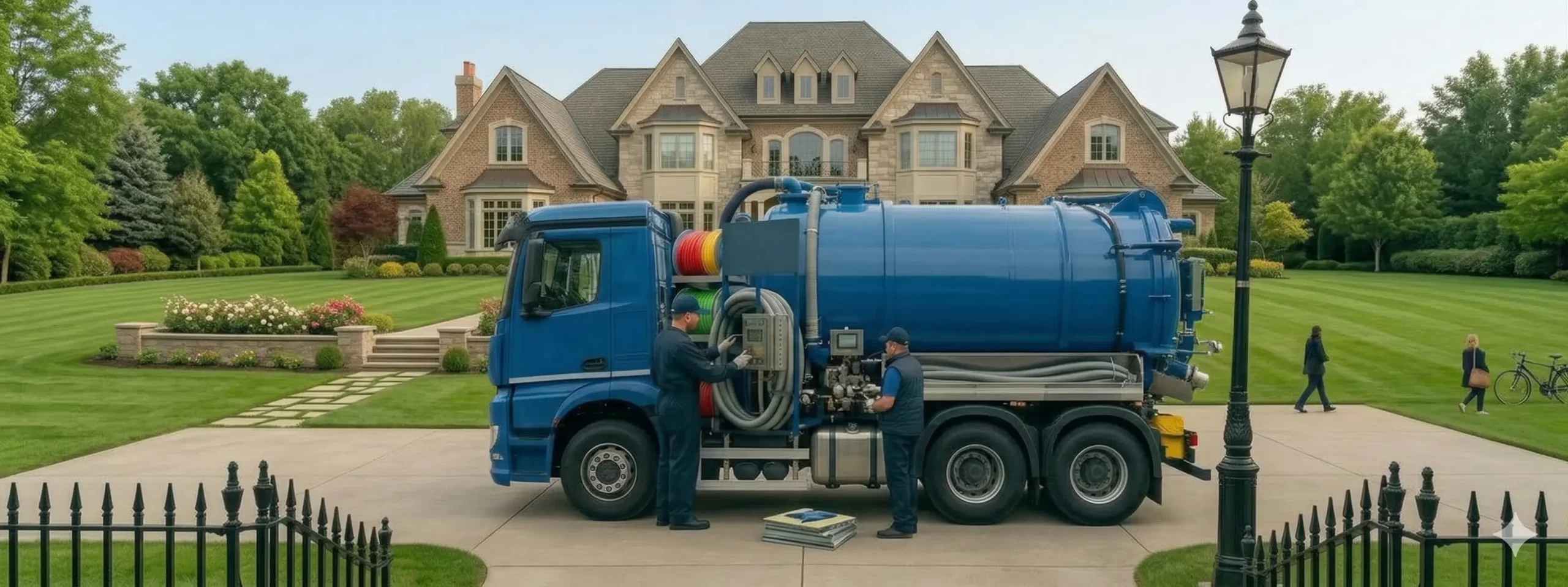
- White-Glove Hose Deployments: Pumping tanks located under stilted beach houses or behind sprawling coastal estates requires staging the heavy vacuum truck carefully to prevent it from sinking into the soft sand. Technicians frequently deploy 150 to 200+ feet of heavy industrial hose.
Furthermore, Baldwin County’s specific soil profiles dictate maintenance frequency:
| Gulf Shores Terrain / Soil | Drainage Capacity | Impact on Wastewater Systems | Maintenance Need |
|---|---|---|---|
| Coastal Sand / High Water Table | Extremely Poor / High Risk | Forces the use of engineered mounds or mechanical ATUs. Constant high groundwater causes immediate hydraulic lock during tropical storms. | High (Strict ATU servicing schedules) |
| Wooded Coastal Loam (Inland) | Moderate | Drains slightly better, but highly vulnerable to catastrophic root intrusion from ancient live oaks. | High (Strict 2-4 year pumping) |
Cost Estimation by System Profile in Gulf Shores:
| Service Description | Estimated Range | Primary Labor Factors |
|---|---|---|
| Engineered / ATU System Pump-Out | $390 – $680 | Multi-tank evacuation, mechanical checks, diffuser cleaning, and coastal hose deployments. |
| Legacy Conventional Pump-Out | $380 – $580+ | Manual excavation in wet sand (cave-in risk), structural checks, root extraction. |
| Hydro-Jetting / Rental Wipe Removal | +$150 – $350 | Deploying high-pressure water to obliterate tourist wipe clogs, grease, and sand blockages in lines. |
Our platform guarantees that you connect with transparent, elite professionals who understand the uncompromising demands, engineered systems, and sensitive waterfront geology of Baldwin County.
73°F in Gulf Shores
🌱 Local Environmental Status
When an On-Site Sewage Facility (OSSF) is neglected in the Gulf Shores area, the localized consequences are distinct and hazardous:
- Vacation Rental Overload & Wipe Clogs: Gulf Shores experiences massive population spikes during the summer and holidays. Beach houses operating as short-term rentals are frequently subjected to severe hydraulic overloading. Furthermore, tourists notoriously flush non-biodegradable “flushable” wipes and beach sand, instantly destroying ATU impellers and causing catastrophic backups.
- Hurricane Surge & Hydraulic Lock: During a tropical storm or hurricane, the coastal sands saturate instantly, and storm surges physically inundate low-lying drain fields. If a septic tank is full of sludge, raw sewage backs up immediately into the home or blows out into the yard due to hydrostatic pressure.
- Gulf & Lagoon Contamination: Properties bordering the Gulf of Mexico, Little Lagoon, or local bays are under intense environmental scrutiny. A saturated, overflowing septic tank releases raw human pathogens directly into the watershed, threatening public health, marine life, and the local tourism economy.
- Aerobic Plant (ATU) Failure: Because traditional drain fields cannot function in the high coastal water tables, virtually all off-sewer beachfront homes utilize mechanical Aerobic Treatment Units (ATUs). If these systems are not regularly pumped and serviced, the motors burn out.
To protect their high-value properties and the fragile Gulf Coast ecosystem, homeowners and property managers must enforce uncompromising maintenance protocols:
- Strict Pumping & ATU Maintenance: Schedule a professional vacuum pump-out every 2 to 3 years. Mechanical ATUs mandate strict, continuous mechanical servicing to remain in compliance with Alabama Department of Public Health (ADPH) standards.
- Tenant Education (No Wipes): Vacation rental managers must post clear signage strictly prohibiting the flushing of wipes, feminine products, and grease to prevent massive, concrete-like clogs.
- Hurricane Preparation: Pumping your tank *before* hurricane season provides critical emergency holding capacity when the power grid fails and your ATU pump stops working in flooded ground.
Consistent, storm-aware pumping is the absolute baseline of stewardship for homeowners in Gulf Shores.
⚙️ Local Service Details
When a certified vac-truck arrives at your Baldwin County property, you can expect a rigorous, exhaustive service protocol:
- Elite Low-Impact Equipment Staging: Strategically parking heavy 30,000-gallon vacuum trucks on solid paved streets or reinforced pads, deploying up to 250 feet of industrial hose to navigate under stilted beach homes and prevent the truck from sinking into soft coastal sand.
- Electronic Tank Locating & Wet Sand Excavation: Utilizing flushable sondes to locate buried tanks. Technicians carefully hand-dig through heavy, wet coastal sand (actively managing cave-ins) to expose the lids safely without damaging your property.
- Complete Evacuation & Engineered Servicing: Engaging high-CFM vacuum power to entirely empty the tank. For ATUs or Mound Systems, technicians evacuate all chambers, clean aeration diffusers, verify dosing pump function, and check chlorination systems.
- Wipe & Sludge Remediation: For severely clogged vacation rentals, technicians utilize hydro-jetting to physically extract massive “flushable” wipe clogs and beach sand from the inlet baffles and lateral lines.
This comprehensive, specialized approach guarantees that your Gulf Coast investment is protected against catastrophic backups and environmental code violations.
📍 Coverage & ZIP Codes
🏡 Real Estate Transactions
Navigating a property transfer involving an engineered system or ATU in Gulf Shores requires meticulous attention to documentation:
- Waterfront Proximity Inspections: For properties located directly on the Gulf, Little Lagoon, or intercoastal waterways, appraisers demand a structural camera inspection and full pump-out to guarantee the tanks are completely sealed against groundwater leaks, saltwater intrusion, and storm surges.
- Engineered System Compliance: Because traditional systems fail in the local coastal sands, homes operate mound systems or mechanical treatment plants. Appraisers and lenders demand proof of an active maintenance contract and recent ADPH pumping records to ensure the expensive aeration motors are fully functional. A failing ATU will immediately halt a title transfer.
- Vacation Rental Diagnostics: For investors purchasing turnkey short-term rentals, a complete pump-out and high-pressure line jetting is highly recommended during due diligence to ensure the system hasn’t been chronically abused with flushable wipes, grease, and beach sand by previous tenants.
- Appraisal Value Protection: A failed drain field requiring a mandatory engineered upgrade on a coastal lot can cost $15,000 to $25,000+ to replace. Providing a potential buyer with a flawless pumping and ATU maintenance log neutralizes their ability to demand massive price concessions.
Protect your Baldwin County property’s equity. Securing a professional pump-out and a clean bill of health from our vetted, elite technicians is the most profitable step you can take before listing your Gulf Shores beach house.
⚠️ Local Regulatory Warning
Homeowners, property managers, and developers are legally bound by the following uncompromising mandates:
- ADPH Engineered System Mandates: The Alabama Department of Public Health (ADPH) dictates that in areas where traditional drain fields fail (most of the soils around Gulf Shores), engineered mound systems or mechanical ATUs must be used. Operating these systems legally requires a continuous, active maintenance contract.
- ADPH Pumping Regulations: All septic and ATU pumping must be performed exclusively by state-licensed pumpers. The waste must be legally manifested and disposed of at approved treatment facilities. Hiring an unlicensed “gypsy” pumper makes you complicit in illegal dumping.
- Surface Discharge Penalties: Failing systems that leak raw effluent into public drainage ditches, Little Lagoon, or directly onto the Gulf beaches trigger immediate municipal health citations and forced system condemnation.
- System Expansion Permitting: Increasing the bedroom count of a vacation rental to accommodate more guests without filing engineered blueprints to upgrade the ATU with the Baldwin County Health Department will result in massive retroactive fines and stop-work orders.
Consequences of Regulatory Non-Compliance in Gulf Shores:
| Environmental Violation | Enforcing Agency | Potential Penalty |
|---|---|---|
| Illegal Surface Discharge / Beach Threat | ADPH / ADEM | Emergency fines up to $1,000 per day until mitigated; forced system condemnation. |
| Unpermitted Rental Expansion / Overload | Baldwin County Health | Loss of rental license, forced removal of plumbing, blockage of property sales. |
| Expired Engineered Maintenance Contract | ADPH Onsite Program | Permit revocation, Class C Misdemeanor, massive daily fines. |
Protect your finances and your legal standing. Our network only provides access to elite, fully insured, and ADPH-compliant professionals who protect your property legally and environmentally.
Time-Restricted Pumping
When you pump is just as important as how you pump. Here is the golden season for Gulf Shores residents.
Local Soil Saturation Impact
Understand how the current moisture levels in Gulf Shores affect your drain field's ability to process effluent.
Surging Pump-Outs in Gulf Shores
The numbers don't lie. The necessity of tank pumping is growing week over week in your zip code.
Local Dispatch Intelligence
We prioritize fast response for Gulf Shores. Here is the current status of the emergency network in your region.
The Cost of Waiting
Compare the affordable price of a routine Gulf Shores pump-out against a total catastrophic system replacement.
Base Drain Field Replacement in Gulf Shores: $13,770
Capacity Loss Estimator
We calculate the environmental impact of Gulf Shores on your sludge levels. Limit your water usage today.
Homeowner Feedback



Reliable Septic Services in
Gulf Shores, AL
Gulf Shores Septic Expert AI
What are the specific septic tank regulations, typical soil drainage characteristics, and the local permitting authority for the Gulf Shores area?
Residential Septic Systems in Gulf Shores, Baldwin County, Alabama (2026)
As a Senior Environmental Health Inspector and Septic Regulatory Expert for Alabama, I can provide you with precise information regarding residential septic systems in Gulf Shores, which is located in **Baldwin County, Alabama**. Given the coastal environment, specific considerations for soil and water table are paramount.Local Permitting Authority and Regulations
The primary regulatory authority for onsite sewage disposal systems in Baldwin County, including Gulf Shores, is the **Baldwin County Health Department**. This department operates under the umbrella of the Alabama Department of Public Health (ADPH) and enforces the statewide regulations.The overarching regulations governing onsite sewage disposal systems in Alabama are detailed in the **Alabama Administrative Code, Chapter 420-3-1, "Onsite Sewage Disposal Systems."** This chapter outlines specific requirements for permitting, design, installation, and operation. Key aspects include:- Permitting Process: A permit from the Baldwin County Health Department is required before any construction, repair, or modification of a septic system can commence. This typically involves submitting an application, site plan, and a satisfactory soil evaluation.
- Site Evaluation: A qualified professional (e.g., a licensed onsite sewage professional or professional engineer) must conduct a site evaluation, including percolation tests (perc tests) and soil borings, to determine soil suitability and groundwater levels. This is critical in coastal areas.
- Design Requirements: The system must be designed by a licensed onsite sewage professional or professional engineer, especially for complex sites or alternative systems. Design considerations include projected wastewater flow, soil type, depth to groundwater, and separation distances.
- Minimum Tank Size: For typical residential dwellings, a minimum 1000-gallon septic tank is generally required for homes with up to three bedrooms. Larger homes or those with higher wastewater flows will require larger tanks.
- Separation Distances: Strict separation distances must be maintained from wells, property lines, foundations, streams, public water supply lines, and other critical features to prevent contamination.
- Installation and Inspection: Systems must be installed by ADPH-certified installers. The Baldwin County Health Department conducts inspections during key stages of installation to ensure compliance with the approved design and regulations.
- Operation and Maintenance: Property owners are responsible for maintaining their systems, including regular pumping (typically every 3-5 years) and addressing any operational issues promptly.
Typical Soil Drainage Characteristics in Gulf Shores
The soil characteristics in Gulf Shores, being a coastal area of Baldwin County, are critically important for septic system design and performance.- Soil Type: The predominant soils in Gulf Shores are typically **sandy to loamy sands**. These soils generally exhibit good percolation rates when dry and unsaturated.
- High Water Table: A defining characteristic of the Gulf Shores area is a **very high seasonal and perennial water table**. Due to its proximity to the Gulf of Mexico, coastal plain geology, and low elevation, groundwater can be encountered very close to the surface, often within 1 to 3 feet, especially during wet seasons or periods of heavy rainfall.
- Impact on Drain Field Design:
- Limited Vertical Separation: The high water table severely limits the available vertical separation between the bottom of the drain field trenches and the groundwater table, which is a critical regulatory requirement (typically a minimum of 2-3 feet of unsaturated soil).
- Poor Effluent Treatment: When drain fields are saturated by a high water table, they lose their ability to properly treat wastewater. The anaerobic conditions prevent effective pathogen removal and nutrient reduction, posing environmental and public health risks.
- Need for Advanced Systems: Consequently, conventional gravity-fed drain field systems are often **not feasible** in many parts of Gulf Shores. This necessitates the use of alternative or engineered systems. Common solutions include:
- Mounded Systems: These systems use imported suitable fill material to create an elevated drain field, providing the necessary separation from the high water table.
- Elevated/Raised Systems: Similar to mounded systems, these systems raise the absorption area above the natural grade.
- Aerobic Treatment Units (ATUs): ATUs provide a higher level of treatment than conventional septic tanks, producing a cleaner effluent that can then be dispersed through various methods, sometimes allowing for smaller drain fields or alternative dispersal like drip irrigation, even in challenging soil conditions.
- Pressure Distribution Systems: These systems uniformly distribute effluent throughout the drain field, improving efficiency in marginal soils.
- Strict Site Evaluation: Thorough site evaluations, including multiple deep soil borings and long-term groundwater monitoring, are absolutely critical to determine the highest seasonal water table and design an appropriate system.
Realistic 2026 Cost Estimates for the Gulf Shores Market
Please note that these are estimates for 2026, projected from current market rates and considering the specific challenges and demand within the Gulf Shores area. Actual costs can vary based on site-specific conditions, system complexity, and material/labor fluctuations.- Septic Tank Pumping (Residential):
For a standard 1000-1250 gallon residential septic tank, you can expect costs for pumping and disposal in the Gulf Shores market to range from $400 to $700. This service should ideally be performed every 3-5 years, depending on household size and water usage.
- New Septic System Installation (Residential):
The cost for a new septic system installation varies significantly based on the type of system required due to the challenging soil and water table conditions in Gulf Shores:
- Conventional System (If Feasible): While rare for new construction in many Gulf Shores areas due to the high water table, if a conventional gravity-fed system is possible, costs could range from $9,000 to $16,000. This assumes ideal soil conditions and minimal site work.
- Mounded or Elevated System: Given the prevalence of high water tables, mounded or elevated systems are far more common. These systems involve significant earthwork and imported fill material, pushing costs to approximately $22,000 to $35,000.
- Aerobic Treatment Unit (ATU) with Advanced Dispersal (e.g., Drip, Spray, or Low-Pressure Dose): These highly engineered systems are often the most suitable and sometimes the only option for many Gulf Shores properties, especially those with very limited space, poor soil, or high water tables. Costs for ATU systems, including the unit, pumps, controls, and advanced dispersal fields, can range from $28,000 to $45,000+. The higher end of this range often includes more extensive site preparation and larger or more complex dispersal fields.
It is crucial to obtain detailed quotes from multiple ADPH-certified installers after a thorough site evaluation has been completed by a licensed professional engineer or onsite sewage professional.