
Listen Up. This is an Emergency Briefing.
Your home has a digestive system. It’s called a septic tank. And right now, you might be feeding it poison. I’m not talking about chemicals. I’m talking about your toilet paper. That soft, plush, 3-ply roll you love? It could be a ticking time bomb that will cost you thousands. This isn’t a sales pitch. This is a field advisory from an expert who has seen the disgusting, expensive aftermath. Pay attention. Your property value depends on it.
The Septic System: A Microscopic War Zone
Forget what you think you know. Your septic tank isn’t just a holding container. It’s a complex, living bioreactor. Inside that concrete box, a war is being waged by trillions of anaerobic bacteria. These are the good guys. Their job is to digest the organic solids that you flush down the toilet. They work in total darkness, without oxygen, breaking down waste into three layers:
- The Scum Layer: Fats, oils, grease. Floats on top.
- The Effluent Layer: The wastewater in the middle. This is what flows to your drain field.
- The Sludge Layer: Heavy organic solids and inorganic material at the bottom. This is what gets pumped out.
The wrong toilet paper doesn’t break down. Its long, tough cellulose fibers, often held together by chemical binders and adhesives, resist the bacterial onslaught. They bypass the sludge layer and float into the effluent, eventually getting carried out into your drain field. This is where the disaster begins.

Troubleshooting Your System Right Now
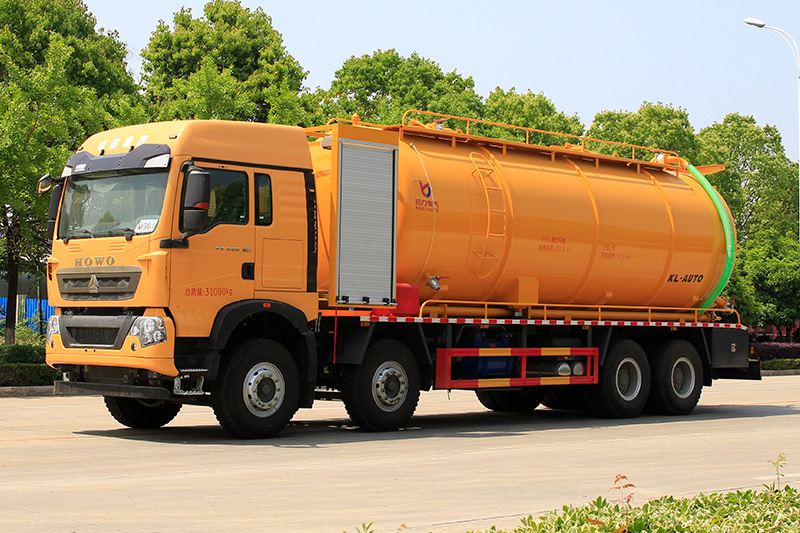
Is your system already sending out an S.O.S.? Don’t wait. Check for these signs immediately:
- Slow Drains: Sinks, showers, and toilets are taking longer to drain. This is often the first sign of a system under pressure.
- Gurgling Sounds: Your pipes sound like a coffee maker. This is air being forced back through the system because of a blockage.
- Bad Odors: You smell sewage or a ‘rotten egg’ smell, especially outside near the tank or drain field.
- Lush Green Patches: An unusually green, spongy patch of grass over your drain field means effluent is surfacing. The grass loves the ‘fertilizer,’ but it’s a major biohazard.
- Pooling Water: You see damp spots or standing water in the yard. This is a critical failure. Call a professional immediately.
The Physics of Drain Field Failure: Percolation & Biomat
Your drain field, or leach field, is the final stage. It’s a network of perforated pipes buried in gravel trenches. The liquid effluent flows out and is supposed to percolate down through the soil, where aerobic (oxygen-using) bacteria finish cleaning it. The soil’s ability to absorb this water is called its percolation rate. Sandy Florida soil percolates fast. Heavy Georgia clay? Dangerously slow.
When undigested paper fibers and excessive solids escape the tank, they clog the perforations in the pipes and, more critically, they form a dense, slimy layer called a ‘biomat’ on the soil. This biomat acts like a layer of plastic, suffocating the soil and preventing water from percolating. The system becomes waterlogged. The effluent has nowhere to go but up to the surface or back into your house. This is a complete system failure.
The Real Cost Breakdown: Paper vs. Catastrophe
Homeowners get sticker shock over a new drain field. Let’s put it in perspective. The math is simple and brutal. If you reside in the area, you can learn more about our septic services in Seguin, TX.
| Expense Item | Typical Cost | Frequency / Cause |
|---|---|---|
| Premium “Ultra-Plush” Toilet Paper (Annual) | $120 – $150 | Consumer Choice |
| Septic-Safe Toilet Paper (Annual) | $90 – $110 | Smart Choice |
| Emergency Septic Pumping | $400 – $700 | Often caused by clogs from solids/paper. |
| Drain Field Hydro-Jetting | $1,000 – $2,500 | Attempting to clear biomat. Not always successful. |
| Full Drain Field Replacement | $8,000 – $25,000+ | Complete system failure. Catastrophic. |
Saving $30 a year on cheap, plush toilet paper is a high-risk gamble with a potential $25,000 loss.
Septic System Failure Progression

This doesn’t happen overnight. It’s a slow, silent killer. Here is what the timeline of failure looks like: Our Southlake, TX service technicians are fully licensed to handle these exact types of installations.
- Year 1-2: The Honeymoon Phase. System is new. The soil is porous. It can handle the abuse from thicker paper. No signs of trouble. You think everything is fine.
- Year 3-5: The Whispers of Trouble. You might notice the toilet doesn’t flush with the same force. A gurgle here and there. The sludge layer is building faster than normal due to undigested paper fibers. The biomat is beginning to form in the drain field.
- Year 6-8: The Yellow Flags. Drains are noticeably slower across the house. You need to call for a pump-out sooner than the recommended 3-5 year interval. The pumper might mention the sludge is unusually thick and pasty. This is a major warning. The biomat is now significantly reducing soil percolation.
- Year 8+: Critical Failure. A heavy rain or a large gathering of guests is all it takes. The system has zero remaining capacity. It backs up. You have sewage on your lawn or in your basement. You are now in the catastrophic failure zone.
Top Toilet Paper Brands for Septic Health in 2026
The best toilet paper is one that dissolves quickly and completely. It typically has shorter fibers, is 1-ply or a rapidly dissolving 2-ply, and is free of excessive lotions, scents, and binders. Look for products labeled “Septic Safe” and, ideally, certified by the National Sanitation Foundation (NSF).
- Scott 1000 1-Ply: The gold standard for a reason. It dissolves almost instantly. It’s not luxurious, but it’s the safest bet for any septic system, new or old. Its rapid breakdown means minimal solid material reaches the drain field.
- Seventh Generation White Toilet Paper (Recycled): Made from recycled paper, its fibers are already short and break down easily. It’s a strong environmental choice that is also mechanically superior for septic health.
- Angel Soft 2-Ply: While it is a 2-ply, it is engineered to dissolve quickly. It offers a balance between comfort and septic safety. Always perform a jar test to be sure the formulation hasn’t changed.
- Caboo Tree-Free Bamboo Toilet Paper: Bamboo fibers are shorter and more biodegradable than long-fiber virgin wood pulp. It breaks down very well and is a sustainable option.
Essential Maintenance Tips ️
Toilet paper is just one piece of the puzzle. Protect your entire system:
- Regular Pumping: Get your tank pumped every 3-5 years, depending on household size. This is non-negotiable.
- The “Flushable” Lie: NEVER flush so-called “flushable” wipes. They DO NOT break down. They are the #1 cause of clogs and premature system failure. The same goes for feminine hygiene products, paper towels, and dental floss.
- Mind the Drain: Do not pour grease, cooking oil, coffee grounds, or harsh chemicals down your drain. They kill the beneficial bacteria in your tank.
- Water Conservation: Use high-efficiency appliances. Less water means less strain on your drain field, giving it time to dry out and breathe between uses.
What Our Clients Are Saying
⭐⭐⭐⭐⭐ – The Henderson Family
“We had constant slow drains and had no idea why. We thought a huge repair was coming. The technician came out, diagnosed the problem in minutes—we were using the wrong ‘ultra-soft’ toilet paper. He explained the science, recommended Scott 1000, and after our next pump-out, the problem vanished. Saved us from a potential nightmare.” We understand the specific environmental rules for your region. Learn more from our experts in Surfside, FL.
⭐⭐⭐⭐⭐ – Mark T.
“My yard was starting to smell, and I was panicking. Called them in a frenzy. They didn’t just pump the tank; they educated me. Showed me the thick paste of undigested paper clogging everything. Switching our TP was the easiest and cheapest fix I could have imagined. This knowledge is priceless.” Navigating local soil conditions can be tricky. Consult our Altamonte Springs, FL septic pumping guide.
Frequently Asked Questions (FAQ)
Are ‘flushable’ wipes really that bad for a septic system?
Yes, they are catastrophic. It is the single worst thing besides grease you can put in your tank. They are made of synthetic materials, not paper, and they do not biodegrade. They bind together with grease and solids to form massive, concrete-like clogs that will destroy your pump and clog your drain field. Never, ever flush them.
Is 3-ply toilet paper automatically bad for septic tanks?
Almost always, yes. The combination of thickness, long fibers for strength, and chemical binders used to hold the plies together makes it highly resistant to breakdown. While a few brands claim to be septic-safe, the risk is enormous compared to the minimal gain in comfort. We strongly advise against any paper more than 2-ply.
Do I need to add bacterial additives to my septic tank?
For a normally functioning system, no. Your septic tank naturally cultivates all the bacteria it needs from the waste that enters it. The main reasons to consider additives are if you have used harsh chemicals (like drain cleaner) that may have killed the bacteria, or if a professional recommends it to help break down a particularly tough sludge layer. Otherwise, you are likely wasting money.
Your septic system works silently, 24/7, to protect your family’s health and your property. Don’t sabotage it in the bathroom aisle. Make the smart choice. Your wallet and your yard will thank you. We understand the specific environmental rules for your region. Learn more from our experts in Lincoln, AL.
Technically Reviewed By:
BlixBase Master Plumber Team
20+ Years Septic Industry Experience | Certified System Inspectors