

Introduction: A Critical Analysis of Disinfection Agents in Onsite Wastewater Treatment Systems
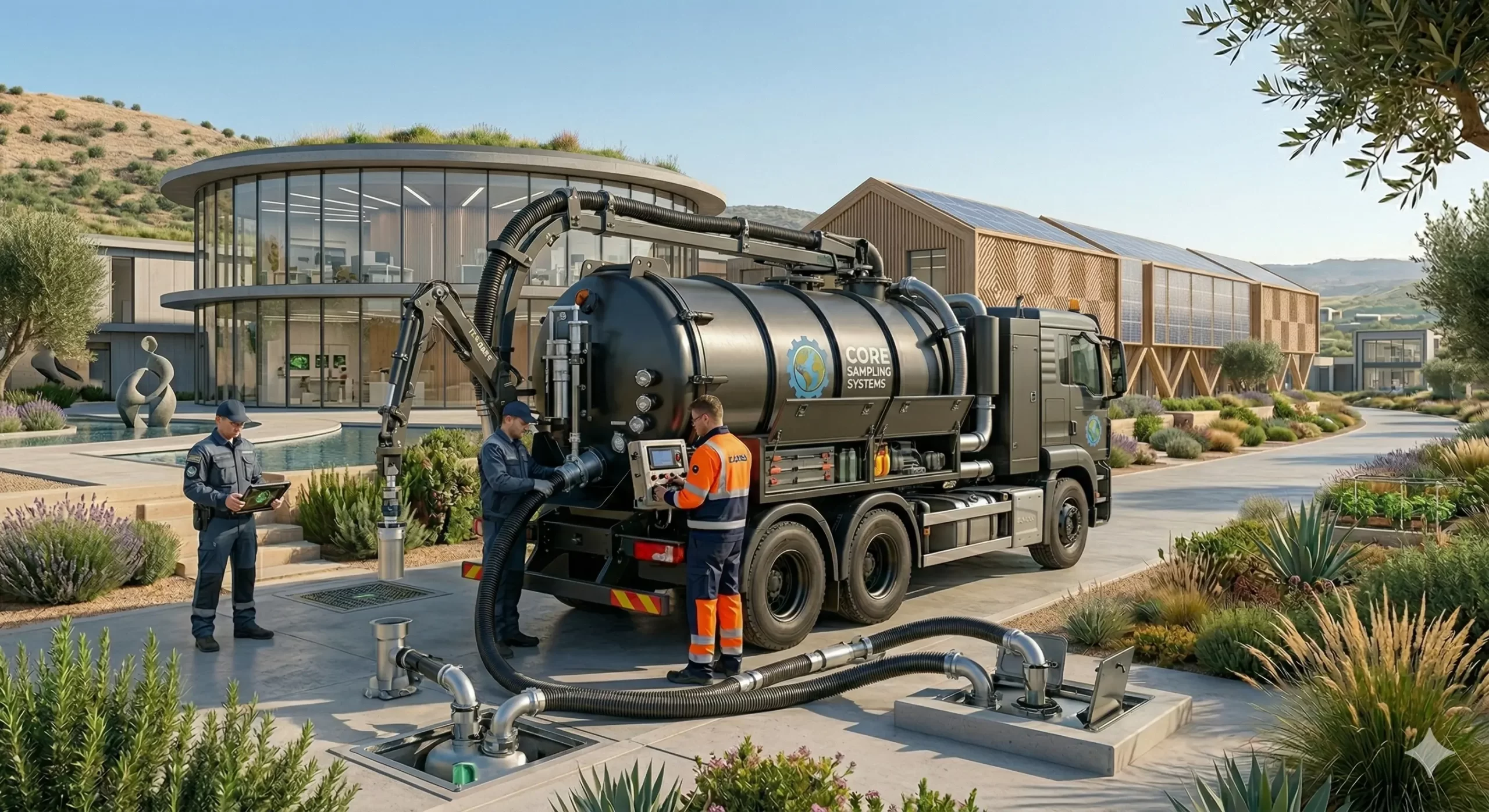
The disinfection stage of an onsite wastewater treatment system, particularly within an Aerobic Treatment Unit (ATU), is a non-negotiable process parameter for ensuring the final effluent meets regulatory standards for pathogen reduction prior to discharge. The selection of the chemical disinfection agent is not a matter of convenience or cost, but a precise engineering decision dictated by chemical compatibility, effluent chemistry, and long-term material integrity of the system components. This analysis will conduct a granular comparison between two commonly available but fundamentally dissimilar solid chlorine donors: Calcium Hypochlorite (Ca(OCl)₂) and Trichloro-S-Triazinetrione (Trichlor). The incorrect application of these agents has led to quantifiable, premature, and catastrophic system failures, which will be detailed herein. Dealing with a sudden sewage issue? Rely on our emergency septic team in Port Aransas, TX.
Advanced System Troubleshooting: Diagnosing Chemically-Induced Failures
Field diagnostics of a failing ATU or septic system often point to hydraulic or biological overload. However, a significant percentage of component failures can be traced directly to the selection of an improper disinfection agent. The following are key diagnostic indicators:
- Premature Effluent Pump Failure: A submersible effluent pump with a service life of 7-10 years failing within 18-36 months is a primary indicator. Disassembly will often reveal severe corrosion of the cast iron volute, impeller, and stainless steel motor housing. This is a classic symptom of sustained exposure to a low-pH environment, directly attributable to the use of Trichlor tablets, which hydrolyze to form hypochlorous acid and cyanuric acid, depressing the effluent pH to levels between 2.8 and 4.0.
- Degradation of Concrete Components: For systems employing concrete tanks (trash tank, aeration chamber, clarifier), observe the condition of baffle walls, tank lids, and risers. Spalling, aggregate exposure, and a ‘sugary’ texture are evidence of acid attack. The sulfuric acid produced by sulfate-reducing bacteria is a known issue, but the process is aggressively accelerated by the acidic nature of Trichlor. Calcium Hypochlorite, being alkaline, does not cause this type of degradation.
- Chlorinator Assembly Failure: The tablet feeder mechanism, typically constructed from PVC or ABS plastic, can provide diagnostic clues. Trichlor’s aggressive off-gassing of chlorine gas in a moist environment, combined with its acidity, can make plastic components brittle and prone to cracking. Conversely, systems using Calcium Hypochlorite may exhibit buildup of calcium carbonate (CaCO₃) scale, which presents as a white, crystalline deposit that can impede tablet dissolution and flow. This requires mechanical cleaning but does not typically destroy the component itself.
- Erratic Fecal Coliform Test Results: If effluent testing reveals inconsistent or high fecal coliform counts despite the visible presence of chlorine tablets, the cause is often ‘chlorine lock’ from Trichlor usage. The cyanuric acid (CYA) component binds to the free chlorine, reducing its oxidation-reduction potential (ORP) and rendering it less effective as a disinfectant, even when a test kit shows a high total chlorine reading.
Real-Life Case Study: System Failure in Fulton County, Georgia
System Profile: A 4-bedroom residential property equipped with a 600 GPD (Gallons Per Day) Aerobic Treatment Unit (ATU) installed in 2021. The local soil composition is predominantly Cecil series red clay, characterized by low percolation rates, necessitating an ATU with spray dispersal for tertiary treatment.
Initial Condition: The homeowner, seeking to reduce costs, began using 1-inch Trichlor swimming pool tablets purchased from a hardware store, instead of the NSF-60 certified Calcium Hypochlorite tablets specified by the ATU manufacturer. The cost difference was approximately $1.50 per pound. For fast response times, get in touch with our septic professionals servicing Dilley, TX.
Chronology of Failure:
- Month 6: The homeowner reported a faint ‘chemical’ odor near the spray heads. This was the initial off-gassing of chlorine from the low-pH effluent.
- Month 14: The system’s high-water alarm activated. A service call revealed the 1/2 HP submersible effluent pump had seized. Upon removal, the cast iron pump body exhibited severe pitting corrosion, and the impeller was partially dissolved. The pump was replaced at a cost of $1,250 (parts and labor).
- Month 22: The property owner failed their biannual county-mandated effluent quality test, with fecal coliform levels exceeding 10,000 CFU/100mL (the regulatory limit being 200 CFU/100mL). Lab analysis of the water in the pump tank showed a total chlorine level of 5.0 ppm but a free chlorine level of only 0.2 ppm, with a CYA concentration over 150 ppm. This confirmed a state of severe chlorine lock.
- Month 28: A full system inspection was conducted. The concrete baffle wall between the clarifier and pump tank showed significant acid etching, with exposed aggregate along the waterline. The PVC chlorinator tube was brittle and fractured upon handling. The estimated cost for concrete repair and component replacement was quoted at $3,800.
Conclusion: The attempt to save approximately $50 per year on disinfection tablets resulted in over $5,000 in direct repair costs within 30 months, excluding the potential environmental fines and the cost of a complete drain field replacement had the bio-mat formation from undisinfected effluent continued unchecked.
Comparative Chemical Analysis: Ca(OCl)₂ vs. C₃Cl₃N₃O₃

A rigorous comparison requires an examination of the chemical properties and their direct impact on system materials and biological processes. The following table provides a quantitative and qualitative analysis. We also provide specialized local support—see our Satsuma, AL service page for details.
| Parameter | Calcium Hypochlorite (Cal-Hypo) | Trichloroisocyanuric Acid (Trichlor) |
|---|---|---|
| Chemical Formula | Ca(OCl)₂ | C₃Cl₃N₃O₃ |
| Available Chlorine Content | 65% – 75% | ~90% |
| pH of a 1% Solution | 10.5 – 11.5 (Alkaline) | 2.8 – 3.5 (Highly Acidic) |
| Stabilizer (Cyanuric Acid) | 0% | ~55% by weight |
| Effect on System pH | Increases pH, counteracting acidity from nitrification. | Drastically lowers pH, causing corrosion. |
| Material Compatibility | Compatible with concrete, plastics, and most metals. Can cause scale buildup. | Corrosive to concrete, cast iron, steel, and some plastics. |
| NSF/ANSI 60 Certification | Commonly certified for potable water, and thus wastewater. | Not certified or approved for wastewater treatment systems. |
The fundamental takeaway from this data is the pH differential. The alkalinity of Calcium Hypochlorite provides a buffering capacity that is beneficial to the overall health of the system, whereas the acidic nature of Trichlor initiates a cascade of destructive chemical reactions. The presence of cyanuric acid in Trichlor is a disqualifying factor in itself for any subterranean or enclosed disinfection application.
Economic Analysis: A Breakdown of Long-Term Costs
An operator or homeowner may be tempted by the lower per-unit cost of Trichlor tablets. This represents a flawed economic model that fails to account for the total cost of ownership (TCO) of the wastewater system.
- Initial Chemical Cost:
- Calcium Hypochlorite (10 lb pail): ~$60 – $80 ($6-8/lb)
- Trichlor (10 lb pail): ~$45 – $60 ($4.50-6/lb)
- Apparent Annual Savings with Trichlor (assuming 15 lbs/year): ~$30.00
- Medium-Term Component Replacement Costs (2-4 years with Trichlor):
- Submersible Effluent Pump: $900 – $1,800
- Chlorinator Assembly: $250 – $600
- Floats and electrical wiring: $150 – $400
- Total Mid-Term Risk Exposure: $1,300 – $2,800
- Long-Term Structural Failure Costs (5-10 years with Trichlor):
- Concrete Baffle Wall Repair/Replacement: $2,000 – $5,000+
- Complete Tank Replacement (catastrophic failure): $8,000 – $15,000
- Drain Field Remediation (from bio-mat formation): $7,000 – $20,000+
The analysis demonstrates that the negligible upfront savings are dwarfed by the exceptionally high probability of incurring repair costs that are orders of magnitude greater. The selection of Calcium Hypochlorite is an exercise in asset preservation.
Progression of Failure Timeline: Trichlor Application
This timeline quantifies the escalating risk and damage profile associated with the continuous use of Trichlor in a standard ATU. The progression assumes a typical residential system with concrete and PVC components.
| Timeframe | Status | Indicators & Damage |
|---|---|---|
| Year 1 | Initial Stage | System appears functional. Effluent pH drops below 6.0. Cyanuric acid begins accumulating in the pump tank. No visible damage yet. |
| Year 2 | Warning Stage | Faint corrosion on metal pump components. CYA levels exceed 50 ppm, reducing disinfection efficacy. Possible failed coliform tests. PVC components may show discoloration. |
| Year 3 | Severe Damage | High probability of effluent pump failure due to corrosion. Concrete surfaces show visible etching and spalling at the waterline. Chlorinator tube becomes brittle. |
| Year 5+ | Catastrophic Failure | Potential for structural failure of concrete baffles. Widespread component failure. Complete loss of disinfection leads to rapid bio-mat formation and drain field failure. System requires major overhaul. |
Field Service Customer Reviews
⭐⭐⭐⭐⭐
Robert M. – Alpharetta, GA
“Our ATU alarm went off constantly. Three different companies couldn’t figure it out. The expert here diagnosed the problem in 10 minutes. The previous owner had been using pool chlorine, which had corroded the pump and wiring. They flushed the system, installed a new pump, and specified the correct NSF-certified Calcium Hypochlorite tablets. The problem was solved permanently. Their technical knowledge is unparalleled.” Need immediate assistance? Find trusted septic tank pumping in Farmers Branch, TX right away.
⭐⭐⭐⭐⭐
Susan B. – Cleveland, OH
“During a routine septic inspection for a home sale, the inspector noted early signs of concrete degradation in our aeration tank. I found this article, and it described our situation exactly. We had been using the wrong chlorine tablets for years. We were able to document the issue, switch to Cal-Hypo, and provide a clear remediation plan that satisfied the buyers. This level of detailed, scientific explanation saved our sale.”
Maintenance Protocols for Disinfection Systems
Proper maintenance is conditional upon the correct chemical agent being used. The following protocols assume the use of NSF/ANSI 60 certified Calcium Hypochlorite tablets.
- Biannual Chlorinator Inspection: Every six months, the chlorinator tube or chamber should be inspected. Due to the high pH of Cal-Hypo, a buildup of insoluble calcium carbonate (scale) can occur. This scale restricts water flow over the tablets, leading to inadequate chlorine dissolution.
- Scale Removal Procedure: If scale is present, the chlorinator tube must be removed. Submerge the tube in a mild acid solution (e.g., a 1:10 solution of muriatic acid to water, or a commercial scale remover) until the effervescence stops. Extreme caution, including personal protective equipment (PPE) such as acid-resistant gloves and safety goggles, is mandatory for this procedure. Rinse thoroughly before reinstallation.
- Effluent Pump Inspection: Annually, the effluent pump should be lifted from the pump tank for a visual inspection. Check for any signs of binding, listen for abnormal bearing noise, and inspect the power cord for any degradation. This is also an opportune time to clean the pump intake screen.
- Record Keeping: Maintain a log of tablet usage, inspection dates, and any maintenance performed. This data is invaluable for long-term system management and troubleshooting.
Frequently Asked Technical Questions
Is it ever acceptable to use Trichlor tablets in a septic system?
No. There are no circumstances under which Trichloro-S-Triazinetrione is an acceptable disinfection agent for any component of a modern onsite wastewater treatment system. Its low pH (2.8-3.5) and cyanuric acid content are fundamentally incompatible with and destructive to the materials and function of the system. Its use voids most manufacturer warranties.
Why is Calcium Hypochlorite’s higher pH beneficial?
The aerobic treatment process involves nitrification, where ammonia is converted to nitrites and then to nitrates. This biological process naturally produces acidity, lowering the effluent pH. The alkaline nature of Calcium Hypochlorite (pH 10.5-11.5) neutralizes this process-induced acidity, creating a more balanced pH environment in the final effluent. This buffering capacity helps protect concrete and metal components downstream.
What does NSF/ANSI 60 certification signify?
NSF/ANSI 60 is a standard that ensures chemicals added to drinking water are safe at their specified maximum use level. While septic effluent is not potable, this certification guarantees a high level of purity and the absence of harmful impurities. Using an NSF-60 certified product like approved Calcium Hypochlorite tablets ensures you are not introducing unknown contaminants into your system or the environment.
Can I use liquid bleach instead of tablets?
Liquid bleach (Sodium Hypochlorite, NaOCl) is chemically acceptable and also has a high pH. However, standard ATU tablet feeders are specifically designed for the slow, consistent dissolution of solid tablets. Implementing liquid bleach requires a completely different, more complex, and more expensive metering pump system (a peristaltic or diaphragm pump) to dose the effluent correctly. Using liquid bleach in a tablet feeder is ineffective and not recommended.
Conclusion: An Unambiguous Engineering Mandate
The evidence is conclusive. The choice between Calcium Hypochlorite and Trichlor is not a choice between two comparable products. It is a decision between the correct, specified engineering component and a misapplied, destructive chemical agent. Trichlor’s acidic nature, coupled with its performance-inhibiting cyanuric acid, actively dismantles wastewater systems from the inside out. The only professionally defensible and technically sound option for solid-form disinfection in septic systems and ATUs is NSF/ANSI 60 certified Calcium Hypochlorite. Any other selection constitutes operational negligence and guarantees premature system failure. For homeowners nearby, we highly recommend calling our Canton, TX wastewater professionals.
Technically Reviewed By:
BlixBase Master Plumber Team
20+ Years Septic Industry Experience | Certified System Inspectors