
Cost Breakdown: A Quantitative Analysis of Septic Tank Decommissioning 비용
The financial outlay for the proper decommissioning of a septic tank is not a monolithic figure; it is a composite of several critical, non-negotiable line items. A failure to budget for any single component invites catastrophic structural and environmental failure. The following table provides a granular cost analysis, with ranges reflecting regional labor rates, material costs, and site-specific complexities such as access and soil type. These figures are based on a standard 1,000 to 1,500-gallon residential tank. We also provide specialized local support—see our Monroe, LA service page for details.
| Service/Material Component | Typical Cost Range (USD) | Technical Justification & Notes |
|---|---|---|
| Permitting & Inspection | $150 – $500 | Mandatory. Varies by county/municipality. Includes filing fees and the cost for a certified inspector to verify proper procedures were followed. Non-compliance results in fines and potential liens on the property. |
| Tank Locating & Excavation | $400 – $900 | Labor and equipment (mini-excavator) cost to expose the tank lid(s). Price increases with depth, difficult access, or the presence of extensive landscaping/hardscaping. |
| Pumping & Sludge Removal | $300 – $700 | Cost is per-gallon ($0.30 – $0.60/gallon). Tank must be completely emptied of all liquids and solids. The tank is then triple-rinsed to remove residual pathogenic material. Disposal fees at a licensed facility are included. |
| Tank Puncturing/Demolition | $200 – $450 | A non-negotiable step. A large hole (minimum 36″x36″) must be created in the tank bottom to prevent it from acting as a hydrostatic ‘boat’ and floating to the surface. For full removal, this cost escalates significantly. |
| Infill Material (Gravel/Sand) | $400 – $1,200 | For a 1,000-gallon tank (~5.5 cubic yards). Cost depends on material choice (e.g., AASHTO #57 stone, coarse sand) and delivery fees. Material must allow for water percolation. |
| Infill Material (Flowable Fill/CLSM) | $800 – $2,000 | Controlled Low-Strength Material (CLSM) is a self-leveling cementitious mixture. Superior for load-bearing applications (driveways, foundations) as it achieves near-100% compaction and eliminates voids. |
| Final Grading & Site Restoration | $250 – $800 | Labor and material (topsoil) to bring the site back to grade. Does not include re-sodding, seeding, or landscape repair. |
| Total Estimated Cost (Abandon in Place) | $1,700 – $4,750 | |

Progression of Failure: Abandoned Septic Tank Danger Timeline ⏳
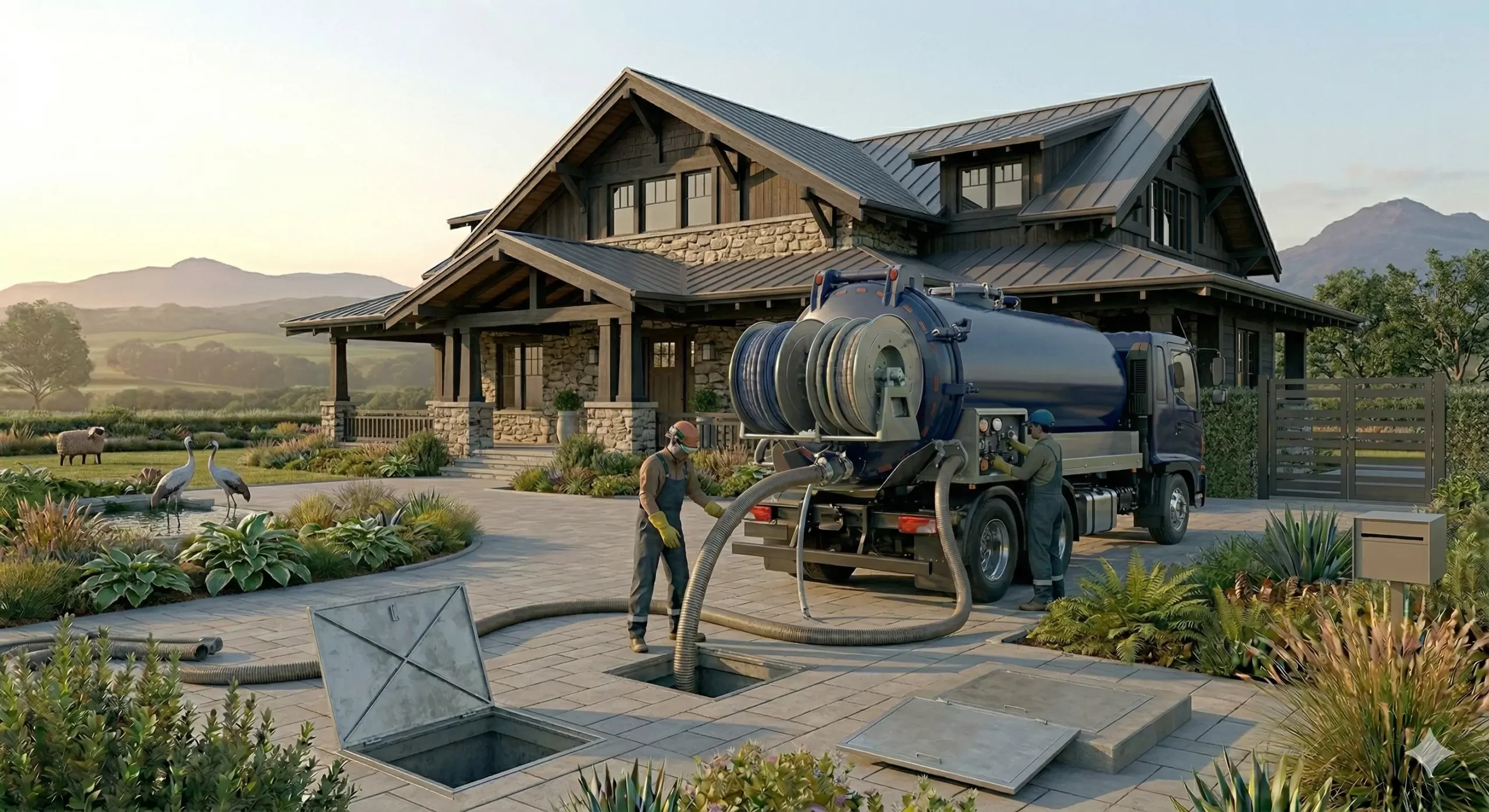
An improperly abandoned septic tank is not a static object; it is a dynamic system in a state of progressive decay. The timeline of its failure is a function of tank material, soil chemistry, and local hydrology. Understanding this progression is critical for appreciating the non-negotiable urgency of proper decommissioning. Whether it’s a minor repair or a major overhaul, our Post, TX plumbing and septic crew has you covered.
- Year 0-2 (Initial Quiescence): The tank appears stable. The primary risk is the presence of a confined space with a potentially hazardous atmosphere (H₂S, CH₄, O₂ deficiency). The lid, if structurally sound, may still support superficial weight. The immediate danger is low but the potential energy for failure is established.
- Year 2-5 (Structural Degradation): Concrete tanks begin to experience hydrogen sulfide corrosion, weakening the baffle walls and lid. Steel tanks exhibit significant oxidative corrosion (rust), particularly at the lid seam and baffle connections. The ground above may show initial, subtle signs of subsidence (a slight depression).
- Year 5-15 (Accelerated Decay & Sinkhole Formation): The concrete lid, weakened by acidic corrosion and freeze-thaw cycles, can no longer support significant loads. A person, animal, or piece of equipment (e.g., a riding lawnmower) can now cause a sudden, catastrophic collapse. For steel tanks, the lid has likely failed entirely, creating a covered, hidden pit. The surrounding soil begins to infiltrate the void, creating a larger and more dangerous sinkhole.
- Year 15+ (Imminent Collapse & Environmental Hazard): The tank is a complete structural failure. It represents an extreme and immediate danger of collapse. Any remaining unpumped sludge has likely contaminated the surrounding soil and may be leaching nitrates into the local aquifer. The property is now a significant legal and financial liability. At this stage, remediation is no longer a choice; it is an emergency procedure often mandated by health authorities.
Troubleshooting and Positive Identification of an Abandoned System ️♂️
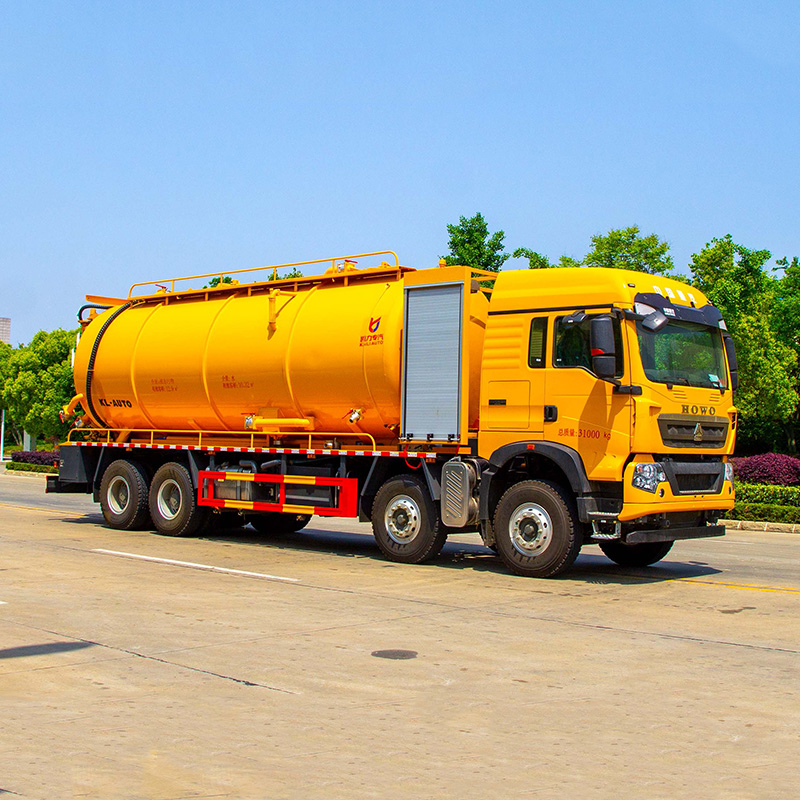
Before any decommissioning can occur, one must positively identify and characterize the abandoned On-Site Sewage Facility (OSSF). This is a forensic process, not guesswork. Relying on outdated property diagrams is insufficient.
Methods of Identification:
- Record Search: Begin at the local county health department or permitting office. Obtain original installation permits and ‘as-built’ diagrams. Note the tank material (concrete, steel, fiberglass), capacity in gallons, and location relative to fixed structures.
- Visual Inspection: Walk the property, searching for tell-tale signs: unexplained ground depressions (6’x10′ rectangular patterns are common), remnant cast iron cleanout pipes near the foundation, or patches of unusually green or sparse vegetation.
- Soil Probing: Utilize a 4-foot to 6-foot steel probe rod (e.g., a T-handle probe). Systematically probe the suspected area in a grid pattern every 12-18 inches. A solid, unmistakable ‘thud’ indicates contact with the tank lid. Differentiate this from the sound of hitting a rock, which is typically sharper. Measure the depth to confirm it is within a plausible range (12-48 inches below grade).
- Electronic Locating: For non-metallic tanks (fiberglass, plastic) or when probing is inconclusive, a contractor can use a small radio transmitter (sonde) flushed down a connected pipe and a corresponding handheld receiver to pinpoint the tank’s exact location and depth.
Key Diagnostic Questions:
- Is the tank connected to the house? Perform a dye test or use a sewer camera to confirm the line from the house has been physically disconnected and capped.
- What is the tank’s structural integrity? After locating and exposing the lid, a visual inspection is paramount. Note any cracks, spalling, or deflection in concrete lids. For steel tanks, assess the degree of corrosion. NEVER stand on the lid of an old tank; treat it as an imminent collapse hazard at all times.
- What is the local water table depth? This is critical for determining the risk of hydrostatic uplift and informs the choice of fill material. In areas with a high water table, like many parts of Florida or coastal Texas, puncturing the tank bottom is absolutely non-negotiable.
Real-Life Case Study: Decommissioning in Expansive Clay Soil (Austin, Texas)
Property Profile: 1978 single-family home in Travis County, TX, with a 1,250-gallon precast concrete tank. The property was being connected to the new Austin municipal sewer system.
Geotechnical Challenge: The local soil is a highly expansive smectite clay. During wet seasons, this soil swells significantly, and during dry periods, it shrinks, creating deep fissures. This cyclical movement exerts immense and unpredictable forces on subsurface structures.
Procedure & Cost Analysis:
- Permitting (Travis County): $225. This included filing and a final inspection appointment.
- Locating & Excavation: The tank was located 24 inches below grade under a flower bed. Cost for a mini-excavator and 3 hours of labor was $650.
- Pumping: A 1,250-gallon pump-out and rinse cost $550 ($0.44/gallon).
- Demolition: The contractor used the excavator’s bucket to punch a 4-foot diameter hole in the tank floor. This was critical due to the ‘perched’ water tables that often form within the clay soil after rain events. Cost: $300.
- Fill Material Selection: Due to the expansive soil, standard gravel fill was deemed suboptimal. Over time, soil movement could create voids around the gravel. The engineer specified a low-strength flowable fill (CLSM) with a 28-day compressive strength of 150 psi. This ensured a monolithic, stable fill that would move with the soil as a single unit, preventing future subsidence. The cost for 7 cubic yards of CLSM delivered and poured was $1,450.
- Backfill & Grading: The excavated clay was used for backfill and graded. Cost: $400.
Total Project Cost: $3,575. This represents a typical, non-problematic decommissioning project in a challenging soil environment where premium materials were required for long-term stability.
Frequently Asked Technical Questions ❓
Can I just crush my septic tank and bury it?
This is a common and dangerous misconception. Crushing a tank without proper infill creates a large, unstable void underground. The crushed debris offers minimal structural support. Over time, the surrounding soil will migrate into these voids, leading to severe, unpredictable ground subsidence or a catastrophic sinkhole. All health codes mandate that the tank cavity be filled completely with a stable, inorganic material like gravel, sand, or flowable fill to achieve 95% Proctor density and ensure long-term geotechnical stability.
What is the chemical risk of an unpumped, abandoned tank?
An unpumped tank contains residual sewage, which will continue to undergo anaerobic decomposition. This process generates hazardous biogases, primarily hydrogen sulfide (H₂S) and methane (CH₄). H₂S is highly toxic, corrosive, and heavier than air, meaning it will pool in the tank. If the lid fails, this gas can be released. Furthermore, as the tank structure degrades, the untreated effluent, rich in nitrates and pathogens like E. coli, will inevitably leach into the surrounding soil and can contaminate groundwater sources, posing a serious public health risk.
Is removal of the tank better than filling it in place?
From a purely geotechnical and environmental standpoint, complete removal is the superior option as it eliminates the artifact entirely. However, the cost is substantially higher (often 2x to 3x the cost of abandoning in place) due to the heavy equipment required for lifting, the transportation logistics, and the significantly larger volume of backfill needed for the excavation. For most residential applications where no new structure will be built directly on top of the old tank, proper decommissioning by filling in place provides an equivalent level of safety and stability for a fraction of the cost and is the standard accepted practice.
Verified Client Testimonials
⭐⭐⭐⭐⭐ – Robert Jennings, P.E.
“The level of technical precision was outstanding. The team didn’t just fill a tank; they provided a geotechnical solution. They understood the implications of our soil type, specified the correct CLSM mixture, and provided documentation for the county inspector that was flawless. This wasn’t a handyman job; it was an engineering procedure executed perfectly.” To get a customized pumping schedule, feel free to speak with our local representatives in Lake Charles, LA.
⭐⭐⭐⭐⭐ – Maria Garcia
“After discovering an old, unlisted septic tank during a landscaping project, we were extremely concerned about the safety and cost. The consultation was direct, factual, and free of fluff. They explained the entire process, from pumping to puncturing the floor to final grading. The final cost was exactly within the quoted range. The peace of mind is invaluable.” If you reside in the area, you can learn more about our septic services in Northport, AL.
Post-Decommissioning Site Management & Maintenance
Once the septic tank has been properly decommissioned and the area graded, the site is not to be forgotten. The fill material will undergo a minor settling period, and proper management is required to ensure long-term stability. Discover why so many neighbors recommend our septic tank services in Graceville, FL.
- Monitor for Subsidence: For the first 6-12 months, particularly after heavy rainfall, monitor the area for any settling or depression. Minor settling (1-2 inches) is normal for gravel/sand fills. If more significant subsidence occurs, additional compacted topsoil may be required. This is less common with CLSM/flowable fill.
- Establish Vegetation: Quickly establish a hardy grass cover (e.g., Bermuda or Zoysia in southern climates) over the area. The root structure will help stabilize the topsoil and prevent erosion. Avoid planting large trees directly over the old tank site, as their root systems can disrupt the compacted soil over many years.
- Manage Surface Water: Ensure the final grading permanently directs surface water away from the decommissioned tank area. Do not allow gutters, downspouts, or sump pump discharge to saturate the ground above the former tank, as this can accelerate settling of non-CLSM fills.
- Future Construction Caveats: The decommissioned tank area, even when filled with CLSM, should not be considered suitable for supporting a new foundation, footing, or load-bearing slab without a formal geotechnical assessment. While CLSM is strong, the interface between the fill and the native soil represents a discontinuity that must be professionally evaluated before applying significant structural loads.
Technically Reviewed By:
BlixBase Master Plumber Team
20+ Years Septic Industry Experience | Certified System Inspectors