
Understanding Hydraulic Load: The Primary Threat to Your Onsite Wastewater Treatment System
The functionality of a residential septic system is predicated on a delicate equilibrium of biochemical processes and hydraulic management. A common misconception among homeowners is that the primary threat to their system is organic overload from waste. While significant, the more insidious and frequent cause of premature system failure is hydraulic overload—the introduction of wastewater volume that exceeds the system’s designed processing capacity. A single, prolonged shower represents a concentrated hydraulic event that can systematically dismantle this equilibrium. The issue is not merely the volume of water, but the velocity at which it enters the septic tank, disrupting the quiescent conditions necessary for proper primary treatment.
A standard septic tank is engineered to function as a primary sedimentation basin. Its core purpose is to retain wastewater for a minimum period, typically 24 to 48 hours, allowing heavier solids (sludge) to settle to the bottom and lighter fats, oils, and greases (FOGs), collectively known as scum, to float to the surface. This separation process is gravity-driven and requires minimal water turbulence. A high-volume, continuous influx of water from a long shower creates significant turbulence, re-suspending settled solids and emulsifying the scum layer. This action effectively transforms the septic tank from a passive settling chamber into an active mixing vessel, allowing untreated effluent containing high levels of Total Suspended Solids (TSS) to be discharged into the drain field. This effluent carryover is the genesis of drain field failure. Regular maintenance is crucial. Connect with our Jackson, LA septic experts to schedule a check-up.

Real-Life Case Study: Hydraulic Overload in Cobb County, Georgia
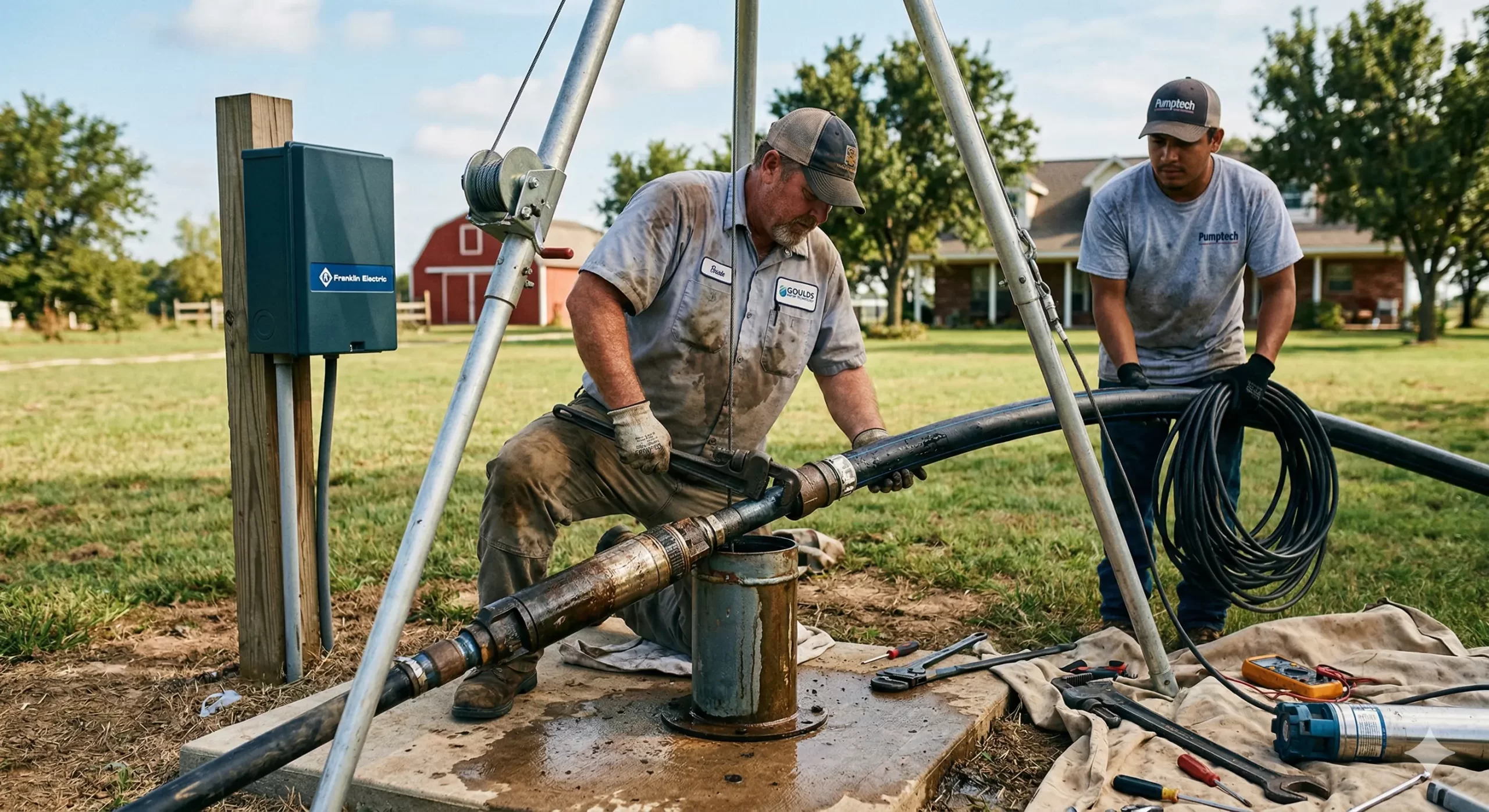
System Profile: A 1,250-gallon concrete septic tank servicing a 4-bedroom home, installed in 1998. The drain field consists of 400 linear feet of conventional gravel trenches. The property is situated on dense Georgia red clay soil, known for its poor percolation characteristics (a low hydraulic conductivity).
Presenting Problem: The homeowners, a family of five with two teenagers, reported slow-draining fixtures, gurgling sounds from toilets, and intermittent sewage odors near the drain field area, particularly after heavy rainfall. The onset of symptoms correlated with the recent installation of two high-flow, multi-head “rain shower” systems, each capable of delivering over 5.0 gallons per minute (GPM).
Diagnostic Findings: A site evaluation revealed significant soil saturation and ponding at the distal ends of the drain field trenches. An inspection of the distribution box (D-box) showed clear evidence of solids carryover—a greasy, black film indicative of anaerobic conditions and biomat proliferation. We calculated the peak hydraulic load during the morning routine: two 15-minute showers running consecutively with the 5.0 GPM heads resulted in a 150-gallon slug of water entering the septic tank in approximately 30 minutes. This volume represents 12% of the tank’s total capacity, introduced in a timeframe that completely negates the required 24-hour retention period. Dealing with a sudden sewage issue? Rely on our emergency septic team in Cleveland, TX.
Root Cause Analysis: The combination of high-volume fixtures and consecutive usage patterns created a recurring hydraulic overload event. This surge pushed TSS and FOGs into the drain field lines. The dense clay soil, already having a low percolation rate, was quickly overwhelmed by this untreated effluent. The suspended solids filled the soil pores, leading to the formation of an impermeable biomat. This biomat effectively sealed the soil, preventing effluent from being absorbed and treated, causing the system to fail and back up. Regular maintenance is crucial. Connect with our Muscle Shoals, AL septic experts to schedule a check-up.
Resolution Protocol: The immediate intervention involved the replacement of the 5.0 GPM showerheads with EPA WaterSense-certified models rated at 1.8 GPM, reducing peak water consumption by over 60%. The family was educated on a staggered water usage schedule, separating showers, laundry, and dishwasher cycles by at least two hours. For remediation, the drain field was treated with a high-pressure hydro-jetting to break up the existing biomat, followed by an application of a calcium polysulfide-based soil conditioner to improve percolation. The septic tank was pumped, and a new effluent filter was retrofitted onto the outlet baffle to prevent future solids carryover.
Advanced Troubleshooting Diagnostics for Hydraulic Stress
When diagnosing a suspected case of hydraulic overload, a systematic approach is required to differentiate it from other failure modes, such as organic overload or physical drain field damage. The process involves both quantitative analysis and physical inspection.
1. Water Usage Audit & Peak Flow Calculation: The initial step is to quantify the hydraulic load. This involves inventorying all water-using fixtures and determining their flow rates. The formula is straightforward: Flow Rate (GPM) x Duration (minutes) = Total Volume (gallons). A standard pre-1992 showerhead operates at 4.0-5.0 GPM. A modern water-conserving head operates at < 2.0 GPM. A 20-minute shower with an older head introduces 80-100 gallons. If a dishwasher (6 gallons/cycle) and washing machine (25-40 gallons/load) are run concurrently, the peak load can easily exceed 200 gallons in under an hour.
2. Septic Tank Retention Time Verification: How does one empirically determine if retention time is being compromised? A dye test can be illustrative. By introducing a non-toxic dye into a toilet and timing its appearance at the D-box, one can approximate the short-circuiting effect of a hydraulic surge. Under normal conditions, this should take many hours. If dye appears within an hour or two following a major water use event, it is a definitive indicator that the tank’s settling function has been bypassed.
3. Drain Field Saturation Assessment: This involves probing the soil within and around the drain field trenches. A soil probe or auger is used to extract soil cores at varying depths. Saturated, black, odorous soil indicates anaerobic conditions and a failing system. This is contrasted with the surrounding native soil. We also utilize an optical inspection camera fed through the cleanout or D-box to visually inspect the interior of the drain lines for sludge buildup, root intrusion, or crushing.
4. Biomat Evaluation: The presence and thickness of the biomat is the ultimate determinant of drain field health. In severe cases, an excavation of a small section of a trench is necessary. A healthy system has a thin, permeable biomat (a few millimeters thick). A hydraulically overloaded system will exhibit a thick, black, gelatinous biomat (often over an inch thick) that has rendered the soil interface impermeable. This physical verification confirms that solids carryover, driven by hydraulic surges, is the direct cause of the percolation failure. If you smell sewage or hear gurgling, contact our Richmond, TX septic repair specialists immediately.
Progression of Septic Failure Due to Chronic Hydraulic Overload
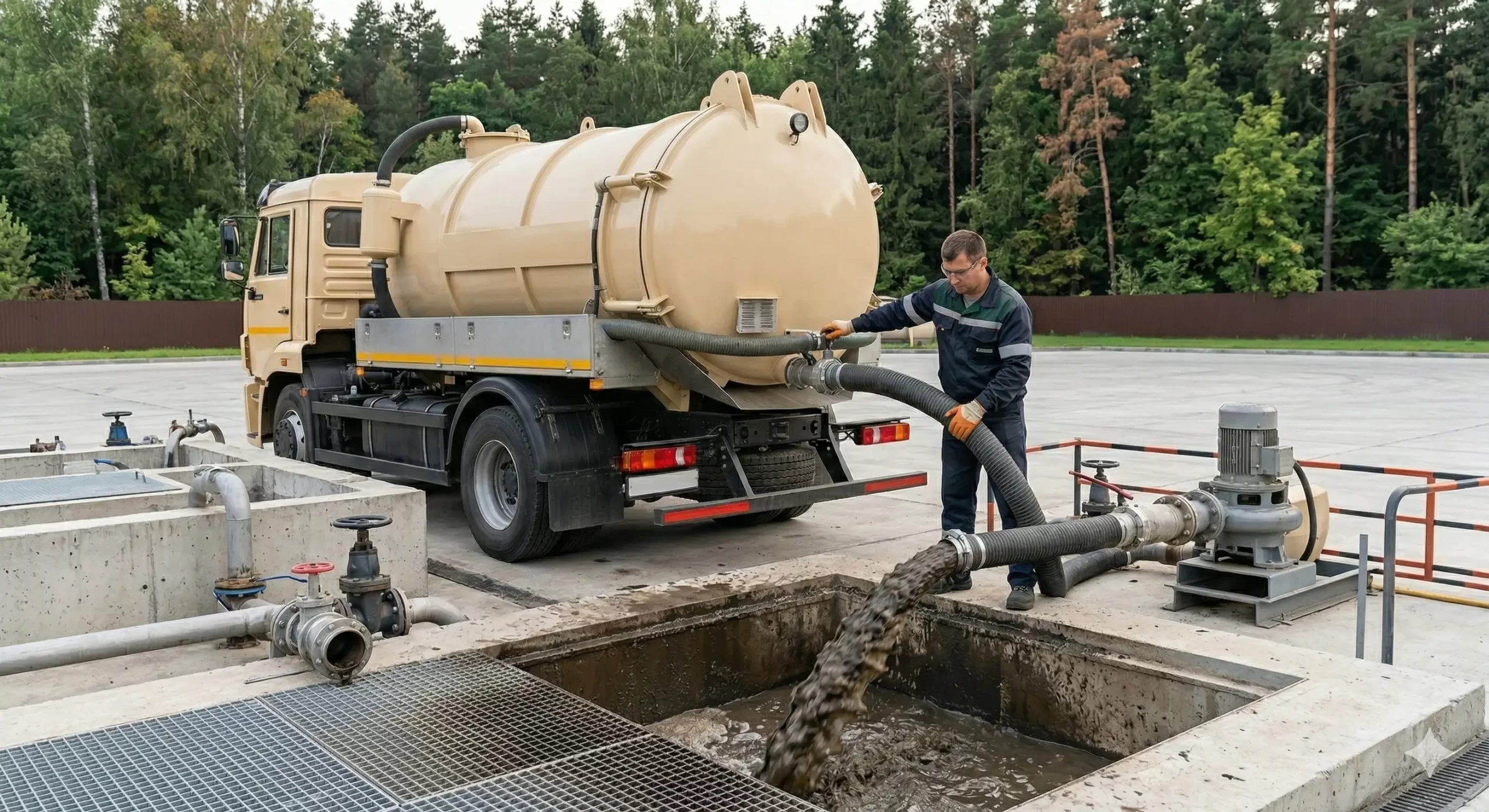
The degradation of a septic system from sustained high water usage is not an instantaneous event but a gradual, predictable progression. Understanding this timeline is critical for early intervention.
- Phase 1: The Honeymoon Period (Years 0-2)
The new system, with its clean drain field and virgin soil, easily absorbs peak hydraulic loads. The soil’s percolation capacity is at its maximum. There are no discernible symptoms of stress. The system appears robust. - Phase 2: Incipient Stress (Years 2-4)
The first signs of trouble emerge. Homeowners may notice that drains run slightly slower for an hour or two after consecutive showers or doing multiple loads of laundry. A faint, musty odor might be present near the drain field after heavy rain. The biomat is beginning to form and thicken, slightly reducing the soil’s absorption rate. Solids carryover is becoming more frequent. - Phase 3: Systemic Compromise (Years 4-6)
Symptoms are now consistent and undeniable. Gurgling sounds from plumbing fixtures are common. Drains are perpetually slow. Wet, spongy patches of ground become visible over the drain field trenches, even in dry weather. The biomat is now significantly impeding effluent absorption, causing wastewater to pond in the trenches and saturate the surrounding soil. The system is in a state of pre-failure. - Phase 4: Critical Failure (Years 6+)
The system has failed. Wastewater is backing up into the home through floor drains, showers, and toilets. The drain field is completely saturated, with effluent surfacing on the ground, creating a significant public health hazard. Pervasive, strong sewage odors are present. At this stage, remediation is often impossible, and a full, costly replacement of the drain field is the only viable solution.
Proactive Maintenance and Mitigation Strategies
Preventing hydraulic overload is a matter of diligent water management and system upkeep. These are not suggestions; they are operational requirements for any property utilizing an onsite wastewater system.
- Install High-Efficiency Fixtures: This is the most impactful, non-negotiable first step. Replace all showerheads with EPA WaterSense models (flow rate ≤ 2.0 GPM). Install low-flow toilets (1.28 gallons per flush or less). Use high-efficiency washing machines and dishwashers.
- Implement a Staggered Usage Protocol: Create a household schedule that separates major water-use activities. Do not shower back-to-back. Run the dishwasher overnight. Space out loads of laundry throughout the week rather than on a single day. This allows the septic tank the necessary quiescent time to process waste between hydraulic loads.
- Maintain the Effluent Filter: If your system has an effluent filter (and it should), it must be cleaned regularly. The standard interval is every 6 to 12 months. A clogged filter will cause a backup into the house, mimicking a drain field failure. This is a simple, preventative task that avoids a costly emergency service call.
- Adhere to a Pumping Schedule: Regular pumping (every 3-5 years, depending on tank size and household size) removes accumulated sludge and scum. This maximizes the tank’s effective volume and reduces the risk of solids being pushed out during a surge event.
- Protect the Drain Field: Divert all other sources of water, such as roof downspouts and sump pump discharge, far away from the drain field. Do not drive vehicles or heavy equipment over the area, which can compact the soil and crush pipes.
Cost Breakdown: Prevention vs. Catastrophic Failure
The financial disparity between proactive maintenance and reactive emergency replacement is substantial. The following table quantifies the investment in system health versus the cost of neglect. Keeping your system healthy is easier when you partner with top-rated Abbeville, LA septic technicians.
| Service / Component | Typical Cost Range (USD) | Consequence of Neglect |
|---|---|---|
| High-Efficiency Showerhead (x2) | $50 – $150 | Chronic hydraulic overload, leading to all subsequent failures. |
| Effluent Filter Retrofit | $300 – $600 | Unchecked solids carryover, rapid biomat formation. |
| Routine Septic Pumping (Every 3-5 Yrs) | $350 – $700 | Reduced tank capacity, increased solids discharge. |
| Drain Field Hydro-Jetting (Remediation) | $1,500 – $3,000 | Temporary solution for a system already in distress. |
| Complete Drain Field Replacement | $10,000 – $25,000+ | The ultimate, catastrophic cost of systemic failure. |
Client Testimonials
⭐⭐⭐⭐⭐ – David R., Cumming, GA
“Our system was backing up every time our kids took showers after soccer practice. We thought we needed a whole new system, which was quoted at over $18,000. The technician came out, did a full diagnostic, and identified the issue as hydraulic overload from our old showerheads and laundry habits. For a fraction of the cost, they installed an effluent filter, replaced the heads, and gave us a usage schedule. The system has been flawless for over a year. Their technical expertise saved us a fortune.”
⭐⭐⭐⭐⭐ – Maria S., Alpharetta, GA
“We had wet spots and that awful smell in our backyard for months. Another company just told us the drain field was dead. The expert from this service actually explained the concept of biomat formation and how our family’s water usage was the root cause. They performed a hydro-jetting service and helped us understand how to manage our water flow. The professionalism and level of detail were beyond anything I expected. The problem is solved and we are now educated homeowners.”
Frequently Asked Technical Questions (FAQ)
How long is *too* long for a shower with a septic system?
This question is better framed in terms of total volume, not merely time. The critical variable is the flow rate of the fixture. A 10-minute shower with a 5.0 GPM showerhead (50 gallons) is more detrimental than a 20-minute shower with a 2.0 GPM WaterSense-certified head (40 gallons). As a general engineering guideline, any single, continuous wastewater input exceeding 5% of the septic tank’s total volume should be considered a significant hydraulic load event. For a 1000-gallon tank, this threshold is 50 gallons. Therefore, the goal is to keep any single shower event below this volumetric threshold.
Can a water softener harm a septic system when combined with long showers?
Yes, unequivocally. A water softener’s regeneration cycle can discharge between 50 and 100 gallons of highly concentrated brine water into the septic tank over a short period. When this regeneration cycle coincides with or immediately follows a period of high water use from showers, it creates a massive hydraulic and chemical shock to the system. The sheer volume compounds the hydraulic overload problem, while the high salinity of the backwash can be toxic to the anaerobic bacteria responsible for breaking down solids, thus reducing the tank’s treatment efficiency. It is highly recommended to route water softener discharge away from the septic system entirely, if local building codes permit.
Will septic tank additives fix damage from excessive water use?
No. Septic tank additives, whether biological (bacteria/enzymes) or chemical, cannot reverse the physical clogging of a drain field’s soil interface caused by a persistent hydraulic overload. The problem is not a lack of bacteria in the tank; it is the physical transport of suspended solids into the drain field, which then seals the soil pores. Some additives can even worsen the problem by breaking down the sludge layer into finer particles that are more easily suspended and washed into the field. The only solution is to stop the overload at its source (water conservation) and, if necessary, employ mechanical remediation techniques like hydro-jetting or drain field replacement.
Technically Reviewed By:
BlixBase Master Plumber Team
20+ Years Septic Industry Experience | Certified System Inspectors