

The Clock is Ticking on Your Septic System
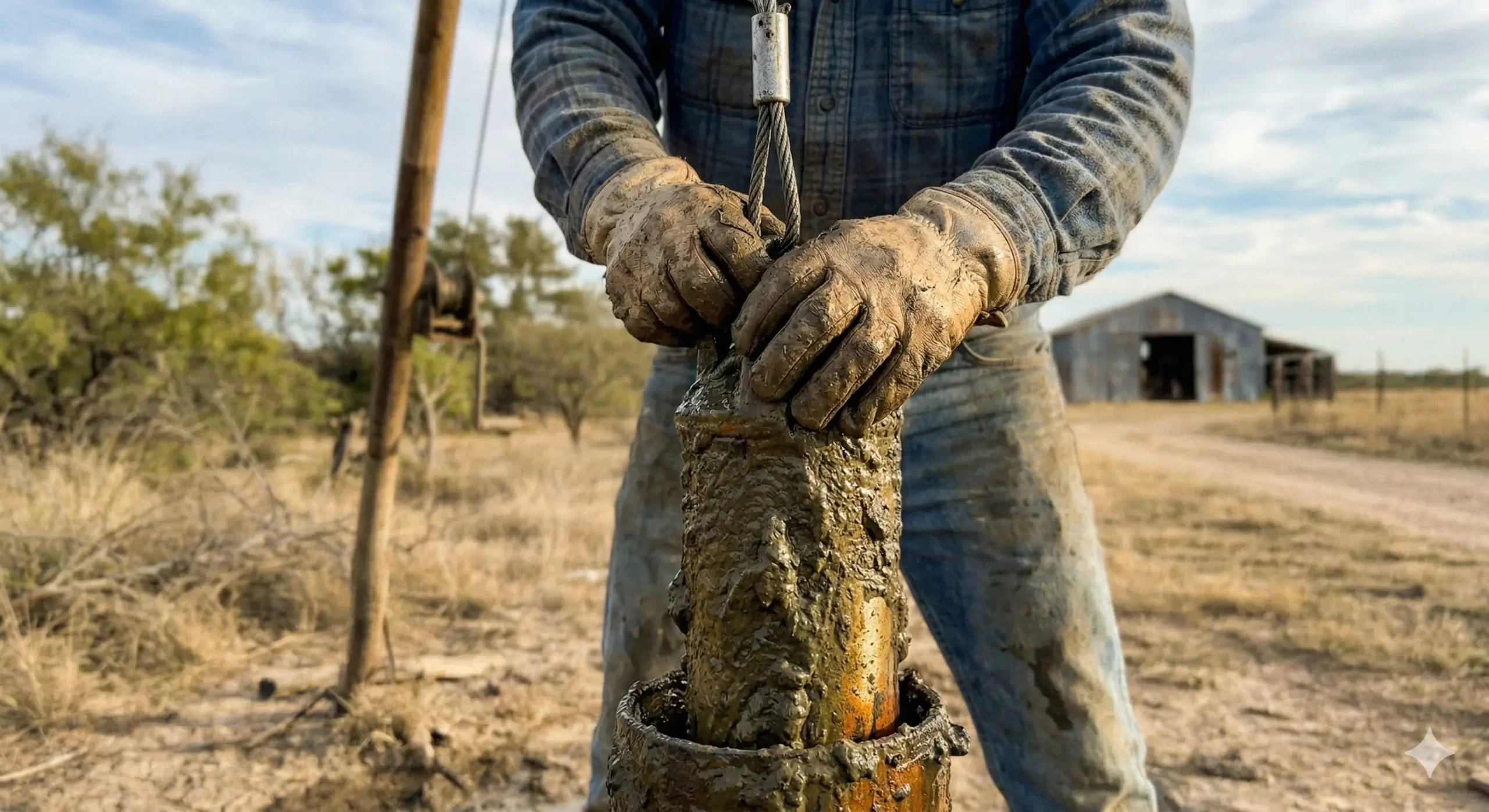
Listen up. Your toilet is gurgling. There’s a weird smell in the backyard. You’re flushing, but it’s slow. This isn’t just an inconvenience. It’s a financial emergency siren, and you need to act NOW. That roll of toilet paper in your hand is either your friend or a very, very expensive enemy. Keeping your system healthy is easier when you partner with top-rated Canton, TX septic technicians.
People ask me, “How long does it take for toilet paper to dissolve?” They want a simple answer. A few hours? A day? The real answer is: it’s the wrong question. The right question is, “How much financial devastation can the WRONG toilet paper cause?” The answer to that is tens of thousands of dollars. Let’s get straight to the point. No fluff. Just the cold, hard, and potentially very smelly truth.
The Cold, Hard Numbers: Septic Failure Cost Breakdown
Forget theories. Let’s talk money. Your septic system is an out-of-sight, out-of-mind utility until it fails. When it fails, it becomes the single most expensive and stressful disaster you can face as a homeowner. Below is the financial ladder of doom. See how a small problem escalates into a catastrophe when you ignore it.
| Service / Repair Item | Proactive / Early Cost | EMERGENCY / Ignored-It Cost | Financial Impact |
|---|---|---|---|
| Routine Tank Pumping | $300 – $600 (Every 3-5 years) | $500 – $900+ (Weekend/Holiday Emergency) | A few hundred bucks now saves thousands. Easy choice. |
| Toilet Paper Clog Removal (Pipe) | $250 – $450 (Standard plumber call) | $1,500+ (If it causes a main line backup) | A simple clog can signal a much bigger problem. |
| Baffle Repair/Replacement | $400 – $900 (Found during pumping) | $5,000 – $10,000+ (Leads to drainfield failure) | The baffle stops solids. When it fails, your drainfield dies. |
| Drainfield Jetting / Hydro-jetting | $1,000 – $2,500 (To clear sludge) | N/A (Often too late for this) | A last-ditch effort before total replacement. |
| Full Drainfield Replacement | N/A | $8,000 – $20,000+ | The single most common catastrophic failure. Your yard gets destroyed. |
| Full System Replacement (Tank + Field) | N/A | $15,000 – $40,000+ | Absolute worst-case. Requires permits, excavation, and massive expense. |
The Progression of Failure: Your Septic Danger Timeline ️
This isn’t an overnight disaster. It’s a slow, silent killer. Here’s how it happens, year after year, when you use the wrong products or neglect basic maintenance.
- Year 1-2 (The Honeymoon Phase): Everything works great. You use plush, 3-ply toilet paper because it feels nice. You pour a little grease down the drain. No big deal, right? The tank is silently accumulating a thicker and thicker layer of sludge. Cost of inaction: $0.
- Year 3-5 (The First Warning Signs): You hear a gurgle in the toilet now and then. A drain runs a bit slow after a big laundry day. You might notice a faint, swampy smell outside after it rains. This is your system screaming for a pump-out. The undissolved paper and solids are reaching critical mass. Cost of inaction: A $350 pump-out is avoided, but you are now on the fast track to a $5,000+ repair.
- Year 6-7 (The Point of No Return): The drainfield is now clogged with solids that shouldn’t be there. Wastewater is surfacing in your yard, creating smelly, unsanitary puddles. Your toilets back up frequently. Emergency pump-outs become a regular, expensive occurrence. You’re now in the hydro-jetting or major repair zone. Cost of inaction: You’ve skipped about $700 in pumping, and are now facing an $8,000 – $20,000 drainfield replacement.
- Year 8+ (Total System Failure): The drainfield is completely dead. It cannot absorb any more water. Sewage is backing up into your showers, your sinks, your basement. Your property is a biohazard. The county health department may get involved and condemn your system, forcing a replacement. Cost of inaction: Catastrophic. You are now facing a $25,000+ full system replacement, plus the cost of landscaping, potential fines, and a massive drop in your property value.
Your First Aid Kit: Emergency Troubleshooting Steps
Water is backing up. Don’t panic. Breathe. Do this. NOW.
- STOP ALL WATER USE. Seriously. Don’t flush a toilet. Don’t run the dishwasher. Don’t take a shower. Every drop you add to the system is making the backup worse.
- CHECK THE ALARM & BREAKER. If you have an aerobic system or a lift pump, there’s often an alarm box. Is it screaming? Is the light on? Go to your electrical panel and check the breaker for the septic pump. If it’s tripped, try resetting it ONCE. If it trips again, DO NOT touch it. Call a professional immediately. ⚡
- WALK THE YARD. Carefully inspect the area around your septic tank and drainfield. Do you see standing water? Is the ground unusually soggy or lush and green in one specific area? This is a clear sign the drainfield has failed.
- CHECK THE LID. If you know where your septic tank lid is and can access it safely, check around it. Is there sewage seeping out the top? This means the tank is overfull and not draining.
- CALL FOR HELP. This is not the time to be a hero. You have done your initial diagnosis. Now you need a professional with a pump truck and inspection camera. The money you spend on an emergency call-out is a fraction of what you’ll spend if you let this get worse.
A Neighbor’s Nightmare: The $18,000 Toilet Paper Story
Let me tell you about my neighbor, we’ll call him Bob. Bob loved comfort. He bought the plushest, thickest, most quilted toilet paper on the market. His motto was “more is better.” He also used those “flushable” wipes because they were convenient. For years, everything seemed fine. Don’t ignore the warning signs. Reach out to our septic maintenance crew in Eagle Lake, FL today.
Then it started. A slow drain in the guest bathroom. He ignored it. Then the toilets started gurgling, like a monster waking up in the pipes. He bought some drain cleaner. Bad move. That just killed the good bacteria in his tank. The smell started next. A faint odor in the backyard, especially on humid Minnesota summer days. He blamed it on the nearby lake. Navigating local soil conditions can be tricky. Consult our Monticello, FL septic pumping guide.
The final straw came on Thanksgiving Day. The entire family was over. The toilets backed up completely. Raw sewage flooded his basement bathroom. The emergency holiday call-out cost him $850 right off the bat. The diagnosis? A complete drainfield failure. The ultra-plush toilet paper and wipes had formed a concrete-like mass of sludge that had been forced out of the tank, clogging every single pipe in his drainfield. Whether it’s a minor repair or a major overhaul, our Altamonte Springs, FL plumbing and septic crew has you covered.
The final bill, after excavation, new drainfield installation, and landscaping, was just over $18,000. Bob’s obsession with “comfortable” toilet paper cost him the price of a decent used car. Don’t be Bob.
Hear From Homeowners We’ve Saved!
“Our yard was a swamp and the house was a nightmare. We thought we were looking at a $20,000 bill. Your team came out at 10 PM, identified a clogged baffle caused by cheap, thick TP, and fixed it for a fraction of the cost. You didn’t just save our septic system, you saved our sanity. Lifesavers!”
– Sarah K., Maple Grove, MN ⭐⭐⭐⭐⭐
“I was THIS close to selling my house at a loss because of a failed septic inspection. They showed me on camera how the previous owner’s use of ‘flushable’ wipes had created a solid blockage. After a hydro-jetting and pump, the system passed inspection and I saved tens of thousands. Unbelievably honest and effective.”
– David P., Rochester, MN ⭐⭐⭐⭐⭐
Your Action Plan: Maintenance That PAYS YOU BACK ️
This isn’t about spending money. It’s about investing in your home’s most critical utility. The ROI on good septic habits is massive. We understand the specific environmental rules for your region. Learn more from our experts in Deerfield Beach, FL.
- The Toilet Paper Test: Good septic-safe toilet paper breaks down fast. Test it yourself. Put a square in a jar of water and shake it for 10 seconds. Does it shred into tiny pieces? Good. Does it stay mostly intact? Bad. Throw that roll out. The cost difference between a $20 pack of Scott 1000 and a $25 pack of ultra-plush nonsense is $5. That $5 ‘savings’ could cost you $15,000. It’s the worst financial trade you can make.
- The 3 Ps ONLY Rule: Only Pee, Poo, and (approved) Paper go in the toilet. Nothing else. No wipes (even “flushable” ones are lies), no feminine hygiene products, no dental floss, no grease, no harsh chemicals.
- Pump Every 3-5 Years: This is non-negotiable. A $400 pump-out is your system’s health checkup. It removes the solids that even the best bacteria can’t digest, preventing them from destroying your drainfield. Think of it as a $100/year insurance policy against a $20,000 disaster.
- Protect Your Drainfield: Don’t drive over it. Don’t plant trees on it. Direct your gutters and sump pump away from it. Keep it as dry as possible so it can do its job.
Frequently Asked (and Feared) Questions
So how long does toilet paper REALLY take to dissolve?
Septic-safe, single-ply toilet paper can start breaking down within minutes and be mostly disintegrated within a few hours. However, ultra-plush, multi-ply, or lotion-infused papers can take days or even weeks to break down significantly. The real issue isn’t one sheet; it’s the constant accumulation. If you’re adding paper faster than the bacteria can break it down, you’re building a sludge time bomb, plain and simple.
Is “septic-safe” toilet paper a marketing gimmick?
Mostly, yes. Any 100% paper product that breaks down quickly in water is safe for a well-maintained septic system. You don’t need to buy a brand that has a big “SEPTIC SAFE” logo. The key indicators are rapid disintegration (do the jar test!), lack of lotions or perfumes, and being single-ply. Brands like Scott 1000 are famous among septic professionals for a reason: they work and they’re cheap. Avoid anything labeled “ultra-plush,” “quilted,” or “extra soft.”
What’s the #1 killer of septic systems besides paper products?
Grease, oil, and fats. Hands down. When you pour bacon grease or cooking oil down the drain, it cools and solidifies in your pipes and tank. It coats everything, suffocates the bacteria, and creates impenetrable clogs that even hydro-jetting struggles to clear. Scrape all greasy dishes into the trash before washing. It’s the single best thing you can do for your system besides choosing the right TP.
How much does an emergency, middle-of-the-night pump-out cost?
You need to be prepared for this. A standard, scheduled pump-out might be $300-$600. An emergency call at 2 AM on a Saturday or a holiday will likely start at $500 and can go up to $900 or more, depending on your location and the complexity of accessing your tank. It’s a steep price to pay for procrastination.
Can I use septic tank additives and treatments?
Generally, no. A healthy septic system does not need additives. Your own waste provides all the bacteria the system needs to function. Many additives are just yeast or enzymes that provide little benefit, while some harsh chemical additives can actually harm your system by killing the necessary bacteria or disturbing the settled sludge layer, forcing it into the drainfield. The best additive is regular pumping. Save your money.
Technically Reviewed By:
BlixBase Master Plumber Team
20+ Years Septic Industry Experience | Certified System Inspectors