

Urgent Maintenance & Proactive Measures

Listen up. Your septic system is a living ecosystem, not a magic trash can. Overwhelming it is the fastest way to a five-figure repair bill. Here are the non-negotiable rules for laundry.
- The Golden Rule: One Load Per Day. This is the simplest, most effective rule. If you must do more, space loads at least 3-4 hours apart. This gives the solids in your tank time to settle, preventing them from being churned up and forced into your drainfield.
- Install an Effluent Filter. This is not optional; it’s critical. An effluent filter, or septic tank filter, is a cartridge that installs in the outlet baffle of your septic tank. It costs about $80-$150 and is your last line of defense, catching suspended solids and lint before they permanently clog the soil pores in your drainfield. Clean it every 6-12 months.
- External Washing Machine Lint Filter. Your machine’s built-in lint trap is a joke. Synthetic fibers from clothes (polyester, nylon) do not break down in a septic tank. They form a dense mat that suffocates your drainfield. Install a reusable, inline filter on your washing machine’s discharge hose. The Filtrol 160 or similar models are professional-grade solutions. You will be horrified by what you collect.
- Liquid Detergent ONLY. Powdered detergents use clay and other fillers as a caking agent. These fine particulates can and will accumulate in your drainfield, reducing its ability to absorb water. Use a concentrated liquid detergent and use LESS than the bottle recommends. Look for brands that are specifically low in surfactants and phosphates.
- Ban Chlorine Bleach. A septic system relies on anaerobic bacteria to break down waste. Pouring chlorine bleach down the drain is like dropping a bomb on that bacteria colony. Use oxygen-based bleaches or hydrogen peroxide alternatives sparingly.
The Brutal Cost of Negligence
Thinking you can save time by ignoring these rules? Think again. The financial difference between proactive care and emergency failure is staggering. This isn’t an exaggeration; these are the numbers we see every week. We understand the specific environmental rules for your region. Learn more from our experts in Fort Meade, FL.
| Service / Repair | Proactive Cost (Smart Homeowner) | Emergency Cost (Ignored Warnings) |
|---|---|---|
| Septic Tank Pumping | $300 – $500 (Every 3-5 years) | $600 – $1,000+ (Emergency weekend/holiday call) |
| Drainfield Hydro-Jetting | N/A (Not needed with proper care) | $1,500 – $4,000 (A temporary fix, at best) |
| Washing Machine Lint Filter | $140 (One-time purchase) | Included in total system failure cost |
| Effluent Filter Installation | $250 – $400 (If riser needed) | Too late. |
| Complete Drainfield Replacement | $0 (System lasts 25-40 years) | $15,000 – $40,000+ |
Progression of Failure: A Timeline
Septic failure from laundry abuse is a slow, silent killer. It doesn’t happen overnight. It creeps up on you. Here’s the typical timeline we see in homes with heavy clay soil, common in the Midwest and Northeast.
- Year 1-2: The Silent Phase. You do 5-7 loads every weekend. No smells, no slow drains. You think everything is fine. Under the surface, non-degrading lint and soap solids are already beginning to form a restrictive biomat layer at the bottom of your drainfield trenches. The soil’s percolation rate has already decreased by 10-15%.
- Year 3-4: The ‘Glitching’ Phase. You notice the toilet gurgles when the washing machine drains. The kitchen sink takes a few extra seconds to clear. You might catch a faint septic odor outside on a humid day. This is your system screaming for help. The biomat is now thick enough to seriously impede water absorption.
- Year 5-6: The Chronic Problem Phase. You’ve had at least one backup into the house, probably in a basement shower. You’re calling a plumber to snake the lines, but it only helps for a few weeks. The grass over the drainfield is suspiciously green and spongy, even in dry weather. The system is now in hydraulic failure.
- Year 7+: Total System Failure. Sewage is surfacing in your yard. Toilets won’t flush. Wastewater is backing up into your bathtubs. Your system is condemned. There is no ‘fix’ at this point besides a total, and very expensive, replacement.
Emergency Troubleshooting Checklist
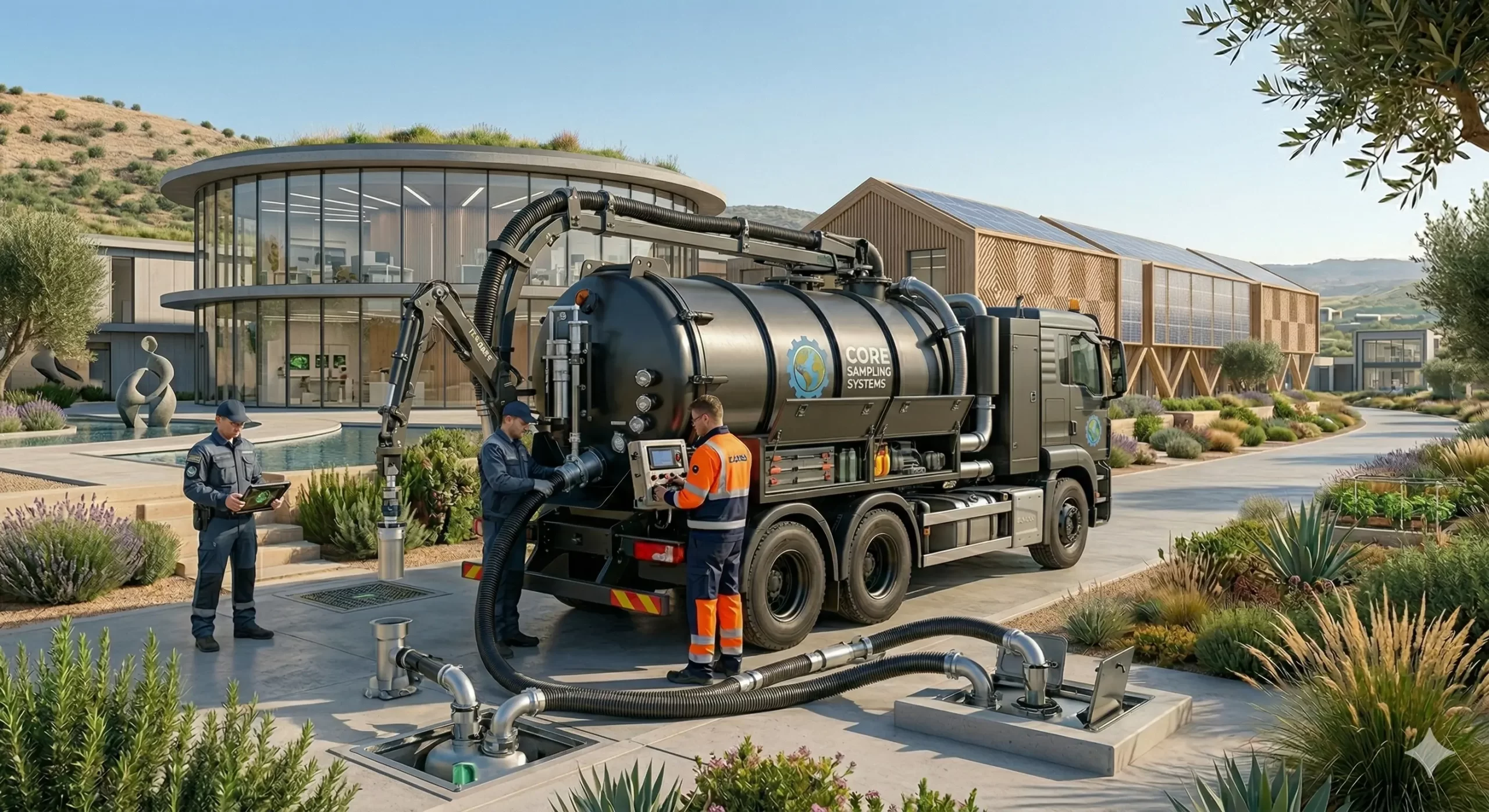
Seeing signs of trouble? Act NOW. Time is your enemy. Run through this checklist immediately.
- STOP USING WATER. Right now. Turn off the washing machine. Don’t flush toilets. Don’t run showers. Give the system a chance to breathe.
- Check the Alarm (If you have one). If you have an aerobic system or a lift station pump, is the alarm light on or beeping? This indicates a pump failure or high-water level.
- Check the Breaker. Locate the breaker for your septic pump in your main electrical panel. Has it tripped? Sometimes a simple reset is all that’s needed, but if it trips again, the pump is likely failing.
- Examine the Drainfield. Walk your yard. Do you see any standing water, wet spots, or smell sewage? Is the grass unusually lush or green in strips where the drain lines are? This is a sign of effluent surfacing.
- Check the Washing Machine Discharge. Is the lint filter you installed (you did install one, right?) completely clogged? Clean it out.
- Call a Professional. Do not wait. A simple pump-out might buy you time. A professional diagnosis can tell you if you’re dealing with a simple clog or a systemic drainfield failure. Waiting until Monday morning to save a few dollars on an emergency fee could be the difference between a $500 pump-out and a $25,000 replacement.
Real-Life Case Study: The Henderson Home Disaster
Location: Rural Pennsylvania (heavy clay soil).
System: 1,250-gallon concrete tank, gravity-fed conventional drainfield (installed 1998).
Household: Family of 4, two young children.
Property owners in the region trust our Pinellas Park, FL septic system services for long-term reliability.
The Hendersons were a typical busy family. Both parents worked, and weekends were for chores. Sunday was laundry day, meaning 6-8 loads of clothes, towels, and bedding were run back-to-back from 9 AM to 4 PM. They used a popular powdered detergent with ‘Oxi-Boost’ and regularly used chlorine bleach for whites. For 10 years, they had no apparent issues, except for pumping the tank every 5 years instead of the recommended 3.
The first sign was a slow drain in the basement utility sink, which shared a line with the washing machine. They dismissed it. A year later, after a heavy rainstorm, the toilets on the ground floor wouldn’t flush. A plumber snaked the main line for $300, clearing a temporary blockage. The real problem was ignored. The drainfield was already 75% saturated and unable to accept more effluent. The final straw came during a family gathering. With extra guests showering and flushing, the system was completely overwhelmed. Sewage backed up through the basement floor drain, ruining carpet, furniture, and family heirlooms stored in boxes. The emergency call revealed a totally clogged drainfield. The soil percolation test failed, and due to new local codes, they were required to install a complex and expensive sand mound system. The final cost, including basement remediation, was over $35,000. Whether it’s a minor repair or a major overhaul, our West Monroe, LA plumbing and septic crew has you covered.
What Our Clients Are Saying
⭐⭐⭐⭐⭐ – Sarah M., Columbus, OH
“Our toilets started gurgling on a Saturday night. I panicked. I called them at 9 PM and they had a truck at my house in under an hour. The technician was calm, professional, and explained everything. He showed me how our ‘laundry marathon’ days were killing our system. He pumped the tank, cleared the line, and gave us a plan to save our drainfield. Lifesavers!” For homeowners nearby, we highly recommend calling our Dayton, TX wastewater professionals.
⭐⭐⭐⭐⭐ – Robert T., Harrisburg, PA
“I thought I knew how to care for my septic system. I was wrong. After a backup, they came out and did a full inspection. They identified that my drainfield was on the verge of failure due to lint from our washer. They installed an effluent filter and a washer lint trap and taught me more in 30 minutes than I’d learned in 20 years of homeownership. This company doesn’t just fix problems, they prevent disasters.” Whether it’s a minor repair or a major overhaul, our Greenville, AL plumbing and septic crew has you covered.
Frequently Asked Questions (FAQ)
How many loads of laundry are *truly* safe per day for a standard septic system?
For a typical 1000-1250 gallon septic tank serving a 3-bedroom home, the absolute maximum should be two loads per day, spaced at least four hours apart. The ideal, safest answer is one load per day. This allows the ~20-50 gallons of water (for HE vs. old machines) to slowly enter the tank, giving solids adequate time to settle to the bottom sludge layer instead of being washed out into the drainfield.
Can a simple lint filter on my washing machine really save my drainfield?
Yes, unequivocally. It is one of the most cost-effective protective measures you can take. Synthetic fibers from fabrics like fleece, polyester, and nylon do not decompose in a septic tank. They float, get washed into the effluent, and travel to the drainfield where they clog the pores of the soil and the perforations in the pipes. An external, cleanable lint filter traps these fibers before they ever enter your plumbing. It is a mandatory component for any home with a septic system.
What’s the real danger of fabric softener to a septic system?
The danger is two-fold. First, liquid fabric softeners are often petroleum or oil-based. This adds to the scum layer at the top of your septic tank, which can eventually harden or get thick enough to be pushed into the outlet baffle, clogging it. Second, and more importantly, the chemical compounds are designed to coat fibers. When they enter the drainfield, they can coat the soil particles in the same way, creating a water-repellent barrier that drastically reduces the soil’s ability to absorb water, leading to hydraulic failure. It’s best to use white vinegar in the rinse cycle as a natural alternative.
Technically Reviewed By:
BlixBase Master Plumber Team
20+ Years Septic Industry Experience | Certified System Inspectors