
Stop Freaking Out (But Not Entirely)
So, the county inspector came out, poked a few holes in your pristine piece of land, poured some water in, and then looked at you with that soul-crushing pity. “Sorry, son. She won’t perc.” Your heart sinks. Your wallet clenches. You see your dream home turning into a very expensive patch of weeds. Look, I’ve seen that look on hundreds of faces over the past 30 years. It’s a gut punch. But it’s not the end of the world. It’s just the end of the cheap world. You’ve just been involuntarily upgraded from the simple, cheap-as-dirt conventional septic system to the world of “Engineered and Alternative Systems.” Welcome to the club. It’s expensive here, but at least you get to build your house. Now, stop your whining and listen up. ️ Regular maintenance is crucial. Connect with our Gulf Shores, AL septic experts to schedule a check-up.

Break Open Your Piggy Bank: A Realistic Cost Breakdown
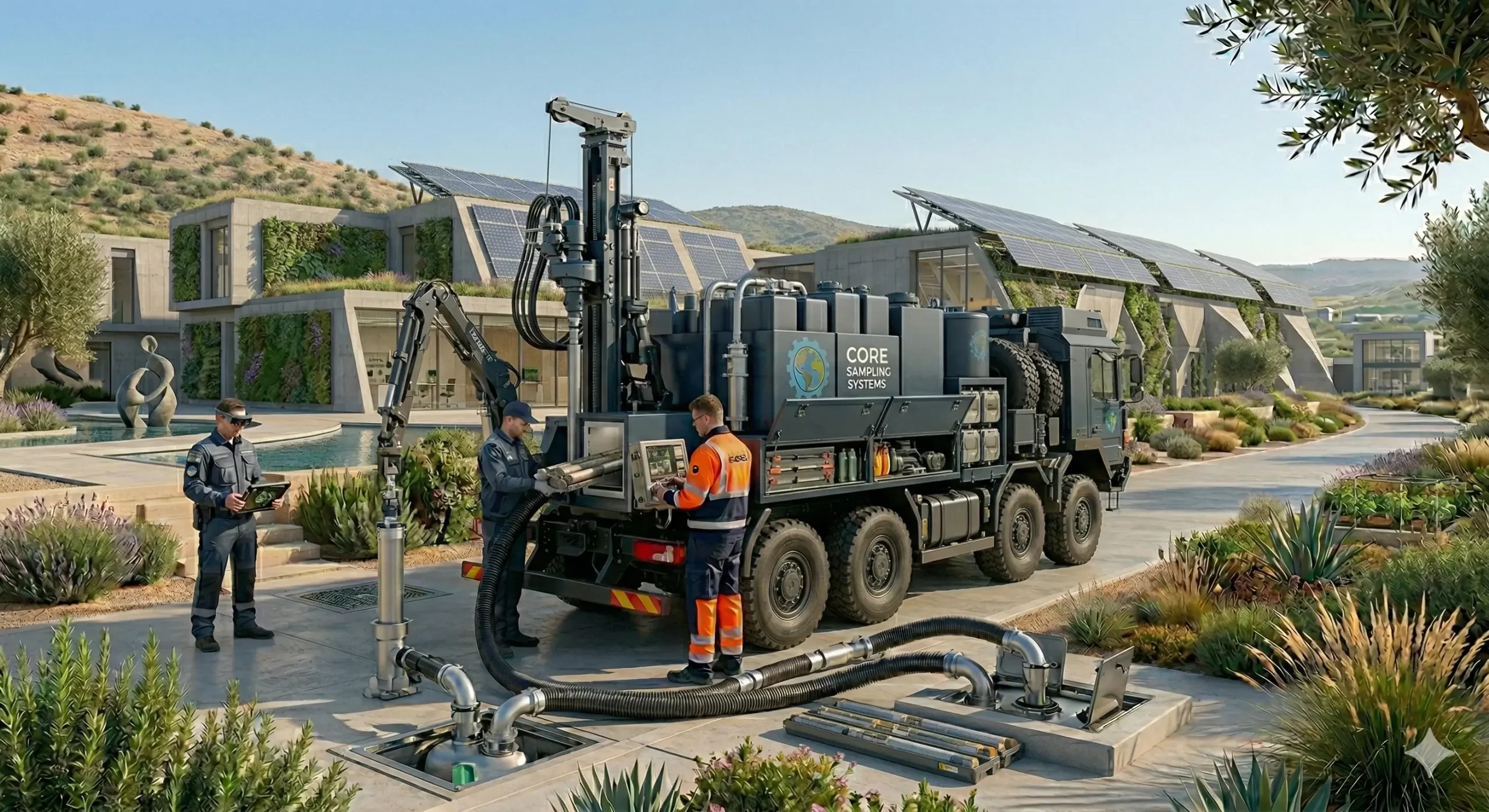
Let’s not dance around the subject. This is gonna hurt. A conventional gravity-fed system on perfect soil might run you $5,000 – $9,000. The systems we’re about to talk about? You’re entering a whole new tax bracket. These are not guesses; these are the numbers I’m writing on invoices every month right here in North Georgia, dealing with our lovely red clay (which has the water absorption of a ceramic plate).
| Alternative System Type | Total Estimated Cost Range | Best For… | My Grumpy Opinion |
|---|---|---|---|
| Engineered Mound System | $20,000 – $45,000+ | High water tables, shallow bedrock, dense clay soils. | The big, ugly, expensive classic. It’s a giant sand pile in your yard, but it works when nothing else will. Reliable if built right. |
| Aerobic Treatment Unit (ATU) + Drip Irrigation | $18,000 – $35,000 | Small lots, wooded lots, slopes, poor soils. | My personal favorite for tough lots. It’s a mini sewage treatment plant. The effluent is so clean you could… well, don’t. But it’s clean. Requires a service contract, don’t forget it! |
| Low-Pressure Pipe (LPP) System | $12,000 – $25,000 | Soils that are a little slow, but not total failures. Gently sloping lots. | A good middle ground. It’s basically a conventional system with a pump to evenly distribute the wastewater. Less intrusive than a mound. A solid choice. |
| Engineered Fill / Chamber System | $15,000 – $28,000 | When you have space to excavate and replace bad native soil. | Basically, you’re buying a new yard. We dig out tons of garbage clay and haul in ASTM C-33 spec sand. It’s brute force, and it works. Uses plastic chambers like Infiltrator Quick4s instead of old-school gravel. I miss gravel. ️ |
A Real-Life Horror Story (With a Happy Ending)
Let me tell you about the Henderson property out near Lake Lanier a few years back. Beautiful 2-acre wooded lot, sloping down to a creek. They got it for a ‘steal.’ I wonder why. The soil scientist’s report came back with a percolation rate of over 120 minutes per inch in most spots. For you city folk, that means the water just sat there. You could pour a cup of coffee in the hole and come back the next day to a cold cup of coffee. The county, of course, stamped a giant red ‘DENIED’ on their permit application.
They were devastated. They called me, ready to sell the lot at a loss. I walked the property with my soil auger. The top 24 inches was dense, unforgiving red clay (a high-plasticity clay, or ‘CH’ for you soil nerds). But below that, around 30-36 inches, we found a seam of sandy loam that was more forgiving. The problem was the slope and the protected creek buffer. A giant mound system was out—it would look like a pyramid in their yard and risk erosion into the buffer zone. If you reside in the area, you can learn more about our septic services in Scott, LA.
The solution? An advanced Aerobic Treatment Unit (we used a FujiClean CEN5) to produce highly treated effluent, paired with a drip irrigation dispersal field. We ran over 800 feet of Netafim Bioline drip tubing, contouring it along the slope and keeping it well away from the creek. The drip emitters release the water so slowly (about 0.6 gallons per hour per emitter) that the tight clay soil could actually absorb it. This system saved their build, but it added a cool $29,500 to their site prep budget. They weren’t thrilled with the price, but they were thrilled they got to build their dream house. That’s the trade-off. Don’t ignore the warning signs. Reach out to our septic maintenance crew in Springtown, TX today.
Question The Test Results!
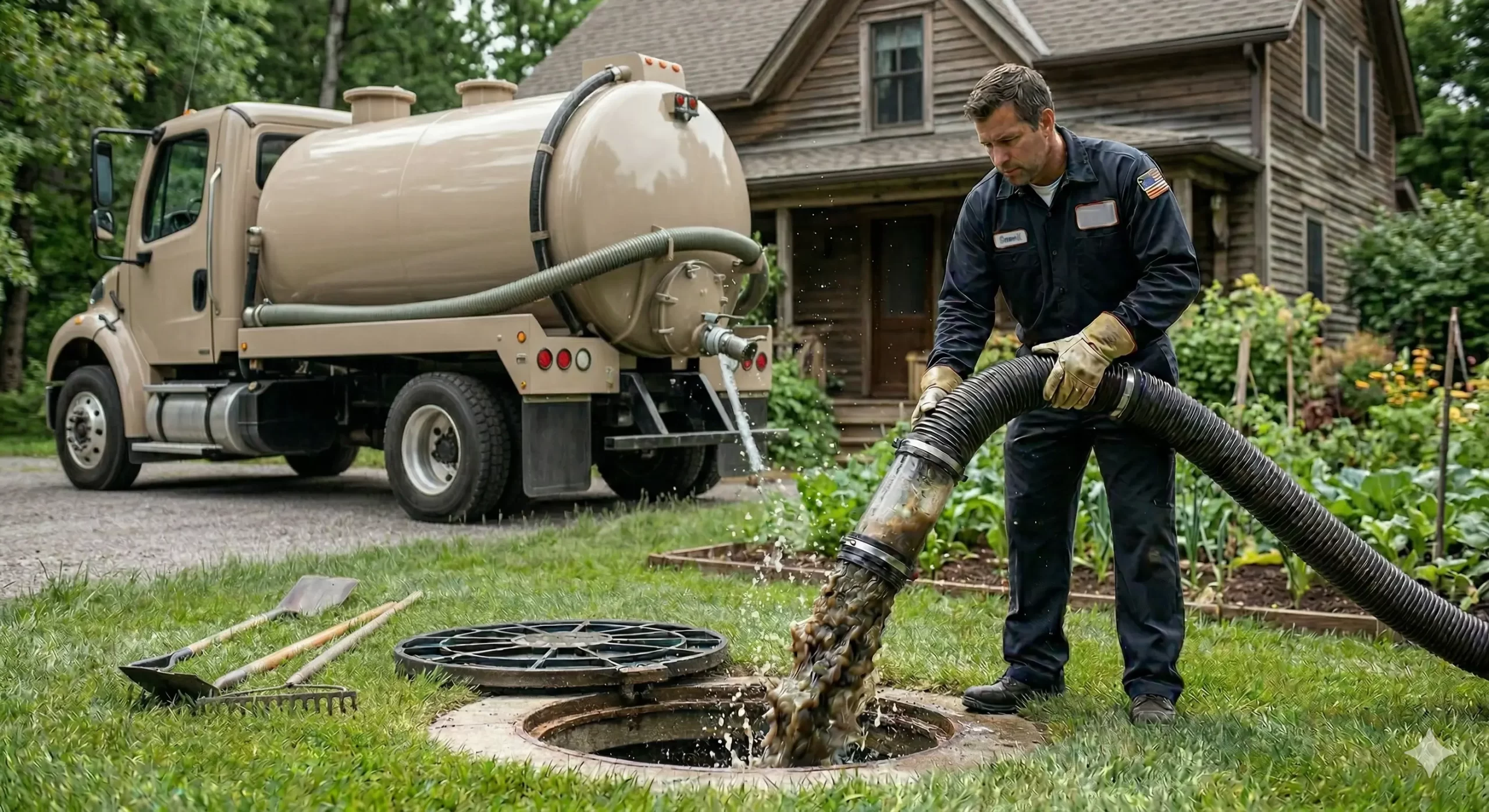
Hold on a minute. Before you go shopping for a $30,000 septic system, are you sure the test was even done right? I’ve seen it all. Don’t just blindly accept the first result, especially if it was performed by the county inspector on a rainy Tuesday. We understand the specific environmental rules for your region. Learn more from our experts in Southlake, TX.
- Seasonal Water Table: Was the test done in the wettest part of the year? In Georgia, that’s winter and early spring. A high water table can instantly fail a test. Sometimes, waiting for a dry August can make a world of difference.
- Soil Compaction: Did the builder just drive a 10-ton excavator all over your proposed drainfield area? Congratulations, you’ve compacted the topsoil into a brick. This can be fixed with subsoil ripping, but you need to test in an undisturbed area first.
- Bad Location: Most lots aren’t uniform. There might be a 10,000 sq. ft. area of garbage soil and a 2,000 sq. ft. ‘sweet spot’ of usable soil. A lazy tester might just dig where it’s convenient.
This is where you spend a little to save a lot. Hire a private, certified soil scientist or soil classifier. It’ll cost you $800 – $2,000. They will spend hours on your property, digging multiple pits, analyzing the soil horizons, and finding the *best possible location* for a system. This is the single best investment you can make after a failed perc test. Sometimes, they find a spot for a conventional system, saving you tens of thousands. Other times, they confirm you need an alternative, but their detailed report is exactly what an engineer needs to design the most cost-effective solution.
Don’t Neglect Your Expensive New System!
You wouldn’t buy a new Mercedes and then never change the oil, would you? These alternative systems are high-performance machines. They are not the simple gravity-fed concrete boxes of yesteryear. You MUST maintain them, or you’ll face a failure that’ll make the initial cost look like pocket change. If you smell sewage or hear gurgling, contact our Cameron, TX septic repair specialists immediately.
- Aerobic Treatment Units (ATUs): These have pumps, aerators, and control panels. They are mini wastewater plants. The state of Georgia requires you to have a biannual service contract with a certified maintenance provider. It’s not optional. Budget $300-$500 per year for this. They’ll check the aerator, clean filters, and measure sludge levels.
- Drip Irrigation Fields: These systems have disc filters that need to be cleaned every 6-12 months. If you don’t, the drip emitters will clog with slime and sediment, and your field will fail.
- Mound Systems: The mound is a living, breathing thing. Keep trees and deep-rooted shrubs off it. Never, ever, EVER drive a vehicle on it—not even a riding mower if it’s wet. Fix any erosion immediately. The sand is specially layered, and if you mess up that structure, it’s game over.
Watch Your Wallet Drain Away: The Failure Timeline
Ignoring a failed perc test or installing an undersized/improper system leads to one place: total failure. Here’s how that slow-motion disaster unfolds.
- Year 1: The Honeymoon Phase. Everything seems fine! Toilets flush, drains drain. Under the surface, however, your drainfield is already oversaturated. The soil can’t keep up, and a black, slimy biomat is forming, sealing the soil pores permanently.
- Year 2-3: The First Signs of Trouble. You notice the toilets gurgle sometimes. The washing machine drain is slow. After a heavy rain, there’s a faint, swampy ‘septic smell’ in the yard. That’s the smell of money leaking away.
- Year 4: Code Brown. It’s undeniable now. Spongy, wet spots appear in the yard over the drainfield. The grass is unnaturally green. You have raw sewage bubbling to the surface. It’s a biohazard. Your neighbors are noticing. The health department might get an anonymous call.
- Year 5+: Total System Failure. Your yard is a swamp. Your drains back up into your showers. The health department condemns your system and issues a repair order, often with hefty daily fines until it’s fixed. Now you have to pay for a brand new, expensive alternative system PLUS the cost of removing the old failed one and remediating the contaminated soil. This can easily be 1.5x the cost of doing it right the first time.
Hear It From People We’ve Saved!
⭐⭐⭐⭐⭐
“Our builder told us our lot was unbuildable after two failed perc tests in Forsyth County. We were heartbroken. Frank came out, spent half a day walking our property, and explained the red clay issue in terms we could actually understand. He worked with an engineer to design an ATU/drip system that the county approved on the first go. His crew was professional, and while it wasn’t cheap, he saved our dream build from becoming a nightmare. Can’t recommend him enough!”
– Sarah and Tom P., Cumming, GA
⭐⭐⭐⭐⭐
“I had a steep, rocky lot in Jasper that nobody wanted to touch. The perc test was borderline at best. Frank was the only one who gave me a straight answer. He explained why a mound wouldn’t work and laid out a plan for a low-pressure pipe system. He showed me the schematics, explained the pump and controls, and delivered exactly what he promised. The man is a grumpy old coot, but he knows his stuff better than anyone. My system has been flawless for three years.”
– David R., Jasper, GA
Stop Asking Me These Same Questions!
Can I just get a variance or install a septic system without a perc test?
In a word: NO. Absolutely not. The perc test (or a more detailed soil analysis) is mandated by state and local health codes for a reason: to protect public health and the environment (and your neighbors) from your poop. Trying to bypass this is illegal and will get your project shut down so fast your head will spin. There are no secret handshakes or loopholes. The health department holds all the cards, period.
What exactly is an “engineered septic system”?
It’s any system that isn’t a simple, conventional, gravity-fed design. If your lot has bad soil, a high water table, is too small, or is too steep, you can’t just dig a trench and lay some pipe. An engineer has to get involved. They use a detailed soil report to design a custom solution—like a mound, ATU, LPP, or drip system—that overcomes the site’s limitations. These designs involve pumps, advanced treatment components, and specific construction requirements, all detailed in a set of blueprints that must be approved by the health department before any dirt is moved.
How much more does an alternative septic system cost?
A LOT more. A standard, old-school conventional system on a perfect lot might be in the $5,000 to $9,000 range. The moment you fail a perc test and need an engineered, alternative system, your starting price is likely around $15,000 and can easily climb to $30,000, $40,000, or even more for a very complex site with a large house. The main cost drivers are the engineering fees, the specialized components (pumps, ATUs), and the massive amount of special sand or fill material required.
Will an alternative system lower my property value?
This is a common fear, but it’s backward. Having a properly designed, permitted, and functioning alternative system that allows you to build on the lot *gives* the property its value. A lot that can’t support any kind of septic system is worthless for residential use. While a mound system might not be the most aesthetically pleasing feature, it’s far better than a failed, surfacing system. Modern systems like drip irrigation are almost invisible. When you sell, you’ll provide documentation and maintenance records, showing the buyer you have a robust, modern system. A failed perc test is a problem; a working engineered system is the solution.
Technically Reviewed By:
BlixBase Master Plumber Team
20+ Years Septic Industry Experience | Certified System Inspectors