

Stop. Read This Now. Your Home is Sending an SOS.
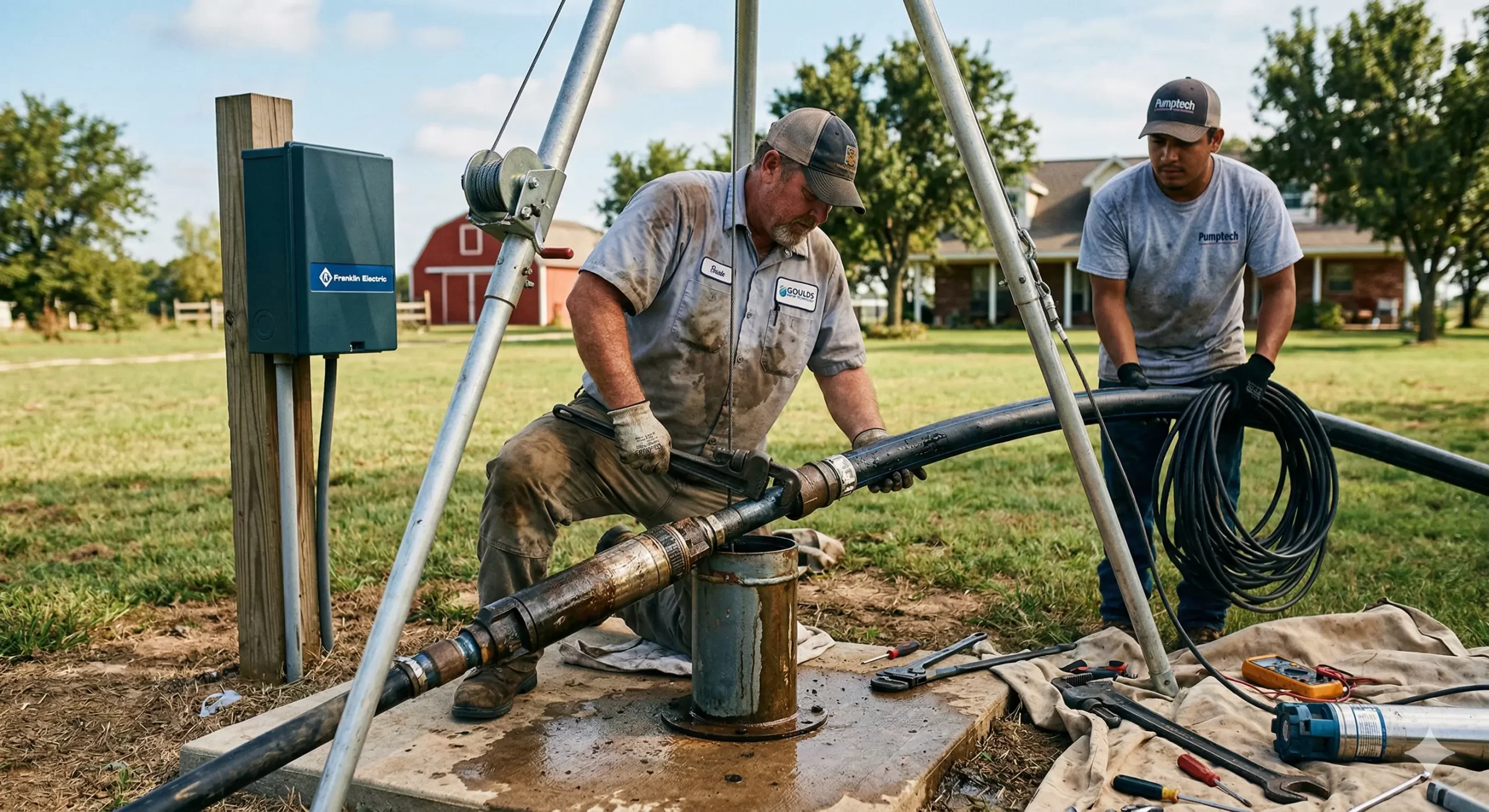
That smell. That rotten egg, swampy, disgusting odor in your bathroom. It’s not just unpleasant. It’s a primal warning signal. Your home is trying to tell you something is seriously wrong. I’m here to translate. You’re stressed. You’re worried. Let’s cut through the noise and figure this out, fast. This isn’t a normal plumbing issue. This could be your septic system screaming for help. Let’s get to work. ️ If you smell sewage or hear gurgling, contact our Pinellas Park, FL septic repair specialists immediately.
Troubleshooting: Your Immediate Action Plan ️♂️
Time is critical. Before you assume the worst (a full-blown drainfield failure), we need to run diagnostics. Start here. Move quickly.
- Check the P-Trap. Look under the sink. See that U-shaped pipe? That’s a P-trap. It’s designed to hold a small amount of water to block sewer gases from entering your home. If a sink isn’t used often, this water can evaporate. Run the water for 60 seconds. Do the same for your shower and any floor drains. This simple act can solve the problem. If the smell dissipates, you’ve found your culprit.
- Inspect the Toilet Seal. Get down low. Look at the base of your toilet. Is there any water? Does the toilet rock or feel loose? The wax ring that seals the toilet to the drain pipe can fail. This allows water and, more importantly, hydrogen sulfide gas (H₂S), to escape. This is a common and relatively easy fix for a plumber.
- Vent Stack Check. Your plumbing system has vents that go through your roof. These equalize pressure and allow gases to escape. If this vent gets clogged by leaves, a bird’s nest, or frost in the winter, the gas has nowhere to go but back into your house. This can be a dangerous check, so if you’re not comfortable on your roof, call a pro.
- Septic Tank Lid. Go outside. Locate your septic tank. Do you smell the odor strongly near the lids or the cleanout access? Do you see any damp, unusually green grass or pooling water? If yes, we are getting closer to the source of the emergency. This indicates the tank is full or blocked.
The Deep Science: What’s Happening Under Your Lawn
To understand the emergency, you need to understand the biology. Your septic tank is not a magical box; it’s a living, breathing (anaerobic) ecosystem. A delicate balance of bacteria is fighting a constant battle for you. If you smell sewage or hear gurgling, contact our Kaplan, LA septic repair specialists immediately.
The Anaerobic Digestion Process
When waste enters your septic tank, it separates into three layers: scum (fats, oils, grease) on top, sludge (heavy solids) on the bottom, and a large middle layer of liquid effluent. Inside this dark, oxygen-free environment, anaerobic bacteria get to work. These are microbes that thrive without oxygen. They perform a process called anaerobic digestion, breaking down the organic solids in the sludge. This process produces biogas, a mixture of methane (CH₄), carbon dioxide (CO₂), and the star of our problem: hydrogen sulfide (H₂S). H₂S is what you smell. It’s the classic rotten-egg stench of sewage. Under normal conditions, this gas is safely vented out through your plumbing vents.
Effluent and Biological Oxygen Demand (BOD)
The liquid effluent flows from the tank into your drainfield. But this water isn’t clean. It’s full of suspended solids, chemicals, and microscopic organic matter. We measure its “strength” using a metric called Biological Oxygen Demand (BOD). BOD is the amount of dissolved oxygen needed by aerobic (oxygen-loving) organisms to break down the organic material present. A high BOD means the effluent is highly concentrated and will require a lot of work from the environment to clean it. Things like garbage disposals and certain cleaners can dramatically increase your system’s BOD, sending overly-strong effluent to the drainfield.
Soil Percolation and the Dreaded Biomatt
Your drainfield is a series of perforated pipes in gravel trenches. The effluent trickles out and begins its journey through the soil. This is where the physics comes in. Soil percolation is the rate at which water moves through soil. Sandy soils percolate quickly. Clay soils, like the dense red clay we see all over Georgia, percolate very slowly. As effluent enters the soil, a layer of anaerobic and facultative bacteria called the biomatt forms at the trench’s bottom and sidewalls. A thin, healthy biomatt is essential; it’s the final filter, consuming remaining pathogens and nutrients. But when a system is overloaded with high-BOD effluent or solids washed out from an un-pumped tank, this biomatt grows thick, slimy, and impermeable. This overgrown biomatt clogs the soil pores, preventing the effluent from percolating. The liquid has nowhere to go. It backs up the pipes, into the tank, and eventually, into your home. The H₂S gas follows, finding the easiest escape route—your bathroom drains. Don’t ignore the warning signs. Reach out to our septic maintenance crew in League City, TX today.
Danger Level Timeline: The Progression of Septic Failure ⏳

Septic failure isn’t an overnight event. It’s a slow, creeping disaster. Here’s how it typically progresses if left unchecked:
- Phase 1: The Silent Stage (Years 1-3)
The system is new or recently pumped. Bacteria are healthy. The biomatt is thin. Everything works perfectly. No signs of trouble. - Phase 2: The Whispering Stage (Years 4-6)
Sludge and scum layers are building. You might notice occasional slow drains, especially after heavy laundry or multiple showers. A faint, musty odor might appear near the drainfield after heavy rain. The biomatt is thickening, and soil percolation is slowing down. - Phase 3: The Warning Stage (Years 7-9)
This is where you are now. The smell is undeniable. Drains gurgle frequently. You might see lush, green patches of grass over the drainfield pipes, or even damp spots. The tank is likely full, and the biomatt is choking the soil. The system is in distress. - Phase 4: Total System Failure (Year 10+)
This is the emergency. Raw sewage is backing up into your showers and toilets. Wastewater is pooling on the surface of your lawn. The drainfield has completely failed. This is a biohazard and requires immediate, expensive intervention.
Real-Life Case Study: The Davis Family in Macon, Georgia
The Davis family called us in a panic. Their downstairs bathroom reeked of sewage, and the toilet would gurgle ominously every time they did laundry. They have three kids and had lived in the house for 8 years, never once having the septic tank pumped. Their property was built on classic Georgia red clay, a soil notorious for poor drainage.
Our diagnostics found a textbook case of drainfield failure. The tank was over 80% full of solids, meaning solid waste was being pushed into the drainfield lines. This, combined with years of using harsh bleach-based cleaners that killed beneficial bacteria, created a super-thick, black, slimy biomatt. The dense clay soil simply couldn’t absorb the effluent anymore. We used a camera to show them the clogged pipes and the saturated soil. The system was suffocating.
The Solution: We performed an emergency pump-out to relieve the immediate pressure. Then, we used high-pressure hydro-jetting to blast the sludge from the drainfield lines. This was followed by a powerful aerobic bacteria shock treatment to aggressively break down the biomatt and a soil-fracturing aeration service to improve the clay’s percolation. We put them on a strict 3-year pumping schedule and educated them on septic-safe habits. Their system was saved from a full, multi-thousand-dollar replacement. It was a close call. ➡️ Don’t wait for a backup to flood your yard. Check out our local services in Umatilla, FL.
Septic Service Cost Breakdown
What are you looking at, financially? It depends on the diagnosis. Here’s a realistic breakdown. Prices vary by location and the complexity of the job.
| Service / Repair | Typical Cost Range (USD) | Urgency Level |
|---|---|---|
| Dry P-Trap Fix | $0 (DIY) | Low |
| Toilet Wax Ring Replacement | $150 – $350 | Medium |
| Plumbing Vent Stack Clearing | $200 – $500 | Medium |
| Septic Tank Pumping (Emergency) | $400 – $800 | High |
| Drainfield Hydro-Jetting / Restoration | $1,500 – $5,000+ | Critical |
| Full Drainfield Replacement | $8,000 – $25,000+ | Catastrophic |
Essential Maintenance to Prevent Future Disasters ️
You can prevent this from ever happening again. Your septic system is not a “flush and forget” utility. It requires basic care. Navigating local soil conditions can be tricky. Consult our Opp, AL septic pumping guide.
- Pump Your Tank: The single most important thing. Every 3-5 years, no excuses. This removes the sludge and scum before they can reach the drainfield.
- Watch Your Water Usage: A septic system can only handle so much water at once. Space out laundry loads. Install water-efficient fixtures.
- Only Flush Human Waste & Toilet Paper: No wipes (even “flushable” ones), feminine hygiene products, paper towels, or dental floss. These clog the system.
- Protect Your Drainfield: Never park cars or build anything on top of it. Don’t plant trees or large shrubs nearby, as roots can destroy the pipes.
- Be Kind to Your Bacteria: Avoid excessive use of harsh chemical cleaners, bleach, antibacterial soaps, and garbage disposals. You are protecting the microbial army that works for you.
Hear From Homeowners We’ve Helped!
⭐⭐⭐⭐⭐ – Saved Us From a Nightmare!
“The sewage smell hit us on a holiday weekend. We were panicking. They came out within two hours, diagnosed a blocked drainfield, and did an emergency jetting service. They explained the science behind it so clearly. The smell was gone by that evening. Cannot recommend them enough!”
– Sarah K., Atlanta, GA
⭐⭐⭐⭐⭐ – Honest and Professional
“I was convinced I needed a whole new system which would have cost a fortune. The technician took the time to show me the camera feed and explained it was just a severe clog from the tank not being pumped. An emergency pump and clean-out later, my system runs like new. They saved me thousands. True professionals.”
– Michael R., Cumming, GA
Frequently Asked Questions (FAQ)
Is the sewage smell (hydrogen sulfide) dangerous to my family?
Yes, it can be. While low levels cause the foul odor, headaches, and nausea, high concentrations of hydrogen sulfide (H₂S) gas can be toxic and are extremely dangerous. It’s an irritant to the lungs and eyes. In a confined space, it can displace oxygen and lead to asphyxiation. If the smell is overwhelming, you should ventilate the area and call a professional immediately. Don’t take chances with your family’s health. ☣️
Why would the smell be stronger after a shower or doing laundry?
This is a classic symptom of a failing drainfield or a full tank. A large influx of water (a “hydraulic load”) from a shower or washing machine rushes into the septic tank, displacing the sewer gases. If the system is blocked or saturated and can’t accept the water properly, the displaced gas has nowhere to go but back up the pipes and into your home through the drains. It’s a major red flag.
Can septic tank additives or treatments fix this smell?
Could pouring a bottle of something down the drain solve a problem that took years to develop? Generally, no. While some high-quality bacterial additives can help maintain a healthy system, they are not a magic cure for a full tank or a clogged drainfield. The smell is a symptom of a major physical problem—either too much solid waste or a blocked percolation field. The only solution is to physically remove the waste (pumping) or remediate the drainfield. Additives cannot make sludge disappear or unclog soil. Don’t waste your money on a quick fix for a big problem.
Technically Reviewed By:
BlixBase Master Plumber Team
20+ Years Septic Industry Experience | Certified System Inspectors