Top Septic Pumping in
Panama City Beach
Panama City Beach Pumping Costs & Data
The operational statistics of the area’s septic infrastructure reveal a critical need for proactive maintenance:
- Vacation Rental Failure Rates: Septic systems attached to high-occupancy short-term rentals experience a 60% higher rate of premature drain field failure compared to standard homes due to constant hydraulic overloading.
- Elevated System Expansion: Because the high water table prevents traditional gravity drain fields from functioning on the barrier island, an estimated 85% of new or replacement septic installations are required to be complex ATUs or elevated mound systems.
- Storm Surge Failure Spikes: During periods of sudden tropical rainfall or Gulf storm surges, local data indicates a 50% spike in emergency service calls. These are predominantly caused by hydraulically overloaded systems backing up into homes.
- Corrosion Degradation: Due to constant exposure to salt air and brackish groundwater, nearly 40% of legacy concrete tanks in the island zone show signs of severe spalling or structural failure upon inspection.
The mathematics of septic preservation in coastal sand are undeniable. Scheduled, professional vacuum pumping is the only scientifically valid method to protect your incredibly valuable investment property from total collapse.
The final invoice for your specific pump-out will be dictated by these localized variables:
- High-Occupancy Sludge Density: Pumping a tank at a heavily booked vacation rental requires significantly more time to break down massive, compacted grease caps and heavy sludge layers compared to a standard residential home.
- Emergency “Weekend Shock” Calls: Vacation rental systems frequently fail on Saturday nights or Sunday mornings due to sudden hydraulic overload. Emergency dispatch fees and immediate response requirements to save a guest’s vacation add to the overall cost.
- Wet Sand Excavation & Dewatering: Finding the tank and manually digging through heavy, wet coastal sand to expose the access lids adds significant labor time. The sand often caves back into the hole, requiring specialized shoring techniques. We highly recommend PVC surface risers.
- Corrosion Repair & ATUs: Replacing rusted baffles, crumbling concrete lids, or shorted ATU compressors damaged by the Gulf salt air is a frequent add-on cost in coastal communities.
Furthermore, Bay County’s specific coastal soil profiles dictate maintenance frequency:
| Panama City Beach Terrain | Drainage Capacity | Impact on Septic Systems | Maintenance Need |
|---|---|---|---|
| Coastal “Sugar Sand” | Dangerously Rapid | Effluent drains too fast, bypassing natural filtration and directly polluting the Gulf or Grand Lagoon. | Strict adherence to FDOH pumping schedules |
| High Water Table / Tidal Zones | Poor (Tidal/Seasonal) | Groundwater rises during tides or storms, causing immediate hydraulic lock and backups. | High (Strict 1-2 year pumping for rentals) |
Cost Estimation by System Profile in Panama City Beach:
| Service Description | Estimated Range | Primary Labor Factors |
|---|---|---|
| Legacy Conventional Pump-Out | $400 – $650+ | Manual excavation in wet caving sand, thick island crust density, heavy tourist traffic access. |
| Mega-Rental / High Occupancy Pump-Out | $450 – $750 | Thick grease breakdown, massive volume, trash removal, and weekend emergency dispatch. |
| Elevated Mound / ATU Pump-Out | $450 – $750 | Multi-tank evacuation, dosing pump sanitation, and salt-air corrosion checks. |
Our platform guarantees that you connect with transparent, elite professionals who understand the uncompromising demands of Bay County’s coastal properties.
🌱 Local Environmental Status
When an On-Site Sewage Facility (OSSF) is neglected in the Panama City Beach area, the localized consequences are distinct and hazardous:
- Vacation Rental “Weekend Shock”: PCB is a massive hub for vacation mega-rentals. A septic system designed for a standard family will catastrophically fail when 12+ guests take showers, do laundry, and flush toilets over a single weekend. The hydraulic overload pushes raw sewage and thick grease directly into the drain field, destroying it permanently and ruining guest vacations.
- Gulf & Grand Lagoon Contamination: Properties located near the beach or the Lagoon are under intense environmental scrutiny. A saturated, overflowing septic tank releases raw human pathogens and high nitrogen loads directly through the porous sand into the waterways, threatening marine life and fueling devastating algae blooms.
- King Tide Hydraulic Lock: The barrier island is highly vulnerable to sea-level rise and seasonal “King Tides.” During these events, the saltwater table rises dramatically, completely submerging low-lying drain fields. If a tank is full of sludge, the effluent cannot exit, causing raw sewage to instantly back up into homes.
- Storm Surge Washouts: Low-lying coastal drain fields can be physically washed out, filled with sediment, or completely saturated with saltwater during a Gulf hurricane surge, killing the essential bacteria in the system and necessitating massive rebuilds.
To protect the Bay County coastal ecosystem and secure property investments, owners must enforce strict maintenance protocols:
- Accelerated Rental Pumping: If you operate a high-occupancy short-term rental, you MUST schedule a professional vacuum pump-out every 1 to 2 years. Standard 3-to-5 year intervals will result in a massive drain field failure.
- Storm Preparation: Pumping your tank *before* hurricane season is critical to provide emergency holding capacity when the power goes out and the ground saturates.
- Corrosion Inspections: Regularly inspect concrete lids and access ports for spalling and rust, replacing them with heavy-duty PVC components where possible to withstand the island environment.
Consistent, weather-aware pumping is the absolute baseline of environmental stewardship for property owners in Panama City Beach.
⚙️ Local Service Details
When a certified vac-truck arrives at your Bay County property, you can expect a rigorous, exhaustive service protocol:
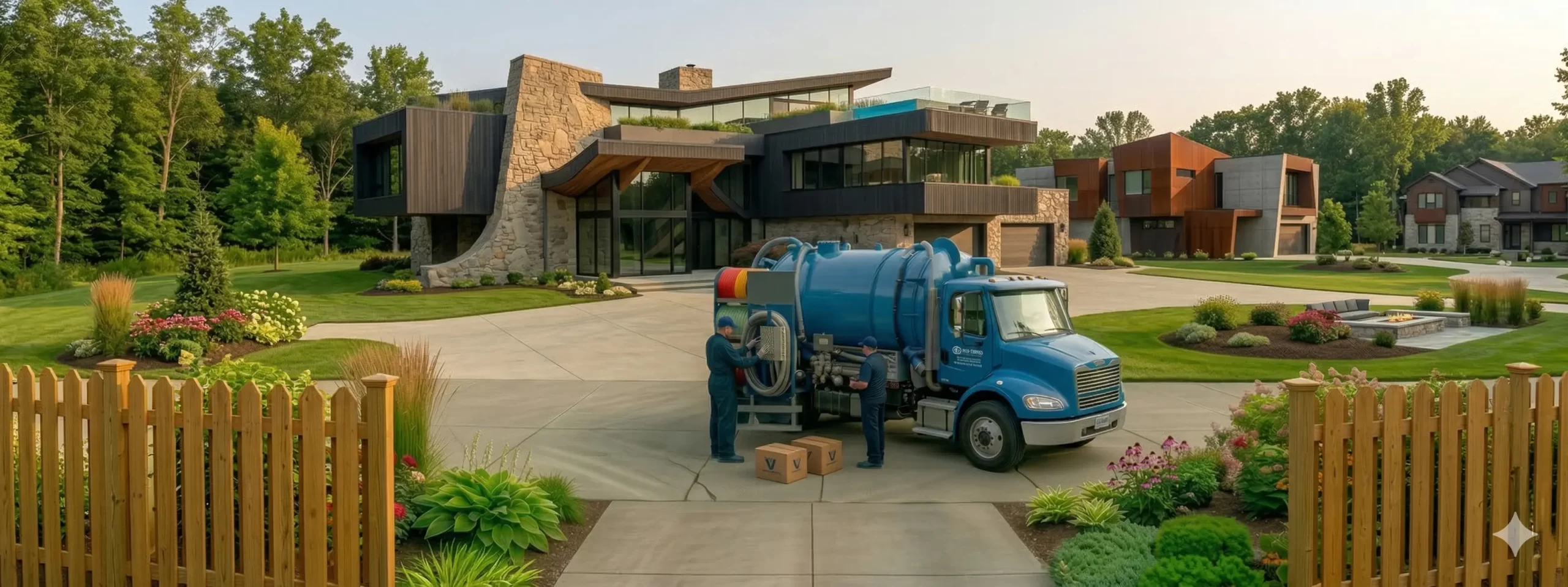
- Low-Impact Equipment Staging: Strategically parking heavy 30,000-gallon vacuum trucks on solid ground and deploying up to 150 feet of industrial hose to protect pristine coastal landscaping, paver driveways, and delicate dunes.
- Electronic Tank Locating & Wet Sand Excavation: Utilizing flushable sondes to locate buried tanks. Technicians then carefully hand-dig through wet, shifting sand to expose the lids safely, often utilizing shoring techniques.
- Complete Sludge & Grease Evacuation: Engaging high-CFM vacuum power to entirely empty the tank. For high-occupancy rentals, technicians utilize heavy-duty crust busters and hydro-jetting to break down severe grease caps and trash build-up.
- Filter Maintenance: Removing and rigorously power-washing the effluent filter—a critical step for vacation rentals to ensure wipes and feminine products do not enter the drain field.
- Salt-Air Corrosion Diagnostics: Performing a critical visual inspection of the emptied tank and ATU components to detect structural fractures caused by shifting sandy soil, saltwater spalling, or hydrostatic pressure from storm surges.
This comprehensive, specialized approach guarantees that your property is protected against catastrophic backups, angry guests, and costly premature drain field failures.
📍 Coverage & ZIP Codes
🏡 Real Estate Transactions
Navigating a property transfer involving a septic system in PCB requires meticulous attention to documentation:
- Vacation Rental Scrutiny: Investors buying a property intended for short-term rental must verify the exact permitted capacity of the septic system. Lenders and health inspectors will demand a full vacuum pump-out to ensure the system hasn’t already been destroyed by previous high-occupancy “weekend shock.”
- FDOH Coastal Compliance (Mound/ATU): Because traditional gravity fields frequently fail in the zero-elevation water tables of the coast, many newer or replacement systems are mandated to be elevated Mound Systems or Aerobic Treatment Units (ATUs). Lapsed maintenance contracts will unconditionally stall a title transfer.
- Saltwater Degradation Inspections: Appraisers demand a visual and camera inspection to guarantee that concrete tanks haven’t been severely degraded (spalling) by years of saltwater exposure or filled with silt and sediment from past storm surges.
- Appraisal Value Protection: A failed leach field on a tight coastal lot can cost $15,000 to $30,000+ to replace due to extreme excavation difficulty, dewatering requirements, and engineered sand fill. Providing a buyer with a flawless pumping log neutralizes their ability to demand massive price concessions.
Protect your barrier island property’s immense equity. Securing a professional pump-out and a clean bill of health from our vetted technicians is the most profitable step you can take before listing your Panama City Beach home.
Local Home Investment
More Panama City Beach households are investing in drain field restorations than ever before. Don't be left behind.
Drain Field Threat Alert
Heavy clay and high water tables in Panama City Beach can drown your leach lines. Check the local saturation index.
Regional Tech Radar
Don't wait days for relief. See how close the primary service node is to Panama City Beach right now.
Ground Drying Effect
The post-summer dry out makes access easy. Time your session in Panama City Beach to maximize this effect.
Local Flow Dynamics
Your effluent level will rise significantly. Protect your leach lines with this Panama City Beach calculation.
Protect Your Wallet
Don't throw cash away on emergency digs. See the replacement risk potential for a Panama City Beach resident.
Base Drain Field Replacement in Panama City Beach: $12,662
⚠️ Local Regulatory Warning
Homeowners and property managers are legally bound by the following uncompromising mandates:
- FDOH State Statutes: The Florida Department of Health (FDOH) strictly regulates the extraction and transport of bio-hazardous waste. Only legally registered sludge transporters are permitted to pump your system and manifest the waste to an approved municipal treatment plant.
- Short-Term Rental Capacity Codes: FDOH strictly regulates the number of bedrooms allowed on a specific septic tank size. Advertising a property for 14 guests when the septic permit only allows for a 3-bedroom capacity is a massive liability and will void your permit if reported.
- Bay County ATU Contracts: If your property relies on an aerobic system or an elevated mound with a dosing pump, the local public health department absolutely requires you to hold a continuous, active maintenance contract with a certified provider. Lapsing on this contract leads to immediate permit revocation.
- Coastal Setbacks & Flood Zones: Properties located in coastal flood plains must adhere to strict structural codes to prevent contamination during hurricanes and storm surges.
Consequences of Regulatory Non-Compliance in Panama City Beach:
| Environmental Violation | Enforcing Agency | Potential Penalty |
|---|---|---|
| Illegal Surface Discharge (Raw Sewage) | FDOH / DEP / Coast Guard | Emergency fines up to $500/day, forced condemnation, rental shutdown, federal waterway fines. |
| Expired Aerobic Maintenance Contract | Bay County Health | Permit revocation, Class C Misdemeanor, blockage of property sales. |
| Using Unlicensed “Gypsy” Pumpers | State Agencies | Homeowner liability for illegal dumping, massive environmental restitution. |
Protect your estate and your legal standing. Our network exclusively provides access to fully insured, FDOH-registered experts who guarantee absolute compliance with all local and state laws.
Homeowner Feedback