
A burnt plastic smell from your Rheem water heater indicates a dangerous exhaust backdraft melting components. Evacuate and call a pro for vent repair.
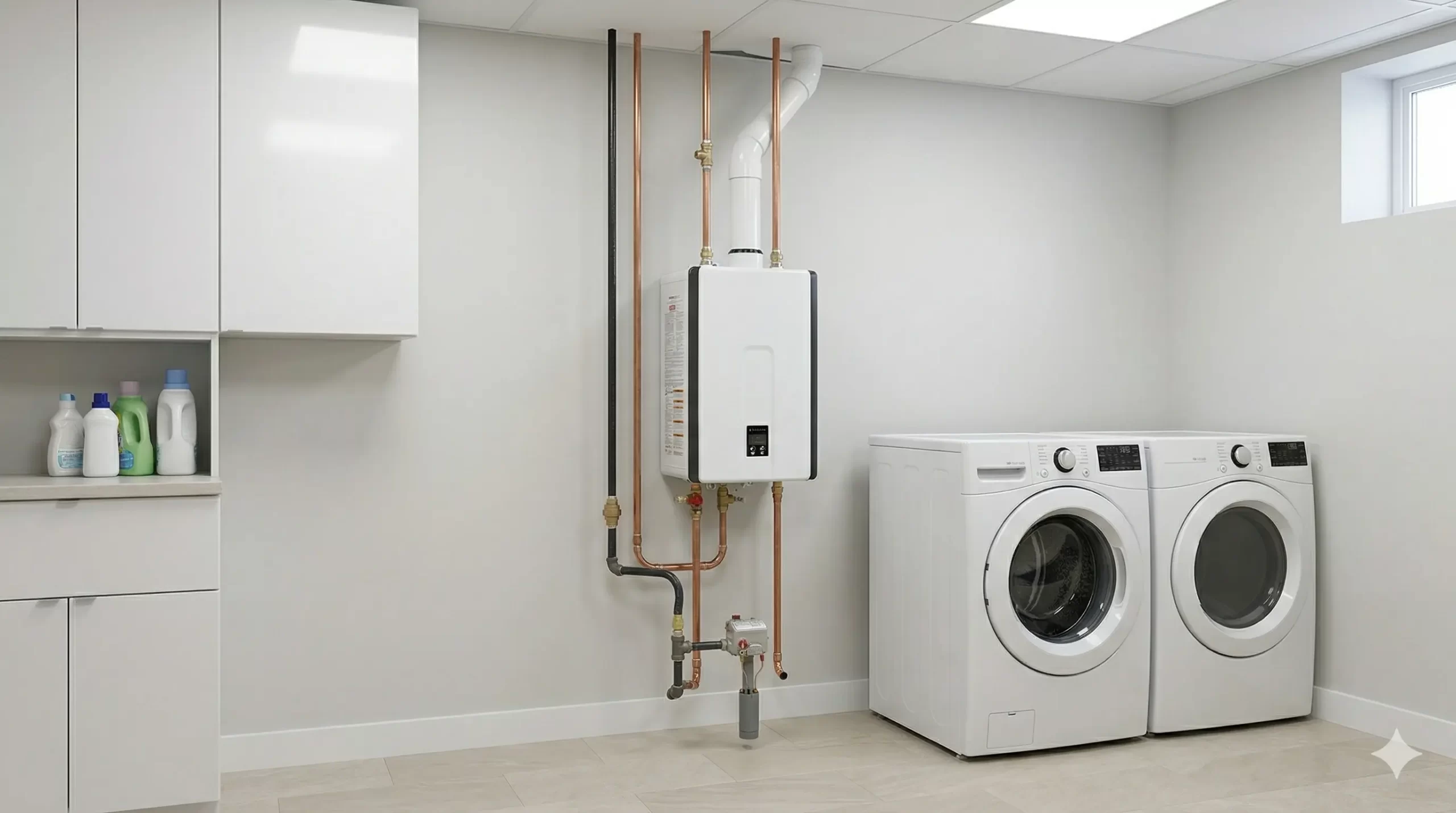
A burnt plastic odor is a direct sensory alert for a life-threatening flue gas spillage event. The smell itself is secondary to the primary danger: the concurrent release of colorless, odorless, and lethal Carbon Monoxide (CO) into your home’s breathable air. This condition, known as backdrafting, means the toxic byproducts of combustion are failing to exit the flue and are instead accumulating indoors. Do not assume your CO detector will provide adequate warning; the concentration may be localized or intermittent. Evacuate all occupants and pets immediately, leave the door open, and call for emergency professional service from a safe location. Do not attempt to ventilate by turning on fans, as this can worsen the negative pressure condition and accelerate the spillage.
️ Repair Profile
Required Diagnostics Tools
Digital Manometer, Calibrated CO Detector, Combustible Gas Detector, Chimney Sweep Rods & Brushes, Inspection Mirror, High-Intensity Flashlight, Pipe Wrenches, OEM Replacement Parts
Financial Breakdown: Parts vs. Licensed Labor
The cost allocation is heavily weighted towards labor because the task’s value lies in life-saving diagnostics and specialized vent clearing, not the inexpensive plastic components being replaced. You are paying for the expertise to identify and rectify a hazardous atmospheric drafting issue, a process that requires calibrated instruments and a deep understanding of combustion science.
Deep Technical Diagnosis: The Physics of the Failure
The perception of a burnt plastic odor from the water or the vicinity of your Rheem gas water heater is a critical diagnostic indicator of flue gas spillage, commonly known as backdrafting. Under normal operating conditions, the thermal stack effect creates a negative pressure differential, drawing hot exhaust gases (typically 300-500°F) up the flue. When this process is compromised, these corrosive and superheated gases spill from the draft hood, rolling down over the appliance’s exterior. This spillage directly impinges upon thermoplastic components, such as the draft hood escutcheons or the polypropylene collar of the cold-water dip tube. The gases cause pyrolysis of the plastic, releasing odorous volatile organic compounds that can be absorbed by the water or permeate the ambient air. This is not a failure of the water heater itself, but a catastrophic failure of the venting system, which is indicative of a lethal buildup of Carbon Monoxide (CO).
A technician will use a digital manometer to measure the draft pressure in inches of water column (“W.C.); a sustained negative pressure of -0.02 to -0.04” W.C. is typically required. A neutral or positive pressure reading confirms backdrafting. The root causes for this dangerous pressure inversion are varied and complex:
- Vent System Occlusion: This is the most common cause. Physical blockages such as avian nests, debris accumulation, a collapsed B-vent interior wall, or a deteriorated masonry flue liner can completely obstruct the exhaust pathway.
- Severe Negative Air Pressure: Modern, tightly sealed homes are susceptible to depressurization. High-CFM kitchen exhaust hoods, clothes dryers, and bathroom fans can create a vacuum, overpowering the natural draft of the water heater and pulling exhaust gases back into the living space.
- Improper Vent Configuration: Violations of the National Fuel Gas Code (NFPA 54) regarding vent geometry are a frequent source of chronic drafting issues. An insufficient vertical rise from the draft hood, excessive lateral run length, or too many 90-degree elbows can prevent the flue gases from achieving the necessary velocity to exit the structure.
- Atmospheric and Structural Factors: External conditions like persistent high winds creating downdrafts, or the proximity of taller buildings or trees altering pressure zones around the flue termination cap, can force exhaust back down the chimney.
The resulting incomplete combustion from poor oxygen supply during a backdraft event significantly increases the CO concentration in the flue gas, turning a simple venting problem into an immediate life-safety hazard. The burnt plastic smell is the final, desperate warning sign that the entire combustion and venting system requires immediate professional analysis and remediation.
US Building Codes & Plumbing Regulations
The condition causing a burnt plastic smell is a direct and severe violation of NFPA 54 (National Fuel Gas Code), specifically the chapters governing the design and installation of venting systems. The code mandates that a gas appliance’s vent must be capable of removing all products of combustion to the outdoors under all predictable operating conditions. The melting of plastic components due to flue gas spillage is irrefutable evidence that the system has failed this primary mandate. This failure often stems from a secondary violation related to inadequate provisions for combustion and ventilation air, as outlined in NFPA 54, which leads to the negative indoor air pressure that initiates the backdraft event.
From the perspective of the Uniform Plumbing Code (UPC), this scenario represents a failure to maintain the appliance in its approved, listed, and labeled condition. The UPC requires that all gas-fired water heaters be installed per manufacturer’s instructions and that their venting systems be kept clear and free of obstructions. The thermal degradation of the draft hood or dip tube collar proves the appliance is operating outside of its design parameters in an unsafe manner. A certified inspector would immediately red-tag the appliance, citing the clear and present danger posed by the compromised venting and the potential for Carbon Monoxide poisoning, mandating a complete system diagnosis and repair before the unit can be returned to service.
Professional Master Plumber Repair Sequence
- Emergency Site Assessment & Evacuation: Upon arrival, the first priority is confirming the area is safe. If a burnt odor is present, immediately evacuate occupants and ventilate the structure. Verify the gas shutoff valve at the appliance is closed.
- Atmospheric Safety Check: Employ a calibrated Carbon Monoxide (CO) analyzer and combustible gas detector to sweep the mechanical area. Do not proceed until CO levels are below 9 ppm and no combustible gas is detected.
- Visual Diagnosis of Thermal Damage: Conduct a focused inspection of the Rheem unit’s top. Document the degree of pyrolysis on the plastic draft hood escutcheons and look for signs of heat stress, such as discoloration or blistering on the heater’s top pan.
- Initial Vent Obstruction Check: Disconnect the vent connector from the draft hood. Using a high-intensity flashlight and inspection mirror, visually inspect the flue for immediate, obvious blockages like animal nests or debris.
- Mechanical Flue Clearing: Based on the flue type (B-vent, masonry), select the appropriate chimney brushes and flexible rods. Systematically sweep the entire length of the vent from the appliance connection to the termination cap to ensure a completely clear passage.
- Post-Cleaning Draft Verification Test: Reconnect the vent. Fire the main burner. Using a digital manometer, drill a test port 3-6 inches above the draft hood and measure the draft. Confirm a stable, negative pressure reading that meets or exceeds manufacturer specifications (typically -0.02″ W.C. or greater).
- Worst-Case Depressurization Test: With the water heater firing, activate all exhaust appliances in the home (dryer, kitchen hood, bath fans). Re-measure the draft with the manometer to ensure the venting system can overcome the maximum potential negative house pressure without spillage. A smoke pen held at the draft hood opening can provide visual confirmation.
- Replacement of Damaged Components: Once proper and stable draft is unequivocally confirmed, shut down and lock out the appliance. Carefully remove and replace the melted plastic escutcheons and/or the entire cold-water dip tube assembly with genuine Rheem OEM parts.
- Final Commissioning and Spillage Test: Re-establish the gas supply and relight the appliance. Perform a final spillage test at the draft hood after 5 minutes of main burner operation. Document all pressure readings, corrective actions taken, and parts replaced for the homeowner’s records.
Expert Verdict: Is It Worth Repairing?
In the context of a burnt plastic smell, the decision to repair versus replace the Rheem water heater hinges on the health of the vent system, not the heater itself. The melted plastic parts are inexpensive collateral damage. A repair, which primarily involves a professional diagnosis and clearing of the flue system, is almost always the correct financial choice if the water heater is less than 8 years old and has no signs of tank corrosion. The investment rectifies a dangerous building-systems issue and restores safe operation. However, if the backdrafting has been a chronic, long-term problem, the persistent exposure to acidic condensate may have corroded the burner assembly or the internal flue baffle. If a technician determines these core components are compromised, or if the unit is already exceeding its 10-12 year expected lifespan, replacement becomes the more prudent option. A new installation ensures all components, including the critical venting connection, are installed to current code, providing a higher long-term return on investment and peace of mind.
Frequently Asked Questions (FAQ)
Q: Is the burnt plastic smell in my hot water dangerous to drink?
A: While the smell indicates plastic is melting and potentially leaching chemicals, the far greater and more immediate danger is the Carbon Monoxide (CO) gas being released into your home’s air. The contaminated water is a symptom of this lethal condition. Do not drink the water, but more importantly, evacuate the property immediately due to the severe risk of CO poisoning.
Q: Can I just replace the melted plastic part on my Rheem heater to fix the smell?
A: Absolutely not. Replacing the melted component is like replacing a fuse in a circuit with a major short. The part will simply melt again, and you will have done nothing to fix the underlying exhaust backdraft that is allowing lethal Carbon Monoxide to spill into your living space. This is a problem that requires professional vent system diagnosis and repair.
Q: Why would my water heater suddenly start backdrafting after working for years?
A: Venting systems can fail suddenly. The most common culprits are external factors: a bird or squirrel builds a nest in the flue over a few days, a severe storm shifts the termination cap, or a section of an older masonry chimney liner finally collapses. It is rarely a gradual failure of the water heater itself but rather an acute failure of the exhaust pathway.
Q: My home’s CO detector never went off. How can this be a Carbon Monoxide issue?
A: Do not rely solely on a CO detector in this situation. The physical evidence of melting plastic is definitive proof of flue gas spillage. The detector may be located too far from the appliance, its sensor may be expired, or the CO concentration might be in a localized ‘cloud’ that hasn’t reached the alarm’s threshold. Treat the smell as a 100% reliable, primary alarm that supersedes your electronic detector.