
The Role of the Septic Drain Field: How to Protect It from Ruin
When most homeowners think of a private wastewater system, their minds immediately go to the massive concrete or plastic tank buried in the yard. They assume the tank is the entire system. But the truth is, the tank is merely the waiting room. The true workhorse—the biological engine and the most expensive component of your entire plumbing infrastructure—is the septic drain field (also known as a leach field or absorption field).
If your septic tank fails, you pump it out or patch a baffle. If your drain field fails, you are looking at a catastrophic plumbing disaster that involves heavy excavation, destroyed landscaping, and a replacement bill that can easily exceed $20,000. Understanding how this delicate, invisible ecosystem operates under your lawn is the absolute best way to protect your property value.
In this comprehensive, deep-dive guide, we will explore the fascinating microbiology of the drain field, uncover the everyday household habits that slowly destroy it, and provide expert, actionable strategies to extend its lifespan indefinitely.
- 1. Anatomy of a Drain Field: How It Actually Works
- 2. The Biomat: The Living Filter You Must Protect
- 3. The 5 Red Flags of a Failing Drain Field
- 4. What Destroys a Drain Field? (The Major Culprits)
- 5. Regional Soils: How Texas, Florida, and Louisiana Differ
- 6. Prevention: How Pumping the Tank Saves the Field
- 7. Rules for Landscaping Over a Leach Field
1. Anatomy of a Drain Field: How It Actually Works
To protect your leach field, you must first understand its architecture. When wastewater leaves your home, it enters the septic tank where it separates into three layers: heavy sludge at the bottom, lighter scum (fats and oils) at the top, and a relatively clear liquid layer in the middle called effluent.
The drain field's sole purpose is to receive this effluent and return it safely to the groundwater table. A traditional drain field consists of:
- The Distribution Box (D-Box): A small concrete or plastic box that receives the effluent from the tank and evenly splits it into several different pipes.
- Perforated Pipes: A network of PVC pipes running horizontally through your yard. These pipes have tiny holes drilled into the bottom.
- The Aggregate Trench: The pipes are laid inside deep trenches filled with washed gravel, crushed stone, or modern plastic leaching chambers. This aggregate creates void space for the water to temporarily pool.
- The Native Soil: The final and most important layer. The soil acts as a natural sponge and a biological filter, removing pathogens and viruses before the water reaches the aquifer.
2. The Biomat: The Living Filter You Must Protect
The secret to a functional drain field is not the pipes or the gravel—it is a microscopic layer of living organisms called the biomat.
When the effluent trickles out of the perforated pipes and hits the soil, it carries trace amounts of organic matter and pathogens. Over time, a black, slimy, tar-like layer of aerobic (oxygen-breathing) bacteria forms at the interface between the gravel and the soil. This is the biomat.
The biomat is the ultimate biological filter. It consumes the remaining organic material in the wastewater. However, it is a delicate balance. If the biomat stays thin, water passes through it easily. If the biomat is overfed with solid waste, or starved of oxygen by constant flooding, it grows thick, dense, and impenetrable. When the biomat seals completely, the drain field is officially dead.
The bacteria in your septic tank are anaerobic (they live without oxygen). The bacteria in your drain field's biomat are aerobic (they require oxygen). This is why the drain field must occasionally "dry out" between heavy water usage—to let oxygen flow back into the soil.
3. The 5 Red Flags of a Failing Drain Field
A drain field rarely fails overnight. It suffers a slow, suffocating death over several months or years. If you notice any of these warning signs, the biomat is thickening, and the system is rejecting wastewater.
| Warning Sign | What is Happening Underground? | Severity Level |
|---|---|---|
| Spongy, Wet Lawn | The soil biomat is clogged. Effluent cannot drain downward, so hydrostatic pressure forces it upward to the surface. | High (Immediate action required) |
| Unusually Lush Grass | Nutrient-rich, untreated wastewater is acting as an underground fertilizer for the grass specifically over the pipe trenches. | Moderate (System is highly stressed) |
| Foul Sewage Odors | Untreated water is pooling near the surface, and anaerobic bacteria are releasing hydrogen sulfide (rotten egg) gas into the yard. | High (Sanitary hazard) |
| Sluggish Drains Indoors | The drain field pipes are full of standing water. The septic tank cannot empty, causing a bottleneck all the way back to your sinks and toilets. | Critical (Backup imminent) |
| Nitrate Loading (Well Water) | The biomat has failed to filter the water properly, allowing nitrates to contaminate nearby private drinking wells. | Critical (Health hazard) |
4. What Destroys a Drain Field? (The Major Culprits)
Drain fields are incredibly resilient when treated with respect, but they are highly vulnerable to modern household habits. The ruin of a drain field usually comes down to three main culprits:
Culprit #1: Hydraulic Overload (Drowning the Field)
As mentioned earlier, the aerobic bacteria in the biomat need oxygen to survive. If you send too much water into the system too quickly, the trenches flood, oxygen is pushed out, and the aerobic bacteria drown. The biomat then turns anaerobic, thickens rapidly, and creates a waterproof seal.
- Leaky Toilets: A running toilet can silently dump 200 gallons of water into the field every single day, never allowing it to rest.
- Marathon Laundry: Doing 6 loads of laundry on a Saturday floods the field. Staggering laundry throughout the week gives the soil time to absorb the water.
- Gutter Runoff: Roof downspouts or sump pumps that discharge directly over the drain field will saturate the soil from the top down.
Culprit #2: Total Suspended Solids (TSS) and FOG
The drain field is only designed to handle liquid effluent. If the sludge layer in your septic tank gets too high (because you haven't pumped it), solid waste, toilet paper, and FOG (Fats, Oils, and Grease) will overflow into the D-Box and out into the perforated pipes.
Grease is the ultimate drain field killer. When warm cooking grease enters the cool underground pipes, it congeals into a waterproof wax that coats the gravel and soil, permanently ruining absorption. This is why garbage disposals are heavily discouraged on septic systems.
Culprit #3: Chemical Extermination
If you pour heavy bleach, paint thinners, liquid drain cleaners, or unused antibiotics down the sink, you are dropping a chemical bomb on your microbial workforce. Without a healthy biomat to process the effluent, the soil quickly clogs with raw bio-waste.
Is Your Drain Field Drowning?
If you have slow drains or a squishy yard, your tank needs to be pumped immediately to give the field a chance to rest and recover. Connect with top-rated local professionals now.
5. Regional Soils: How Texas, Florida, and Louisiana Differ
The longevity of your drain field is heavily dictated by the geology of your backyard. The speed at which soil absorbs water is called the "percolation rate."
The Clay Soils of Texas:
If you rely on septic services in Texas, you know that heavy clay is incredibly stubborn. Clay particles are microscopic and tightly packed, meaning water absorbs very slowly. In a Texas drain field, hydraulic overload is the biggest threat. A single weekend of heavy water usage can flood a clay drain field, pushing sewage to the surface because the soil simply cannot drink it fast enough.
The Sandy Soils of Florida:
Homeowners needing septic pumping in Florida face the opposite issue. Sand drains water rapidly—sometimes too rapidly. The main threat in Florida is a high groundwater table. If the drain field is too close to the aquifer, the effluent won't get filtered properly by the biomat before hitting the groundwater, leading to environmental contamination.
The Saturated Wetlands of Louisiana:
For those seeking septic care in Louisiana, frequent heavy rainfall creates a nightmare scenario. A drain field only works if the soil is dry enough to accept new water. During the rainy season in Louisiana, the ground is often fully saturated. When you flush the toilet, the water has nowhere to go, causing immediate backups into the home's lower plumbing fixtures.
Septic Intelligence AI: USA
Can I drive or park my car over the septic tank or drain field?
Expert Guidance: Driving or Parking Over Your Septic Tank and Drain Field
As a Global Expert in Septic Systems and Wastewater Management, I can provide definitive, highly professional, and practical guidance on this critical homeowner inquiry. The short answer to whether you can drive or park your car over your septic tank or drain field is an emphatic NO. Understanding why this is a cardinal rule for septic system longevity and performance is crucial for every homeowner.
1. The Septic Tank: Risks and Considerations
While a septic tank is a robust structure designed for underground burial, it is generally not engineered to withstand the concentrated weight and dynamic stresses of vehicles. Driving or parking over your septic tank carries significant risks:
- Structural Damage:
- Concrete Tanks: Even older, heavy-duty concrete tanks can crack, shift, or even collapse over time due to deterioration, soil movement, and repeated heavy loads. A crack can compromise the watertight integrity of the tank, allowing groundwater to infiltrate (overloading the system) or untreated wastewater to exfiltrate (contaminating the environment).
- Plastic/Fiberglass Tanks: Modern septic tanks made from advanced plastics or fiberglass are lighter and designed for specific burial depths and load distributions. They are particularly susceptible to crushing, cracking, or deformation under vehicular weight, leading to immediate system failure.
- Access for Maintenance: Driving over the tank area can compact the soil, making it significantly harder to locate and excavate the access risers and lids for routine septic pumping and inspections. This complicates essential maintenance and can increase service costs.
- Safety Hazard: A collapsed septic tank is an extremely dangerous situation, posing a severe risk of injury or even fatality to anyone who falls in. It is an emergency that requires immediate, costly, and complex remediation.
2. The Drain Field (Leach Field / Absorption Field): A Critical No-Go Zone
Driving or parking over your drain field (also known as a leach field or absorption field) is even more detrimental than over the tank, and it is a leading cause of premature septic system failure. This area is the most delicate and vital component of your entire wastewater treatment system.
- Soil Compaction: This is the primary and most destructive consequence. The weight of a vehicle compacts the soil layers beneath it. The drain field relies on porous, uncompacted soil to absorb and naturally treat effluent. Compaction reduces soil porosity, making it impossible for the treated wastewater to percolate properly. This leads to:
- Ponding & Surfacing Effluent: Wastewater may back up into your home or emerge on the ground surface, creating foul odors, hazardous conditions, and environmental contamination.
- Reduced Treatment Efficiency: The compacted soil reduces the aerobic conditions necessary for the beneficial bacteria that break down pollutants.
- Damage to Distribution Pipes: The perforated pipes that distribute effluent throughout the drain field are typically buried at shallow depths. Vehicular weight can easily crush, crack, or misalign these pipes, disrupting the even distribution of wastewater and leading to localized saturation and failure.
- Biomat Disruption: The biomat, a critical layer of beneficial microorganisms that forms around the drain field trenches, is essential for filtering and treating wastewater. Soil compaction and physical damage can disrupt this delicate biological process, severely impairing the system's ability to treat waste.
3. Homeowner Maintenance, Emergency Prevention, and Local Relevance (USA, 2026)
As a homeowner in the USA in 2026, adherence to best practices is paramount for safeguarding your property and the environment:
- Know Your System: Understand the precise location of your septic tank, drain field, and all associated components. Consider having a professional locate and mark these areas with clear, permanent signage or landscaping features that don't impede flow or access.
- Educate Others: Inform family members, guests, and any contractors working on your property about the no-drive/no-park zones. Prevention is always more cost-effective than repair.
- Local Regulations: Most local health departments and environmental agencies in the USA have strict regulations prohibiting vehicles over septic components due to the inherent risks of environmental contamination and public health hazards. Violations can lead to fines and mandates for costly repairs or system replacement.
- Financial Impact: Damage to a septic tank or drain field due to vehicular traffic is rarely covered by standard homeowner's insurance if it's deemed preventable homeowner negligence. Repairs, or worse, a full system replacement, can range from thousands to tens of thousands of dollars, representing a significant unplanned expense.
- Septic Pumping: Ensure regular septic pumping (typically every 3-5 years, depending on household size, water usage, and tank capacity) by a certified professional. Easy, unobstructed access to the tank is vital for this service.
Conclusion
In summary, to ensure the longevity, efficiency, and safety of your septic system, you must unequivocally avoid driving or parking any vehicle over your septic tank or, especially, your drain field. Protecting these critical components through mindful land use is the cornerstone of responsible septic system ownership and will prevent costly repairs, inconvenient emergencies, and potential environmental issues.
*A proactive maintenance schedule is the single most important factor in avoiding a total system replacement.
6. Prevention: How Pumping the Tank Saves the Field
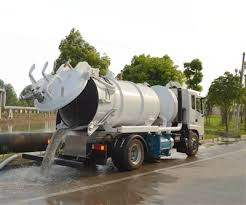
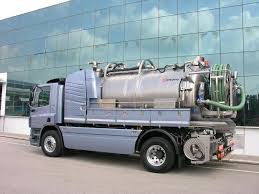
How do you prevent FOG (fats, oils, and grease) and suspended solids from destroying your drain field? You intercept them in the septic tank. This is the entire purpose of routine septic pumping.
When you hire a professional to vacuum out the tank, they are removing the accumulated sludge and scum layers, resetting the tank's liquid capacity. If you have a standard residential system, you should review the 1000 gallon septic tank pumping cost to budget appropriately.
Depending on your household size, this needs to happen every 3 to 5 years. For a comprehensive look at national averages and hidden fees to watch out for, check out our complete 2026 guide to septic pumping costs.
- Cost of Routine Pumping: $300 – $600 (Every 3-5 Years)
- Cost of Total Drain Field Replacement: $7,000 – $20,000+ (One-Time Disaster)
Spending a few hundred dollars today is the ultimate insurance policy against spending twenty thousand dollars tomorrow.
7. Rules for Landscaping Over a Leach Field
Finally, you must protect your drain field from physical and botanical threats. The area over your field should be treated as a sensitive ecological zone.
- Never Drive Over It: Do not allow cars, heavy machinery, or even heavy riding lawnmowers to park on the drain field. The weight will compact the soil, crushing the void spaces needed for water absorption, and can even crack the PVC pipes.
- Do Not Build Structures: Patios, decks, above-ground pools, and sheds must never be placed over the field. They block oxygen from reaching the soil and make repairs impossible.
- Beware of Trees: Tree roots are aggressive and constantly search for water and nutrients. The roots of a willow or maple tree will detect the nutrient-rich water of the drain field, wrap around the pipes, infiltrate the perforations, and shatter the system.
What SHOULD you plant? Grass. A healthy layer of grass is the best cover for a drain field. The shallow roots help absorb excess moisture and prevent soil erosion, while allowing oxygen to easily pass down into the biomat.
Conclusion: Protect Your Investment
Your septic drain field is a marvel of natural engineering, relying on billions of microscopic bacteria to safely process wastewater and protect the local environment. By managing your water usage, keeping harsh chemicals out of the drain, and committing to a strict septic tank pumping schedule, you can protect the delicate biomat from ruin.
Treat your drain field with respect, and it will serve your property silently and efficiently for decades to come.
Is Your System Overdue?
Don't wait for raw sewage to appear in your yard. Find out exactly how much it will cost to pump your tank and protect your drain field today. No obligations, just honest local quotes.