
Emergency Well Pump Repair in Wharton, TX
Folks out here in Wharton know the truth: groundwater ain’t always a blessing without some hard work. We deal with some unique challenges that folks in other parts of Texas just don’t understand. High humidity, heavy clay, and those long, hot summers put a real strain on well systems. It’s not just about pulling water; it’s about making sure your pump can handle the conditions.
Our primary water source comes from the Gulf Coast Aquifer system, which means sand is a constant companion. This aquifer is made up of layers of sand, silt, and clay, and while it provides plenty of water, that sand can be mighty abrasive on pump components if not managed correctly. Understanding these local geological conditions is key to a lasting pump repair.
That’s why you can’t skimp on your pump here. I’ve seen countless cheap pumps fail within a year or two because they simply aren’t built to withstand the sand content, the fluctuating water table, or the continuous demand of a Texas property. Investing in quality upfront saves you a heap of headaches and money down the line.
Fast Local Service & Diagnostics
Calls are routed to a licensed local well professional.
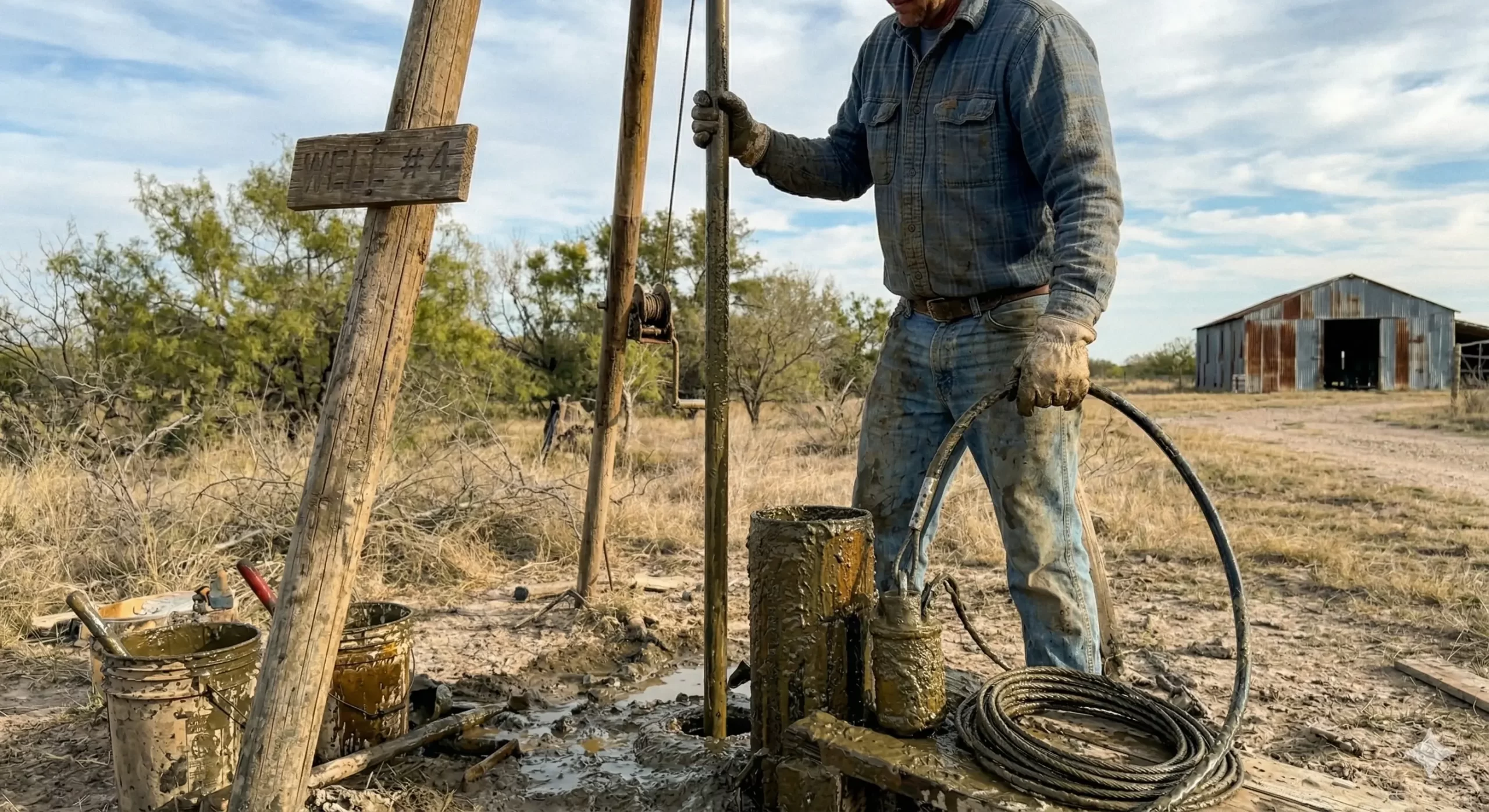
Well Pump Repair in
Wharton
Wharton & Wharton County Well Stats
Wharton County has a significant number of private domestic wells, alongside agricultural and municipal wells, drawing primarily from the Gulf Coast Aquifer. Many domestic wells are between 150-400 feet deep. We see a steady demand for well drilling and pump services, with a noticeable increase during drought periods as water tables drop, putting more strain on existing pumps.
Pulling a pump in Wharton County often involves dealing with deep-set equipment, heavy clay, and sometimes unstable sandy formations that can make retrieval a tricky, time-consuming affair. Unlike areas with solid rock formations, our wells here can be in unconsolidated material, requiring careful handling to prevent bore collapse or equipment hang-ups. The cost reflects the specialized skill & the time involved.
A proper pump pull and replacement requires heavy-duty well service rigs, often a crane for deeper wells, specialized pump hoists, and a full crew. We also have to account for the cost of replacement parts, which for quality submersible pumps, aren’t cheap. Factor in travel time for a specialized crew to your rural property, and you start to see why it adds up.
Spring Well Maintenance in Texas
Heavy spring rains can cause surface runoff to breach well caps. We strongly recommend testing your water for coliform bacteria and inspecting the sanitary seal.
Save $500+ on Replacements
Via the TX Energy Co-op VFD Upgrade Program
77°F in Wharton
Local Aquifers & Geology
The primary groundwater sources in Wharton include the The Gulf Coast Aquifer system, specifically the Chicot and Evangeline aquifers. These are primarily composed of sand, silt, and clay layers. The Chicot, being shallower, often has higher sand content and can be prone to saltwater intrusion closer to the coast. The Evangeline provides generally better quality water but requires deeper drilling. Water levels can fluctuate significantly based on seasonal rainfall & irrigation demand.. Drilling through the local Wharton County is characterized by highly fertile, heavy clay soils, particularly Lake Charles clay and Bernard clay loam, which are common in our agricultural areas. We also have some lighter sandy loams and loamy sands, especially closer to riverbeds and ancient terraces. These soils can be challenging for well drilling, often requiring careful casing and grouting due to their expansive properties when wet and tendency to shift. means that average well depths range from 150 ft – 450 ft (deeper for irrigation or higher yield needs).
Due to these geological factors, local homeowners frequently struggle with Sand abrasion leading to premature pump and motor failure is, without a doubt, the number one mechanical failure reason for pumps in Wharton. The fine sand found in the Gulf Coast Aquifer grinds away impellers, diffusers, and motor housings over time, causing reduced performance and eventual burnout..
Drilling Depth Comparison
Deeper wells require heavy-duty crane hoists for pump extraction.
Climate & Water Quality
Pump systems in the Wharton area face severe environmental stressors. The most significant threat is Our climate here, with its scorching summer heat and high humidity, takes a toll. High ambient temperatures can cause submersible pump motors to overheat, especially if they’re already struggling with low voltage or excessive sand. Heavy rainfall, while rare in droughts, can lead to surface water intrusion into poorly sealed wellheads, contaminating water and damaging electrical components. The constant freeze/thaw cycles we sometimes get can also crack exposed pipes and pressure tanks.
Additionally, the raw groundwater often presents issues with Common issues include moderate hardness, elevated iron content causing staining, and occasionally hydrogen sulfide (sulfur) gas giving water a ‘rotten egg’ smell. But by far, the most prevalent problem for well equipment is fine sand, which contributes heavily to pump wear..
Regional Groundwater Advisory
Known primary contaminant threat to submersible pumps and pipes in this area:
Common Area Systems
VFD Upgrade Savings
Constant Pressure vs StandardReplacing a standard single-speed pump with a Variable Frequency Drive (VFD) eliminates hard starts and drastically reduces energy draw in Texas.
Compliance & Local Permits
Wharton County Level: Wharton County falls under the jurisdiction of the Coastal Bend Groundwater Conservation District (CBGCD). You’ll need a permit for drilling new wells, deepening existing wells, or significantly altering well usage, especially if the well’s pumping capacity exceeds a certain threshold (often 10,000 gallons per day). There are specific rules regarding well spacing, well capping, and annual reporting for larger users. Always check with the CBGCD before starting any major well project to ensure compliance and avoid fines. They’re primarily focused on conserving & protecting the aquifer.
Top Pump Brands in Texas
Most frequently installed hardware based on local geology (2026 data).
- Measure static and pumping water levels to assess aquifer health.
- Check pump motor amperage and voltage against manufacturer specifications.
- Inspect pressure tank for proper air charge and bladder integrity.
- Test well output (GPM) & discharge pressure at various points.
- Examine all above-ground plumbing, electrical connections, & wellhead seal.
- Sample water for common issues like sand, iron, & hardness.
Premium Well Pump Brands We Service
Our licensed technicians in Wharton are certified to repair, replace, and install high-quality groundwater equipment from industry-leading manufacturers, including:
- No water at all, or only a trickle from the faucet.
- Pump cycles on and off frequently, even with no water being used.
- Water pressure drops significantly or is inconsistent.
- Cloudy or sandy water coming from the tap.
- Humming or grinding noises coming from the wellhead or pressure tank area.
- Higher than usual electricity bills without increased water usage.
Wharton Real Estate Well Regulations
Local Dispatch & Response Times
Live Dispatch: Texas
Updated Just Now⚠️ High demand. Call now to secure the next available technician.
- Typically within 2-4 hours for initial assessment if we have a crew available.
- Full repair might require a longer lead time, especially for specialized parts.
- After-hours & weekend calls incur premium rates, but we aim to restore water ASAP.
- Factors like distance to rural properties and weather conditions can impact response.
- We prioritize medical needs, livestock, & critical infrastructure first.
⚠️ Wharton County & State Regulatory Warning: Abandoned Wells
Pump Lifespan Estimator
Select household size in Wharton to see strain impact.
The Cost of Ignoring Symptoms
Fixing a short-cycling pump early saves thousands in Wharton.
Data reflects average well contractor estimates in Wharton.
Groundwater Threat Level
Current aquifer and mineral impact on pumps in Wharton.
Dropping water tables cause pumps to suck air and overheat.
Hard water calcifies pump impellers, reducing lifespan.
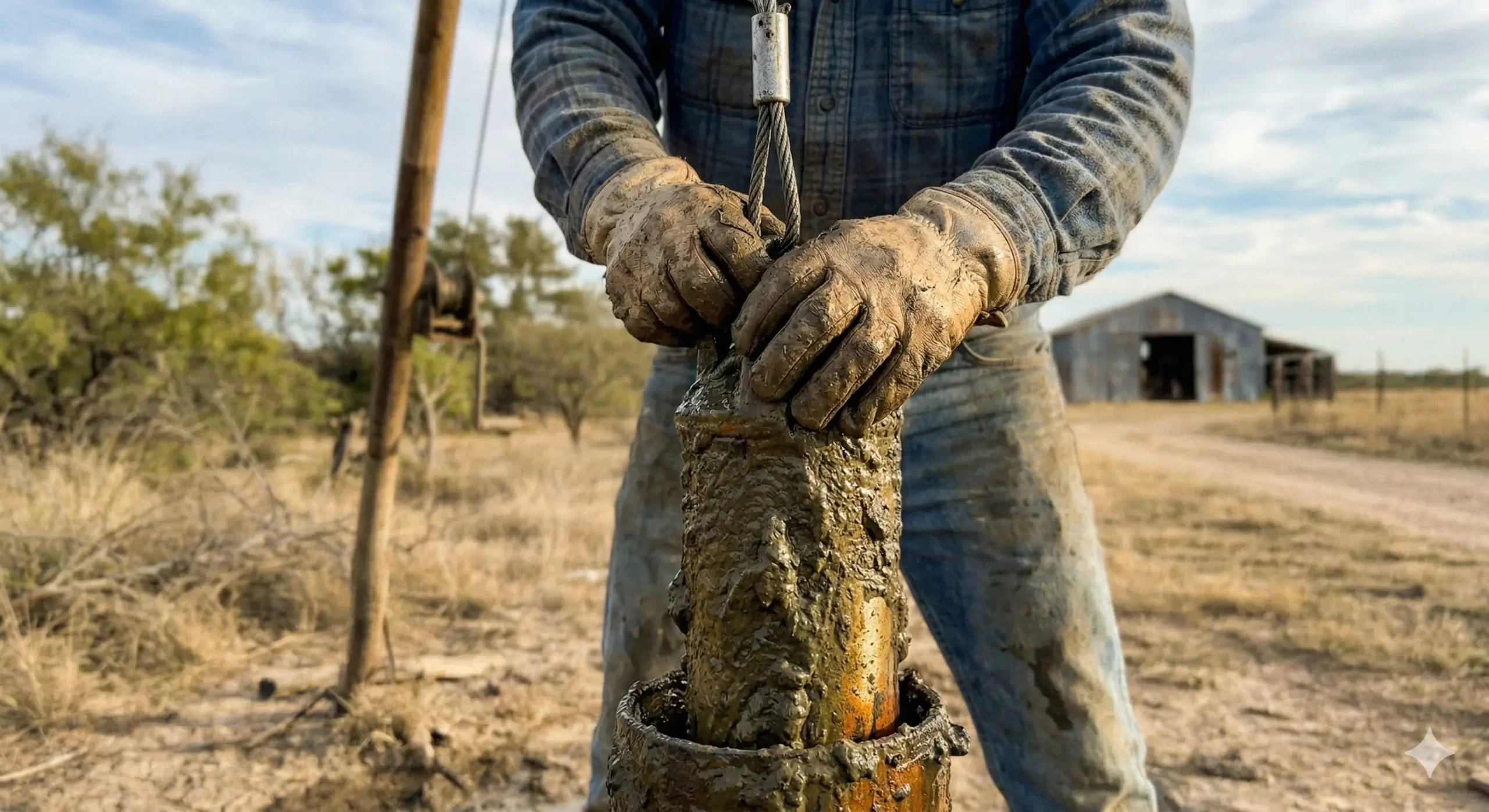
Local Wharton
Well Pros
Fast Local Service & Diagnostics
Calls are routed to a licensed local well professional.
Septic System Services in Wharton, TX
Do you have a septic tank on your property? Proper maintenance is critical to protecting your well water quality.
Wharton Homeowner Feedback
“Old Man Johnson: “My well went out last Tuesday, right when I needed water for the cattle. Called ’em up, and they were out here quick. Got my water back same day. Good folks, know their business.””

Local Homeowner
✓ Verified TX
“Sarah K.: “We’d been having trouble with our water pressure for months. It’d start strong, then just peter out, and the well pump was clicking on and off constantly. I thought the pump was shot. Called these guys and they came out, checked everything. Turns out, my pressure tank was waterlogged and the switch was bad. They replaced both and tightened up some loose wiring. Now, the water’s flowin’ like it should, strong & steady. So glad I didn’t have to replace the whole pump. Really know their stuff, no messing around, just fixed it right. Plus, they explained what was rong with the old one.””

Local Homeowner
✓ Verified TX
“The Millers: “Lost water late Saturday night. Panicked, but these guys answered the phone. Had a tech out by Sunday morning, diagnosed the problem (a blown motor), and had a new pump installed before dinner. Can’t beat that kind of service when you’re in a bind!””

Local Homeowner
✓ Verified TX
Expert Wharton Well System FAQ
Why does my well water in Wharton sometimes have a sandy or gritty texture, and what can I do about it?
That sandy texture is a common issue with wells drilled into the Gulf Coast Aquifer, which is made up of fine sand and clay. It usually means your pump is either pulling in too much sand, or your well screen isn’t doing its job effectively. It could be due to the pump being set too low in the well, an eroded well screen, or even improper well development. We’d start by inspecting the well’s condition with a camera, checking the pump’s depth, and performing a flow test to assess sand production. Solutions range from adjusting pump depth, installing a sand separator, or in more severe cases, rehabilitation of the well bore or installing a new well screen.
I’m looking to buy a rural property near Boling, just outside Wharton. What specific well inspection items should I prioritize given the local conditions?
When buying property around Boling, you’ll definitely want a comprehensive well inspection. Beyond the standard flow test and water quality analysis for bacteria & nitrates, specifically ask for tests for iron, manganese, and hardness, as these are prevalent in our area. Crucially, ask for an inspection that assesses for sand production during pump operation, as this is a major factor for pump longevity here. Also, ensure the well casing is properly sealed above ground level to prevent surface contamination, which is vital with our heavy clay soils and potential for flooding. Check the age & type of pump, and the condition of the pressure tank & controls. A well camera inspection is a smart investment to check the well bore integrity & screen condition.
My water pressure drops when I run multiple fixtures, even though the pump seems to be running constantly. Is this a pump issue or something else?
That’s a classic symptom that can point to a few different issues. If your pump is running constantly but your pressure still drops, it could indicate a failing pump (loss of prime or worn impellers), a waterlogged pressure tank, a leak in your water lines, or a problem with your pressure switch. The pressure tank is often the culprit; if it’s lost its air charge or has a ruptured bladder, it can’t store pressure effectively, causing the pump to short cycle and pressure to fluctuate. We’d start by checking the pressure tank’s air charge and the pressure switch’s settings, then move on to evaluating the pump’s performance with a pressure gauge and amp meter.
How often should I have my well pump system serviced in Wharton to avoid major breakdowns?
Given the harsh conditions – the heat, the sand, and the demands on the aquifer – I strongly recommend a professional well system check-up every 1 to 2 years. Regular preventative maintenance can catch small issues before they become expensive breakdowns. During a service visit, we’ll check your pump’s electrical draw, water output, pressure tank charge, wellhead integrity, and look for any signs of wear or potential issues like sand production or mineral buildup. It’s like changing the oil in your truck; it keeps things running smoothly and extends the life of your investment, saving you from a no-water emergency.
Wharton Groundwater Expert AI
What are the specific groundwater regulations, average well depths, and the local conservation district for Wharton, Wharton County?
As a Senior Hydrogeologist and your local Groundwater Regulatory Expert for Texas, I can provide you with precise information regarding residential water wells in Wharton, Wharton County, TX, for the year 2026.
Local Groundwater Conservation District (GCD)
The specific Groundwater Conservation District with jurisdiction over Wharton, Wharton County, is the Coastal Bend Groundwater Conservation District (CBGCD).
- Jurisdiction: The CBGCD encompasses all of Wharton County, along with Matagorda, Jackson, and Calhoun Counties.
- Website: www.cbgcd.org
Specific Groundwater Regulations for Residential Water Wells
Residential water wells in Wharton County are subject to regulations from both the State of Texas and the Coastal Bend Groundwater Conservation District.
State Regulations (Texas Department of Licensing and Regulation - TDLR)
All water well drilling and completion in Texas must comply with state standards, regardless of whether a local GCD also regulates them. The TDLR is responsible for licensing water well drillers and pump installers, and for enforcing minimum well construction standards.
- Driller Licensing: All drillers operating in Texas must be licensed by the TDLR, as mandated by Texas Water Code Chapter 32.
- Construction Standards: Residential wells must adhere to specific construction standards outlined in 16 Texas Administrative Code (TAC) Chapter 76. These standards cover aspects such as casing materials, cementing requirements, and proper wellhead completion to protect groundwater quality.
- Well Report Submission: By law, a licensed driller must submit a "Driller's Log and Well Report" to the TDLR and the Texas Water Development Board (TWDB) within 90 days of well completion. This report documents the well's construction, depth, and geological formations encountered. A copy is also typically forwarded to the relevant GCD (CBGCD in this case).
- TDLR Water Well Driller Program: For more information, visit the official TDLR website: www.tdlr.texas.gov/wwd/wwd.htm
Local Regulations (Coastal Bend Groundwater Conservation District - CBGCD)
The CBGCD has its own set of rules and regulations designed to conserve, preserve, and protect the groundwater resources within its jurisdiction. For residential wells (defined as wells used solely for domestic use):
- Exempt Well Status: According to CBGCD District Rule 6.1, a well used solely for domestic use (not exceeding 25,000 gallons per day) or for watering livestock is generally exempt from requiring an operating permit for groundwater production.
- Well Registration Required: Even though exempt from an operating permit, all new wells, including domestic wells, must be registered with the Coastal Bend Groundwater Conservation District. This ensures the District has a comprehensive inventory of all wells in the county. The driller typically handles this registration as part of the well report submission.
- Well Spacing and Location (Setbacks): CBGCD District Rule 7.3 establishes minimum spacing requirements to prevent contamination and interference between wells. For residential wells, typical setback requirements include:
- 100 feet from a property line.
- 50 feet from a septic tank.
- 150 feet from a septic drainfield.
- CBGCD District Rules: You can access the official District Rules, adopted September 13, 2023, directly from their website: CBGCD District Rules (PDF)
Average Well Depths and Aquifer Information
Specific Aquifer
The primary groundwater source beneath Wharton, Wharton County, is the Gulf Coast Aquifer System. Specifically, residential wells in this area typically draw from the shallower units of this system, predominantly the Chicot Aquifer and the Evangeline Aquifer.
Average Well Depths
Based on historical well logs from the Texas Water Development Board (TWDB) for Wharton County, residential water wells generally range in depth from approximately 250 to 450 feet. A realistic average well depth for residential use in Wharton is approximately 350 feet.
It's important to note that actual well depth can vary significantly based on the specific location within Wharton County, the desired yield, and the target aquifer zone chosen by the driller. Some wells may need to go deeper to access higher quality or quantity of water.
You can research specific well logs and reports via the TWDB's Groundwater Data program:
- TWDB Groundwater Data Interactive Map: www.twdb.texas.gov/groundwater/data/gwdbrpt/gwdrpt.asp (This tool allows you to search for existing well reports by county or location.)
Important Resources and Next Steps
Before proceeding with drilling a new residential water well, I strongly advise the following:
- Contact the Coastal Bend Groundwater Conservation District: Reach out to the CBGCD directly to discuss your plans, confirm the latest regulations, and inquire about any specific local requirements or permitting forms that may be needed for your property.
- Hire a Licensed Well Driller: Ensure any driller you contract is currently licensed by the TDLR. They will be knowledgeable about state and local regulations and proper well construction techniques.
- Review CBGCD Rules: Carefully read the full Coastal Bend Groundwater Conservation District Rules, particularly sections concerning exempt wells, registration, and spacing.
These steps will help ensure your residential water well is installed correctly, legally, and provides a sustainable water supply.
Fast Local Service & Diagnostics
Calls are routed to a licensed local well professional.
Blix
provides official
Emergency Well Pump Repair services for the
Wharton
area.