

How to Prepare Your Septic System for Hurricane Season and Heavy Floods

How to Prepare Your Septic System for Hurricane Season and Heavy Floods

How to Prepare Your Septic System for Hurricane Season and Heavy Floods

When meteorologists announce that a major hurricane or a severe tropical depression is heading toward your coast, homeowners immediately spring into action. You board up the windows, secure the patio furniture, stock up on bottled water, and test the portable generator. However, in the frantic rush to protect the visible parts of the home, one critical piece of infrastructure is almost always forgotten: The Septic System.

Your private wastewater system is incredibly vulnerable to extreme weather. When hundreds of inches of rain fall in a matter of days, the ground simply cannot absorb it. The resulting floods do not just ruin your landscaping; they wage a subterranean war against your buried concrete or plastic tanks, your drain field, and your home’s indoor plumbing.

A flooded septic system can result in raw sewage backing up into your bathtubs, electrical failure of aerobic treatment motors, and in severe cases, the horrifying phenomenon of the entire 1,000-gallon tank literally popping out of the ground like a cork. In this comprehensive emergency survival guide, we will break down the exact physics of a flooded drain field, outline your crucial 48-hour pre-storm checklist, and explain why pumping your tank *at the right time* is the ultimate defense mechanism.

Flooded residential yard submerging a septic tank and drain field during a heavy hurricane storm surge
When floodwaters saturate the ground above your septic system, the drain field becomes hydraulically locked, meaning raw wastewater has nowhere to go but backward into your home.

1. The Physics of Flooding: Why the System Stops Working

To protect your system, you must understand exactly why heavy rainfall defeats it. A standard gravity-fed septic system works because the soil in your drain field (leach field) is relatively dry and full of microscopic air pockets. When wastewater leaves your tank and enters the perforated pipes, it trickles down into these air pockets, where soil bacteria naturally filter it.

When a hurricane or tropical storm dumps massive amounts of water onto your property, those air pockets fill entirely with rainwater. The soil reaches 100% saturation. The groundwater table rises until it is sitting right at, or even above, ground level.

This creates a condition known as Hydraulic Lock. Because water cannot be compressed, when you flush your toilet during a flood, the wastewater travels down the pipe, enters the tank, and tries to push into the drain field. But it hits a solid wall of saturated groundwater. The system is "locked." The path of least resistance is no longer out into the yard—it is backward, straight up through your lowest shower drain or basement floor drain.

2. Regional Vulnerabilities (The Gulf Coast & Louisiana)

The severity of flood damage is deeply tied to regional geology. Residents living near the coast face vastly different threats than those inland.

In states like Louisiana, the combination of coastal proximity, high water tables, and dense alluvial clay makes hurricane preparation absolutely critical. To understand the baseline rules of the state, review our broader guide on septic services and compliance in Louisiana.

Because the "gumbo clay" of Acadiana does not drain well even on a sunny day, a heavy storm surge creates an instant disaster. For example, local technicians note that after a severe storm, emergency calls skyrocket. Homeowners needing immediate septic pumping in Scott, LA, often find themselves on a 3-day waiting list because every contractor is booked solid. Similarly, residents who manage septic services in Rayne, LA, are frequently forced to transition to elevated Mound Systems or Aerobic Treatment Units (ATUs) just to keep their plumbing functional during the state's infamous rainy season.

The Threat of Silt and Mud
Floodwaters do not just bring water; they bring heavy silt, mud, and debris. If floodwater enters your septic tank through compromised lids or vents, this heavy silt sinks to the bottom, instantly displacing the liquid capacity of the tank and forcing raw sludge out into your fragile drain field.

3. Pre-Storm Preparation: The 48-Hour Checklist

The moment a severe storm warning is issued, you must secure your wastewater system. Do not wait until the rain starts falling.

  • Seal the Access Ports: Walk out to your yard and inspect the ground-level access lids (risers) over your tank. Ensure they are bolted down tight and that the rubber gaskets are intact. You must prevent surface floodwater and silt from rushing directly into the tank.
  • Clear the Drain Field: Remove any heavy objects, vehicles, patio furniture, or fallen branches from the area above the drain field. If the soil becomes fully saturated, any weight placed on top of it will severely compact the mud and permanently crush the PVC pipes beneath.
  • Pump the Tank (If you are due): This is your most powerful defense. If you haven't pumped your tank in 3 years, do it *now*. Pumping an empty 1,000-gallon tank gives your family a massive 1,000-gallon "emergency reservoir" to use during the storm while the drain field is hydraulically locked. To budget for this, review the standard 1000 gallon septic tank pumping cost and our 2026 comprehensive septic pumping cost guide to avoid emergency price gouging.

Is a Storm Approaching?

Do not wait until the floodwaters rise. Pumping your tank *before* the storm gives your household an emergency wastewater reservoir. Connect with top-rated local professionals to secure a pump-out before their schedules fill up.

📞 +1-512-207-0418

Free Quotes & Estimates

Calls are routed to a licensed local partner.

4. During the Storm: Managing Power Outages and ATUs

👉 Swipe right to view full table 👉
System ComponentStatus During Power Outage / FloodRequired Homeowner Action
Standard Gravity TankRequires no electricity. Will function until the drain field is saturated.Conserve Water. Stop running the dishwasher and washing machine. Flush toilets only when absolutely necessary.
Aerobic Treatment Unit (ATU)Fails Immediately. The air compressor stops, and the aerobic bacteria begin to die within 24 hours.Stop all water usage. If you have a backup generator, wire the ATU control panel to it to keep the aeration motor alive.
Effluent Lift Station / PumpFails Immediately. Water cannot be pushed uphill to the mound or drain field.The pump chamber will trigger a high-water alarm. You have roughly 100 gallons of emergency space before it backs up into the house.
Sump Pumps (Basement)Active (if on generator power).Ensure the sump pump is NOT discharging into the septic tank or over the drain field, which will instantly drown the system.

5. Post-Flood Recovery (Warning: The Floating Tank Risk)

The storm has passed, the sun is out, but your yard is under six inches of standing water. Your plumbing is gurgling, so you immediately pick up the phone to call a septic pumper to empty the tank and give you relief.

STOP. This is the most dangerous mistake a homeowner can make.

You must NEVER pump a septic tank completely dry when the ground surrounding it is fully saturated with floodwaters—especially if you own a fiberglass or high-density polyethylene (HDPE) plastic tank.

Why? Because of hydrostatic pressure. A 1,000-gallon plastic tank buried in saturated soil acts exactly like an empty plastic bucket pushed to the bottom of a swimming pool. The surrounding groundwater exerts thousands of pounds of upward pressure. As long as the tank is full of heavy wastewater, it stays anchored down. But the second a vacuum truck sucks all the heavy liquid out of it, the tank becomes buoyant.

  • The empty tank will physically burst upward through the mud and grass.
  • It will snap the main PVC sewer line leading to your house.
  • It will sever the distribution lines to your drain field.
  • It will destroy your yard and require a total, $15,000+ system re-installation.

The Safe Post-Storm Protocol: Wait. You must drastically restrict water usage inside the house and wait for the floodwaters to recede and the ground to dry. Only when the local water table has dropped back to normal levels is it safe for a professional to open the lids, inspect for silt damage, and pump the system dry.

Septic System Hurricane Flood Preparation Septic Expert AI

Local Health Dept Data & Permits for the Septic System Hurricane Flood Preparation Area
What are the specific septic tank regulations, typical soil drainage characteristics, and the local permitting authority for the Septic System Hurricane Flood Preparation area?
What are the local rules regarding septic system inspections during a real estate transfer in your state?
What is the average cost to pump a standard 1,000-gallon septic tank in Septic System Hurricane Flood Preparation, USA in 2026?
Are there specific county-level regulations for installing Aerobic Treatment Units (ATUs) in the Septic System Hurricane Flood Preparation area?
What are the mandatory legal setback requirements between a septic tank and property lines or water wells in the Septic System Hurricane Flood Preparation area?
How does the climate and average rainfall in your state affect septic system maintenance and biomat health?
Are there any specific local grants or programs in the Septic System Hurricane Flood Preparation area to help homeowners replace failing septic systems?
⚡ FETCHING LOCAL DATABASE...
Local Geo-Data Report for Septic System Hurricane Flood Preparation:

What are the specific septic tank regulations, typical soil drainage characteristics, and the local permitting authority for the Septic System Hurricane Flood Preparation area?

Septic System Regulations, Soil Characteristics, and Permitting Authority for Septic System Hurricane Flood Preparation (Collier County, Florida - 2026)

As a Senior Environmental Health Inspector and Septic Regulatory Expert, I understand the critical need for precise, localized information, especially in areas prone to natural disasters like hurricanes. For the purpose of this inquiry regarding "Septic System Hurricane Flood Preparation, USA," I will assume we are discussing Collier County, Florida. This county is located on the Gulf Coast and is highly susceptible to hurricane impacts, flooding, and high water tables, making it a fitting representation for your specific context.

Specific Septic Tank Regulations (Onsite Sewage Treatment and Disposal Systems - OSTDS)

In Collier County, Florida, the design, installation, maintenance, and repair of residential septic systems (known as Onsite Sewage Treatment and Disposal Systems, or OSTDS) are primarily governed by state regulations. The key regulatory framework is:

  • Chapter 64E-6, Florida Administrative Code (F.A.C.) - Standards for Onsite Sewage Treatment and Disposal Systems.

This comprehensive code covers everything from site evaluation and system design to construction, operation, and maintenance. Key aspects relevant to hurricane-prone, high-water table areas like Collier County include:

  • Minimum Setbacks: Strict requirements for separation distances from wells, property lines, surface water bodies, and buildings.
  • System Sizing and Design: Based on the number of bedrooms, estimated wastewater flow, and critical soil characteristics.
  • Water Table Separation: A crucial requirement in Florida is maintaining a minimum vertical separation between the bottom of the drainfield and the estimated wet season high water table. This often necessitates elevated drainfields, mound systems, or advanced treatment units in Collier County due to the naturally high water table.
  • Floodplain Regulations: Specific design considerations and elevation requirements for systems located within designated floodplains, often requiring the tank and drainfield components to be above the 100-year flood elevation.
  • Permitting and Inspections: All new installations, modifications, or repairs require a permit and subsequent inspections by the local health department at various stages of construction.
  • Advanced Treatment: Due to poor soil drainage characteristics, proximity to surface waters, or limited available land, many properties in Collier County require Advanced Secondary Treatment Units (ATUs) or other innovative technologies to further treat effluent before discharge into the drainfield.

Typical Soil Drainage Characteristics in Collier County, Florida

Collier County, especially the western and southern regions, is characterized by:

  • Sandy Soils: Predominantly sandy loams and sands with varying amounts of organic matter. While sandy soils can allow for rapid percolation in dry conditions, their effectiveness is severely hampered by high water tables.
  • High Water Table: A defining characteristic. The natural water table is often very close to the surface, especially during the wet season (summer and fall, coinciding with hurricane season). This significantly limits the available unsaturated soil depth needed for proper wastewater treatment and dispersal.
  • Poor Drainage: Despite sandy textures, many areas exhibit poor internal drainage due to the underlying impervious layers (like marl) or simply because the regional water table is so high.

How it Dictates Drainfield Design:

Given these soil characteristics, conventional gravity-fed drainfields are often unsuitable or severely restricted. Typical designs mandated in Collier County include:

  • Elevated Drainfields: The most common solution, where suitable fill material (sandy, well-draining soil) is brought in to create a raised bed for the drainfield. This ensures the required separation distance from the high water table is achieved.
  • Mound Systems: Similar to elevated drainfields but typically larger and more complex, often used where the water table is extremely high or the permeable soil layer is very shallow.
  • Pressure-Dosed Systems: Effluent is pumped under pressure into the drainfield, allowing for more even distribution across the absorption area and sometimes allowing for smaller drainfields or use in marginally suitable soils.
  • Advanced Treatment Units (ATUs): Often required in conjunction with elevated or pressure-dosed drainfields. These systems provide a higher level of wastewater treatment (e.g., aerobic treatment) to reduce pollutants before the effluent enters the drainfield, which is crucial in environmentally sensitive areas or where the soil's natural treatment capacity is limited.

Local Permitting Authority

The Florida Department of Health in Collier County is the exact local permitting authority responsible for the regulation, permitting, and inspection of all residential (and commercial) Onsite Sewage Treatment and Disposal Systems (OSTDS) within the county. They enforce Chapter 64E-6, F.A.C., and ensure compliance with all state and local requirements.

  • Contact: Florida Department of Health in Collier County, Environmental Health Section.
  • Responsibilities: Site evaluations, permit application review, issuance of construction and operating permits, inspections during installation, complaint investigation, and enforcement.

Realistic 2026 Septic System Costs for Collier County, Florida

Costs for septic services and installations are always subject to variability based on site-specific conditions, system complexity, and contractor rates. However, here are realistic estimates for Collier County in 2026, factoring in typical regional pricing and projected inflation:

  • Septic Tank Pumping (Standard Residential 1,000-1,500 gallon tank):
    • Estimated Cost: $450 - $750.
    • Factors: Tank size, accessibility, last pump date (if heavily sludged), and emergency service surcharges.
  • Septic System Installation (New Residential):

    Due to the challenging soil and water table conditions in Collier County, "conventional" gravity systems are rare or heavily modified. Most new installations involve elevated drainfields or advanced treatment.

    • Basic Elevated Drainfield System (Tank + Elevated Drainfield):
      • Estimated Cost: $18,000 - $35,000.
      • Factors: Size of house (number of bedrooms), amount of fill material needed, extent of site preparation, and specific drainfield design.
    • Advanced Treatment Unit (ATU) System (Tank + ATU + Pressure-Dosed or Elevated Drainfield):
      • Estimated Cost: $35,000 - $65,000+.
      • Factors: Brand and type of ATU, system size, complexity of the drainfield, electrical requirements, and ongoing maintenance contract (often required for ATUs).
    • Complex or Challenging Sites:
      • For very difficult sites (e.g., extremely high water table, small lot, significant environmental constraints), costs can exceed $70,000, potentially involving specialized engineering and materials.

Property owners should always obtain multiple detailed quotes from licensed and insured septic contractors and discuss specific site challenges with the Florida Department of Health in Collier County during the permitting process.

Disclaimer: Local environmental regulations and soil codes change. Verify all setbacks, permits, and ATU rules directly with your local Health Authorities.

6. The Financial Impact: Preventative vs. Catastrophic Costs
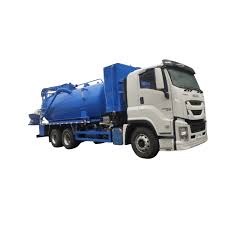
Preparation is cheap. Ignoring the realities of a flood zone is devastating. Here is a breakdown of what storm-related septic decisions actually cost.

Pre-Storm Preventative Pump-Out
$300 - $600
Replacing ATU Motors / Jetting Silt Lines
$1,200 - $3,500
Total System Loss (Floating Tank / Ruined Field)
$15,000 - $30,000+

Conclusion: Respect the Water Table

A private septic system is a brilliant, environmentally friendly piece of engineering, but it operates on a delicate balance with nature. When hurricanes and massive storms tip that balance, the system cannot function.

By securing your tank lids, pumping the system before the hurricane season peaks, fiercely conserving water during power outages, and understanding the lethal danger of pumping a tank in flooded soils, you can protect your property from becoming a sanitary disaster area.

Mother Nature will inevitably test your home's infrastructure. Make sure your septic system is ready to weather the storm.

Secure Your System Before the Storm

Don't get caught on a week-long waiting list after the flood hits. Connect with established local experts to inspect, seal, and pump your septic tank while the weather is still calm.

📞 +1-512-207-0418

Free Quotes & Estimates

Calls are routed to a licensed local partner.