
Real-Life System Failure Case Study: Fayette County, Kentucky
Subject Property: A 1,500-gallon, two-compartment concrete tank installed in 1998, serving a 4-bedroom residence in rural Fayette County, KY. The system’s leach field is situated in soil primarily composed of the Maury silt loam series, known for its high clay content and moderate-to-slow permeability. Initial Complaint: The homeowner reported gurgling drains and sewage backup into the basement shower stall following a 72-hour period of high precipitation, a common scenario in Kentucky’s humid subtropical climate. Diagnostic Procedure: Upon arrival, a visual inspection revealed no surface effluent. The tank lids were located 18 inches below grade, requiring excavation. A core sample of the tank’s contents was extracted using a ‘Sludge Judge’ tool. The analysis revealed a 14-inch sludge layer and a 10-inch scum layer in the primary compartment. Given the tank’s liquid depth of 60 inches, the combined solids (24 inches) represented 40% of the tank’s volume, exceeding the generally accepted 33% threshold for mandatory pumping. Root Cause Analysis: Pumping commenced, removing approximately 1,550 gallons of septage. During the pump-down, inspection of the outlet baffle revealed significant corrosion of the concrete baffle, allowing solid waste to bypass into the second compartment and subsequently into the effluent line. A subsequent video inspection of the line leading to the distribution box (D-box) showed partial occlusion from carried-over solids. This TSS (Total Suspended Solids) carryover had accelerated the formation of an impermeable biomat in the drain field’s trenches, causing the hydraulic overload during the rain event. The initial quote for a standard pump-out ($425) escalated to a final invoice of $975, which included excavation fees ($150), extended pumping time for solids ($75), baffle replacement with a modern PVC sanitary tee ($225), and a high-pressure water jetting of the line to the D-box ($100). This case exemplifies how deferred maintenance transforms a routine pumping cost into a more substantial system repair. ️

Progression of Septic System Failure: A Timeline ⏳

The degradation of an Onsite Wastewater Treatment System (OWTS) is not an instantaneous event but a quantifiable progression. This timeline outlines the typical failure cascade for a 1,250-gallon tank serving a three-bedroom home in Kentucky, assuming a complete lack of pumping maintenance. If you smell sewage or hear gurgling, contact our Amarillo, TX septic repair specialists immediately.
- Phase 1 (Years 1-3): Normal Operation. The system functions as designed. Anaerobic digestion reduces solids volume by approximately 40-50%. Sludge accumulation rate is ~0.05 cubic feet per person per day. The scum and sludge layers occupy less than 25% of the tank’s liquid depth. The effluent filter, if present, requires annual cleaning.
- Phase 2 (Years 4-5): Increased Solids & Early Stress. The combined scum/sludge depth now occupies 30-35% of the tank’s volume. This reduces the hydraulic retention time (HRT) for wastewater, meaning less time for solids to settle. The concentration of Total Suspended Solids (TSS) in the effluent leaving the tank increases from a normal <60 mg/L to over 100 mg/L. The drain field's biomat begins to thicken at an accelerated rate.
- Phase 3 (Years 6-7): Hydraulic Overload & Initial Symptoms. Solids now exceed 40% of tank volume. The outlet baffle is consistently submerged in the scum layer, allowing grease and buoyant solids to escape into the drain field. The homeowner may notice slower drains, particularly after heavy water usage. The soil’s percolation rate has decreased by over 50% due to severe biomat clogging. Hydrogen sulfide (H2S) odors may be intermittently present near the tank or drain field area.
- Phase 4 (Year 8+): Catastrophic Failure & Public Health Hazard. The tank is effectively a pass-through chamber with zero settling capacity. Raw sewage flows directly to the drain field, which is now biologically sealed with a thick, black, anaerobic biomat. The soil can no longer accept any liquid. Effluent surfaces in the yard, creating a public health hazard in direct violation of Kentucky Administrative Regulation 902 KAR 10:085. The system requires a complete drain field replacement, a cost often exceeding $15,000 to $25,000, contingent on soil type and local health department requirements.
Anticipated 2026 Septic Pumping Cost Matrix for Kentucky
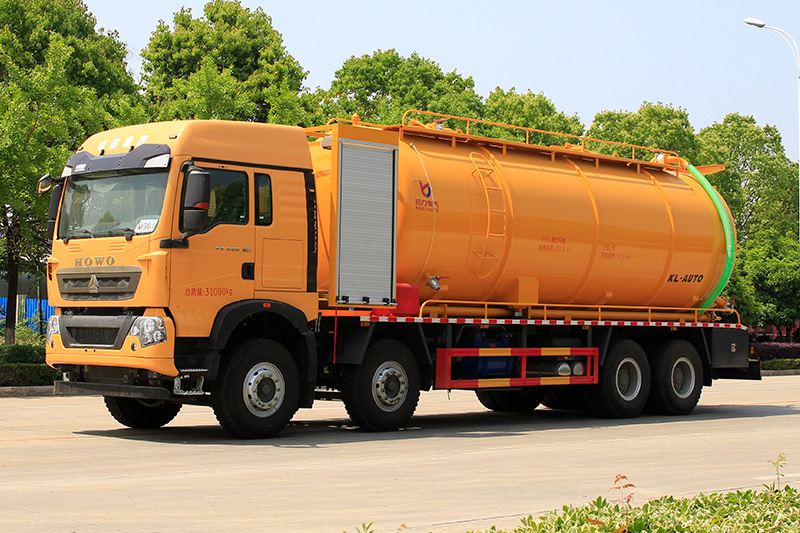
Projecting costs to 2026 requires factoring in anticipated inflation, fuel price volatility (diesel for pumper trucks), specialized labor wage increases, and septage disposal fees at municipal wastewater treatment plants. The following table provides a detailed cost breakdown based on common tank sizes and scenarios within the Commonwealth of Kentucky. All figures are estimates and subject to regional variation, from the Ohio River Valley to the Appalachian foothills. You can find more detailed pricing and local regulations on our dedicated Forney, TX location page.
| Service Component | 1000-Gallon Tank (Standard) | 1500-Gallon Tank (Large) | Notes & Conditions |
|---|---|---|---|
| Base Pumping Fee | $375 – $500 | $550 – $700 | Includes transport up to 20 miles and disposal of standard domestic septage. |
| Per-Gallon Overage Fee | N/A | $0.50 – $0.75 per gallon | Applies if tank is overfilled due to hydraulic issues or groundwater intrusion. |
| Lid Excavation Fee | $75 – $200 | $75 – $200 | Per lid, if more than 6 inches below grade. Price depends on depth and soil type. |
| Effluent Filter Cleaning | $50 – $85 | $50 – $85 | Strongly recommended during every pump-out service. A clogged filter mimics a full tank. |
| Emergency / After-Hours Premium | $200 – $400+ | $200 – $400+ | Flat fee added to the total bill for service outside of standard business hours (e.g., nights, weekends). |
| System Inspection Report | $125 – $250 | $125 – $250 | Often required for real estate transactions. Includes detailed component assessment. |
Advanced Maintenance Protocols Beyond Pumping
Routine pumping is merely the baseline for system longevity. Advanced maintenance involves managing the tank’s internal biome and understanding the chemical inputs from the household. The optimal pH for the anaerobic bacteria responsible for solids digestion is between 6.8 and 7.6. The introduction of high-volume acidic (e.g., certain drain cleaners) or alkaline (e.g., excessive bleach) substances can disrupt this pH balance, killing the bacterial colony and halting solids reduction. Furthermore, water softener backwash introduces high-salinity brine into the tank. This sodium-rich water is denser than the wastewater, sinking to the bottom and interfering with anaerobic digestion in the sludge layer. Homeowners with softeners should ensure the backwash discharge is routed away from the septic system, if permitted by local Kentucky health department codes, which can vary by county. Dealing with a sudden sewage issue? Rely on our emergency septic team in Sunrise, FL.
The use of septic additives is a point of significant contention. Most commercially available additives are bacterial or enzymatic formulations. While they may offer marginal benefits in a struggling system, they are not a substitute for pumping. A healthy, properly sized septic tank cultivates its own robust colony of methanogenic bacteria perfectly suited to its specific influent. Adding external bacteria is often redundant. The most critical maintenance task a homeowner can perform is the regular cleaning of the effluent filter, a simple device in the outlet baffle that prevents larger solids from reaching the drain field. For a typical family of four, this filter should be cleaned every 6-12 months to prevent hydraulic blockage. This single action can extend the life of a drain field by decades. Protect your property value by working with certified septic inspectors in Marrero, LA.
Troubleshooting System Malfunctions: A Diagnostic Tree
Why do so many homeowners misdiagnose septic failures, often leading to unnecessary and costly service calls? The symptoms of various failures frequently overlap. A systematic diagnostic approach is imperative. If you experience slow drains, the first step is *not* to assume the tank is full. The primary check should be the effluent filter. A filter clogged with lint, hair, and biosolids will prevent liquid from exiting the tank, causing a backup that is indistinguishable from a full tank. If the filter is clean, the next step is to assess the drain field’s condition. A simple test involves digging a small hole near the distribution box. The presence of saturated, odorous soil indicates a failure in the drain field’s ability to percolate effluent, likely due to biomat clogging or hydraulic overload from groundwater. Only after these external factors are ruled out should one suspect an internal tank issue, such as a blocked inlet/outlet baffle or a compromised partition wall in a multi-compartment tank. A professional will use a soil percolation test (a ‘perc test’), measuring the rate at which water drops in a test hole (minutes per inch), to quantify the drain field’s hydraulic capacity and confirm failure. This data-driven approach is superior to mere symptomatic guesswork. Discover why so many neighbors recommend our septic tank services in Irving, TX.
Client Testimonials: Kentucky Service Records ⭐⭐⭐⭐⭐
“Our property in Oldham County has challenging clay soil. We experienced a backup during the spring thaw. The technician arrived and immediately performed a sludge core sample, determining the tank was indeed overdue for pumping. But they didn’t stop there. They identified that our washing machine lint filter was non-functional, leading to excessive TSS in the tank. They cleaned our effluent filter, pumped the tank, and provided the exact OEM part number for a new lint filter. This level of technical detail saved our drain field. Five stars for a truly professional, engineering-based approach.”
– Robert M., La Grange, KY ⭐⭐⭐⭐⭐
“I manage a small commercial property in Bowling Green with a high-load system. I was quoted a full drain field replacement for over $20,000. On a second opinion, this team brought out a camera scope. They found the issue wasn’t the field itself, but a crushed section of the 4-inch SDR 35 pipe leading to the D-box, likely from a vehicle. They excavated a small 4’x4′ area, replaced a 10-foot section of pipe, and restored full function for under $1,500. Their diagnostic precision avoided a catastrophic expense. Unquestionably the best in the business.”
– Susan P., Bowling Green, KY ⭐⭐⭐⭐⭐
Frequently Asked Technical Questions (FAQ) ❓
What is the legally required septic tank setback from a private water well in Kentucky?
According to Kentucky Administrative Regulation 902 KAR 10:085, the minimum horizontal separation distance between any part of a septic tank and a private water well or suction line is 50 feet. Furthermore, the absorption field (drain field) must be a minimum of 100 feet from a private water well. These distances are critical to prevent bacteriological contamination of the drinking water source.
How does the frost line in Northern Kentucky (e.g., Boone, Kenton counties) affect septic systems?
The frost line in Northern Kentucky can reach depths of 24-30 inches. State regulations require the top of the aggregate in a drain field trench to be at least 6 inches below the finished grade. The effluent pipe itself must have adequate slope (1/8 to 1/4 inch per foot) to ensure gravity flow and prevent freezing. In winter, a healthy grass cover over the drain field acts as an insulator. Compacting the soil over the system with vehicles can reduce this insulation and increase the risk of pipes freezing, especially during extended periods of sub-freezing temperatures with low snow cover. ️
What is the acceptable Total Suspended Solids (TSS) level in effluent for advanced treatment systems in Kentucky?
For a conventional septic tank, effluent TSS is typically between 45-65 mg/L. However, for advanced aerobic treatment units (ATUs), often required in areas with poor soil or near sensitive watersheds in Kentucky, the performance standards are much stricter. A National Sanitation Foundation (NSF) Standard 40 Class I ATU must produce an effluent with a 30-day average TSS concentration of less than 30 mg/L and a Biochemical Oxygen Demand (BOD5) of less than 30 mg/L. This higher quality effluent is necessary to protect groundwater and prevent rapid failure of specialized drip irrigation or mound system drain fields.
Technically Reviewed By:
BlixBase Master Plumber Team
20+ Years Septic Industry Experience | Certified System Inspectors