

Top Septic Pumping in
Carthage
Carthage Pumping Costs & Data
| Carthage Terrain / Soil Profile | Drainage Capacity | Impact on Wastewater Systems | Maintenance Need |
|---|---|---|---|
| Deep Iron-Ore Red Clay | Extremely Poor | Holds water tightly; saturates easily during heavy spring rains. High risk of surface pooling and drain field failure. | High (Strict interval pumping) |
| Wooded Sandy Loam | Moderate | Drains better initially, but extremely vulnerable to massive tree root intrusion crushing PVC pipes. | Standard (Frequent root mitigation) |
Cost Estimation by Service Profile in Carthage:
| Service Description | Estimated Range | Primary Labor Factors |
|---|---|---|
| Standard Rural Pump-Out | $385 – $500 | Standard evacuation, baffle check, and manual excavation in red clay to uncover lids. |
| Root Extraction & Pumping | $525 – $650+ | Mechanical augering or hydro-jetting to destroy and clear aggressive pine root clogs from the main lines. |
| Gas Field / Workforce Remediation | $600 – $850+ | Pumping high-capacity multi-tank systems, deploying hydro-jetters to destroy dense grease and wipe clogs. |
60°F in Carthage
⚙️ Local Service Details
- Aggressive Root Cutting: Utilizing specialized mechanical augers and high-pressure hydro-jetters to obliterate dense pine and oak roots that have infiltrated baffles and lateral lines.
- Iron-Ore Excavation & Riser Retrofitting: Utilizing heavy digging bars to break through dense, wet red clay to access the tank, followed by the highly recommended installation of PVC surface risers to permanently eliminate future digging fees.
- Commercial Hydro-Jetting: Deploying high-pressure water systems to destroy concrete-like blockages caused by industrial grease and “flushable” wipes that notoriously plague workforce housing.
🌱 Local Environmental Status
When a septic system fails in the Carthage area, the consequences are heavily influenced by the East Texas environment:
- Aggressive Pine Root Annihilation: The towering pine and oak trees that define Panola County possess massive, water-seeking root systems. During the hot Texas summers, these roots relentlessly attack septic tanks and PVC lateral lines, physically crushing pipes and creating impenetrable blockages that force raw sewage back into homes.
- Iron-Ore Clay Saturation: The red clay beneath Carthage holds water with incredible tenacity. During the heavy East Texas winter and spring rains, traditional drain fields become instantly saturated. Because the effluent has nowhere to drain, it pools directly on the surface of the forest floor, creating a severe biohazard and terrible odors.
- Haynesville Shale Workforce Overload: Properties leased to oil and gas workers, including “man camps” and RV setups, subject standard residential septic systems to extreme commercial-level abuse. The rapid accumulation of industrial grease and non-biodegradable “flushable” wipes quickly destroys inlet baffles and burns out expensive lift station pumps.
- Lake Murvaul Watershed Threats: Failing systems located near Lake Murvaul or the Sabine River threaten to release untreated, nutrient-heavy wastewater directly into critical recreational and ecological waterways, triggering immediate environmental citations.
To protect their properties, Carthage homeowners must enforce strict septic protocols:
- Root Mitigation Maintenance: If your system is surrounded by mature timber, you must schedule professional root-cutting or chemical root-foaming treatments every 2-3 years during your routine pump-out to keep your lateral lines clear.
- Commercial Pre-Pumping: Properties hosting high-capacity workforce housing must be professionally pumped annually to prevent grease and wipe clogs from completely destroying the drain field.
📍 Coverage & ZIP Codes
🏡 Real Estate Transactions
Navigating a property sale involving a septic system in Panola County requires diligence:
- Lake Murvaul Environmental Clearances: Appraisers and lenders for waterfront properties demand rigorous proof that the septic system is not leaking into the lake. A full pump-out and a “tightness test” (ensuring the tank doesn’t leak out or let groundwater in) are mandatory to satisfy environmental underwriters.
- VA, FHA & USDA Loan Rigor: Many homes in rural East Texas are sold using government-backed loans. These lenders have zero tolerance for failing septic systems. A simple visual flush test is never accepted; a full pump-out and a licensed TCEQ health inspection are required to secure funding.
- Timber Land Root Inspections: Buyers of homes deeply nestled in the Piney Woods should always demand a structural camera inspection of the drain field. Collapsed lateral lines due to massive pine roots are a common, incredibly expensive surprise that must be caught during the option period.
⚠️ Local Regulatory Warning
Why Carthage is Pumping Now
The data is clear. Residents are prioritizing maintenance, driving up demand for local septic technicians.
Biomat Filtration Load
Saturated earth stresses the bacterial layer in your pipes. Monitor this index to keep your system healthy.
Chronobiology of Tanks
Align your septic pumping with the local dry season in Carthage to drastically improve your drain field life.
Express Pumping Node
We mapped the local fleet. Here is how quickly a 3000-gallon pumper can reach your yard in Carthage.
The Flow Formula
To get the longest life out of your pipes, monitor your strain index closely during Carthage winters.
The Economics of Sludge
Based on average Carthage contractor prices, here is the amount of cash you are risking every year you wait.
Base Drain Field Replacement in Carthage: $12,032
Homeowner Feedback



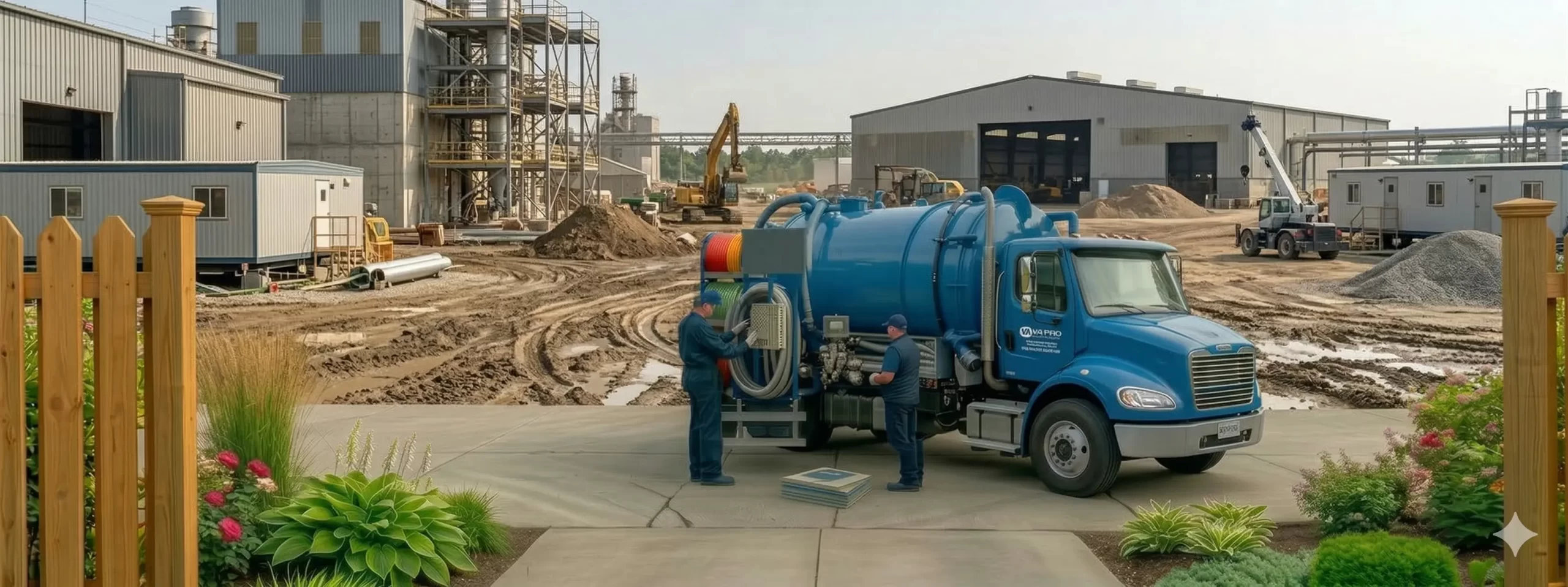
Reliable Septic Services in
Carthage, TX
Carthage Septic Expert AI
What are the specific septic tank regulations, typical soil drainage characteristics, and the local permitting authority for Panola County?
Good day. As a Senior Environmental Health Inspector and Septic Regulatory Expert for the State of Texas, I can provide you with precise information regarding residential septic systems in Carthage, Panola County, for the year 2026.Specific Septic Tank Regulations in Panola County
In Panola County, as with all other counties in Texas, residential On-Site Sewage Facilities (OSSFs), commonly known as septic systems, are primarily regulated by the Texas Commission on Environmental Quality (TCEQ). The foundational regulatory framework is provided by:
- 30 Texas Administrative Code (TAC) Chapter 285 – On-Site Sewage Facilities: This comprehensive chapter dictates all aspects of OSSF management, including application procedures, site evaluation, design criteria, construction requirements, permitting, installation, operation, maintenance, and disposal of sewage. This is the bedrock regulation that all local authorities and installers must adhere to.
Key requirements under 30 TAC Chapter 285 include, but are not limited to:
- Permitting: A permit must be obtained from the local permitting authority before any OSSF construction, alteration, or repair can begin.
- Site Evaluation: A detailed site evaluation must be conducted by a licensed professional (e.g., a Registered Sanitarian or Professional Engineer) to determine soil characteristics, water table depth, proximity to water bodies, and other factors crucial for system design.
- Design Requirements: Systems must be designed by a licensed professional to match the specific site conditions, projected wastewater flow (based on the number of bedrooms), and soil absorption capabilities. Designs must ensure adequate treatment and dispersal of effluent to protect public health and the environment.
- Installation: Installation must be performed by a licensed OSSF installer and inspected by the permitting authority.
- Maintenance: All OSSF owners are responsible for regular maintenance, including periodic pumping of the septic tank, typically every 3-5 years depending on usage, and ensuring the drain field or treatment unit is functioning correctly. Aerobic treatment units (ATUs) require quarterly maintenance inspections by a licensed maintenance provider.
Typical Soil Drainage Characteristics in Carthage, Panola County
Carthage is situated in the East Texas Piney Woods region, and the soil characteristics in Panola County are largely influenced by its geological history as part of the Western Gulf Coastal Plain. The typical soil profiles present a mix of textures that significantly dictate OSSF drain field design:
- Surface/Upper Horizons: You will commonly encounter sandy loams and loamy fine sands (e.g., Darco, Lilbert series) in the upper soil horizons. These soils generally exhibit good to moderate permeability, which is favorable for conventional drain field absorption.
- Subsurface/Lower Horizons: Deeper in the soil profile, often within 2-4 feet of the surface, it is very common to encounter more restrictive layers. These can include:
- Heavy Clays: Many soils transition to sandy clay loams or heavy clay subsoils (e.g., Bowie, Nacogdoches series or similar clayey substrata). These clay layers have significantly lower permeability, meaning water drains very slowly. This requires larger drain field footprints, or often, alternative system designs.
- Plinthite/Fragipan Layers: A specific challenge in East Texas is the presence of plinthite (a reddish, iron-rich, firm material) or fragipan (a dense, brittle, and slowly permeable layer) at varying depths. These layers can severely impede downward water movement, acting as an impermeable barrier.
- Water Table: Panola County can experience a seasonally high water table, particularly in lower elevations, floodplains, or during periods of heavy rainfall. A high water table (within 2-5 feet of the surface) is a critical limiting factor as septic effluent must be adequately separated from groundwater to prevent contamination.
Impact on Drain Field Design:
Due to these soil characteristics, especially the common presence of restrictive clay layers or a seasonally high water table, conventional gravity-fed drain fields are often not suitable or require very large absorption areas. In Carthage and Panola County, it is common for site evaluations to necessitate:
- Aerobic Treatment Units (ATUs): These systems provide a higher level of treatment than conventional septic tanks and are often used when soil conditions are poor. They are typically paired with surface application (spray or drip irrigation) or sometimes a low-pressure dosing (LPD) drain field.
- Low-Pressure Dosing (LPD) Systems: These distribute effluent more evenly over a larger drain field area, which can be beneficial in moderately permeable soils.
- Drip Irrigation Systems: Ideal for sites with very shallow soil depth to a restrictive layer or high water table, as they apply treated effluent directly into the upper soil profile.
- Mounded Systems: In cases of very poor drainage or a high water table, effluent is pumped into an engineered mound of sand and gravel constructed above the natural grade, providing the necessary absorption and separation.
The specific design for your property will be determined by a licensed OSSF designer after a thorough site and soil evaluation.
Local Permitting Authority for Panola County
For residential septic systems in Panola County, the local permitting authority is the Panola County Designated Authorized Agent for On-Site Sewage Facilities. This agent is an individual or firm designated by the Panola County Commissioner's Court and approved by the TCEQ to administer the OSSF permitting program within the county under the guidelines of 30 TAC Chapter 285.
To obtain a permit, you would typically initiate contact with this office. They will guide you through the application process, provide lists of licensed site evaluators, designers, and installers, and conduct the necessary inspections during and after construction.
It is crucial to engage with this authority early in your planning process to ensure compliance with all state and local requirements.