

Comprehensive Cost Analysis for Institutional Onsite Wastewater Treatment Systems (OWTS)
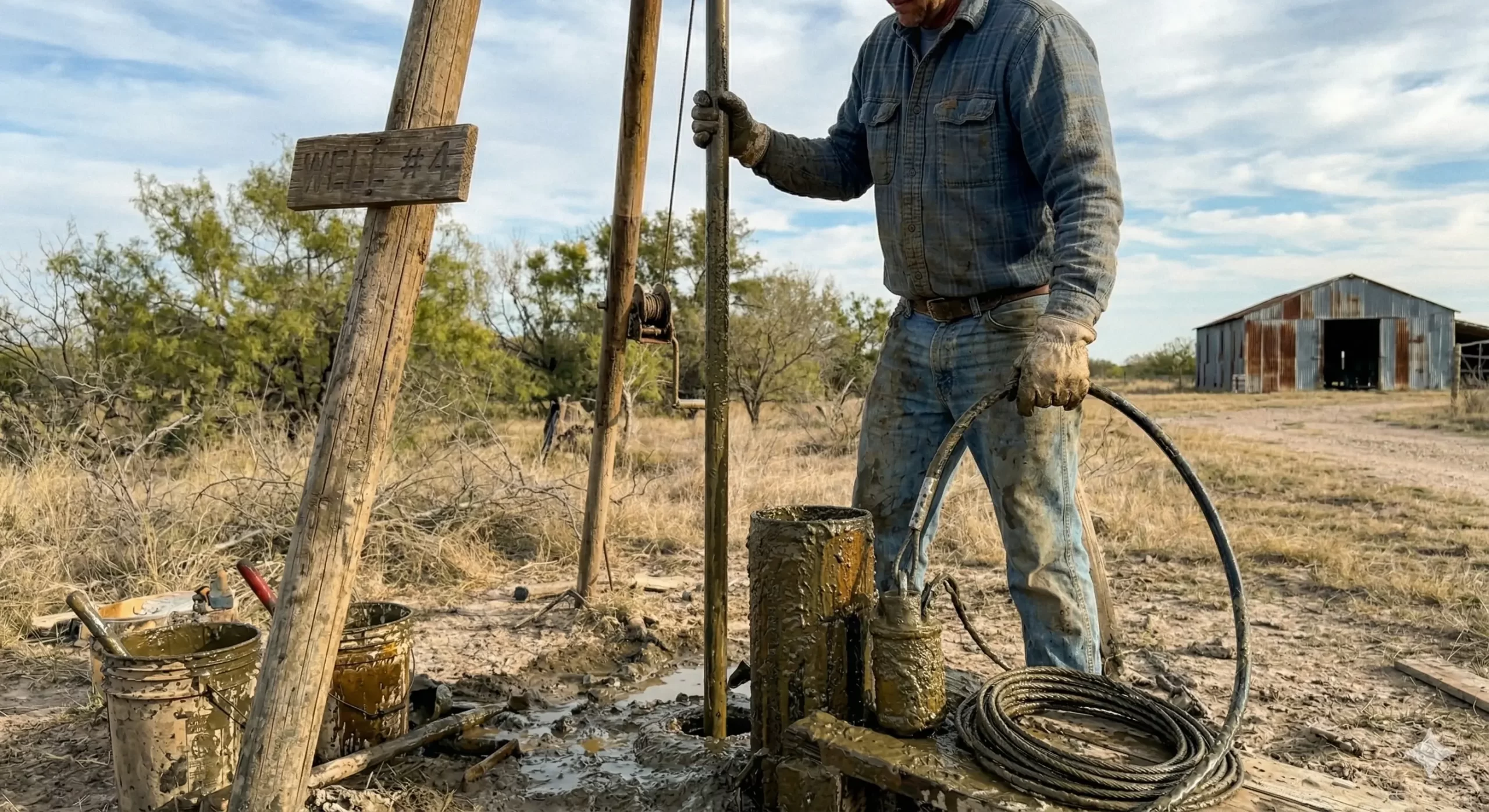
The procurement and installation of a commercial-grade Onsite Wastewater Treatment System (OWTS) for an institution such as a school or church is a significant capital expenditure governed by stringent public health regulations. The financial scope extends far beyond the mere purchase of components. A granular analysis reveals a multi-stage process, each with a discrete cost structure. The following table provides a pragmatic cost framework, with specific considerations for challenging geological conditions, such as the pervasive Cecil series (heavy red clay) soil found throughout the Georgia Piedmont region.
| Phase / Component | Technical Specification & Rationale | Estimated Cost Range (USD) |
|---|---|---|
| Phase 1: Site Evaluation & Geotechnical Analysis | Includes multiple soil borings, percolation tests (ASTM D1587), and determination of the seasonal high water table. Critical for system sizing and technology selection. Non-negotiable in clay-heavy regions. | $2,500 – $7,500 |
| Phase 2: System Design & Engineering | Professional Engineer (P.E.) designs a system compliant with state and local codes (e.g., Georgia DPH Manual). Calculations for hydraulic/organic loading based on student/congregant count (e.g., 15 GPD/student, 5 GPD/congregant). | $5,000 – $18,000 |
| Phase 3: Permitting | Submission of engineered plans to county health department and potentially state environmental protection divisions. Fees are variable by jurisdiction. | $1,000 – $4,000 |
| Phase 4: Component Acquisition |
| $50,000 – $150,000+ |
| Phase 5: Installation & Commissioning | Includes heavy equipment operation, certified installers, electricians for pumps/alarms, and final inspection. Labor-intensive. | $30,000 – $80,000 |
| Total Estimated Project Cost | Summation of all phases for a complete, compliant, and operational system. | $88,500 – $259,500+ |
Prophylactic Maintenance Protocols for High-Usage Systems
Reactive maintenance is a direct path to premature system failure and regulatory non-compliance. A strict, prophylactic maintenance schedule is mandatory for institutional OWTS. The objective is to maintain the delicate balance of anaerobic and aerobic microbial processes and to ensure the mechanical components operate within their specified design parameters.
Maintenance Schedule & Procedures
- Quarterly (Every 3 Months): A certified technician must perform the following:
1. Clean the effluent filter. Record turbidity and presence of suspended solids.
2. Measure sludge and scum layers in the primary septic tank using a calibrated core sampler (e.g., Sludge Judge). Sludge depth should not exceed 30% of the tank’s liquid depth.
3. Test pump and alarm functionality. Manually activate float switches to verify pump activation and alternating sequence in duplex systems. Check amperage draw against manufacturer specifications.
4. Inspect the ATU for media health, signs of channeling, and proper aeration. Measure Dissolved Oxygen (DO) levels; they should typically be >2.0 mg/L. - Annual (Every 12 Months): A comprehensive service call including all quarterly tasks, plus:
1. A full inspection of the ATU’s internal components.
2. Flushing of lateral lines in the dispersal field to remove biofilm buildup.
3. Calibration of control panel timers and sensors. - Pumping (As Required by Measurement): The “3-5 year rule” for residential systems is dangerously inaccurate for commercial applications. Pumping must be dictated by quarterly sludge measurements. A school with 700 students and staff can generate a hydraulic load exceeding 10,000 GPD. This level of loading mandates pumping every 12 to 24 months to prevent solid carryover into the drainfield, which is the leading cause of irreversible system failure.
Case Study: Christ Chapel Community Church, Oconee County, Georgia
Initial State: A 1992-vintage conventional gravity-fed system with a 6,000-gallon concrete tank and 1,200 linear feet of gravel trenches. Designed for a congregation of 200. By 2022, the church had grown to 550 members and added a weekday preschool for 50 children.
Presenting Problem: The system was in a state of hydraulic overload. Symptoms included persistent hydrogen sulfide odors, slow-draining restroom fixtures, and, most critically, surfacing effluent in a low-lying area of the property near a drainage ditch. A notice of violation was issued by the Northeast Health District. For fast response times, get in touch with our septic professionals servicing Livingston, TX.
Geotechnical Findings: Soil borings confirmed a Madison-Cecil soil complex with a percolation rate slower than 90 minutes per inch (mpi) below 24 inches depth. The existing drainfield was saturated and a dense, black anaerobic biomat had formed, rendering it impermeable. Discover why so many neighbors recommend our septic tank services in Marlin, TX.
Engineered Solution: A complete system replacement was designed.
- Primary Treatment: A new 20,000-gallon, dual-compartment precast concrete tank (per ASTM C1227) to provide adequate primary settling and sludge storage for the calculated 8,250 GPD peak flow.
- Secondary Treatment: An Orenco Systems Advantex® AX100 packed bed filter ATU was specified. This system utilizes a textile media to foster aerobic microbial growth, reducing Biochemical Oxygen Demand (BOD5) and Total Suspended Solids (TSS) by over 95%, achieving an effluent quality of <10 mg/L BOD5/TSS.
- Dispersal: Given the poor soil, a pressure-dosed drip irrigation field was designed. The treated effluent is pumped via a duplex alternating pump set to 15,000 linear feet of Netafim Bioline® drip tubing installed on 2-foot centers at a depth of 8-10 inches. This method ensures even distribution and maximizes evapotranspiration.
Outcome: The system was installed and commissioned at a total cost of $195,000. It now operates in full compliance with Georgia regulations, eliminating the public health hazard and securing the church’s ability to operate and grow.
Facility Manager Testimonials
⭐⭐⭐⭐⭐
“The level of technical detail and engineering precision brought to our school’s septic system replacement was unparalleled. They identified a critical design flaw in our old system related to hydraulic loading during peak lunch hours that no one else had caught. The new ATU and LPP drainfield they installed functions flawlessly, even with our campus expansion. This is not a plumbing service; this is an engineering firm that executes with military precision.” We also provide specialized local support—see our Marble Falls, TX service page for details.
– David Chen, Head of Facilities, Northwood Preparatory Academy
⭐⭐⭐⭐⭐
“Our church was facing potential closure due to a failing, decades-old septic system. The team conducted a thorough geotechnical survey and designed a phased replacement that allowed us to remain operational. Their understanding of Georgia’s clay soil challenges and the DPH regulations was encyclopedic. The project was completed on schedule and precisely on budget. The level of professionalism is the benchmark for the industry.” For homeowners nearby, we highly recommend calling our Southlake, TX wastewater professionals.
– Facilities Committee, Grace Chapel of Athens
Diagnostic Troubleshooting & Failure Progression
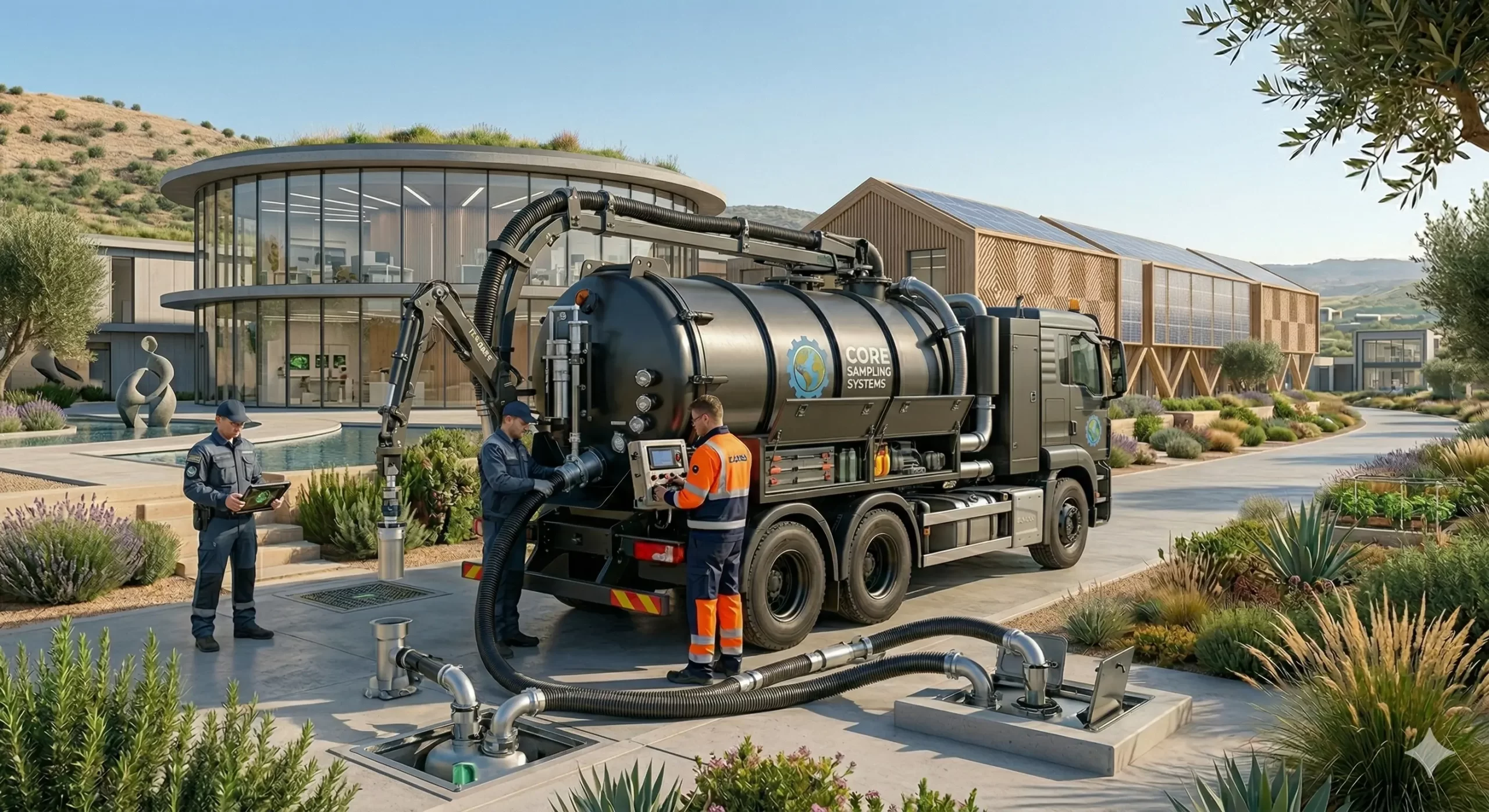
System failure is a process, not an event. Understanding the stages of degradation is key to timely and cost-effective intervention. Discover why so many neighbors recommend our septic tank services in Salado, TX.
Progression of System Failure Timeline
- Phase 1 (Years 0-3): Normal Operation. System operates within all design parameters. Effluent is clear, pumps cycle correctly, and sludge accumulation is linear and predictable. Routine quarterly maintenance is sufficient.
- Phase 2 (Years 4-6): Incipient Failure. Subtle signs emerge. The effluent filter requires cleaning more frequently (e.g., every 60 days vs. 90). A faint H2S odor may be present near the tanks after peak usage. Sludge levels are accelerating, approaching the 30% threshold. This is a crucial window for intervention.
- Phase 3 (Years 7-8): Advanced Degradation. Alarms begin to trigger intermittently, indicating high-level events in the pump tank. Drains inside the facility become noticeably sluggish. The ground over the drainfield may exhibit unusual lushness or feel spongy underfoot. Immediate, comprehensive diagnostics by a qualified engineer are required to avert total failure.
- Phase 4 (Year 8+): Catastrophic Failure. Constant alarms, sewage backups into the building, and surfacing of untreated or partially treated effluent. The system is no longer treating wastewater; it is creating a public health emergency. The facility faces closure, significant fines, and complete system replacement costs under emergency conditions.
Frequently Asked Technical Questions
How is septic system capacity calculated for a school or church?
Capacity is not based on building size but on calculated Maximum Daily Flow (MDF). State regulations provide specific values. For example, the Georgia Department of Public Health Manual for On-Site Sewage Management Systems stipulates flow rates such as 15 gallons per day (GPD) per student for schools with cafeterias, 5 GPD per sanctuary seat for churches, and 50 GPD per employee. An engineer sums these values to determine the required hydraulic capacity of the tanks and the necessary absorption area of the drainfield.
What is an ATU and why would an institution require one?
An ATU, or Aerobic Treatment Unit, is a secondary treatment system that introduces oxygen into the wastewater via blowers or agitators. This fosters the growth of aerobic bacteria, which are far more efficient at breaking down organic waste and pathogens than the anaerobic bacteria in a conventional septic tank. The resulting effluent is significantly cleaner (often >95% reduction in BOD5 and TSS). ATUs are mandated in environmentally sensitive areas, or for sites with limiting factors such as poor soil percolation (common in Georgia clay), high water tables, or insufficient space for a conventional drainfield.
Can we use chemical additives to avoid pumping our church’s septic tank?
Unequivocally, no. There is no independent, peer-reviewed scientific data that supports the efficacy of septic system additives. Conversely, many of these products can liquefy or emulsify the solid layer, which allows suspended solids to exit the tank and enter the drainfield. This process, known as ‘solids carryover,’ causes rapid and irreversible clogging of the soil pores and is a primary cause of premature drainfield failure. Regular pumping, as dictated by physical measurement of the sludge layer, is the only correct and scientifically valid method for solids removal.
What are the specific legal liabilities of a failed OWTS at a public facility?
The legal liabilities are severe and multi-faceted. They include: 1) Regulatory Enforcement: Notices of Violation, escalating fines from County Health Departments and the State Environmental Protection Division (up to $25,000 per day per violation under the Clean Water Act). 2) Facility Closure: The health department can issue a cease-and-desist order, effectively shutting down the school or church until the system is fully compliant. 3) Civil Tort Liability: The institution can be sued for negligence if individuals contract illnesses from exposure to the surfacing effluent. This creates immense financial and reputational exposure. Proper system management is a non-delegable duty of the property owner.
Technically Reviewed By:
BlixBase Master Plumber Team
20+ Years Septic Industry Experience | Certified System Inspectors